


Gaming history is filled with genres that once dominated entire eras, styles that shaped how players imagined worlds, solved problems, and interacted with stories. Some of these genres were massive cultural moments, inspiring magazines, fan clubs, and heated playground debates. Others pushed technology in bold, experimental ways that today’s safer, franchise-heavy landscape rarely attempts. As the industry shifted toward 3D graphics, online features, and blockbuster formulas, many once-beloved genres quietly slipped into the background. They didn’t fail; newer, more profitable formats pushed them aside.
1. Earned Unlocks

In older games, extra characters, bonus stages, alternate costumes, and hidden modes were rewards given directly to players who explored every corner, mastered difficult challenges, or met specific in-game conditions. Unlockables felt like meaningful achievements rather than items pulled from a store menu. Players were motivated to replay levels, chase perfection, and discover secrets because the reward system was tied strictly to their skill and effort. Today, many games place cosmetic or bonus content behind paywalls, battle passes, or limited-time events, making progression feel less personal. That sense of accomplishment from unlocking something through dedication, not a purchase, was a unique thrill that older games delivered consistently
2. Couch Multiplayer

Playing games used to be a lively social event centered around a shared TV, friendly rivalry, and the sound of button-mashing happening inches away from your opponents. Couch multiplayer created spontaneous laughter, loud celebrations, and sudden bursts of chaos that no online lobby can truly replicate. Seeing reactions in real time, nudging a friend during a close race, or competing in heated battles on the same screen forged unforgettable moments. While online play broadened accessibility, it also reduced the frequency of face-to-face gaming sessions. The warmth, energy, and unpredictability of local multiplayer remain unmatched, and many players miss the genuine camaraderie it created.
3. Fun Cheat Codes

Cheat codes were once an iconic part of gaming culture. Entering a secret button combination or typing a strange word unlocked modes and effects that made games feel fresh, funny, or wonderfully chaotic. From moon physics to giant heads, infinite ammo, alternate skins, or experimental features never meant for the main game, cheat codes encouraged exploration and silly experimentation. They weren’t about bypassing difficulty, they were about discovering hidden layers of fun built directly by the developers. In modern gaming, these playful extras are rare, often replaced by purchasable cosmetics, modding tools, or post-launch updates. The joy of unlocking a goofy, mysterious code is something many gamers still miss.
4. Physical Manuals
Opening a game used to be a full ritual: cracking open the case, pulling out a colorful manual, and diving into character art, world backgrounds, diagrams, prologue stories, and detailed instructions long before the game’s first level began. These manuals helped build excitement and immersion, giving players a sense of connection to the world they were about to explore. They made new games feel like small treasures, something tangible and thoughtfully crafted. Today, tutorials and digital tooltips have replaced physical booklets, offering convenience but losing the charm, personality, and anticipation that came from holding and reading a beautifully illustrated manual.
5. High-Score Chasing

In classic arcades and early home consoles, high scores were the heart of replayability. Games challenged you to return again and again, perfecting routes, improving timing, and pushing your skills higher with every attempt. Beating your own record or topping a friend’s initials felt like a major accomplishment. The simplicity of aiming for a score rather than grinding levels created a pure, skill-driven motivation. Modern games often replace this with progression systems, XP bars, and season ranks, which encourage play but shift the focus away from personal mastery. That old thrill of striving for a near-perfect run is something many players still long for.
6. Instant, Frictionless Play
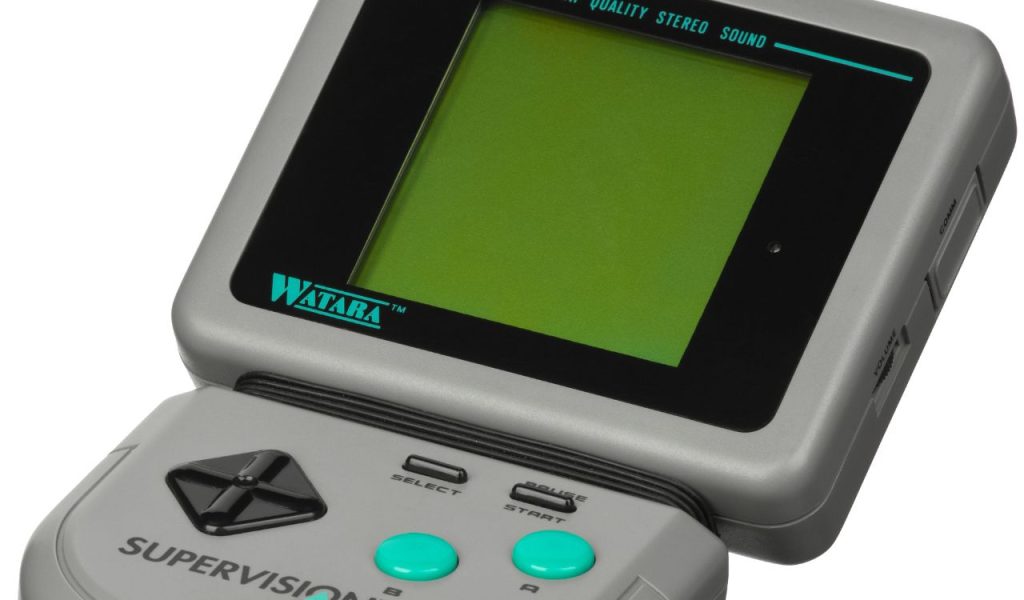
There was a time when playing a game meant simply starting it. No waiting for updates, no login screens, no multi-step setup, just immediate access to the experience. Whether on handhelds, consoles, or early PCs, games respected the player’s time by letting them jump in instantly. Modern gaming’s patches, account checks, and long load sequences often create delays that make playing feel like a commitment. That effortless, “sit down and play” feeling is something many players remember fondly and wish would return.
7. Real Endings
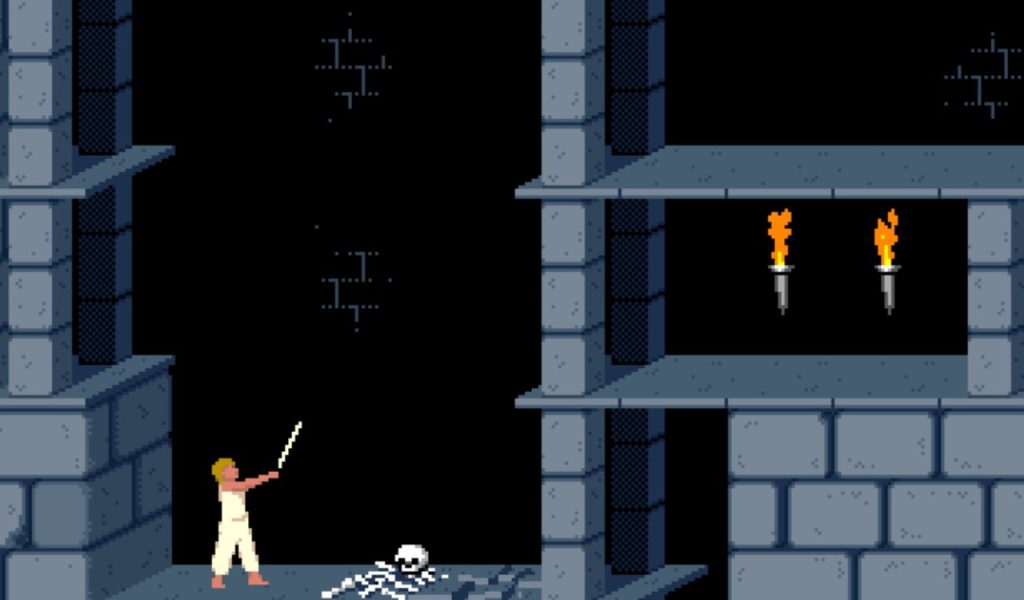
Classic games had a clear destination: you reached the final area, beat the last boss, watched the credits, and felt a satisfying sense of completion. Even difficult games rewarded persistence with closure, giving players a tangible ending to look forward to. Modern gaming, especially in live-service formats, often emphasizes constant engagement, frequent updates, new seasons, and endless progression loops designed to keep players returning indefinitely. While this model has its benefits, it can dilute the emotional weight of finishing a game. Many older players miss that feeling of completing an adventure, setting the controller down, and appreciating the journey as a whole.
8. Pure Gameplay
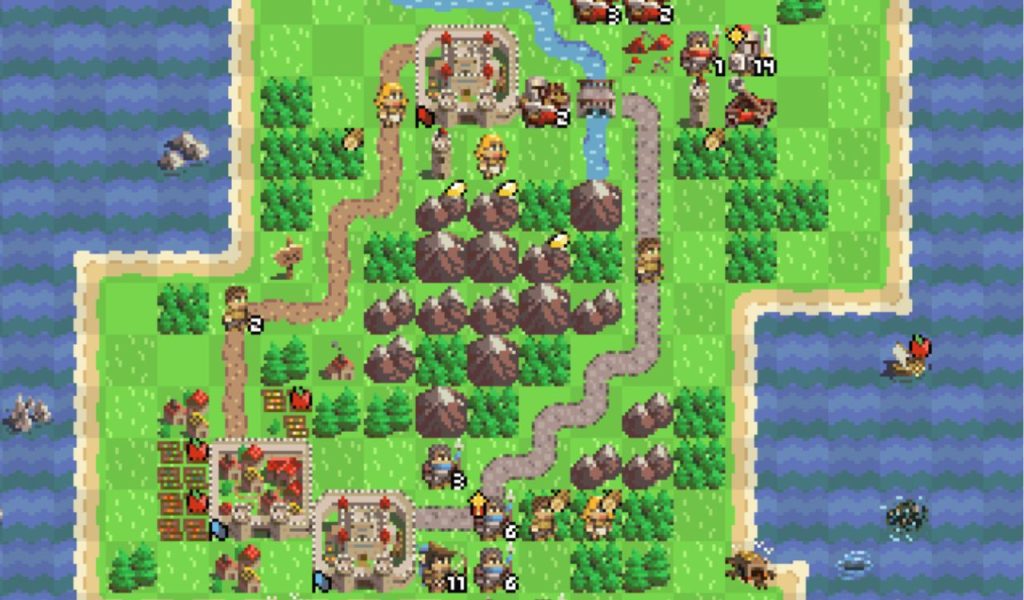
In previous generations, games were built almost entirely around creativity, challenge, and raw fun. The design focus centered on what the player could experience, not what the player could buy. Today, many titles, especially big-budget releases, must balance gameplay with monetization systems such as cosmetic shops, battle passes, limited-time bundles, and content drip-feeding. While optional purchases aren’t inherently bad, they can sometimes overshadow core design decisions or interrupt immersion. Older games kept the experience pure and straightforward: you bought the game, and what you got was complete, focused, and meant to be enjoyed from start to finish without reminders to spend more.
9. Simple Controls

Retro games often used surprisingly few buttons but offered incredible depth. Mastery came from timing, precision, and understanding the game’s systems, not navigating menus, crafting grids, or multi-layered skill trees. Today’s games frequently include complex control schemes, multiple toggles, sprawling UI screens, and lengthy tutorials that can overwhelm new or returning players. While added mechanics give developers more creative tools, they can also dilute accessibility and slow down the sense of fun. Older games achieved brilliance through elegant simplicity, proving that you don’t need dozens of systems to create something memorable and challenging.
10. True Discovery
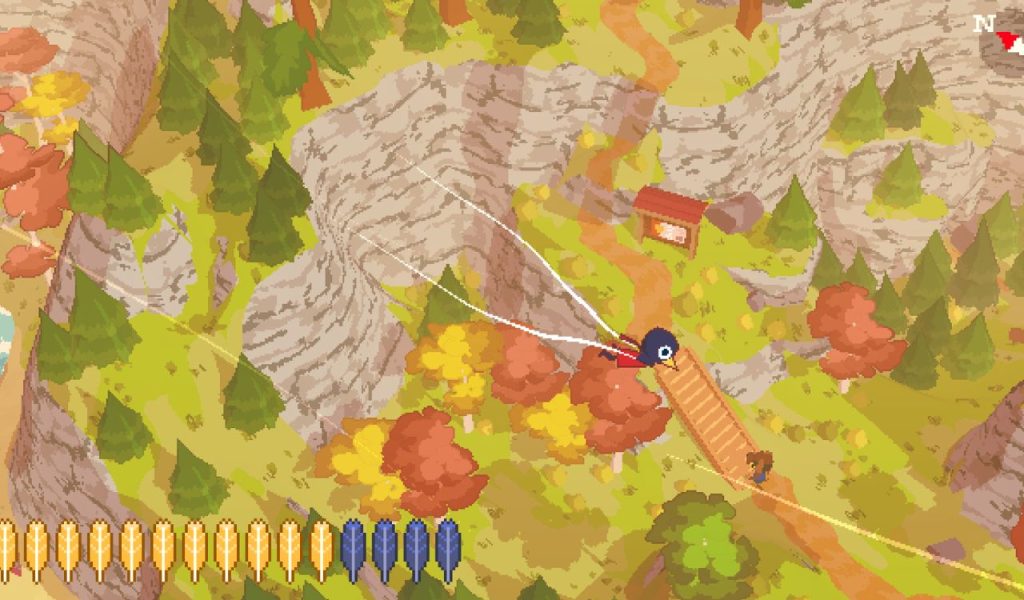
Before the internet and constant content breakdowns, games were full of mysteries waiting to be uncovered. Players explored every edge of a map, tested wild theories, and stumbled upon hidden rooms, legendary items, or unexpected easter eggs purely through experimentation. Rumors spread among friends, in magazines, or on playgrounds, adding to the sense of magic. Today, most secrets are revealed online within hours of release, and objective markers guide players directly to points of interest. While helpful, this shift removes much of the organic discovery that made older games so exhilarating. The sense of “I wonder what’s over there?” was truly special.