


Ranked play is the backbone of modern multiplayer gaming. It transforms casual matches into high-stakes competition, giving players a clear path of progression through skill-based tiers, seasonal rewards, and visible rankings. For many gamers, climbing the ladder isn’t just a feature; it’s the main reason they log in every day. An active ranked scene means more than just a leaderboard. It requires a large and consistent player base, strong matchmaking systems, regular balance updates, and meaningful seasonal resets. The games below stand out because their competitive ladders remain populated, intense, and constantly evolving.
1. Fortnite
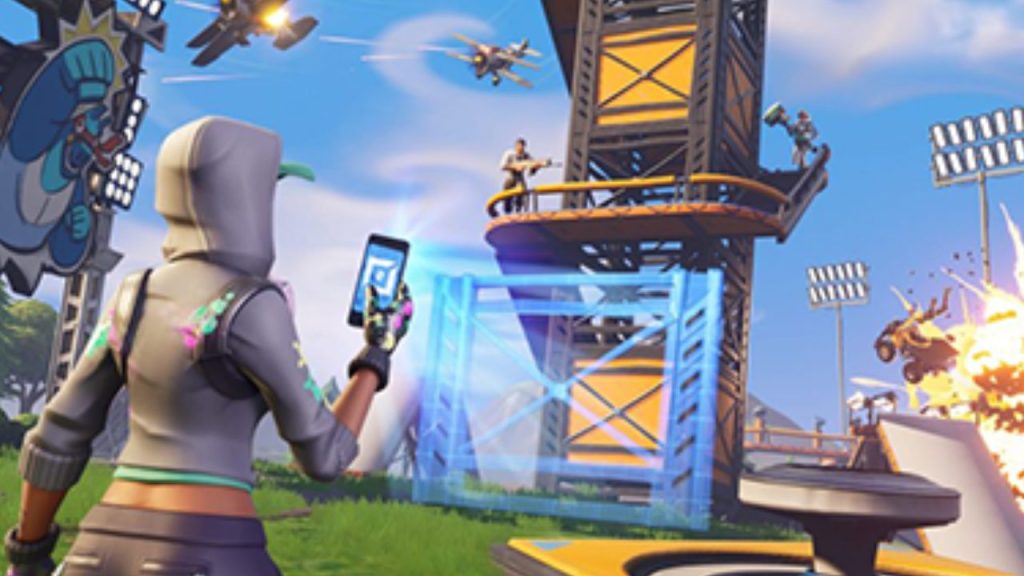
Fortnite has evolved far beyond its early battle royale roots, and its Ranked mode now represents one of the largest competitive ecosystems in gaming. With divisions ranging from Bronze to Unreal, the ladder consistently attracts millions of players across all regions. Unlike many battle royale ranked systems, Fortnite rewards both survival and aggressive play, creating dynamic late-game scenarios filled with high-skill build fights and mechanical showcases. The constant seasonal updates, weapon adjustments, and meta shifts ensure that ranked never feels stale. Combined with a strong tournament pipeline and in-game events, the game maintains steady engagement at every skill level.
2. PUBG: Battlegrounds
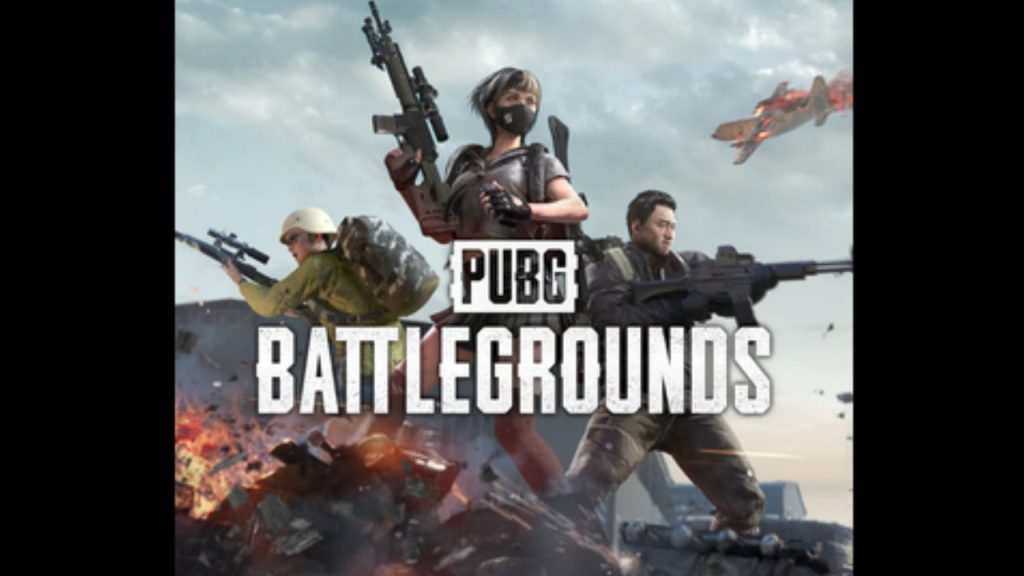
As one of the original battle royale giants, PUBG: Battlegrounds still sustains a deeply competitive ranked community, especially in regions like Asia, where the player base remains massive. Its ranked mode emphasizes realism, positioning, and tactical decision-making over arcade-style action. Matches are slower and more punishing, meaning every rotation, engagement, and late-circle decision carries weight. The ranking system rewards consistent performance, encouraging players to improve strategic awareness rather than relying purely on aim. With ongoing esports tournaments and structured competitive seasons, PUBG’s ranked ladder continues to thrive years after release.
3. Rainbow Six Siege
Few tactical shooters can match the intensity of ranked play in Rainbow Six Siege. Built around operator abilities, destructible environments, and highly strategic round-based gameplay, the ranked scene demands coordination and deep game knowledge. Players climb through tiers from Copper to Champion, with each rank representing significant improvement in communication, positioning, and map control. Because Siege heavily rewards teamwork and tactical planning, ranked matches often feel like miniature esports events. Ubisoft’s consistent seasonal updates, new operators, and map reworks keep the competitive meta evolving, ensuring that the ladder remains active and challenging.
4. Teamfight Tactics
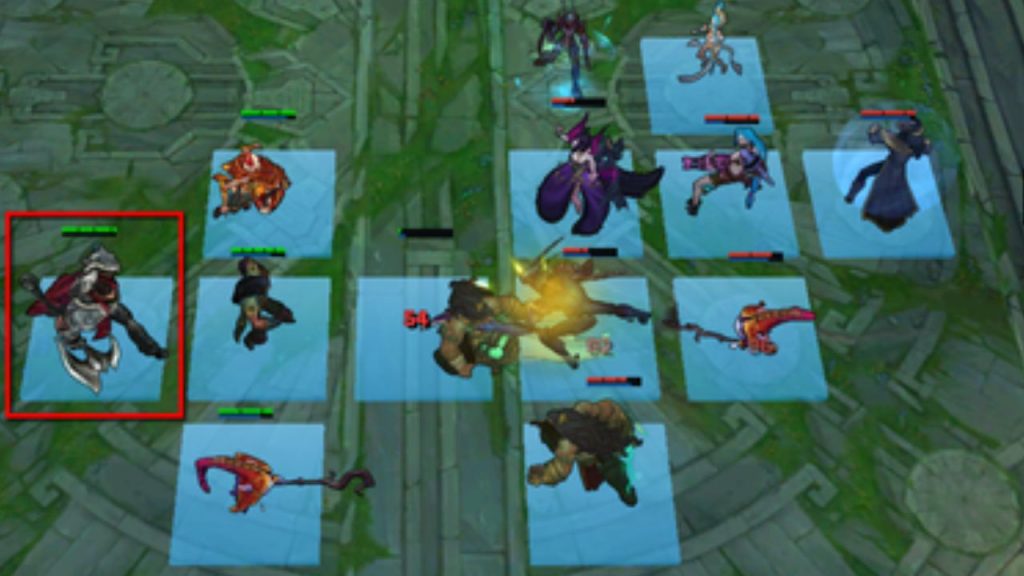
For players who prefer strategic thinking over fast reflexes, Teamfight Tactics offers one of the most competitive ranked systems in the auto-battler genre. Each set rotation introduces new champions, traits, and mechanics, effectively refreshing the competitive environment every few months. Climbing from Iron to Challenger requires a deep understanding of economy management, positioning, scouting opponents, and adapting to the evolving meta. Because the game is purely skill-based and solo-focused, progression feels directly tied to personal improvement. Its consistent patch cycle and international competitive tournaments help keep the ranked ladder active year-round.
5. Street Fighter 6
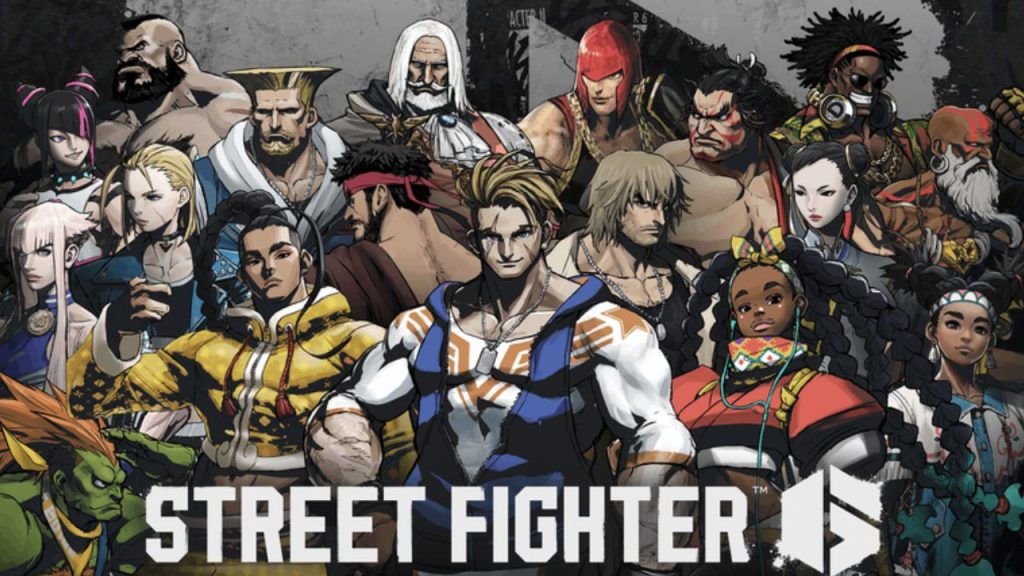
Fighting games live and die by their online competition, and Street Fighter 6 has one of the strongest-ranked communities in the genre. The game introduced a refined ranking system that tracks progress per character, encouraging players to master multiple fighters. With tiers ranging from Rookie to Master and beyond, each rank reflects genuine skill growth in execution, matchup knowledge, and mind games. Thanks to strong rollback netcode, matches feel responsive and fair, which has significantly boosted online participation. Combined with the Capcom Pro Tour and global tournaments, Street Fighter 6 maintains a highly active and passionate competitive ladder.
6. Mobile Legends: Bang Bang
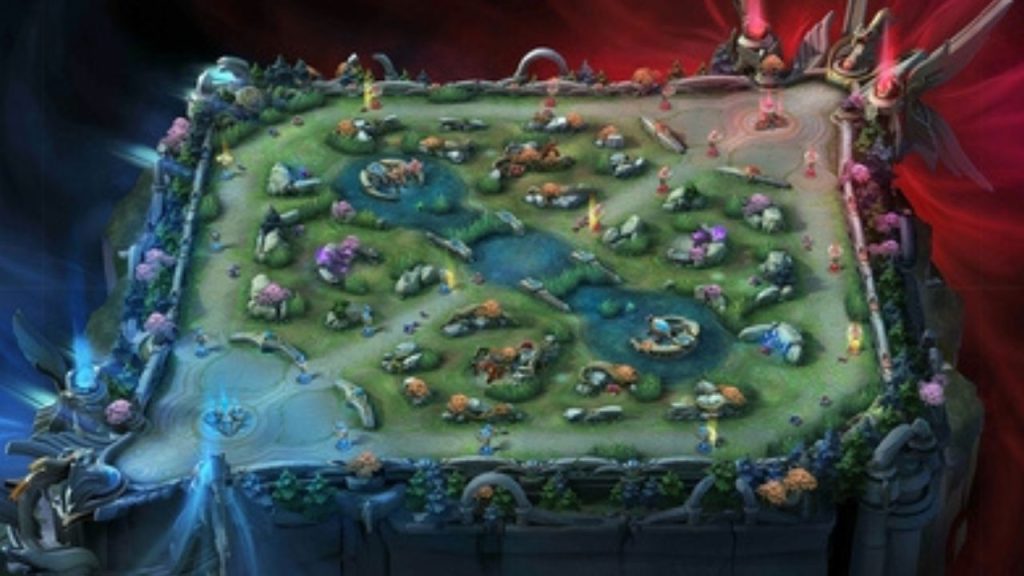
On the mobile side of competitive gaming, Mobile Legends: Bang Bang boasts one of the most active ranked scenes in the world, particularly across Southeast Asia. Its tier system stretches up to Mythical Glory and beyond, with millions of players grinding ranked matches daily. Fast-paced 5v5 battles, short match durations, and accessibility on smartphones make climbing the ladder convenient and addictive. The game’s strong regional esports presence further fuels competitive ambition, motivating players to push toward higher divisions. Frequent hero adjustments and seasonal resets keep the competitive ecosystem fresh and balanced.
7. Hearthstone
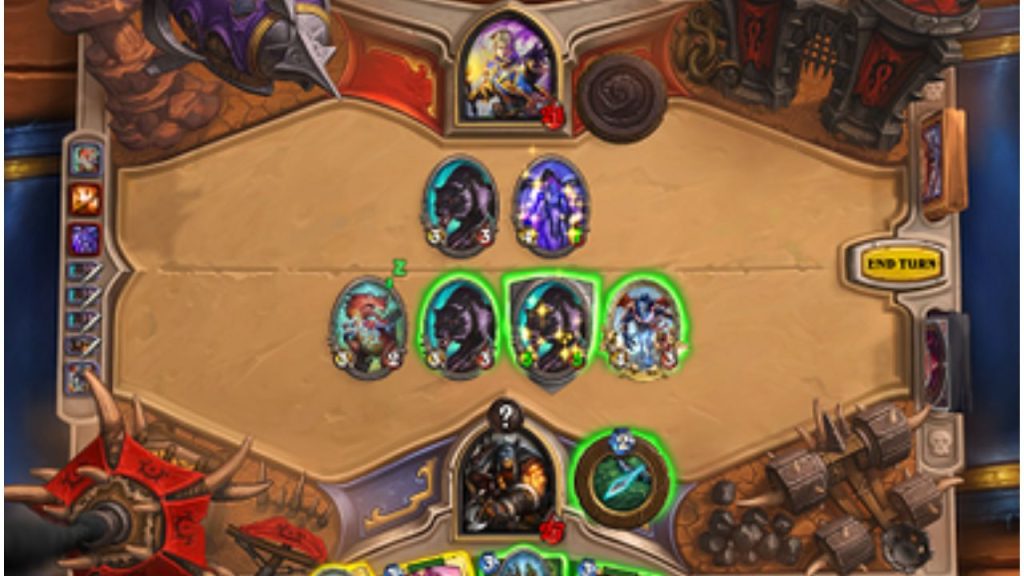
Ranked competition isn’t limited to shooters and MOBAs. Hearthstone maintains one of the most structured and enduring ranked ladders in digital card gaming. Players progress monthly from Bronze to Legend, with consistent resets that keep the climb meaningful. Success requires deep knowledge of deck archetypes, meta trends, and resource management rather than mechanical skill. Frequent expansions introduce new cards and strategies, dramatically reshaping the competitive environment several times a year. This constant evolution keeps ranked play active and engaging for both casual competitors and high-level grinders.
8. Splatoon 3
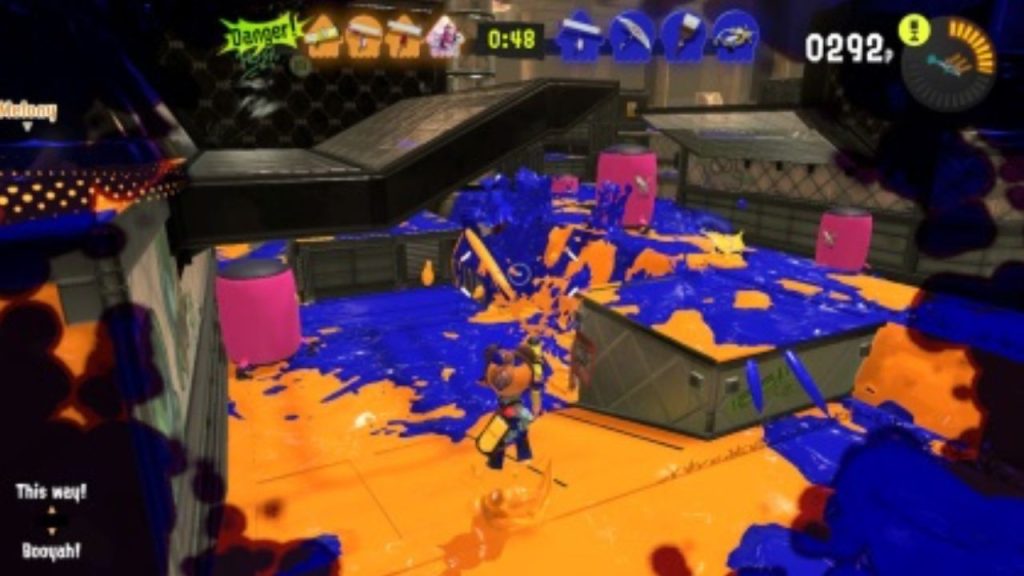
While it may look colorful and casual on the surface, Splatoon 3 supports a surprisingly competitive ranked ecosystem through its Anarchy Battles and X Rank system. Objective-based modes such as Tower Control and Splat Zones demand coordinated teamwork and smart positioning. Players progress through skill tiers that reflect mechanical precision and strategic awareness. Nintendo’s seasonal content updates and competitive events help sustain long-term engagement. The result is a ranked ladder that remains active and distinct from traditional military-style shooters.