




Open-world games have evolved far beyond simple sandbox playgrounds filled with icons and side quests. The best titles in the genre are not just about exploring vast maps or completing objectives; they are about making meaningful choices. In these games, your decisions shape the narrative, influence relationships, alter political landscapes, and even determine survival. Smart decision-making can take many forms: choosing the right dialogue option during a tense negotiation, investing skill points wisely to create an efficient character build, managing limited resources in hostile environments, or thinking strategically before engaging in combat. In some cases, one careless action can close off entire storylines or dramatically change how the world reacts to you.
1. The Witcher 3: Wild Hunt
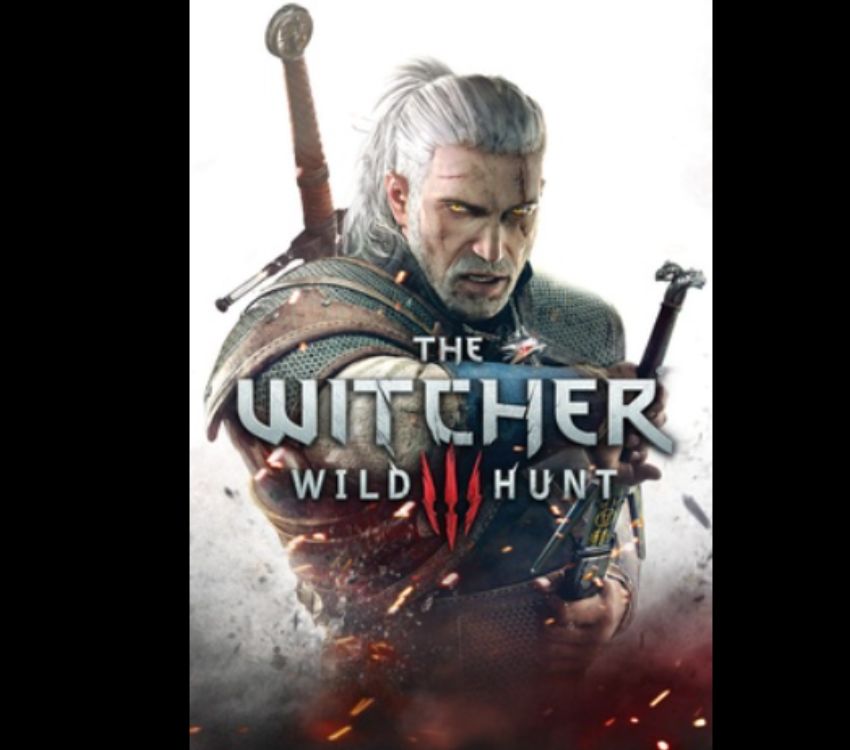
Few open-world RPGs handle consequences as thoughtfully as The Witcher 3: Wild Hunt. While many games present choices as simple good-or-bad moral decisions, this title thrives in moral ambiguity. Players step into the role of Geralt of Rivia, a professional monster hunter navigating a war-torn continent filled with political intrigue and personal tragedy. What makes the game particularly rewarding for smart players is how subtle and delayed the consequences can be. A seemingly minor decision during a side quest might later determine the fate of a kingdom or the survival of a beloved character.
2. Red Dead Redemption 2

Red Dead Redemption 2 is more than an action-adventure game set in the fading days of the American frontier. it is a living world shaped by behavior and reputation. Players control Arthur Morgan, a member of an outlaw gang struggling to survive in a rapidly modernizing society. The game’s Honor system tracks your actions, from how you treat strangers to how you handle confrontations. High honor and low honor paths subtly change dialogue, story moments, and even the emotional tone of the narrative. NPCs react differently depending on your reputation, reinforcing the weight of every decision. Heists and robberies are another area where careful planning is rewarded.
3. The Elder Scrolls V: Skyrim
At first glance, Skyrim appears to be a pure power fantasy: slay dragons, join guilds, and roam freely. However, beneath its open structure lies a system that rewards careful character planning and long-term thinking. The skill progression system allows for immense flexibility, but spreading points too thin can weaken your character in later stages. Specializing in complementary skills such as stealth and archery or heavy armor and two-handed weapons creates far more efficient builds. Players who experiment thoughtfully often discover powerful synergies between enchantments, alchemy, and smithing.
4. Cyberpunk 2077

Set in the sprawling metropolis of Night City, Cyberpunk 2077 emphasizes player agency through branching narratives and highly customizable builds. Your character’s background, dialogue choices, and relationships influence how missions unfold and which endings become available. Dialogue options often include skill checks tied to attributes like Intelligence, Cool, or Technical Ability. Investing in certain traits unlocks alternate paths, allowing players to bypass combat, negotiate better outcomes, or uncover hidden information. Those who neglect building planning may miss these opportunities entirely.
5. Metal Gear Solid V: The Phantom Pain
This tactical espionage sandbox places heavy emphasis on preparation and adaptability. In Metal Gear Solid V: The Phantom Pain, missions can be approached in countless ways—but enemies learn from your behavior. If you rely too heavily on nighttime infiltration, guards may begin wearing night-vision goggles. Frequently targeting enemies with headshots might encourage them to adopt helmets. This adaptive AI system forces players to constantly rethink strategies. Base management is equally important. Extracting soldiers and allocating them to different departments unlocks new technologies, weapons, and upgrades. Strategic development decisions can significantly enhance mission efficiency. Success often hinges on reconnaissance. Scouting enemy bases, marking patrol routes.
6. Fallout: New Vegas
Widely regarded as one of the best choice-driven RPGs ever made, Fallout: New Vegas centers around political tension in the Mojave Wasteland. The game features multiple major factions, each with competing ideologies and long-term consequences tied to supporting them. Reputation systems track your standing with different groups. Helping one faction may permanently alienate another, locking you out of quests or altering how their members treat you. This interconnected political web demands careful consideration. Skill checks frequently provide alternative solutions. High Speech can resolve conflicts peacefully.
7. Death Stranding
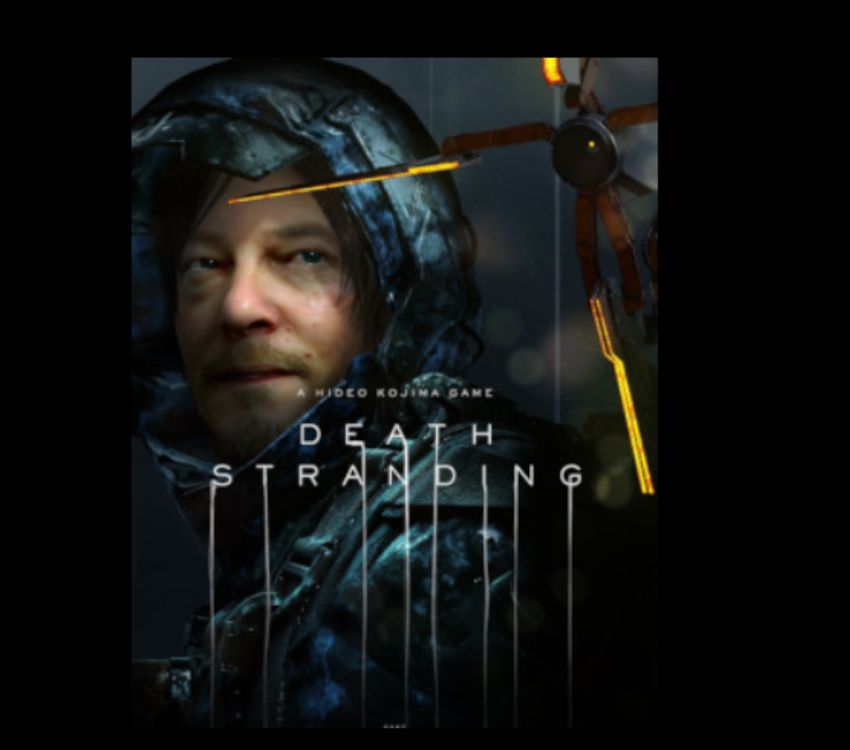
Unlike traditional combat-heavy open-world games, Death Stranding focuses on traversal and logistics. Delivering cargo across treacherous terrain requires meticulous planning and route optimization. Weight distribution affects balance, stamina, and movement speed. Overloading yourself without considering terrain conditions can result in damaged cargo and mission failure. Players must assess weather, elevation, and potential hazards before setting out. Infrastructure building adds another layer of strategy. Constructing bridges, roads, and shelters not only helps you but also assists other players in the shared world.
8. Kenshi

Kenshi offers one of the harshest open-world experiences available. There are no chosen heroes or safety nets, just a brutal world where poor decisions can lead to enslavement or death. Players manage squads, build settlements, and navigate dangerous territories. Expanding too quickly without adequate defenses can invite raids. Traveling unprepared into hostile regions often results in disaster. Resource management is critical. Food supply, medical care, and equipment must be carefully balanced to maintain survival. Strategic planning is not optional; it is the core of the experience.
9. Kingdom Come: Deliverance
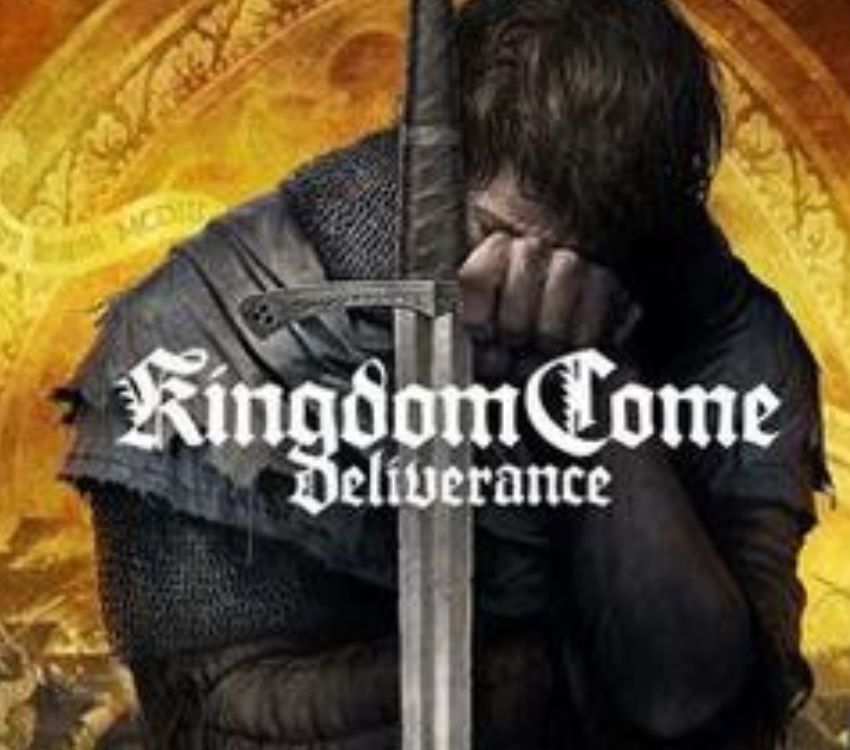
Grounded in historical realism, Kingdom Come: Deliverance demands patience and discipline. Combat is skill-based and punishing, requiring proper training and stamina control. Reputation influences how townsfolk treat you. Criminal behavior can make life significantly harder, as guards and citizens respond accordingly. Even clothing affects social interactions, reinforcing attention to detail. Character progression is tied to practice and deliberate improvement. Rushing into difficult battles without training often leads to quick defeat. Smart players take time to prepare, learn mechanics, and approach challenges strategically.
10. Baldur’s Gate 3
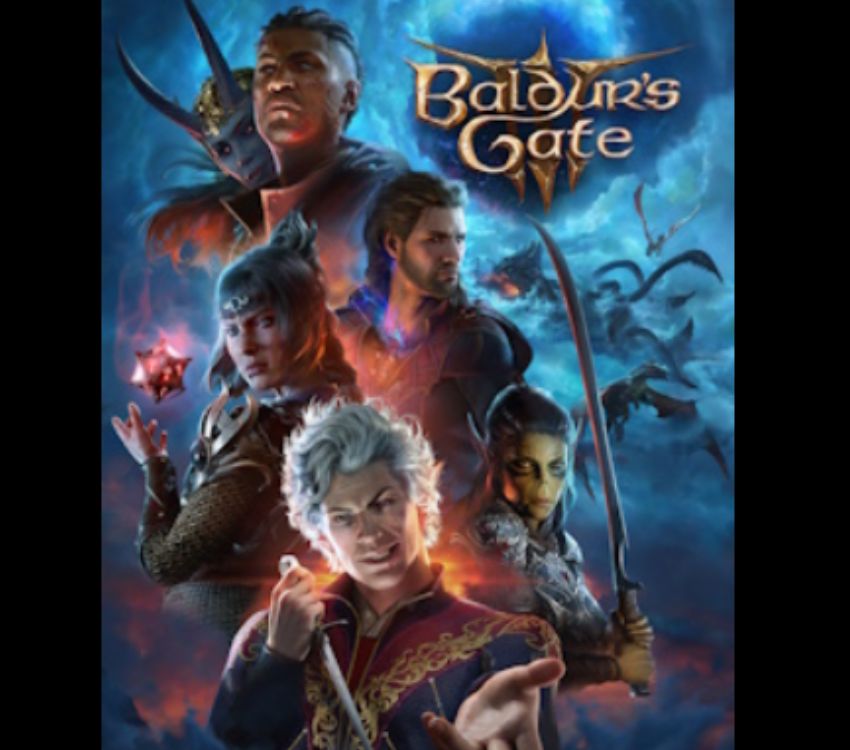
Though structured into large interconnected zones rather than one seamless map, Baldur’s Gate 3 offers remarkable freedom within its open environments. Built around deep role-playing systems, it places heavy emphasis on dialogue, tactics, and consequence-driven storytelling. Turn-based combat demands strategic positioning, environmental awareness, and effective use of abilities. Charging into battle without a plan can quickly overwhelm your party. Dialogue choices are often influenced by character background, class, and skill proficiency. Clever persuasion or deception can entirely reshape encounters, avoiding combat or unlocking hidden narrative paths.