


The video game industry is constantly evolving. With every generation, new technology replaces the old, and even promising systems can quickly fade into history. While iconic platforms like the PlayStation 2 or Nintendo Switch continue to enjoy long-lasting recognition, many once-ambitious consoles have been discontinued and largely forgotten. Some of these systems were ahead of their time, introducing bold innovations that players weren’t quite ready for. Others suffered from poor marketing, high prices, or fierce competition in crowded markets. Yet each one tells a fascinating story about risk, creativity, and the unpredictable nature of the gaming world.
1. Sega Dreamcast
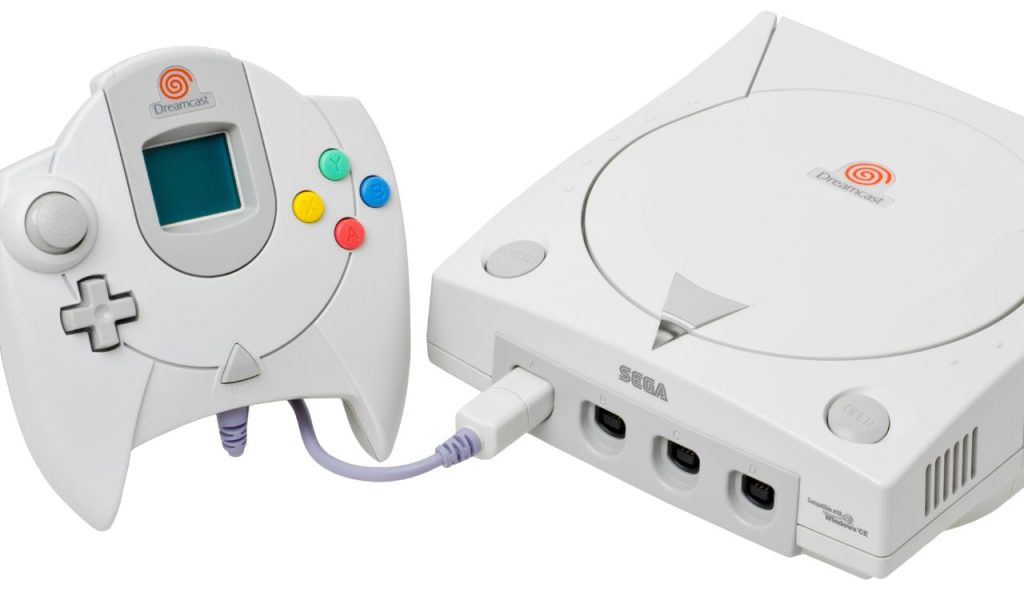
The Dreamcast was Sega’s final home console, and in many ways, it was ahead of its time. It launched with built-in modem support for online gaming, something that wouldn’t become standard until years later. The Dreamcast also introduced innovative features like the VMU (Visual Memory Unit), a memory card with its own screen that could display mini-games and additional content. The console launched with strong titles such as Sonic Adventure, Shenmue, and Soulcalibur. Despite critical praise and a loyal fan base, the Dreamcast struggled financially due to Sega’s previous hardware missteps and intense competition from the upcoming PlayStation 2. By 2001, Sega discontinued the system.
2. Nintendo Virtual Boy
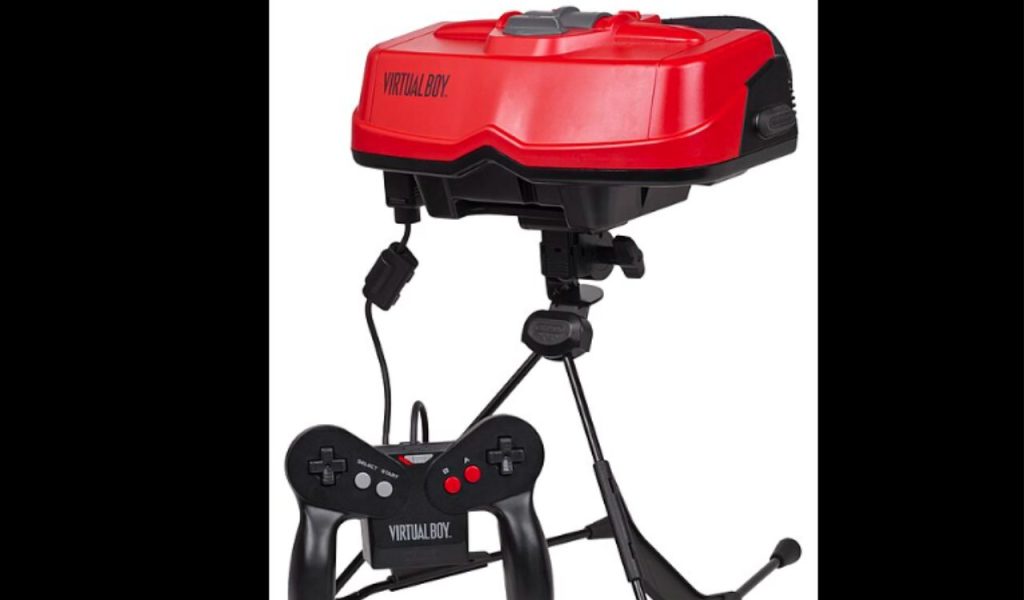
The Virtual Boy remains one of Nintendo’s most unusual creations. Marketed as a portable 3D gaming system, it used a tabletop headset that displayed red-and-black stereoscopic graphics to create the illusion of depth. Although the idea was ambitious, the execution fell short. Many users reported eye strain and headaches after short play sessions. The lack of color graphics and a limited game library further hurt its appeal. Nintendo discontinued the Virtual Boy less than a year after its release, making it one of the company’s rare commercial failures.
3. Atari Jaguar (1993)
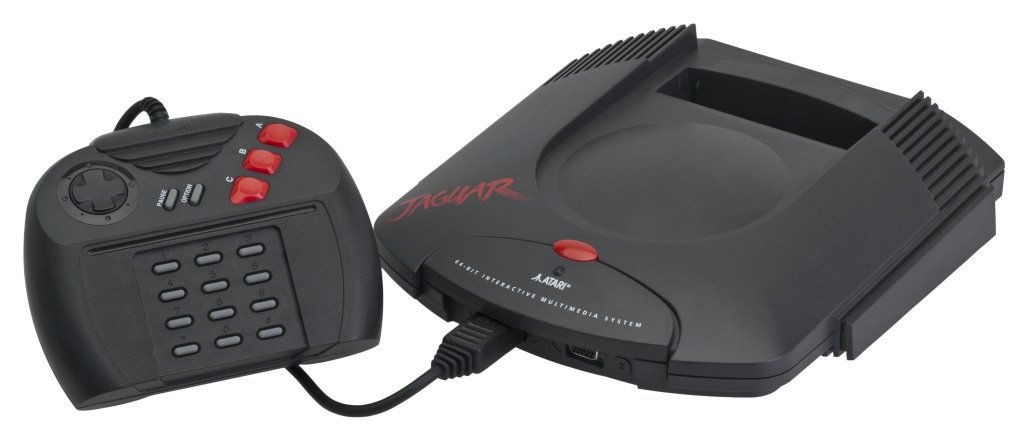
The Atari Jaguar was promoted as the world’s first 64-bit gaming console, a bold claim during the early 1990s. Atari hoped the system would restore its dominance in the gaming industry. However, the Jaguar suffered from a complex hardware architecture that made game development difficult. Its bulky controller, which featured a numeric keypad, confused players and developers alike. Combined with a weak third-party lineup and poor marketing, the console failed to gain traction. The Jaguar ultimately became Atari’s last attempt at producing a major home console.
4. Nokia N-Gage
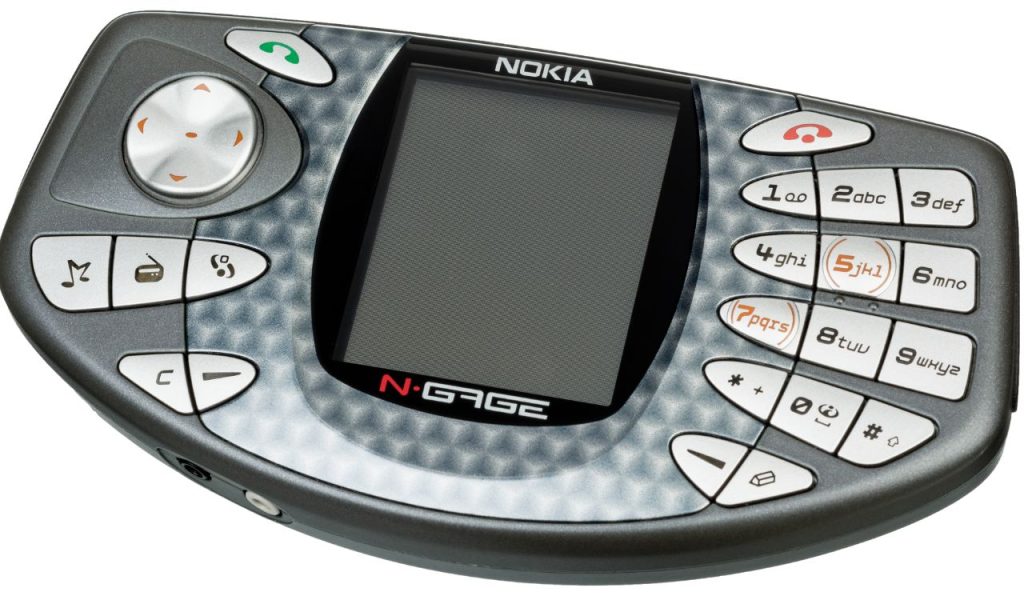
The N-Gage was an ambitious attempt to merge a mobile phone with a handheld gaming device. At a time when smartphones were still in their infancy, Nokia envisioned a hybrid device that could handle calls, messaging, and advanced 3D games. Despite its forward-thinking concept, the N-Gage had several design flaws. Users had to remove the battery to swap game cartridges, and its awkward “side-talking” phone design became a source of internet jokes. Although it featured popular franchises like Tomb Raider, it couldn’t compete with dedicated handheld systems such as the Game Boy Advance.
5. Sega Saturn
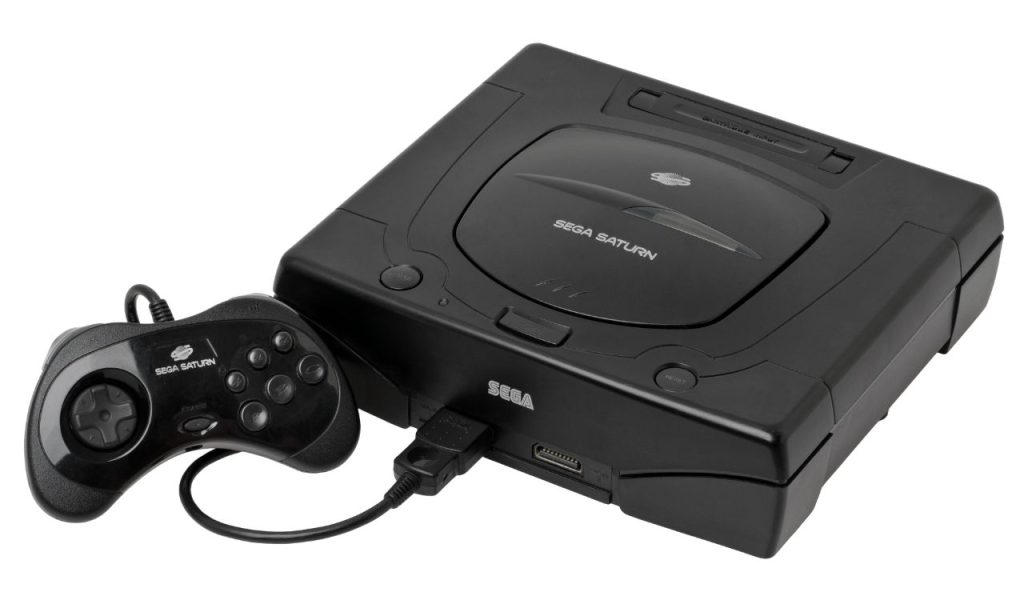
The Sega Saturn was Sega’s follow-up to the successful Genesis. It was technically powerful for its time, especially in handling 2D graphics and arcade-style experiences. In Japan, it performed relatively well thanks to strong local support and arcade conversions. However, the Saturn struggled internationally. Its complex dual-CPU architecture made 3D game development challenging, and its surprise early launch in North America damaged relationships with retailers and developers. Meanwhile, Sony’s PlayStation offered easier development tools and strong third-party support.
6. Ouya
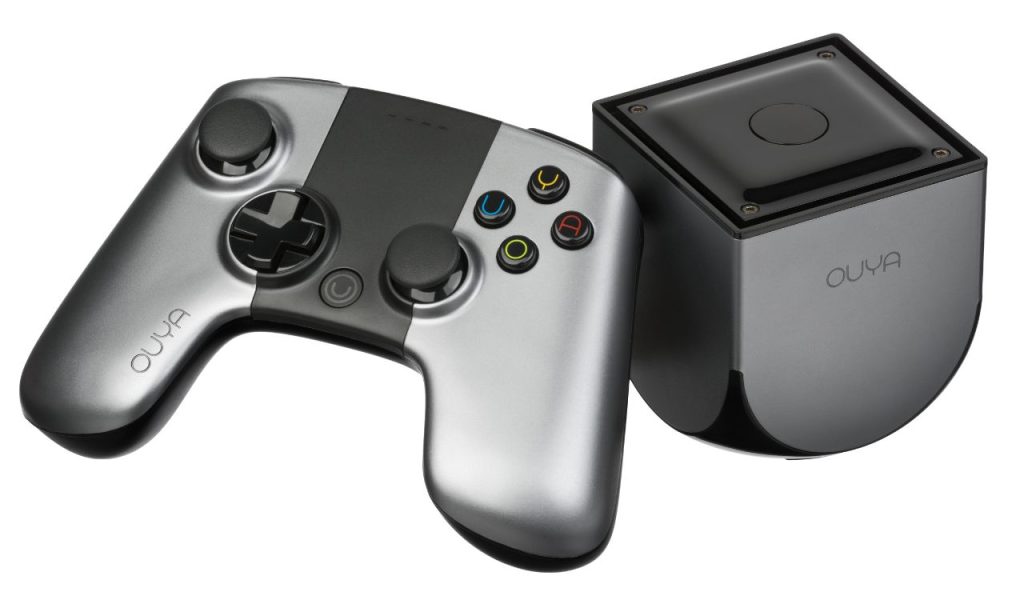
The Ouya began as a highly successful Kickstarter campaign, raising millions of dollars from backers who believed in the vision of an affordable, open Android-based gaming console. Designed to give indie developers a platform for experimentation, Ouya allowed users to download games from an online marketplace. However, most titles felt like mobile ports rather than fully developed console experiences. Performance limitations and a lack of must-have exclusive games hurt its long-term viability. By 2015, the platform was discontinued, becoming a cautionary tale about crowdfunding hype.
7. Philips CD-i
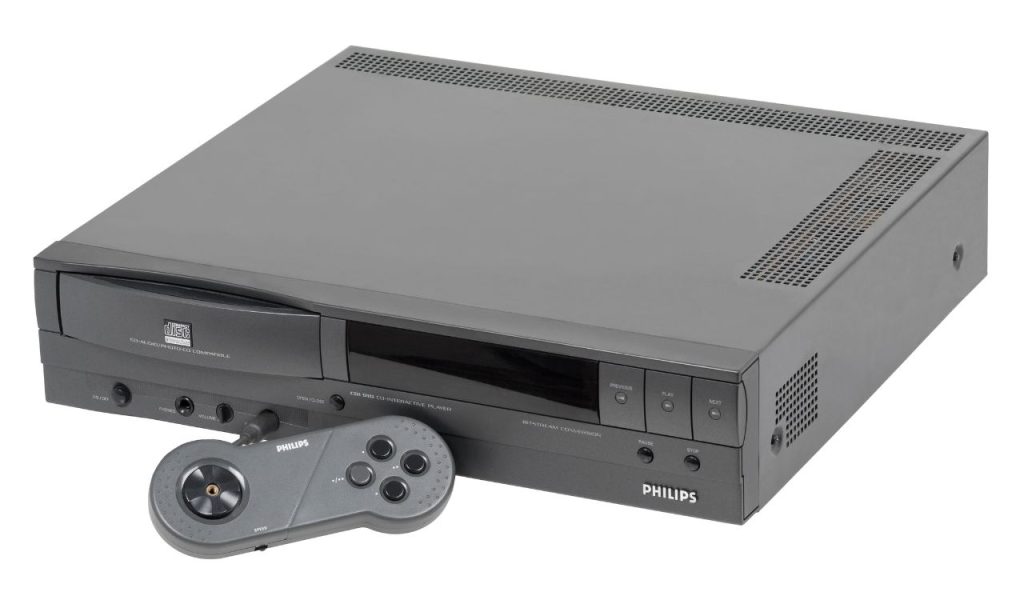
The Philips CD-i was marketed more as a multimedia entertainment system than a traditional game console. It supported interactive CDs, educational software, and even karaoke applications . Despite its advanced CD-based technology for the time, the system was expensive and lacked compelling games. It became infamous for its poorly received Zelda titles, created under a licensing agreement with Nintendo. Weak controls and awkward full-motion video experiences made it more of a curiosity than a serious gaming contender.
8. Gizmondo
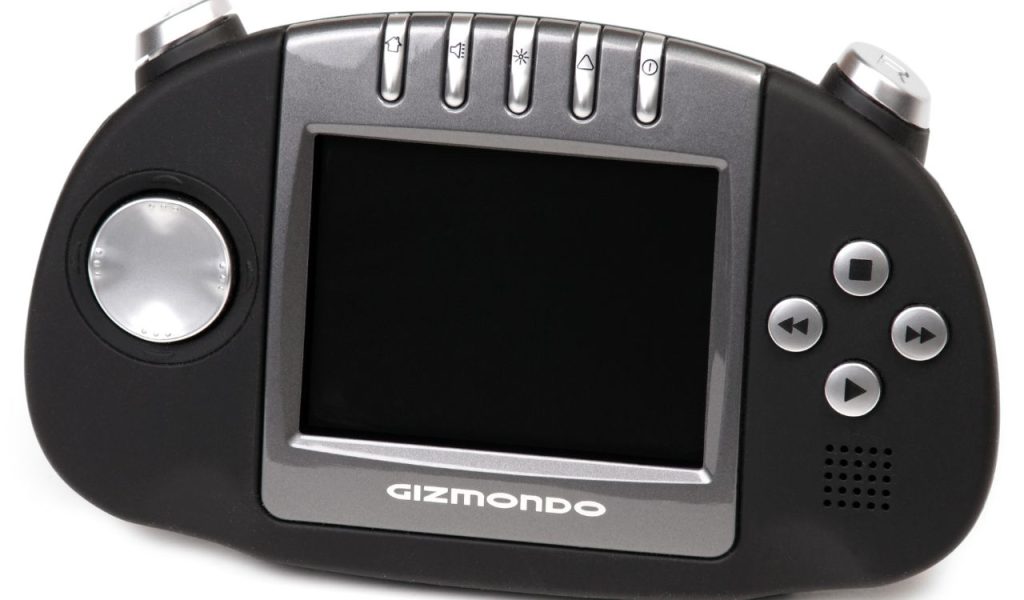
The Gizmondo was a handheld console that promised advanced features like GPS functionality, messaging, and multimedia playback. On paper, it seemed well ahead of competitors. However, the system was plagued by internal corporate problems. Its parent company, Tiger Telematics, became embroiled in financial scandals and legal issues. The device’s limited game library and poor marketing compounded the problem. The Gizmondo was discontinued shortly after launch and remains one of the most dramatic failures in gaming history.
9. Apple Pippin
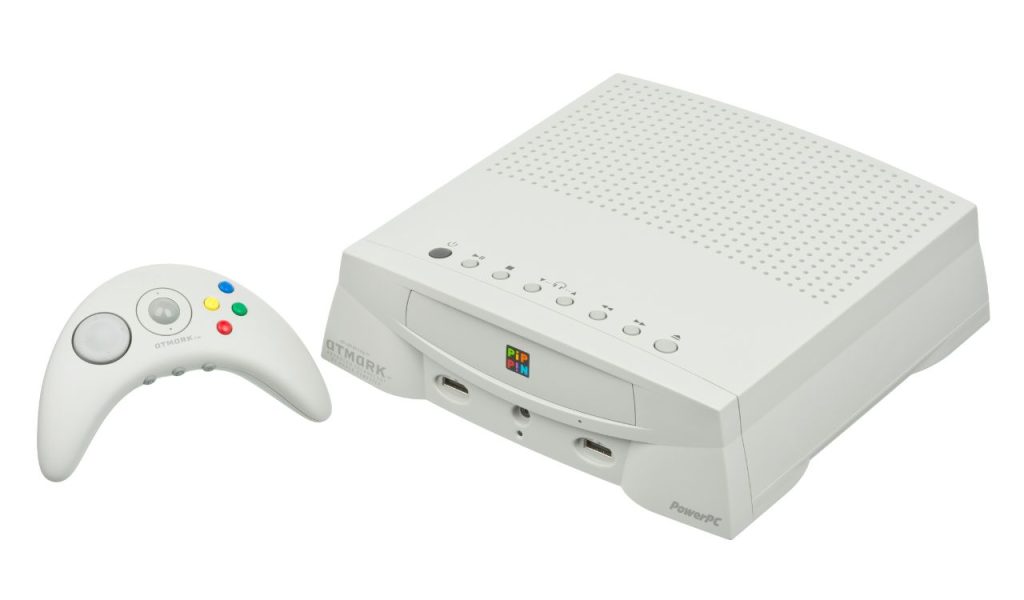
The Apple Pippin, developed in partnership with Bandai, was Apple’s attempt to enter the gaming console market. The system was designed to function as a multimedia device with internet connectivity, which was rare at the time. Unfortunately, the Pippin was priced significantly higher than competing consoles and offered a limited selection of games. It lacked a clear identity, falling somewhere between a computer and a gaming console. Sales were extremely low, and the project was discontinued quickly, marking one of Apple’s least successful ventures.
10. Neo Geo Pocket
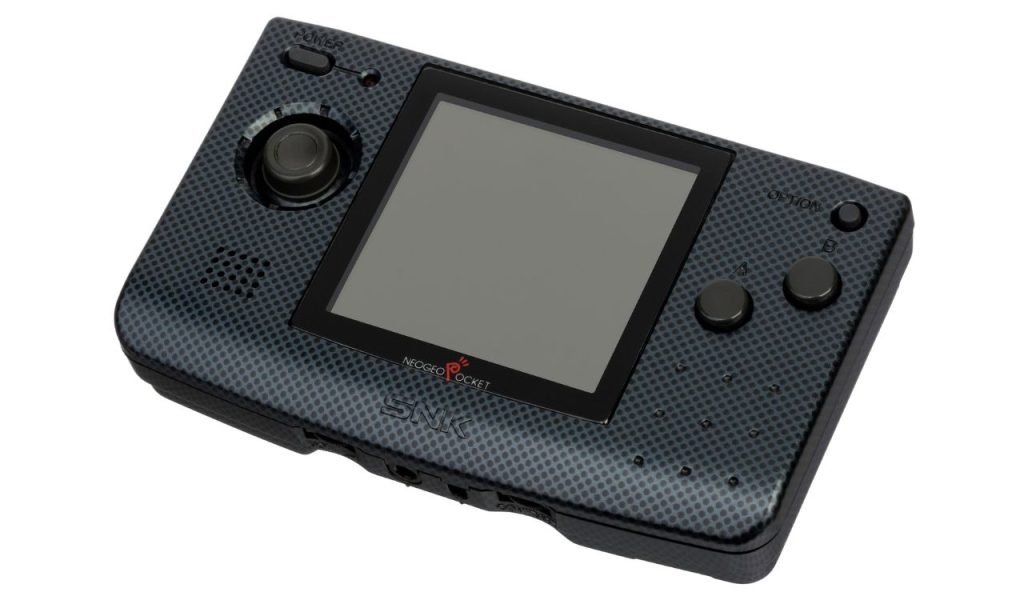
The Neo Geo Pocket was developed by SNK as a competitor in the handheld gaming market. Known for its precise control stick and strong lineup of fighting games, it earned praise from dedicated fans. A later version, the Neo Geo Pocket Color, improved the system with a color screen and expanded game library. However, it faced overwhelming competition from Nintendo’s handheld dominance. Limited marketing and financial struggles at SNK eventually led to its discontinuation. Despite its short lifespan, it remains a cult favorite among retro gaming enthusiasts.