




Long before digital storefronts, battle passes, and online matchmaking dominated the gaming landscape, arcades were the beating heart of the industry. They weren’t just places to play games they were social arenas. Friends gathered around glowing cabinets, strangers competed for high scores, and the sound of buttons clicking blended with electronic music and roaring sound effects. Every quarter carried possibility. Every “Game Over” screen was a challenge to try again. Arcade games were designed differently from modern titles. They were fast, accessible, visually striking, and instantly rewarding. Within seconds, players understood the goal. Within minutes, they were hooked. These games didn’t rely on sprawling narratives or hundred-hour campaigns. Instead, they focused on tight mechanics, replay ability, and the thrill of competition.
1. Time Crisis
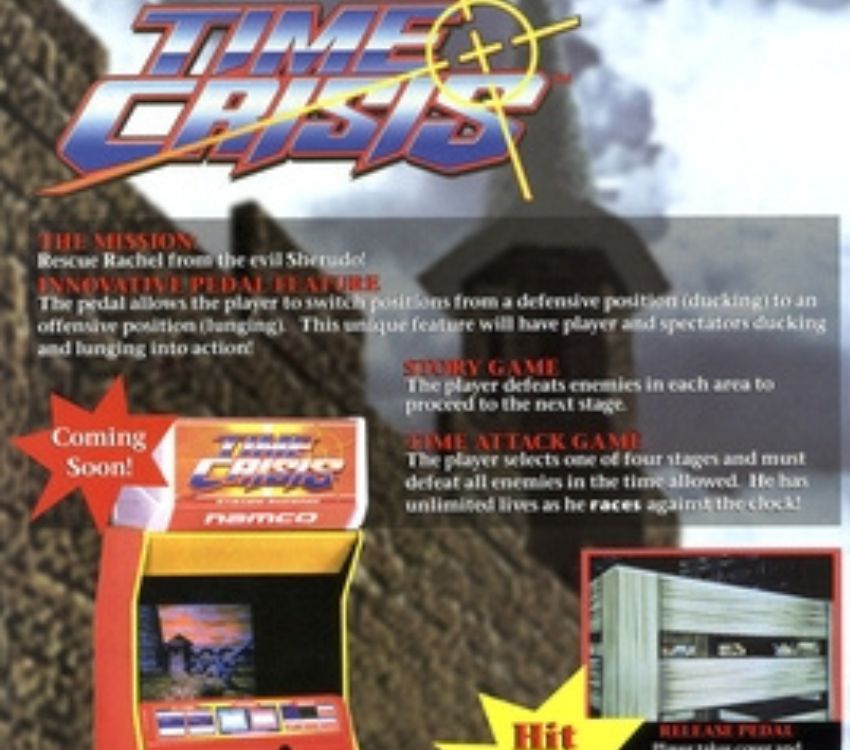
When Time Crisis launched, it revolutionized the light-gun shooter genre. At first glance, it looked like a standard rail shooter: enemies popped up, and players aimed their plastic gun controllers at the screen to eliminate threats. But what made it groundbreaking was its innovative foot pedal mechanic. Players stepped on a pedal to emerge from cover and shoot, then lifted their foot to duck and reload. This small but powerful addition created tension and strategy. You couldn’t simply spray bullets endlessly; you had to manage timing, positioning, and the ever-present countdown clock. The time-limit system added pressure, ensuring that players stayed active rather than hiding behind cover indefinitely.
2. The House of the Dead
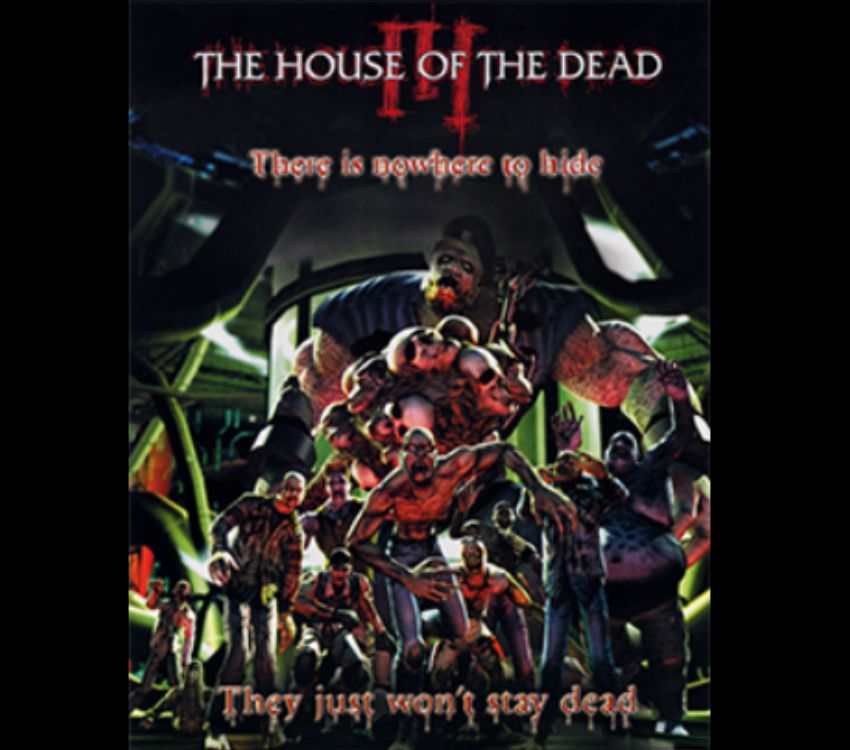
Few arcade titles embraced campy horror as boldly as The House of the Dead. Released by Sega, the game dropped players into a haunted mansion filled with grotesque zombies, mutated creatures, and melodramatic villains. Its over-the-top dialogue and exaggerated acting became iconic, unintentionally humorous, yet unforgettable. What made the game stand out was its branching path system. Player decisions, such as saving or failing to save certain characters, determined which routes the story followed. This encouraged replayability, as each playthrough could unfold differently. Players weren’t just shooting zombies; they were influencing outcomes. The pacing was relentless. Enemies lunged unexpectedly, bosses towered over the screen, and the pressure to react quickly made every session intense.
3. Crazy Taxi
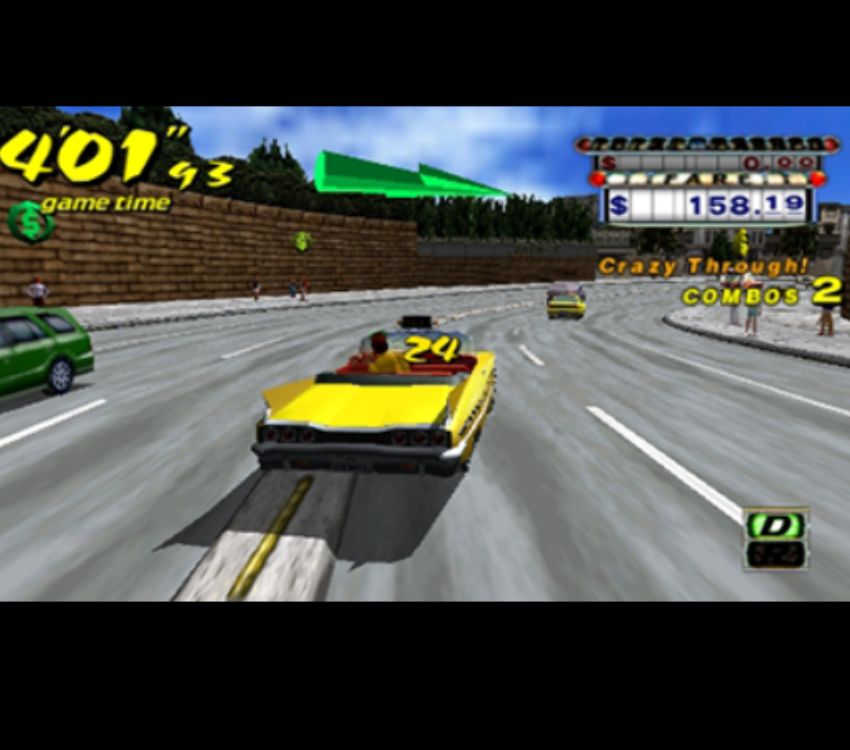
Crazy Taxi captured something rare in gaming: pure, unapologetic chaos. Instead of a realistic driving simulation, it embraced speed, risk, and outrageous stunts. Players picked up passengers and raced across a vibrant city, weaving through traffic, launching off ramps, and discovering shortcuts, all while a ticking clock pushed them forward. The game rewarded boldness. Near misses with other vehicles increased tips. Performing wild jumps and drifts boosted fares. The faster and more creatively you drove, the more successful you became. Its punk-rock soundtrack amplified the energy, making each ride feel like a high-speed adrenaline rush.
4. Gauntlet Legends
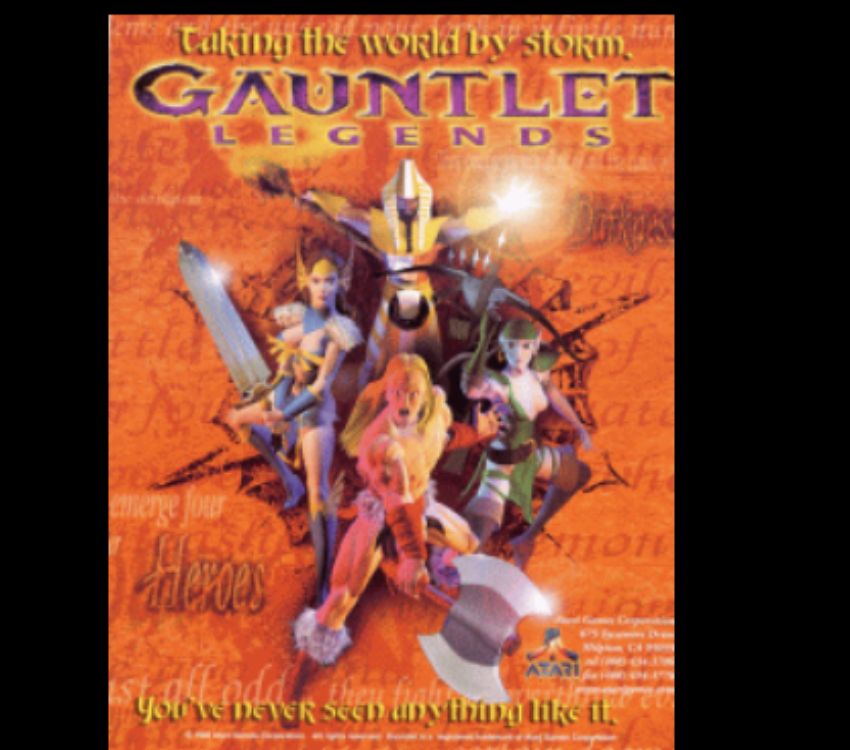
“Wizard needs food badly!” That famous line alone is enough to trigger nostalgia. Gauntlet Legends combined cooperative multiplayer action with dungeon-crawling RPG elements, something rare in arcades at the time. Up to four players could select different character classes, each with unique strengths and abilities. Warriors excelled in close combat, wizards unleashed magical attacks, and other classes added variety to team composition. Cooperation wasn’t optional; it was essential. Players had to work together to survive waves of enemies and defeat massive bosses. What truly set the game apart was its progression system.
5. Daytona USA
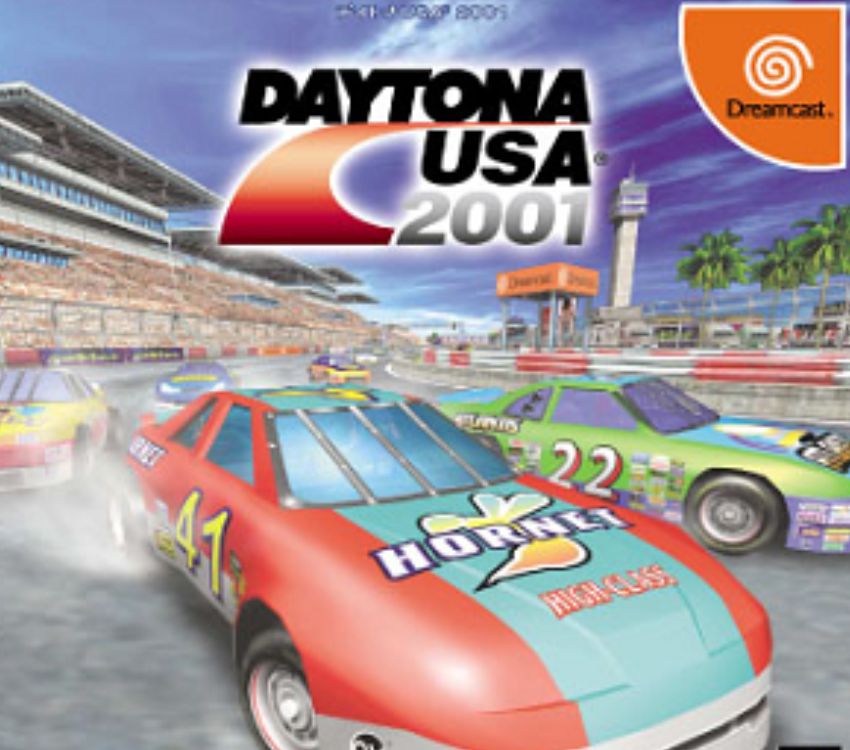
When Daytona USA appeared in arcades, it immediately drew attention. The cabinets were often linked, allowing players to race side by side in thrilling head-to-head competition. The roar of engines and the game’s energetic soundtrack created an unforgettable atmosphere. Unlike simulation-heavy racing games, Daytona USA focused on accessibility and fun. The controls were responsive, drifting around corners felt satisfying, and tracks were designed to keep races exciting without overwhelming players. Its simplicity was its strength. Anyone could jump in and enjoy the ride, yet competitive players could refine their techniques to shave seconds off lap times.
6. X-Men
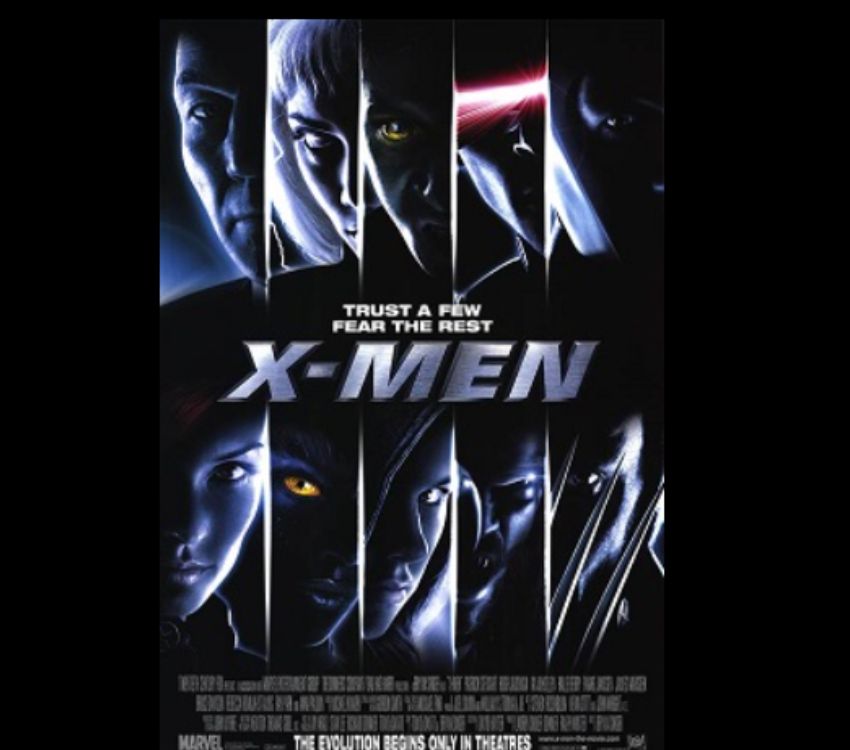
When Konami released X-Men in arcades, it quickly became one of the most eye-catching cabinets on the floor — especially the massive six-player version. Designed as a side-scrolling beat-’em-up, the game allowed players to control fan-favorite mutants, including Wolverine, Cyclops, Storm, Colossus, Nightcrawler, and Dazzler. Seeing six players lined up shoulder-to-shoulder, each unleashing mutant powers simultaneously, was an unforgettable arcade spectacle. The gameplay was straightforward but deeply satisfying. Players moved from left to right, clearing waves of enemies using basic attacks, special moves, and screen-clearing mutant abilities.
7. Marvel vs. Capcom 2
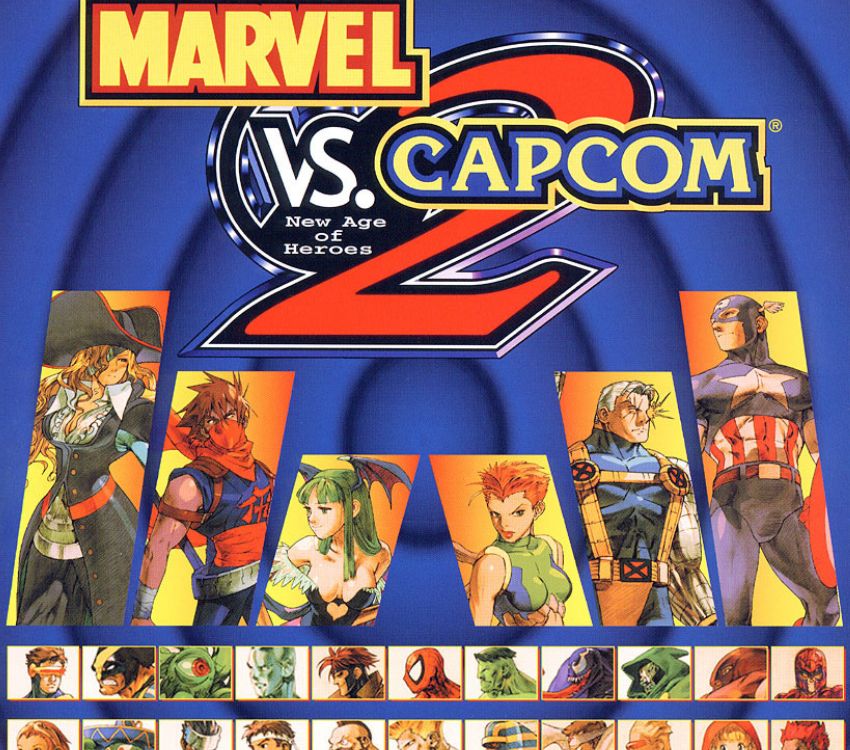
Few fighting games have achieved the legendary status of Marvel vs. Capcom 2: New Age of Heroes. Featuring an enormous roster of characters from both Marvel Comics and Capcom franchises, the game delivered chaotic, high-speed combat that rewarded skill and creativity. Players selected teams of three fighters and could switch between them mid-battle, enabling strategic combos and devastating team attacks. The gameplay was accessible enough for casual players but deep enough for competitive mastery. Advanced players learned intricate combo chains and optimized team synergy, while newcomers could still enjoy flashy special moves.
8. Metal Slug
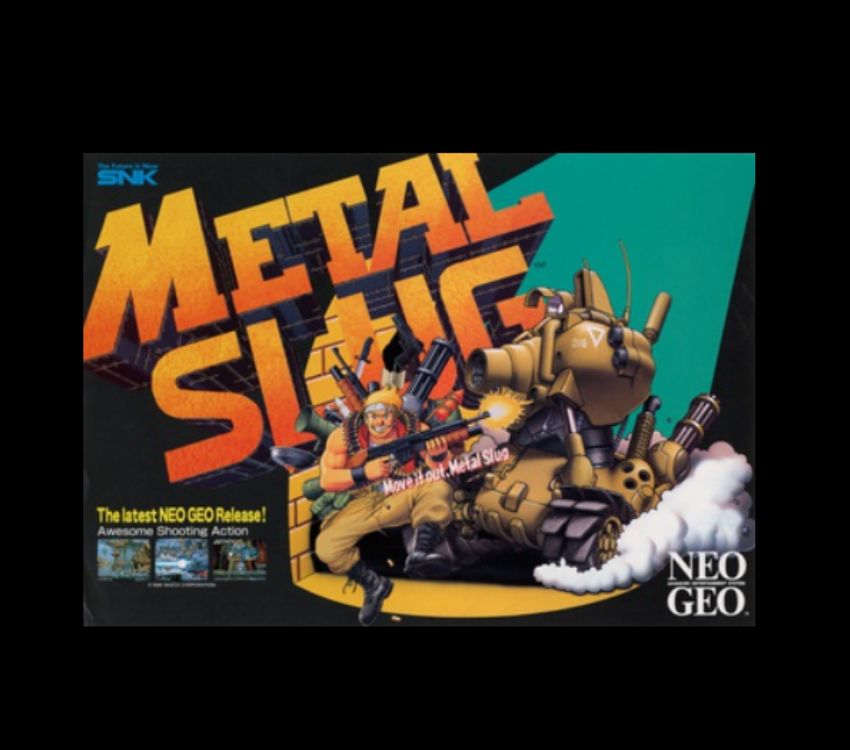
Metal Slug became instantly recognizable thanks to its stunning hand-drawn pixel art and explosive run-and-gun gameplay. Developed by SNK, the game blended humor, intensity, and impeccable animation detail. Every explosion, enemy reaction, and character movement was carefully crafted, giving it a level of polish rarely seen in arcade titles. Players progressed through side-scrolling stages filled with enemy soldiers, armored vehicles, alien creatures, and towering bosses. The action was relentless but fair. Skillful movement, precise shooting, and quick reflexes were essential for survival.
9. After Burner II
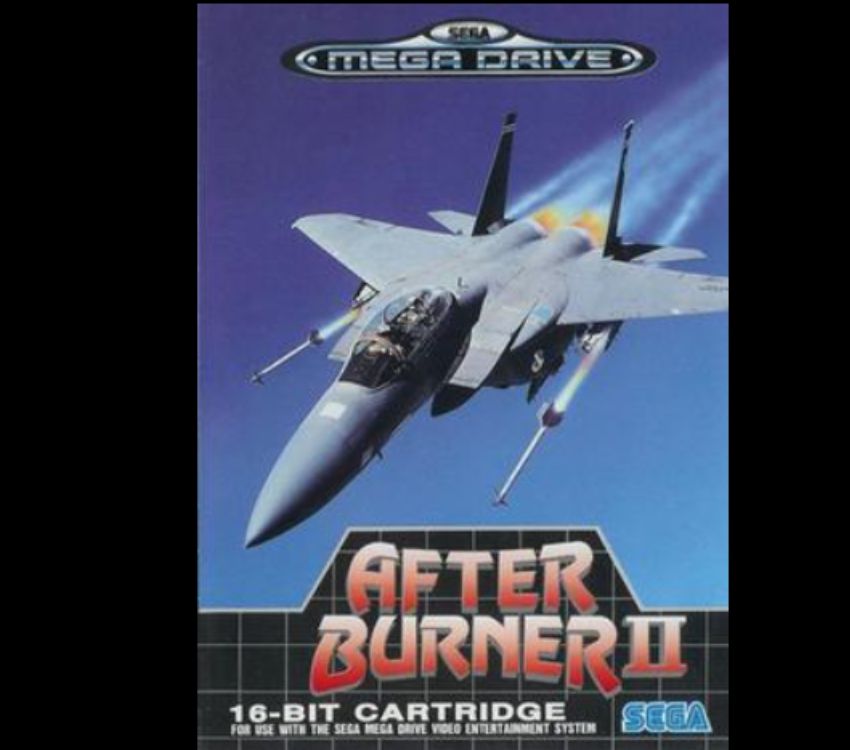
When After Burner II debuted, it redefined what an arcade cabinet could be. Sega’s deluxe versions featured motion-simulating cockpits that tilted and rocked in sync with on-screen jet maneuvers. It wasn’t just about playing a game — it was about physically experiencing it. The gameplay focused on high-speed aerial combat. Players piloted a fighter jet through enemy formations, launching missiles, dodging incoming fire, and navigating through intense dogfights. The pacing was relentless, with little downtime between encounters. The sensation of speed, amplified by scaling visuals and dramatic music, made every mission feel exhilarating. Realism wasn’t the goal; adrenaline was.
10. Rampage World Tour
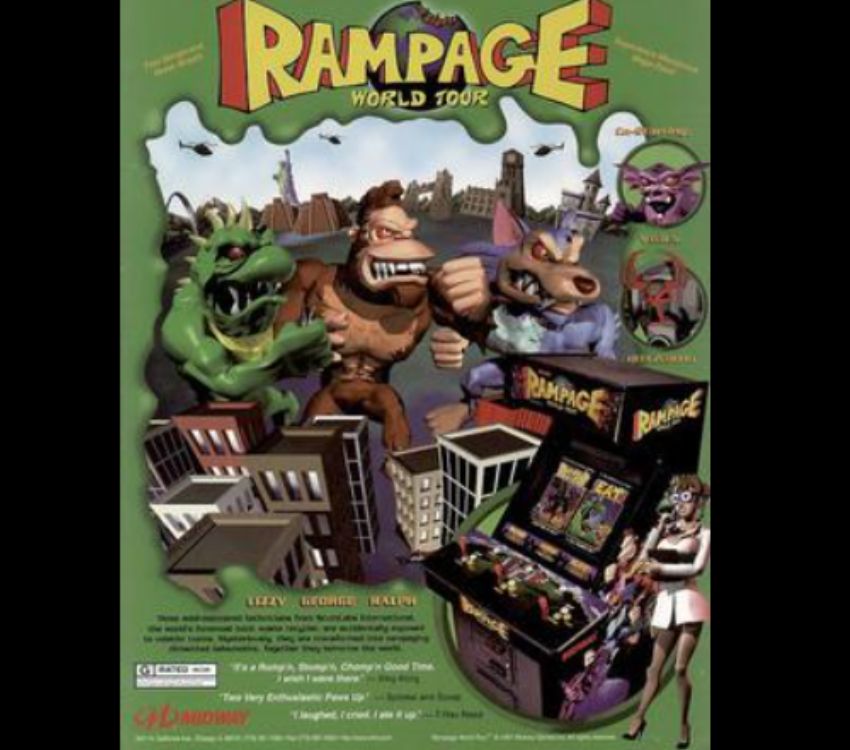
Sometimes, the simplest concepts are the most enduring. Rampage World Tour invited players to step into the role of giant monsters and destroy cities one building at a time. Skyscrapers crumbled, military forces attacked, and chaos reigned as players competed to cause the most destruction. Unlike many arcade games that focused on saving the world, Rampage embraced mayhem. Players controlled creatures like George the giant ape, Lizzie the reptilian beast, and Ralph the wolf-like monster. Cooperative play allowed multiple players to rampage together, though friendly competition often emerged as each player tried to out-destroy the others.
11. NBA Jam
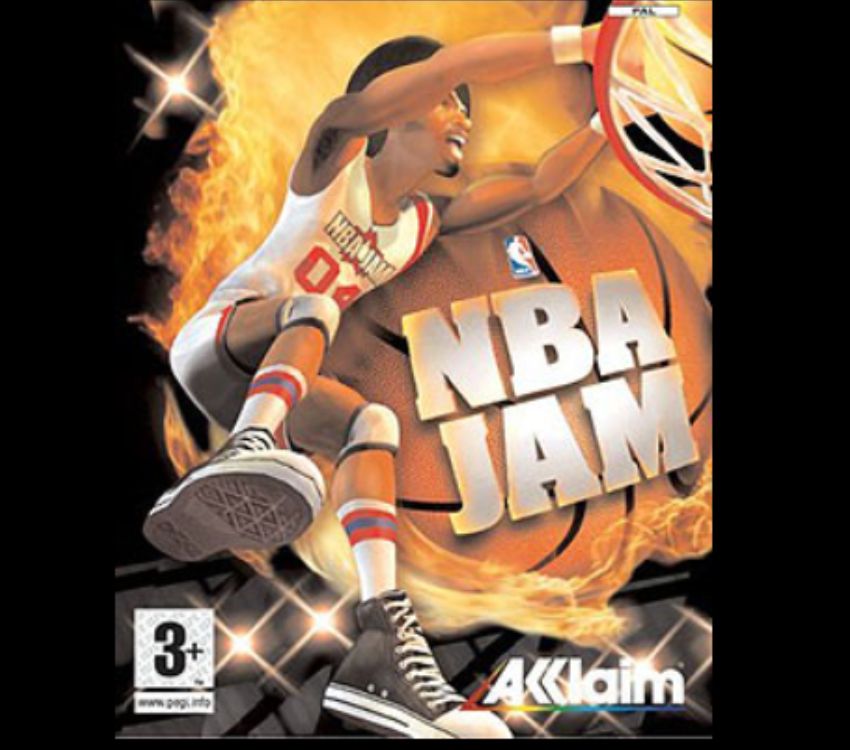
Few sports games have ever captured the spirit of arcade gaming quite like NBA Jam. Released by Midway in the early 1990s, it threw realism out the window and replaced it with flaming basketballs, gravity-defying slam dunks, and one of the most iconic phrases in gaming history: “He’s on fire!”Unlike simulation-heavy basketball titles that focused on strategy and authenticity, NBA Jam was built for instant fun. It featured fast-paced two-on-two matches, simplified controls, and exaggerated animations that made every dunk feel like a highlight-reel moment. Players could shove opponents, leap impossibly high into the air, and sink half-court shots with ease. It was competitive, chaotic, and wildly entertaining.
12. Star Wars Trilogy Arcade
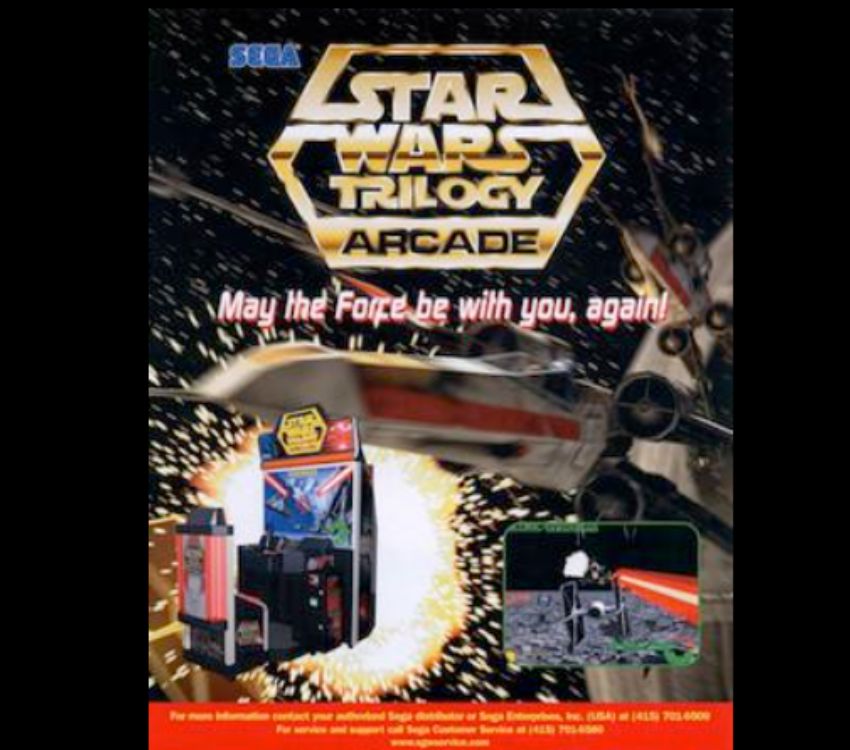
Few arcade games delivered cinematic immersion like Star Wars Trilogy Arcade. Developed by Sega, it allowed players to relive iconic moments from the original Star Wars trilogy in a fully interactive format. From piloting an X-wing during the Death Star trench run to racing through Endor on a speeder bike, the game captured the fantasy of stepping directly into the films. One of its most memorable features was the lightsaber duel mode. Using arcade controls, players faced off against Darth Vader in dramatic one-on-one combat. Combined with booming sound effects and John Williams’ legendary score, the experience felt grand and theatrical, exactly what fans hoped for from a Star Wars arcade cabinet.