


The video game industry evolves at a breathtaking pace. New titles launch every week, graphics become more realistic, and online worlds grow larger and more ambitious. But there’s a downside to this rapid progress: not every game survives the passage of time. Unlike classic single-player titles that can be preserved on cartridges or discs, many modern games rely entirely on online servers, licensed content, and ongoing publisher support. Once that support disappears, so does the game. Over the past two decades, the rise of live-service games, massively multiplayer online worlds, and digital-only releases has changed how we experience gaming.
1. P.T. (2014)

When P.T. launched quietly on the PlayStation Store in 2014, few people realized they were downloading a piece of gaming history. Presented as a short, mysterious horror experience, the demo gradually revealed itself to be a teaser for a new Silent Hills project led by Hideo Kojima in collaboration with filmmaker Guillermo del Toro and published by Konami. The experience was deceptively simple: players walked through a looping hallway inside a suburban home. Yet each repetition introduced subtle changes, disturbing sounds, cryptic messages, and the terrifying presence of Lisa, a ghostly figure who became instantly iconic. The psychological horror and hidden puzzles sparked viral discussion across forums and YouTube.
2. Club Penguin

For millions of children growing up in the 2000s, Club Penguin was more than a game—it was a social hub. Originally created by New Horizon Interactive and later acquired by Disney, the game allowed players to control cartoon penguins in a snowy online world filled with mini-games, themed parties, and safe chat features. Players could decorate igloos, adopt virtual pets called Puffles, and participate in seasonal events that transformed the entire map. The sense of community was strong, and many players formed their first online friendships within its colorful world.
3. Marvel Heroes
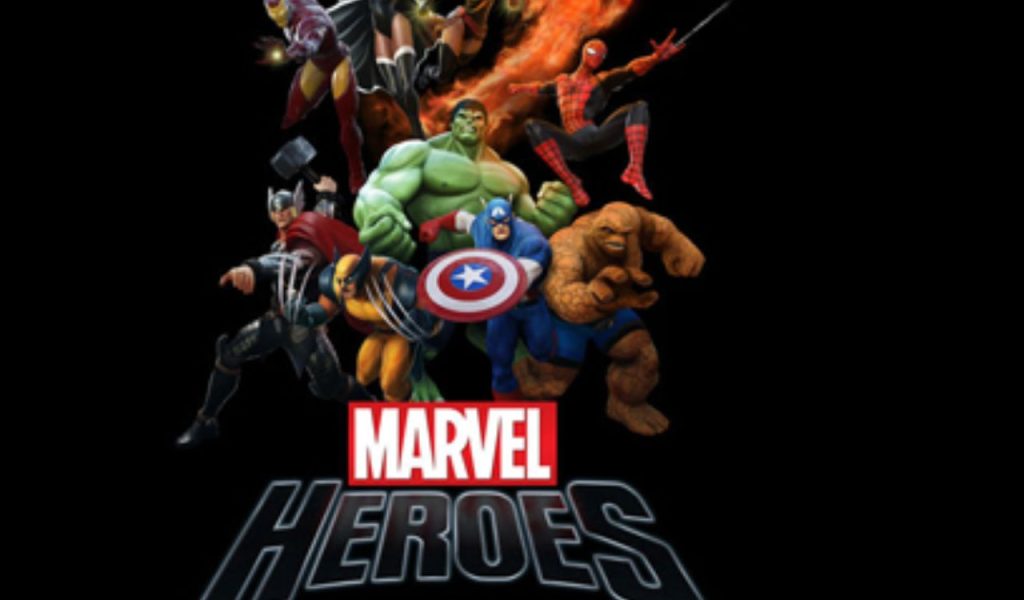
Marvel Heroes brought together the addictive loot-based gameplay of action RPGs with the massive appeal of Marvel’s superhero universe. Players could choose from a wide roster of iconic characters and battle through story-driven missions inspired by comic book arcs. Developed by Gazillion Entertainment, the game attracted a dedicated community and frequently added new heroes and content updates. It stood out for allowing players to directly control characters like Iron Man, Spider-Man, and Thor in cooperative online missions. Despite its strong foundation, the game faced corporate and financial troubles. In 2017, following controversy surrounding company leadership and declining revenue, servers were abruptly shut down.
4. LawBreakers
Created by veteran designer Cliff Bleszinski, LawBreakers aimed to carve out a space in the competitive multiplayer shooter market. Its standout feature was gravity-defying combat, with arenas designed for vertical movement and fast-paced action. Critics generally praised the tight gameplay mechanics and skill-based gunplay. However, launching in a market dominated by hero shooters and battle royale games proved difficult. Despite positive feedback from those who played it, the player base never reached sustainable levels. By 2018, the servers were shut down permanently. Since the game had no offline mode, it became entirely unplayable, an example of how even well-designed games can fail to survive in an overcrowded industry.
5. Battlefield Heroes
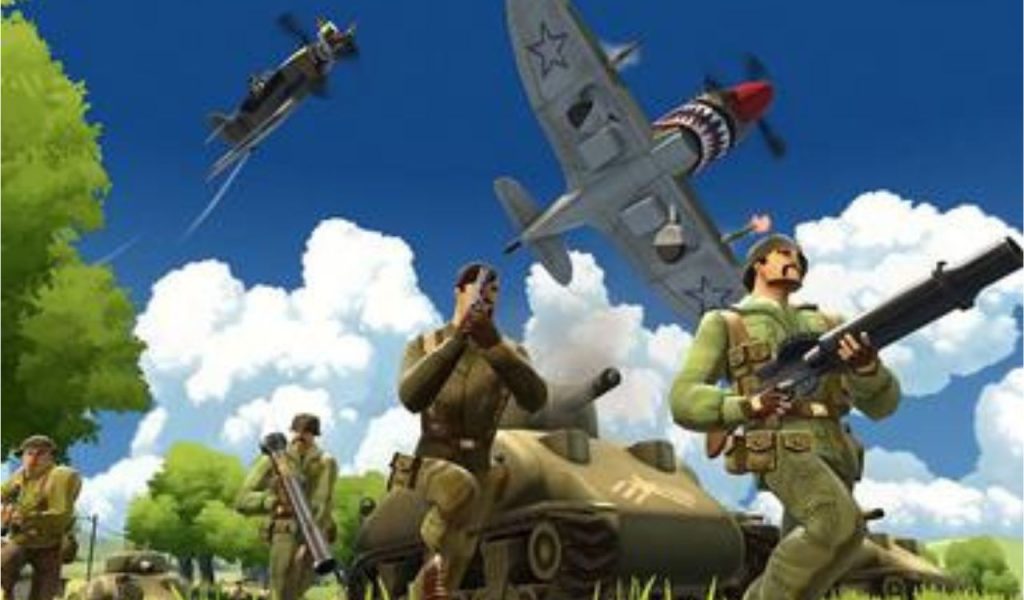
A spin-off of the long-running Battlefield franchise, Battlefield Heroes adopted a colorful, cartoon-inspired art style that differed from the main series’ realistic tone. Published by Electronic Arts, it was one of EA’s early experiments with free-to-play gaming. The game emphasized accessible gameplay, character customization, and microtransactions. It attracted millions of registered users during its peak and became a gateway into online shooters for younger audiences. However, as the free-to-play market evolved and revenue declined, EA shut down the servers in 2015. With no offline component available, the game disappeared entirely, preserved only through gameplay footage and fan memories.
6. Star Wars Galaxies
Before modern online Star Wars titles, Star Wars Galaxies offered players an expansive, sandbox-style experience set in the beloved sci-fi universe. Developed by Sony Online Entertainment, the game allowed players to explore planets, join factions, craft items, and even build player-driven economies. Unlike many MMORPGs, it emphasized player freedom. Not everyone was a hero; players could become entertainers, merchants, or politicians within the game’s living world. Its ambitious design created a passionate community.
7. Babylon’s Fall
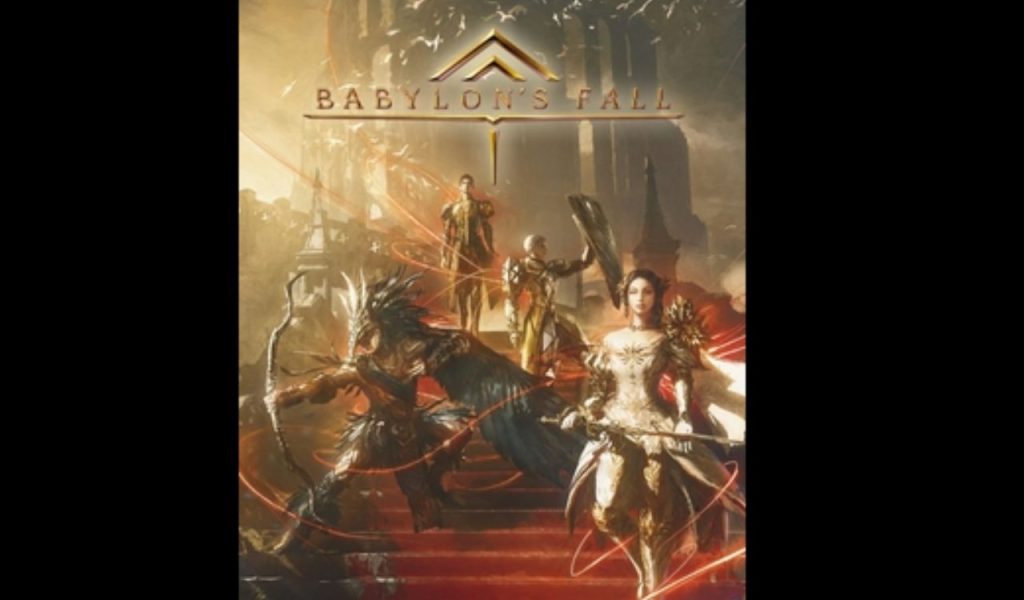
Developed by PlatinumGames and published by Square Enix, Babylon’s Fall was designed as a live-service action RPG with cooperative multiplayer combat. However, the game struggled critically from launch. Players criticized its repetitive gameplay loop and visual presentation. Within months, its active player count dropped dramatically. In a rare and dramatic move, the publishers announced the game’s shutdown less than a year after release. Servers closed in 2023, making it one of the shortest-lived major live-service games. Even players who purchased it at full price lost access entirely.
8. Paragon
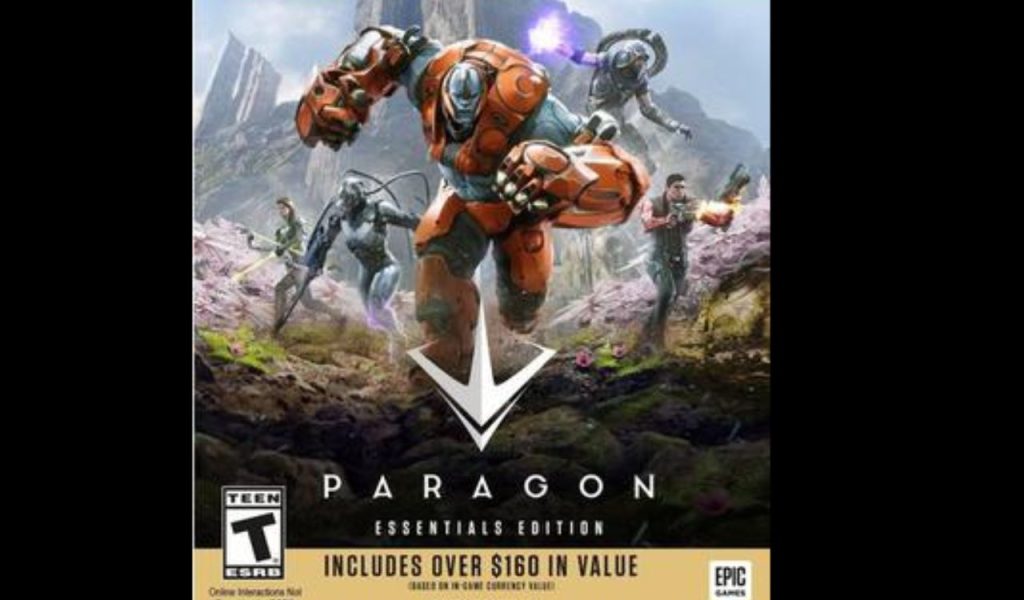
Developed by Epic Games, Paragon was a visually impressive multiplayer online battle arena that used Unreal Engine technology to create highly detailed characters and environments. The game blended third-person action with traditional MOBA strategy, offering a unique perspective compared to genre competitors. It built a dedicated community and received steady updates during its lifespan. However, when Fortnite became a global phenomenon, Epic shifted its development resources. In 2018, Paragon servers were shut down. Although Epic released the game’s assets publicly for other developers to use, the original experience itself ceased to exist.