




In the video game industry, critical reception and commercial success don’t always go hand in hand. While review scores from major outlets and aggregate sites often influence public perception, they are not the sole factor that determines whether a game will succeed financially. Strong brand recognition, massive marketing campaigns, loyal fanbases, pre-release hype, and even controversy can all drive millions of players to purchase a title regardless of what critics say. Over the years, several high-profile games have launched to mixed or outright negative reviews, only to go on to achieve impressive sales figures.
1. Call of Duty: Ghosts
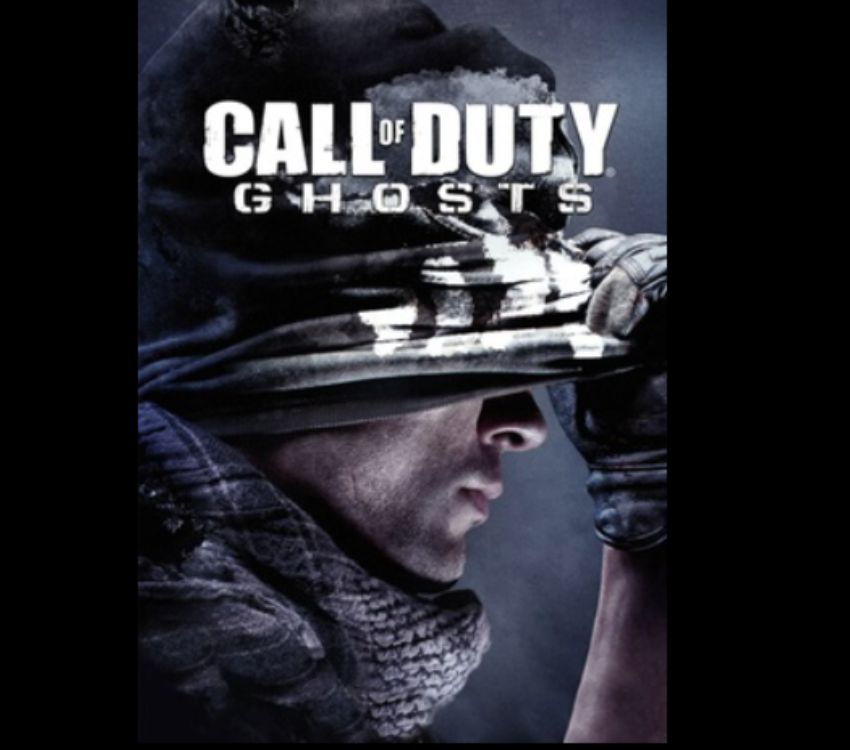
When Call of Duty: Ghosts launched, critics argued that the franchise was beginning to show signs of fatigue. Reviews frequently mentioned a lack of innovation, a predictable campaign, and multiplayer systems that felt overly familiar. Some also criticized the new game engine for not delivering the visual leap many players expected on next-generation consoles. Despite the lukewarm critical reception, Ghosts became one of the best-selling games of 2013. The Call of Duty name alone carried enormous weight, and millions of players were already deeply invested in its competitive multiplayer ecosystem. For many fans, annual releases were a tradition rather than a decision based on reviews.
2. Pokémon Sword and Shield
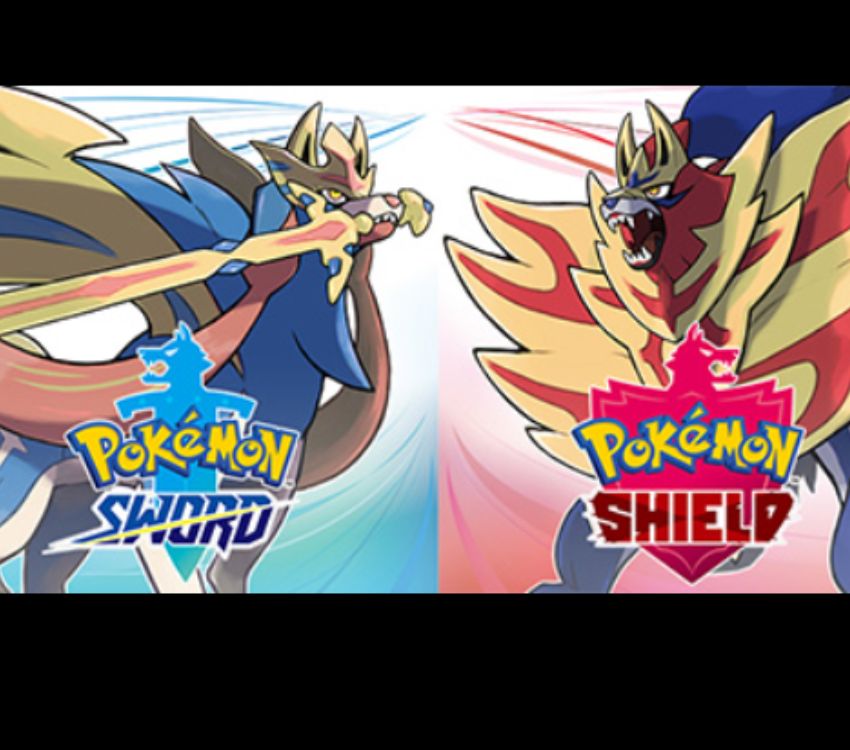
Before release, Pokémon Sword and Shield faced significant backlash from fans over the removal of many Pokémon from the National Pokédex, a controversy often referred to as “Dexit.” Critics also pointed out technical shortcomings, inconsistent graphics, and a lack of depth compared to other modern RPGs.Yet none of this prevented the game from becoming one of the fastest-selling Nintendo Switch titles ever. The Pokémon franchise has a multi-generational audience, and for many players, the opportunity to experience a new mainline entry on a home console was irresistible.
3. Final Fantasy XV
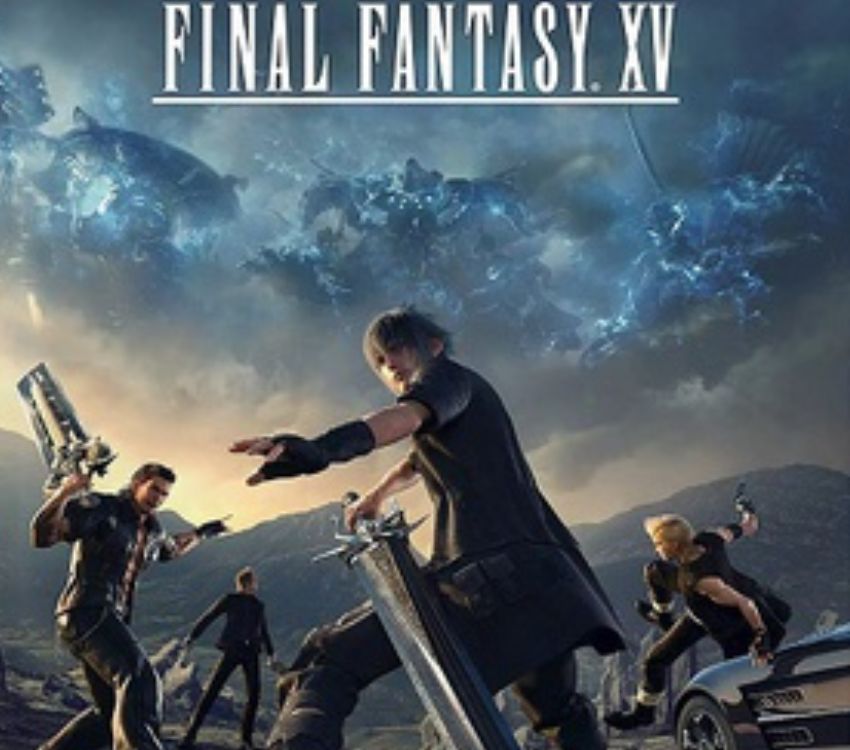
Final Fantasy XV endured a famously troubled development cycle that spanned nearly a decade. Upon release, critics praised its visuals and emotional moments but criticized its fragmented storytelling and uneven pacing. Many players felt the narrative was incomplete, with important story elements split across DLC and other media. Nevertheless, the anticipation built over ten years translated into enormous launch-day sales. Longtime fans of the franchise were eager to see the next evolution of the beloved RPG series. Marketing campaigns, animated tie-ins, and cinematic trailers generated immense excitement.
4. Resident Evil 6
With Resident Evil 6, Capcom leaned heavily into action gameplay, moving further away from the survival horror roots that defined the franchise. Critics cited a bloated campaign structure, inconsistent tone, and an identity crisis between horror and blockbuster action. Despite these issues, the game sold millions of copies shortly after launch. The Resident Evil name carried significant credibility, and the promise of multiple intertwining campaigns featuring fan-favorite characters attracted longtime fans. Marketing emphasized scale and cinematic spectacle, which appealed to a broad audience—even if critics found the experience unfocused.
5. No Man’s Sky
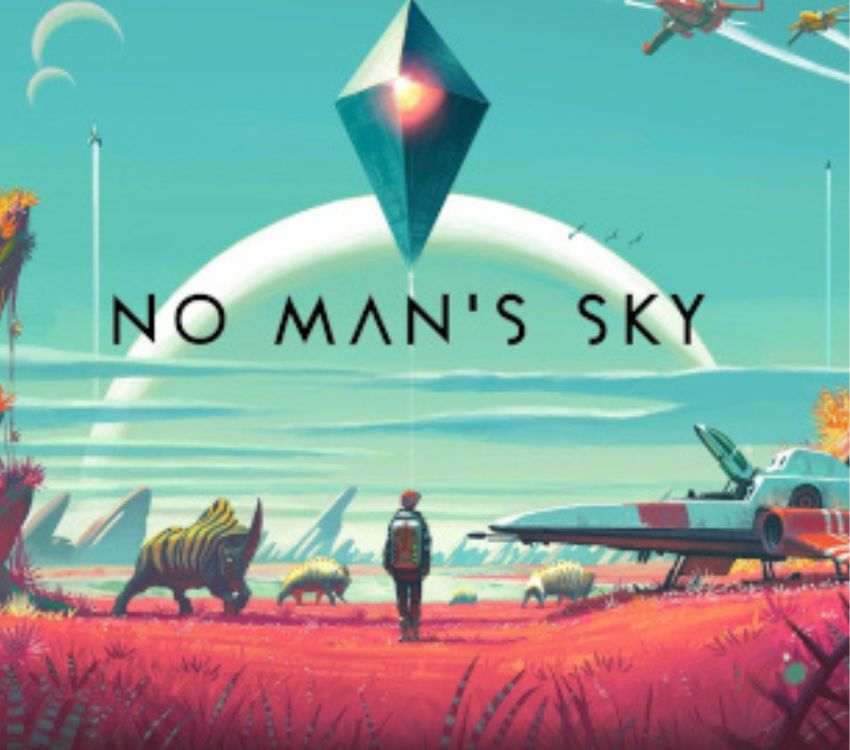
Few games launched with as much hype as No Man’s Sky. Promoted as a near-infinite universe filled with exploration, multiplayer interactions, and boundless freedom, expectations were sky-high. When the game was released, many players and critics felt key features were missing, and the experience was far more limited than advertised. Even so, the pre-release excitement translated into millions of copies sold within weeks. The concept of procedurally generated galaxies and seamless space travel captured players’ imaginations. Although the initial reception was rocky, strong launch sales demonstrated how powerful marketing can be.
6. Anthem
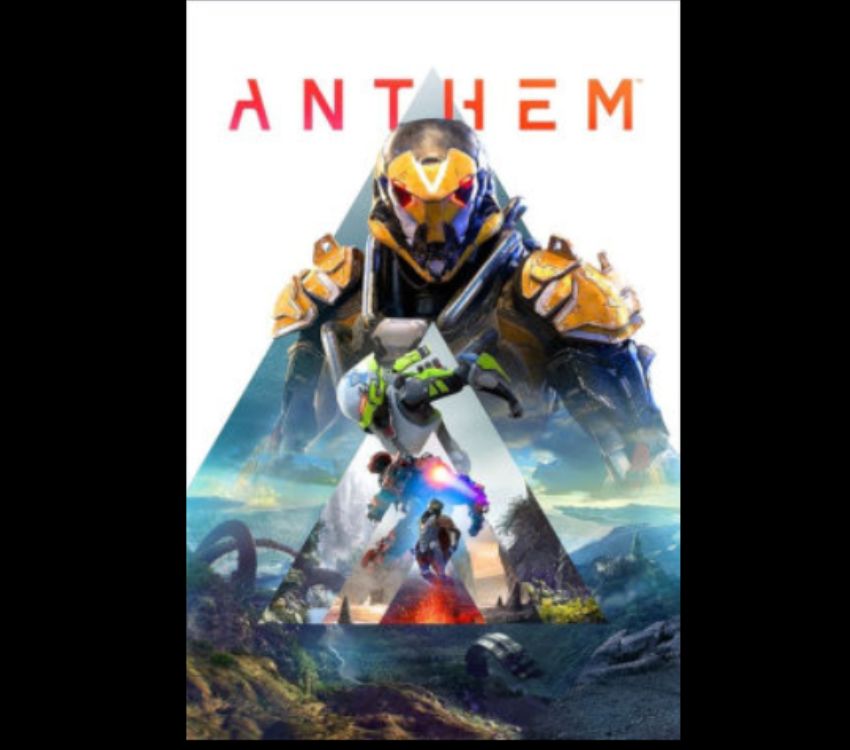
Developed by BioWare, Anthem was marketed as a groundbreaking online action RPG with dynamic flying mechanics and cooperative gameplay. Trailers showcased stunning visuals and high-energy combat. However, critics and players quickly pointed out repetitive mission design, shallow content, and technical issues at launch. Despite this, the game achieved strong initial sales. BioWare’s reputation from previous hits like Mass Effect and Dragon Age generated trust among fans. Many players were willing to give the studio the benefit of the doubt. Combined with an aggressive marketing campaign and impressive pre-release demos, Anthem secured millions of purchases before negative word-of-mouth slowed momentum.
7. Aliens: Colonial Marines
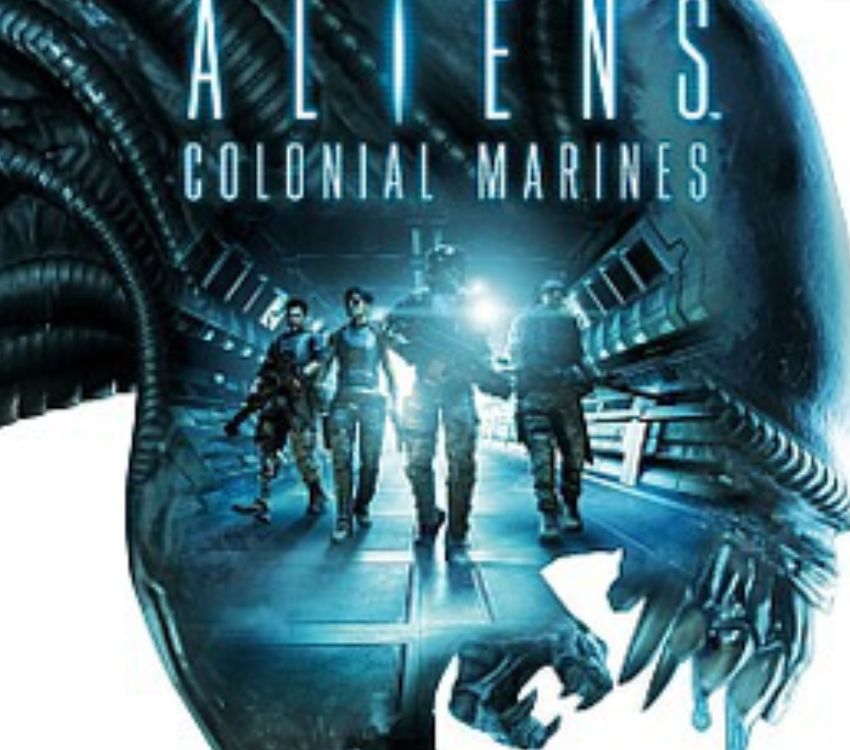
Tied to the iconic Alien film franchise, Aliens: Colonial Marines promised an authentic continuation of the cinematic universe. Early demonstrations suggested intense horror and advanced enemy AI. However, the final product was widely criticized for poor artificial intelligence, technical glitches, and graphics that did not match pre-release footage. Even with harsh reviews, the recognizable Alien brand drove strong launch sales. Fans of the films were eager for a true sequel in video game form. Pre-orders had already accumulated before reviews surfaced, demonstrating how brand recognition and anticipation can overshadow critical evaluation.
8. Sonic the Hedgehog
Often referred to simply as Sonic ’06, this reboot aimed to modernize the beloved blue hedgehog for the Xbox 360 and PlayStation 3 era. Unfortunately, it became infamous for game-breaking bugs, awkward loading times, and inconsistent controls. Critics were overwhelmingly negative. Yet the power of the Sonic brand and excitement surrounding new-generation consoles helped the game surpass two million copies sold. For many fans, nostalgia and curiosity were enough to justify a purchase even if the execution ultimately disappointed.
9. The Order: 1886
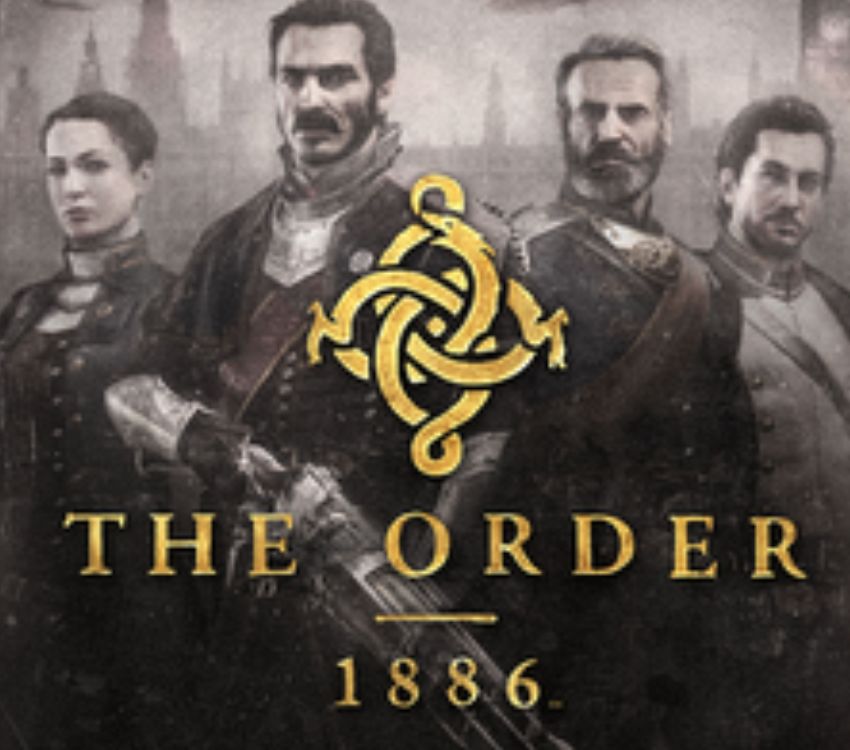
The Order: 1886 impressed players visually with its cinematic presentation, detailed character models, and atmospheric Victorian setting. However, critics heavily criticized its short runtime, limited gameplay variety, and overreliance on quick-time events. Despite mixed-to-negative reviews, it sold well during its launch window. As a PlayStation 4 exclusive released during the console’s early lifecycle, it benefited from a relatively small library of high-profile titles. Many players were drawn in by its movie-like presentation and next-gen visuals.
10. SimCity
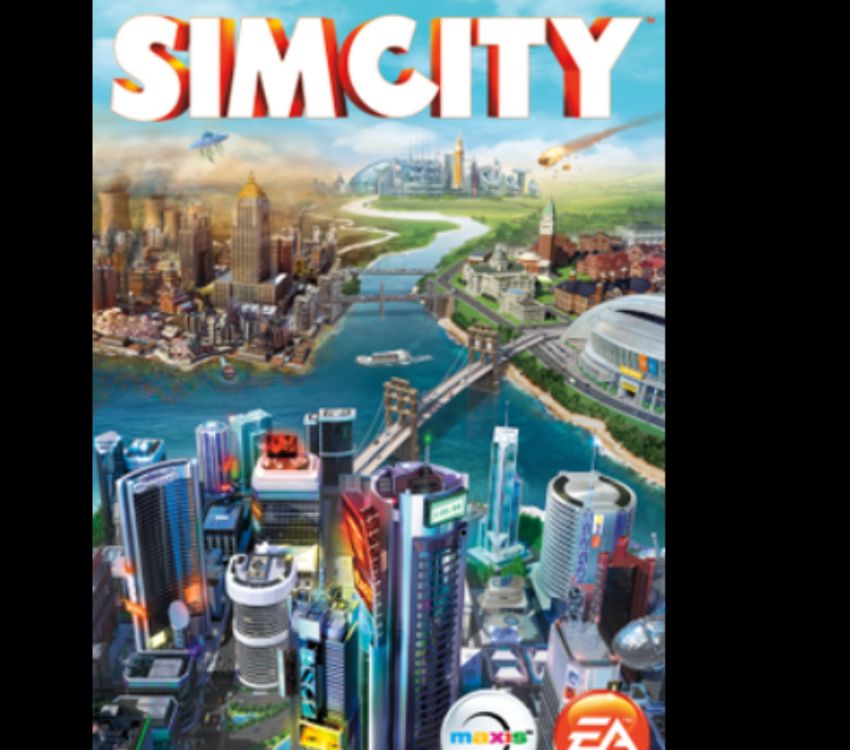
The 2013 reboot of SimCity generated enormous anticipation among fans of city-building simulators. However, its mandatory always-online requirement led to severe server issues at launch. Players struggled to access the game they had purchased, and critics responded harshly. Even with widespread backlash, early sales were strong. The SimCity name carried decades of trust and nostalgia. Many fans pre-ordered based on past experiences with the franchise. Although the launch problems damaged long-term goodwill, initial commercial performance remained impressive.