

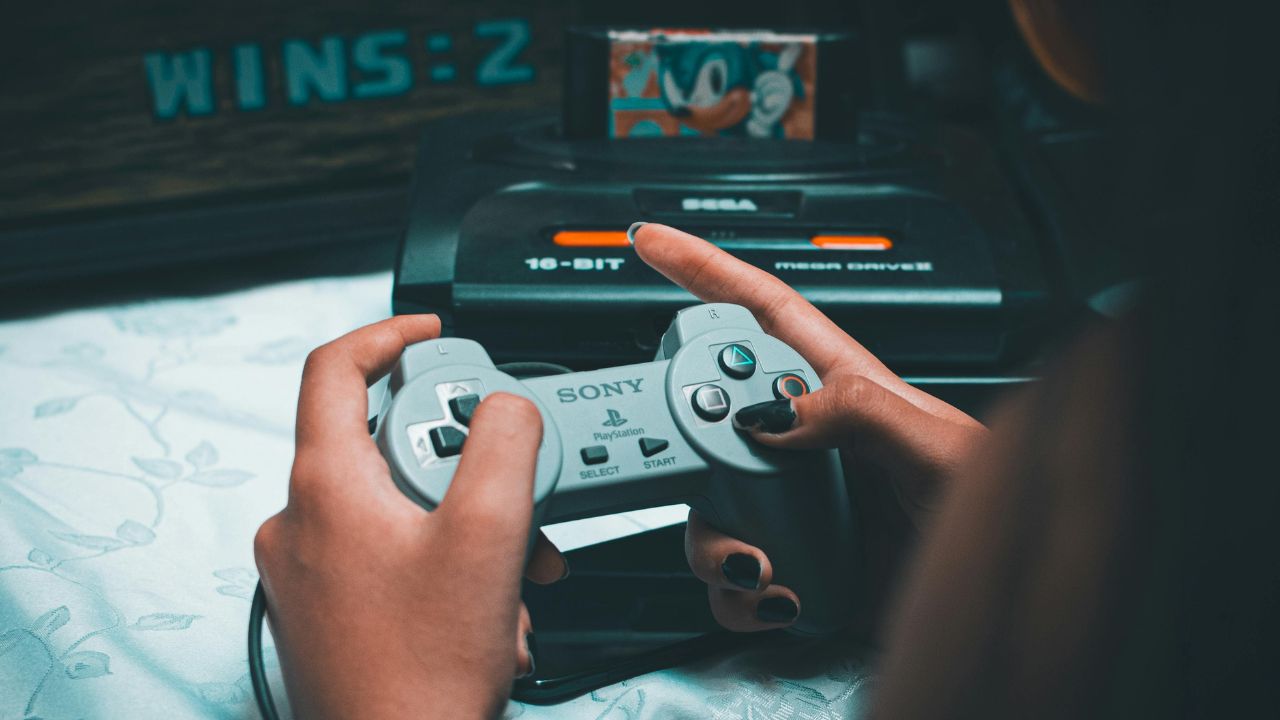

Retro gaming has evolved from a niche hobby into a full-blown cultural movement. What was once considered “outdated” hardware is now celebrated for its creativity, charm, and influence on modern game design. While today’s consoles boast ultra-realistic graphics, online ecosystems, and massive open worlds, many classic systems still deliver something special: tight gameplay, unforgettable soundtracks, and experiences built around pure fun rather than technical spectacle. Owning a retro console isn’t just about nostalgia. It’s about preserving a piece of gaming history.
1. Nintendo Entertainment System
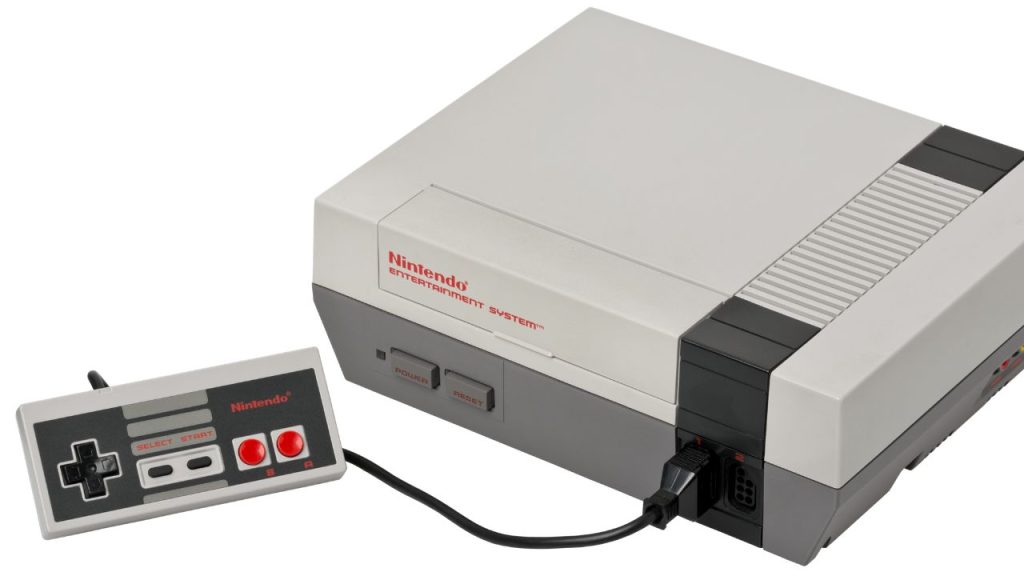
Released in 1985 in North America, the NES is widely credited with reviving the video game industry after the crash of 1983. At a time when public trust in home gaming was fading, Nintendo introduced a system that emphasized quality control and strong first-party titles. The result was a console that didn’t just succeed, it reshaped the future of gaming. The NES introduced players to legendary franchises such as Super Mario Bros. and The Legend of Zelda, setting the standard for platformers and adventure games. Its simple rectangular controller, complete with a D-pad and two buttons, became the blueprint for modern gamepads.
2. Super Nintendo Entertainment System
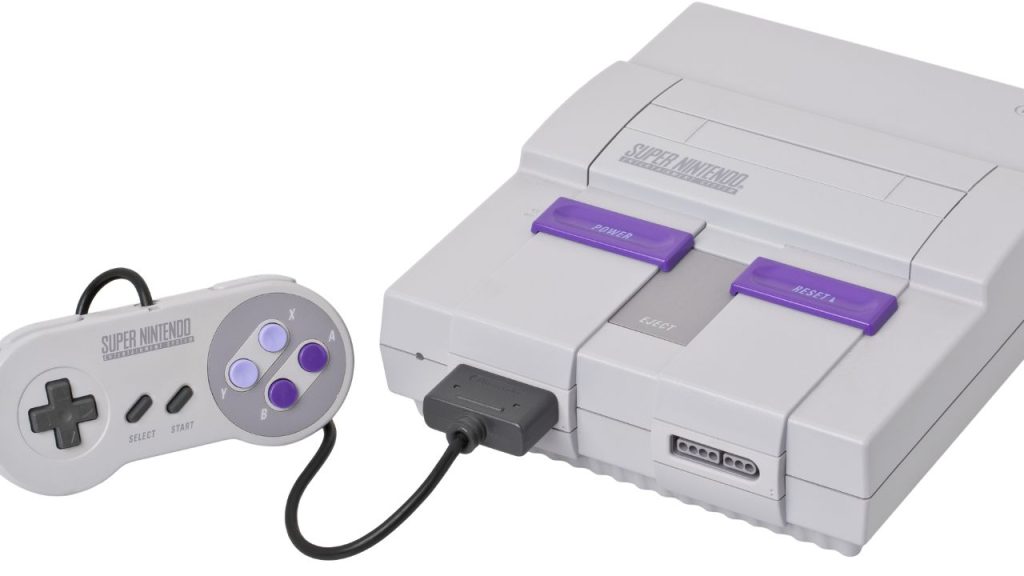
The SNES built upon the success of the NES and elevated 16-bit gaming to an art form. Released in 1990 (1991 in North America), it delivered richer graphics, deeper sound design, and more complex gameplay systems. Many consider this era to be the golden age of 2D gaming. The console featured masterpieces like Super Mario World, which refined platforming to near perfection, and unforgettable adventures and RPGs that pushed storytelling forward. Its controller introduced shoulder buttons, influencing controller design for decades. What makes the SNES still worth owning is its remarkably balanced game library.
3. Sega Genesis
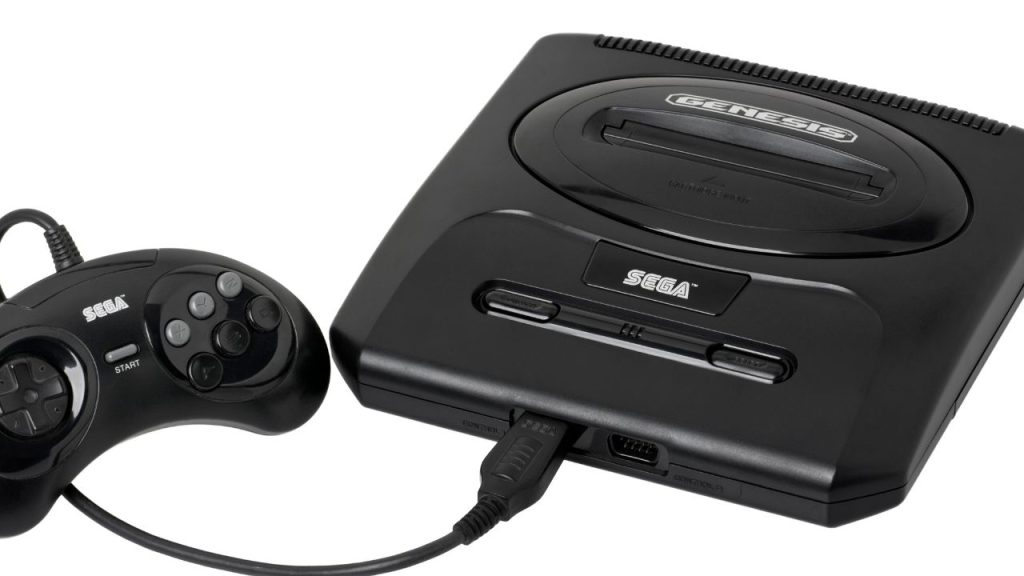
The Sega Genesis (known as the Mega Drive outside North America) brought a new energy to the early 1990s console wars. Marketed with a bold, edgy attitude, it positioned itself as the cooler alternative to Nintendo. It introduced the world to Sonic the Hedgehog, a fast-paced mascot designed to rival Mario. The Genesis also excelled at arcade-style action and sports titles, bringing the feel of arcades into living rooms. The system remains worth owning because of its distinctive style and sound. Its library has a slightly grittier, more arcade-driven feel compared to the SNES. For fans of classic beat ’em ups, shooters, and competitive couch multiplayer, the Genesis still delivers high-energy entertainment.
4. Nintendo 64
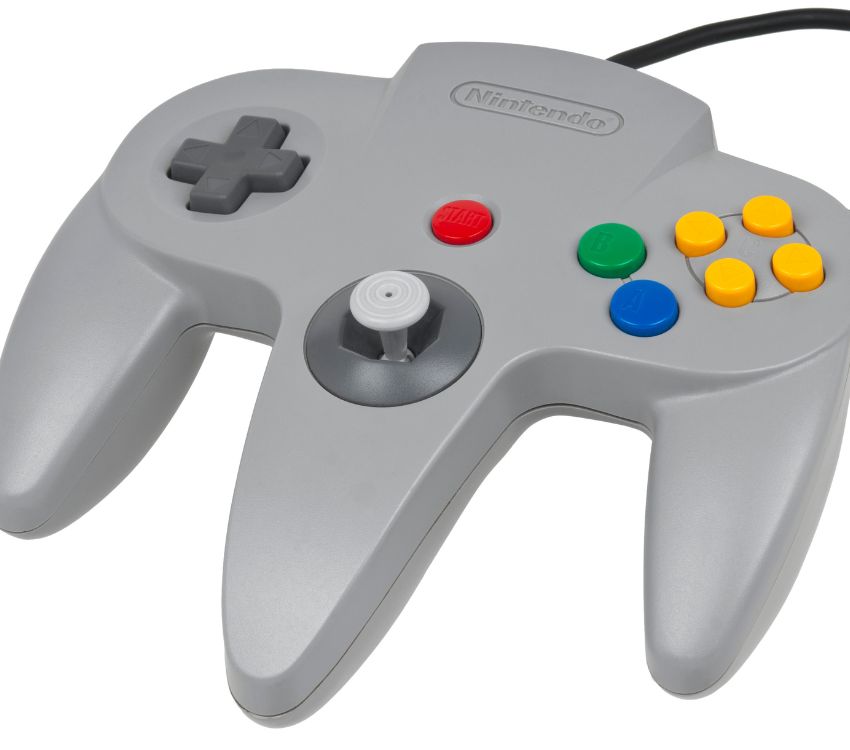
The Nintendo 64 marked Nintendo’s leap into 3D gaming. Released in 1996, it helped define how 3D environments and analog controls should function in home consoles. Titles like Super Mario 64 revolutionized 3D platforming with open-level exploration, while GoldenEye 007 redefined multiplayer shooters on consoles. The innovative three-pronged controller introduced the analog stick, now a standard feature in gaming. Despite having a smaller library than some competitors, the N64’s first-party titles remain legendary. It’s especially worth owning for local multiplayer experiences; few consoles capture the magic of four friends gathered around a single screen quite like the N64.
5. Sony PlayStation
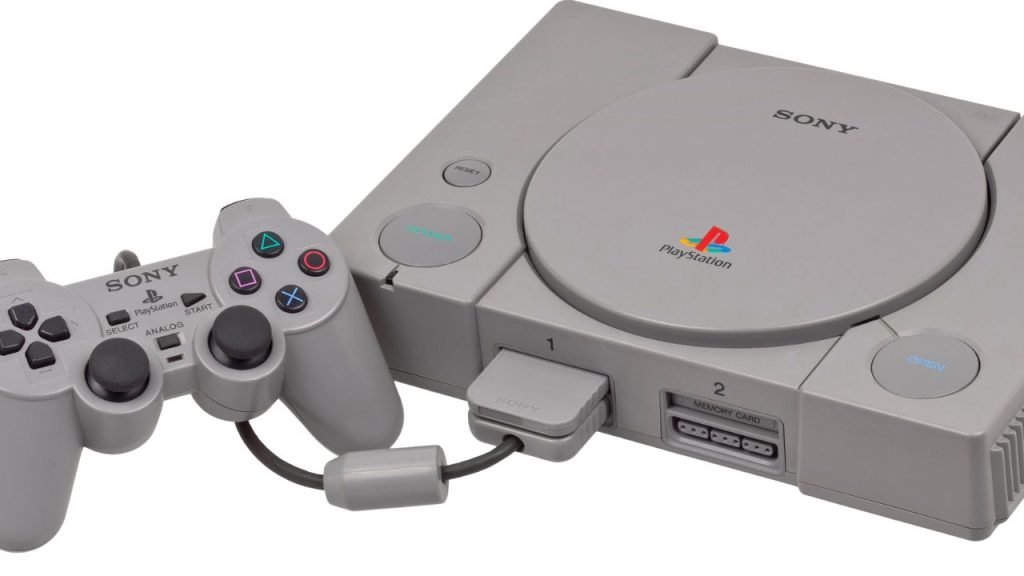
Sony’s entry into the console market changed everything. The original PlayStation embraced CD technology, allowing for larger games, cinematic cutscenes, and richer audio experiences. It delivered genre-defining titles like Final Fantasy VII, which brought Japanese RPGs into mainstream popularity worldwide, and Metal Gear Solid, which elevated storytelling and stealth mechanics. The PS1 remains worth owning because of its vast and diverse library. It was a playground for experimentation, giving rise to survival horror, 3D fighting games, and narrative-driven adventures. It represents the moment gaming matured into a global entertainment powerhouse.
6. Game Boy
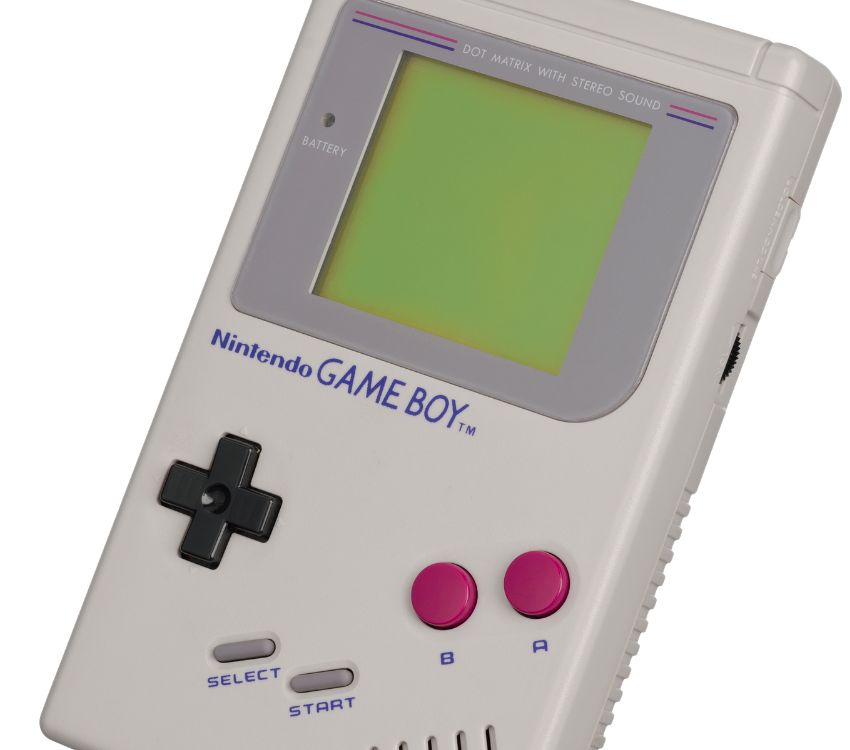
Nintendo’s Game Boy proved that gaming didn’t need cutting-edge graphics to succeed. Released in 1989, this handheld console prioritized battery life, durability, and strong gameplay over technical power. It became home to global sensations like Tetris and launched the Pokémon phenomenon with Pokémon Red and Blue. Even today, the Game Boy’s charm lies in its simplicity. Its monochrome display and chiptune sounds give it a distinct personality. For collectors and retro enthusiasts, it represents the birth of mainstream portable gaming.
7. Sega Dreamcast
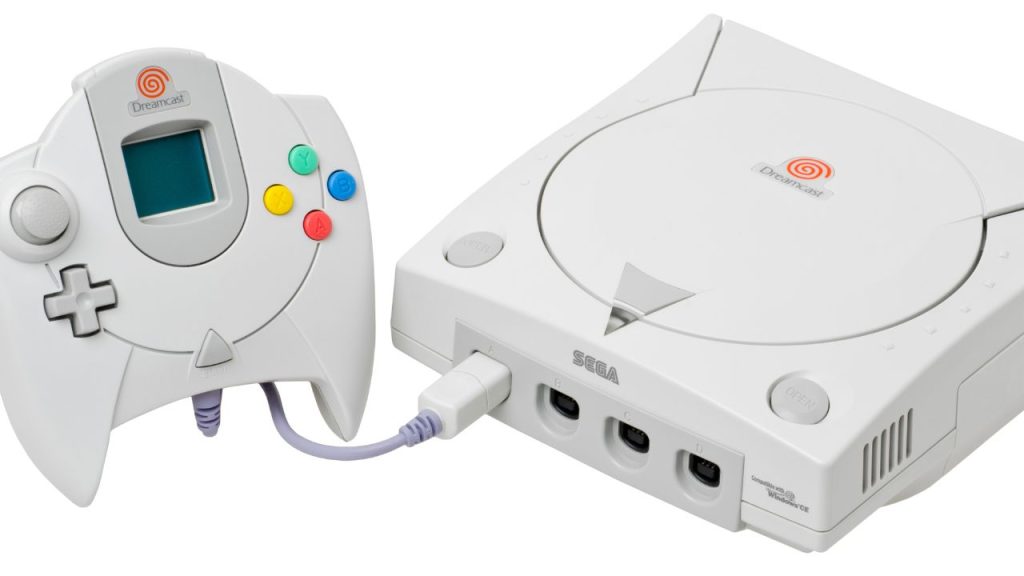
When the Dreamcast launched in 1998 (1999 in North America), it felt like a glimpse into the future. Although it ultimately became Sega’s final home console, it was packed with forward-thinking ideas that were years ahead of its competitors. Built-in online support, a web browser, and the innovative VMU (Visual Memory Unit) controller accessory made it one of the most ambitious consoles of its era. Its game library was creative and experimental. Titles like Shenmue introduced cinematic storytelling, dynamic weather systems, and open-world design long before these features became standard. Arcade-style hits such as Crazy Taxi delivered fast, addictive gameplay that still feels exciting today. The Dreamcast is worth owning because it represents bold innovation. Its library has a distinct personality, colorful, quirky, and unafraid to take risks. For collectors, it’s a beloved underdog.
8. Atari 2600
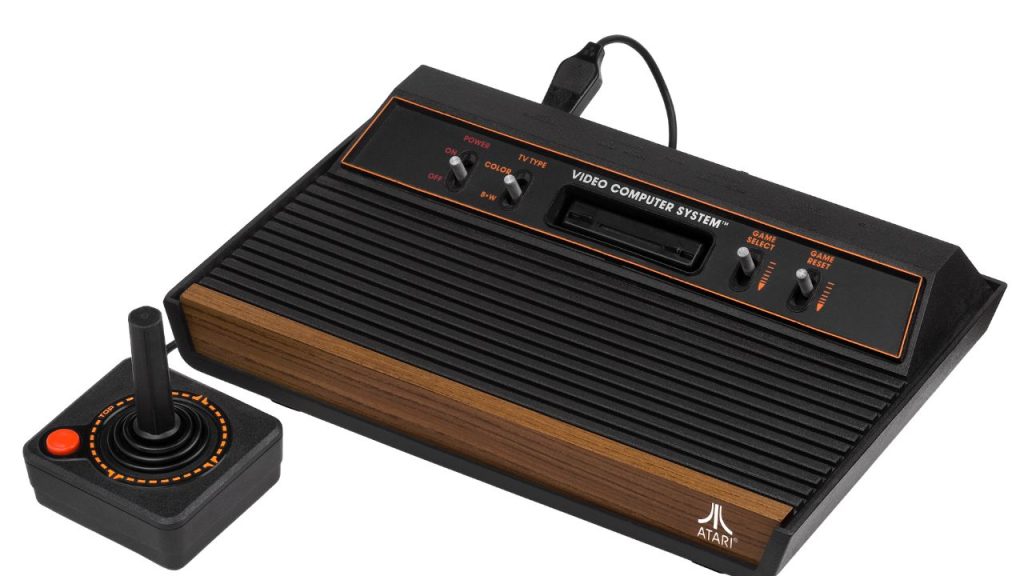
The Atari 2600 stands as one of the most important consoles in gaming history. Released in 1977, it helped popularize interchangeable cartridges, allowing players to build their own libraries instead of being limited to built-in games. At the time, this was revolutionary. Its graphics and sound are extremely simple compared to later systems, but that simplicity is part of its charm. The focus was entirely on gameplay and high scores. Early classics introduced players to the fundamentals of action gaming, competitive play, and home entertainment in a way that had never been seen before.