

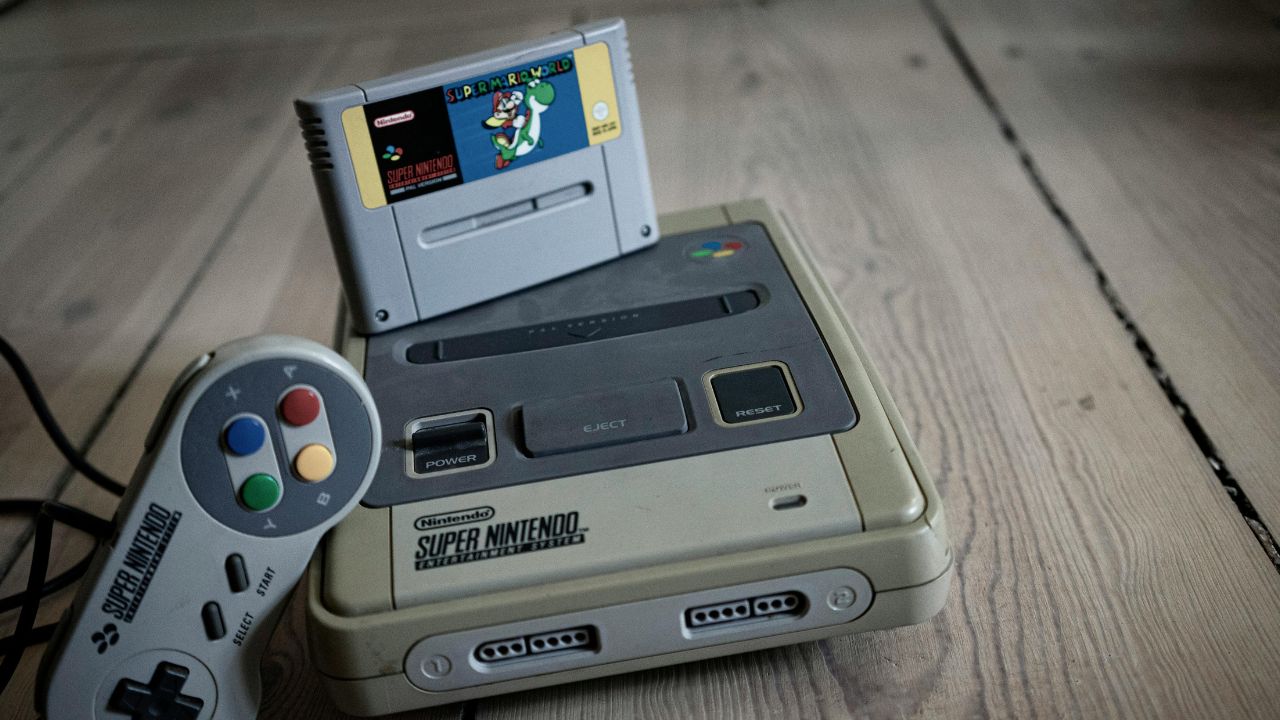

When the Nintendo Entertainment System launched in the mid-1980s, it didn’t just revive a struggling video game industry; it helped define what home gaming would become. The NES introduced millions of players to side-scrolling adventures, challenging platformers, action RPGs, and unforgettable 8-bit soundtracks. While iconic titles like Super Mario Bros. and The Legend of Zelda often dominate retro conversations, the system’s massive library holds hundreds of lesser-known games that never received the same spotlight. Many of these titles were overshadowed by bigger franchises, released late in the console’s lifespan, or simply arrived during a crowded era of experimentation. Yet decades later, retro enthusiasts continue to recommend them for their creativity, tight gameplay mechanics, ambitious design, and surprising depth. Some pushed technical limits.
1. Crystalis
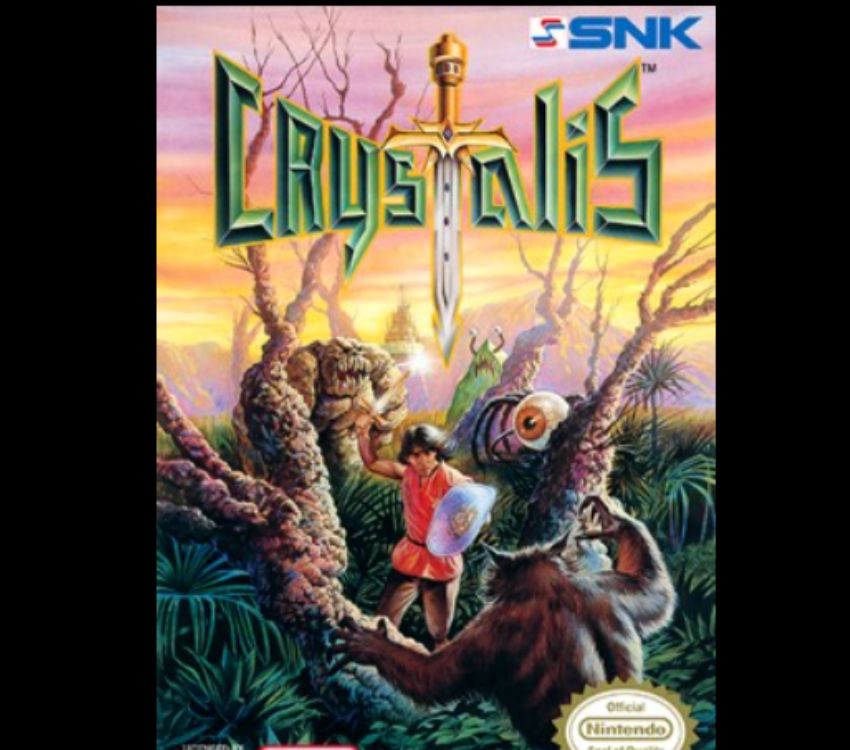
Released by SNK in 1990, Crystalis is often mentioned in the same breath as Zelda-style adventures, yet it stands firmly on its own. Set in a post-apocalyptic world where magic has replaced advanced technology, the game tells the story of a young hero awakened from cryogenic sleep who must master four elemental swords to defeat an oppressive empire. Unlike many early action RPGs, Crystalis features fluid real-time combat, ranged projectile attacks tied to sword power levels, and a surprisingly structured progression system. Enemies require specific elemental weaknesses to be exploited, encouraging strategic thinking rather than button-mashing.
2. Little Samson
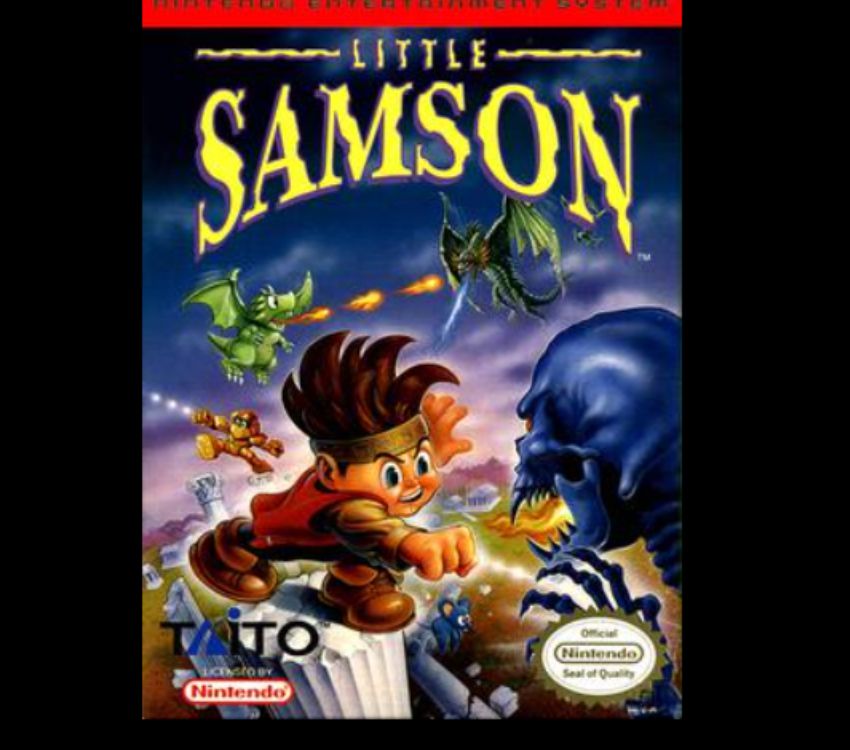
Released very late in the NES lifecycle, Little Samson suffered from limited distribution at a time when attention had shifted toward the Super Nintendo. As a result, many players missed what is now considered one of the most technically impressive platformers on the system. The game allows players to switch between four distinct characters: the balanced hero Little Samson, a tiny mouse who can climb walls and fit into tight spaces, a powerful golem who can break obstacles, and a flying dragon capable of ranged fire attacks. Each character has unique strengths and weaknesses, and many levels are designed to encourage switching between them to overcome environmental challenges.
3. Kabuki Quantum Fighter
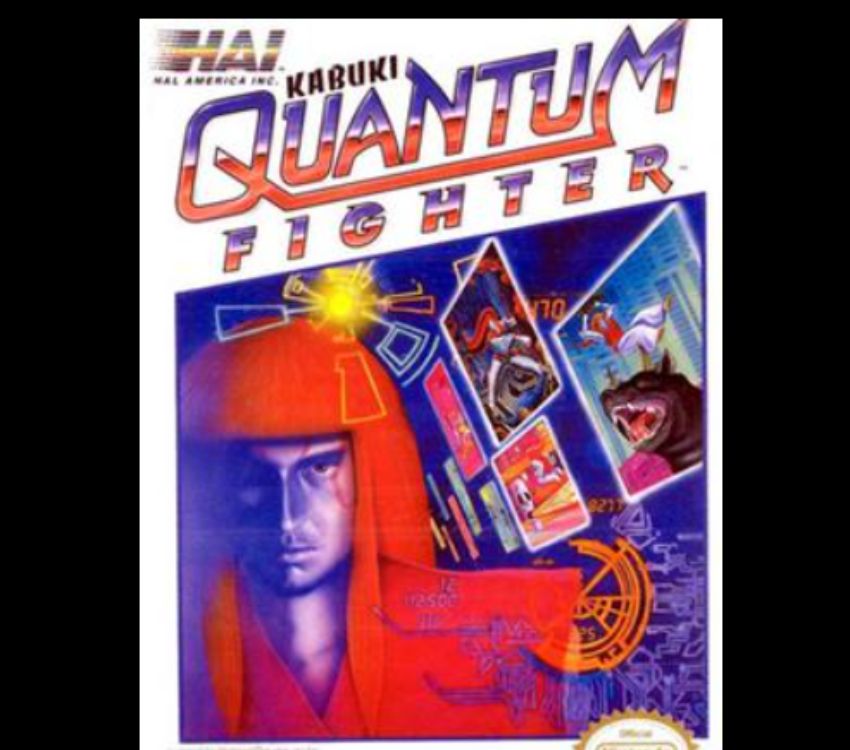
Few NES games embrace strange concepts as confidently as Kabuki Quantum Fighter. The premise alone is unforgettable: a kabuki actor’s consciousness is digitized and sent into a supercomputer to fight a virus threatening Earth. Armed with traditional kabuki attire and a long, whip-like hairstyle used as a weapon, the hero battles through surreal digital landscapes. Beneath its unusual theme lies a solid and responsive action platformer. Combat feels satisfying, with the hair whip providing both range and versatility. Players can also collect secondary weapons for added firepower, allowing for varied combat approaches. Enemy patterns are readable but demanding, and bosses require patience and timing to defeat.
4. The Guardian Legend
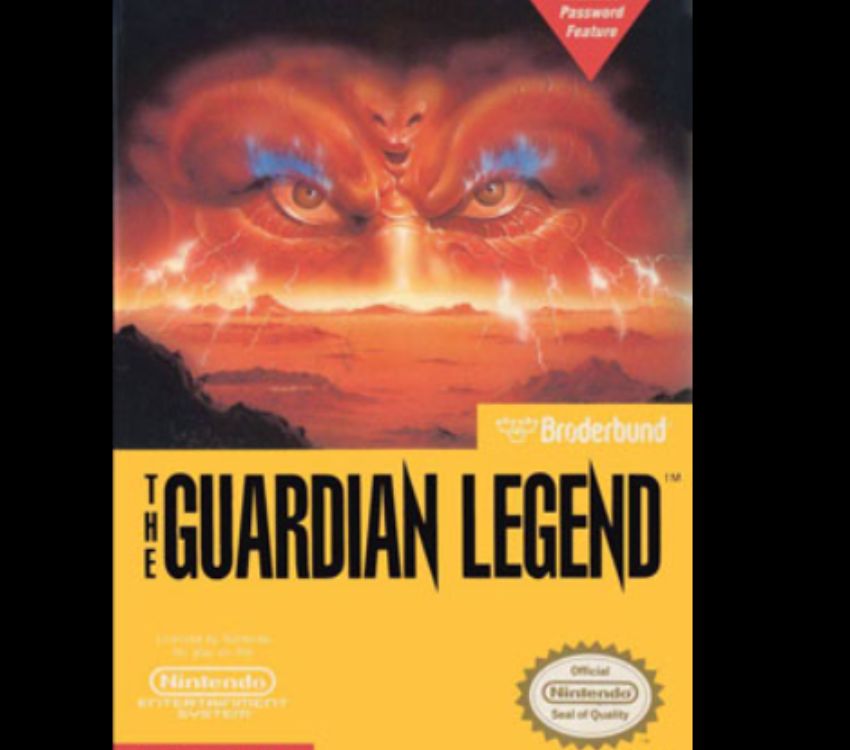
The Guardian Legend is one of the most unique genre hybrids on the NES. At first glance, it appears to be a top-down action adventure set on an alien planet. Players explore interconnected corridors, defeat enemies, and collect upgrades. However, entering certain corridors shifts the perspective into a vertical shoot-’em-up stage, transforming the gameplay entirely. This seamless blending of exploration and arcade-style shooting was remarkably ambitious for its time. The overworld sections focus on upgrading weapons, increasing health, and uncovering hidden areas. The shooter segments emphasize reflexes, bullet patterns, and strategic weapon selection. Progression in one mode directly impacts effectiveness in the other, creating a satisfying loop of exploration and combat.
5. G.I. Joe: A Real American Hero
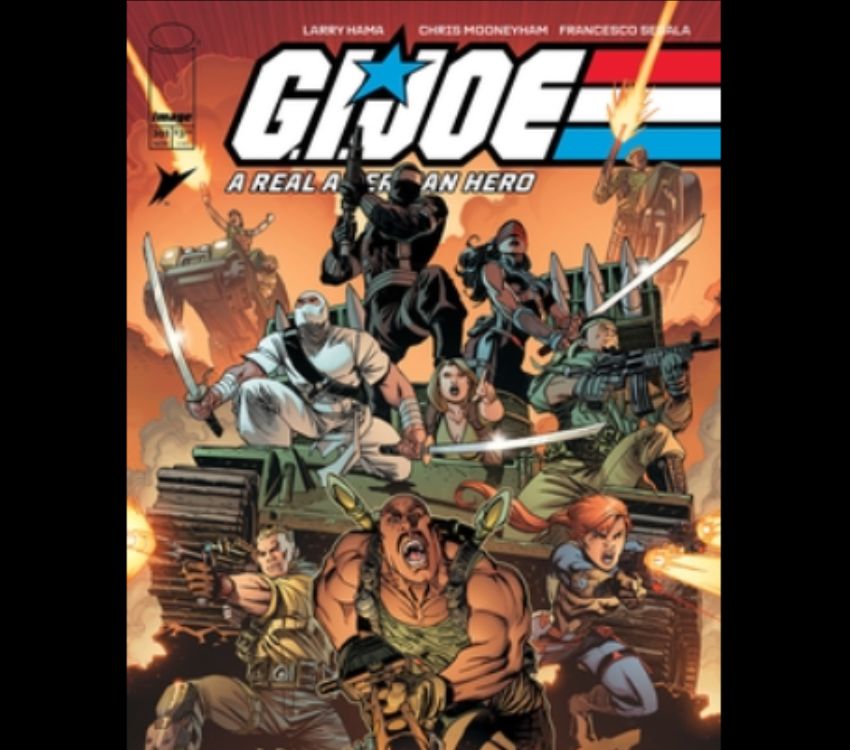
Licensed games on the NES often had a mixed reputation, but G.I. Joe: A Real American Hero stands out as a strong exception. Developed by Capcom, the game delivers tight run-and-gun gameplay that feels polished and responsive. Players can choose from multiple members of the G.I. Joe team, each with different stats and weapon types. As missions progress, characters gain experience, increasing their health and improving survivability. Levels feature a mix of platforming, shooting, and vehicle segments, keeping the pace varied and engaging. Boss battles against Cobra leaders are highlights, requiring careful movement and pattern recognition.
6. Vice: Project Doom
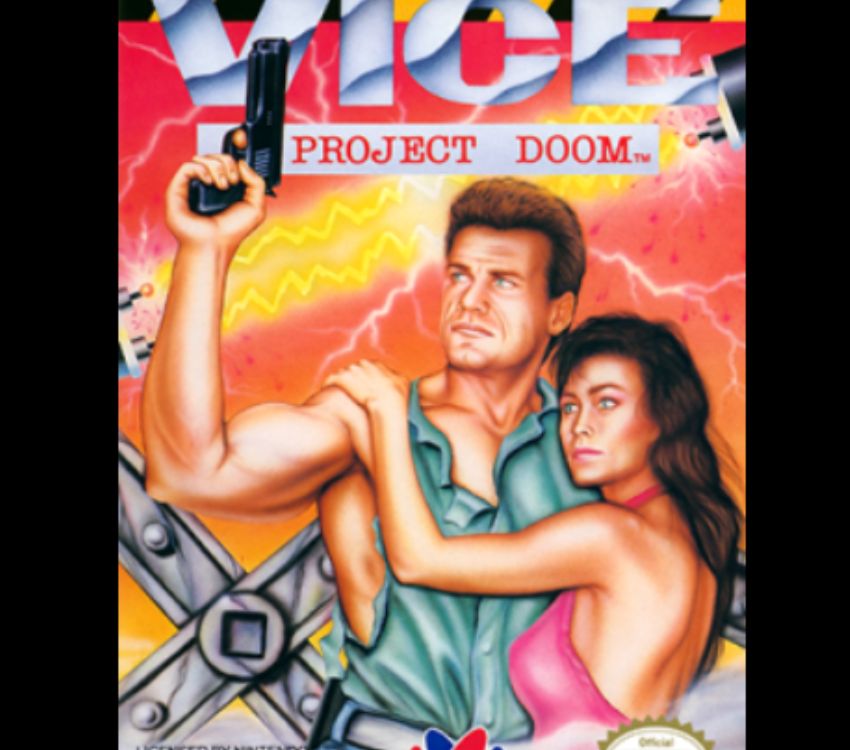
Released by Aicom in 1991, Vice: Project Doom is one of the most cinematic experiences on the NES. Set in a futuristic 1990s filled with crime syndicates and alien conspiracies, the game follows Detective Hart as he uncovers a dangerous plot involving mysterious substances and global threats. What makes this title stand out is its ambitious attempt to blend multiple gameplay styles into one cohesive experience. The core gameplay is side-scrolling action similar to Ninja Gaiden, complete with precise platforming and intense combat. Players can use a sword, a whip, or firearms, switching weapons strategically depending on the situation. In addition to these action stages, the game features high-speed driving levels viewed from behind the car, as well as first-person shooting segments that feel surprisingly advanced for the hardware.
7. Shadow of the Ninja
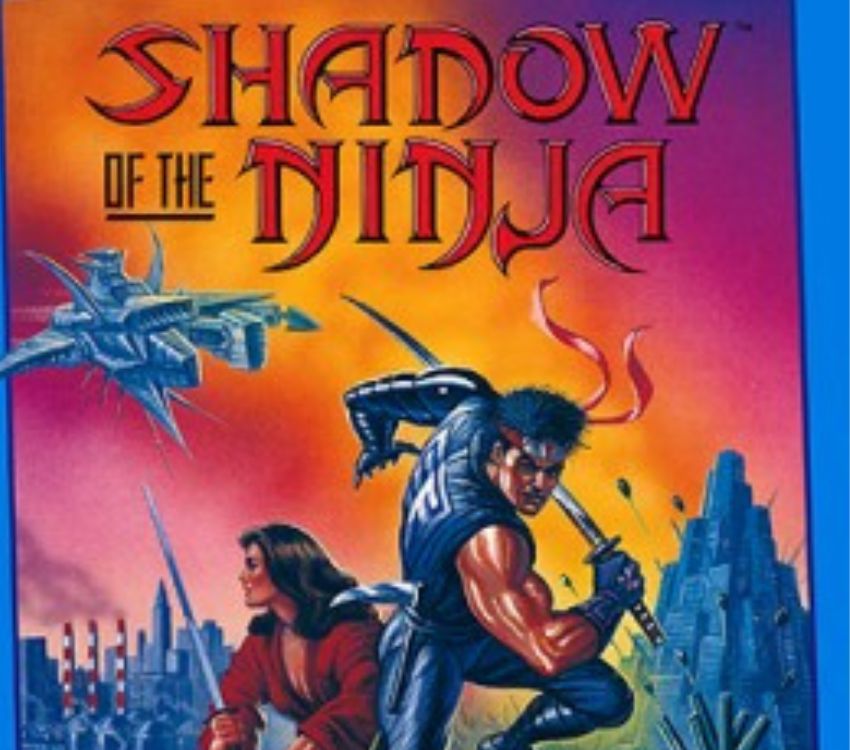
Often overshadowed by the more famous Ninja Gaiden series, Shadow of the Ninja delivers a refined and highly enjoyable ninja action experience. Developed by Natsume, the game takes place in a dystopian future where two ninjas must overthrow an oppressive dictator. The setting blends traditional ninja themes with futuristic environments, giving the game a distinct visual identity. Players can choose between two nearly identical ninjas, and the game supports cooperative two-player play a major highlight. The combat system includes both short-range and long-range weapons, and players can upgrade their equipment throughout the game. The mechanics are tight and responsive, rewarding patience and careful timing rather than reckless aggression.
8. Shatterhand
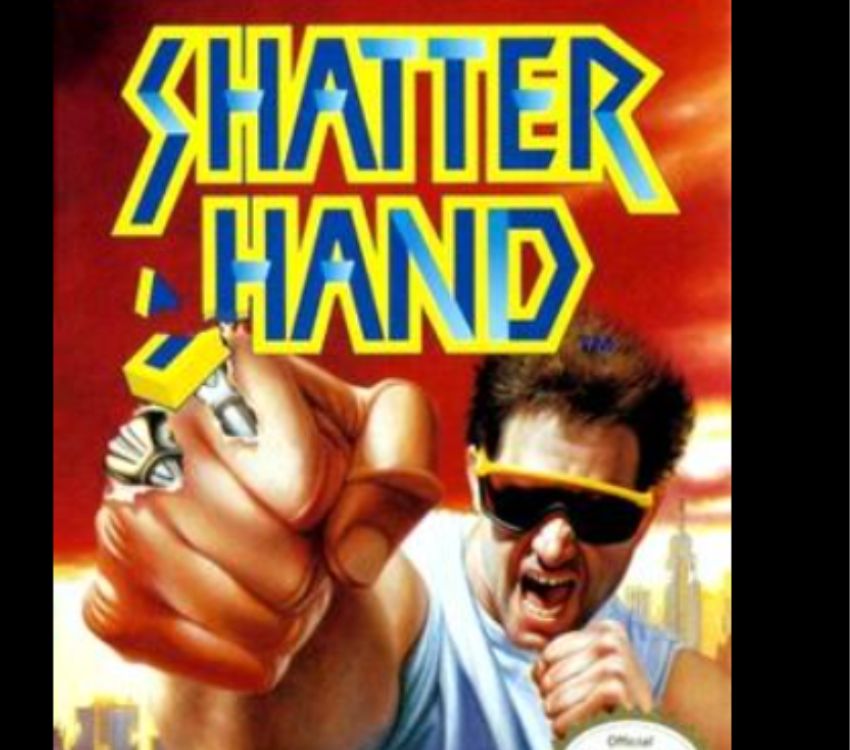
Shatterhand is a cyberpunk-inspired action platformer that places players in the role of a police officer enhanced with powerful cybernetic gauntlets. After criminals terrorize the city with robotic armies, the protagonist fights back using nothing but his augmented fists. The core combat mechanic is deeply satisfying. Instead of relying on swords or guns, players punch enemies at close range, creating a risk-reward dynamic that makes every encounter intense. Throughout the game, players collect letters that can be combined to summon powerful robotic companions. These companions vary in abilities, allowing for different strategies and encouraging experimentation. The level design is varied, featuring moving platforms, mechanical environments, and challenging enemy placements.
9. Batman: The Video Game
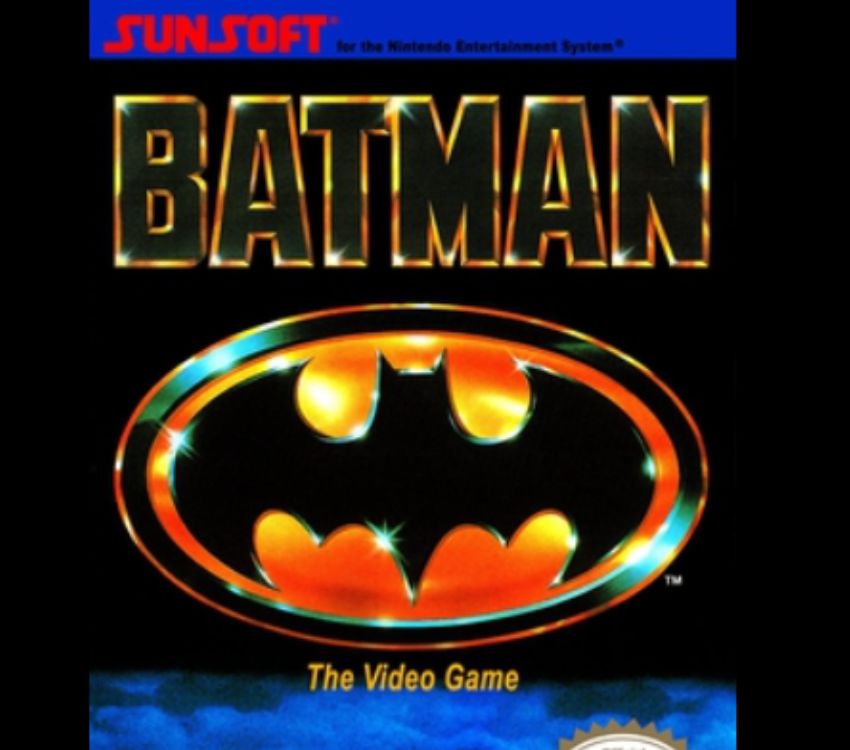
While many licensed superhero games struggled during the 8-bit era, Batman: The Video Game became a rare success story. Developed by Sunsoft and inspired by the 1989 film, the game delivers a dark atmosphere and challenging gameplay that exceeded expectations at the time. The standout feature is Batman’s wall-jump mechanic, which allows players to scale vertical shafts with precision and speed. Combat includes punches as well as limited projectile weapons like batarangs and ninja stars. The difficulty is great, requiring memorization of enemy patterns and precise movement.
10. River City Ransom
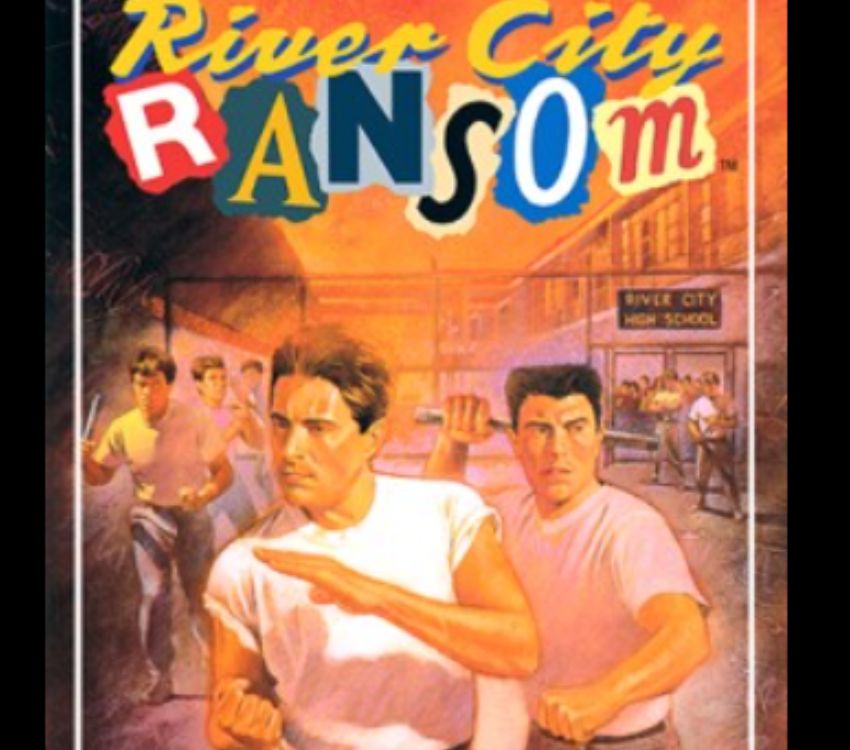
Blending beat-’em-up action with RPG progression systems, River City Ransom was ahead of its time. Players control high school fighters Alex and Ryan as they battle through city streets to rescue a kidnapped girlfriend. Unlike traditional beat-’em-ups, defeated enemies drop money, which can be spent in shops on food, books, and upgrades that permanently improve stats. The progression system adds depth rarely seen in NES brawlers. Players can increase strength, stamina, and agility and unlock new combat moves by purchasing items. This creates a satisfying loop of fighting, earning money, upgrading, and tackling tougher enemies. The game supports cooperative two-player gameplay, making it even more chaotic and entertaining.
11. Journey to Silius
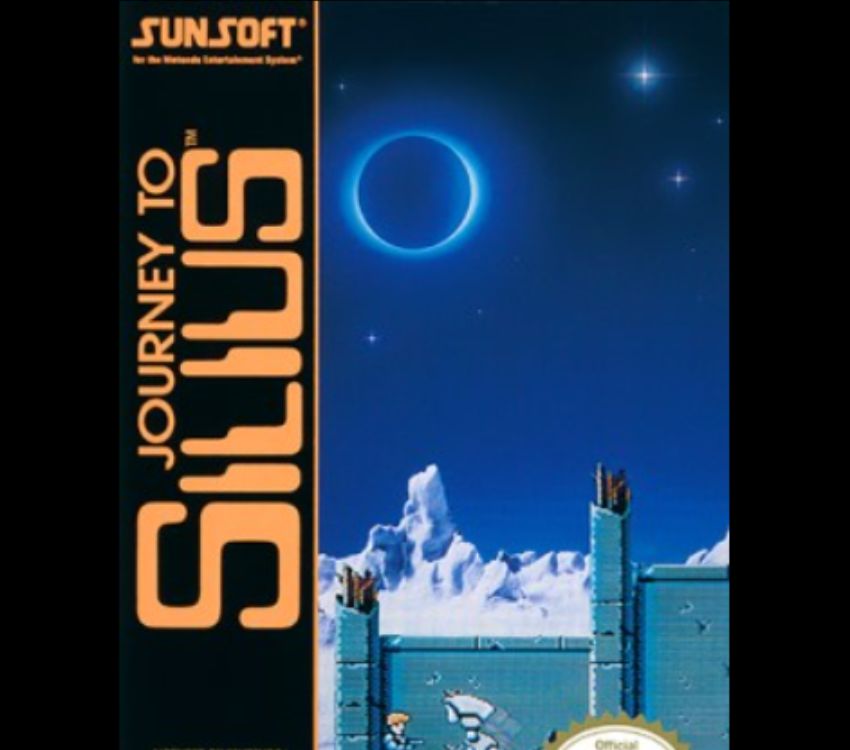
Set in a gritty science fiction future, Journey to Silius follows a young man seeking revenge against a terrorist organization responsible for his father’s death. The game is a straightforward run-and-gun action title, but it distinguishes itself through smooth controls and excellent presentation. Players can acquire multiple weapons, each with different strengths and energy requirements. Choosing the right weapon for each situation adds strategic depth, especially during boss encounters. The levels are linear but thoughtfully designed, with enemy placements that encourage careful movement rather than reckless rushing.
12. Faxanadu
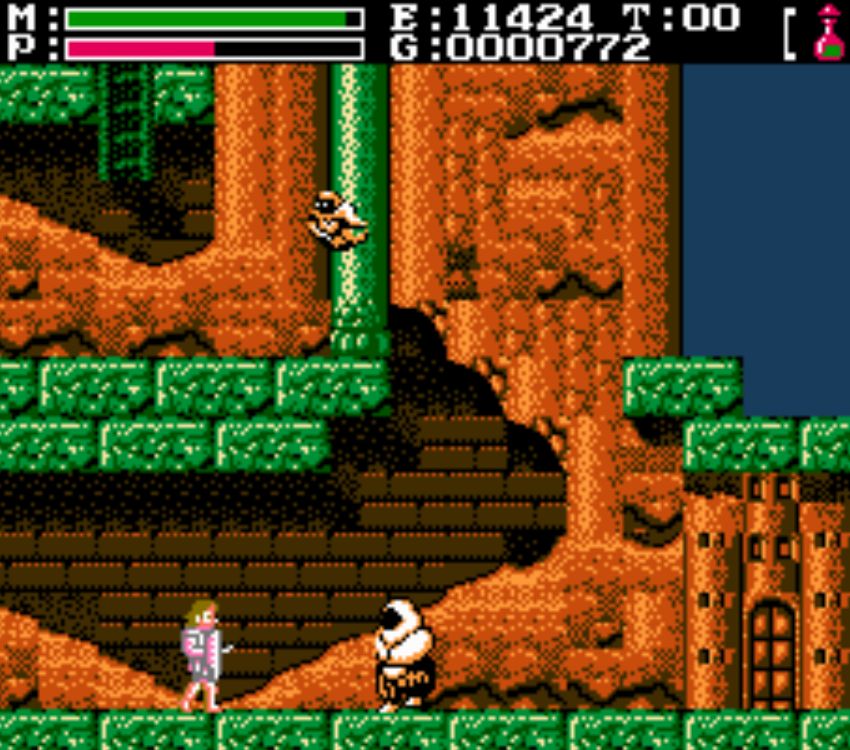
Faxanadu is a side-scrolling action RPG set in a vast fantasy world built within a giant tree. The game combines platforming, exploration, town interactions, and character progression in a way that feels expansive for an 8-bit title. Players earn experience points by defeating enemies, increasing their stats, and improving their survivability. Towns allow for purchasing equipment, speaking with NPCs, and uncovering hints about progression. Unlike many linear action games, Faxanadu emphasizes exploration and backtracking, rewarding players who pay attention to dialogue and environmental clues.