

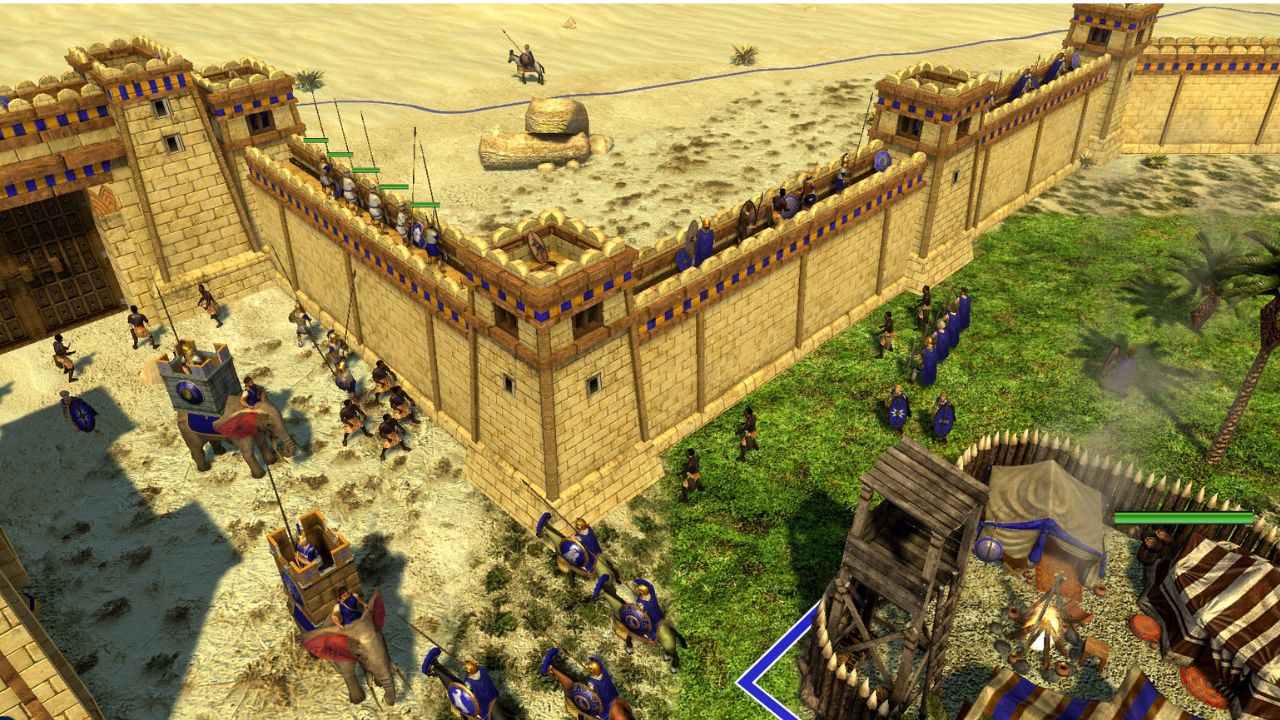

Tactical games aren’t just about winning; they’re about thinking ahead. Unlike fast-paced action titles that reward reflexes, tactical games demand patience, calculation, and foresight. A single misstep can unravel a carefully crafted plan, cost valuable units, or even end an entire campaign. These games force players to weigh risk versus reward, manage limited resources, and adapt when strategies fall apart. Every decision carries consequences that often ripple across an entire mission or storyline. Whether turn-based or real-time, they create intense moments where every command carries weight and long-term impact. Here are eight tactical games where every move truly matters.
1. XCOM 2
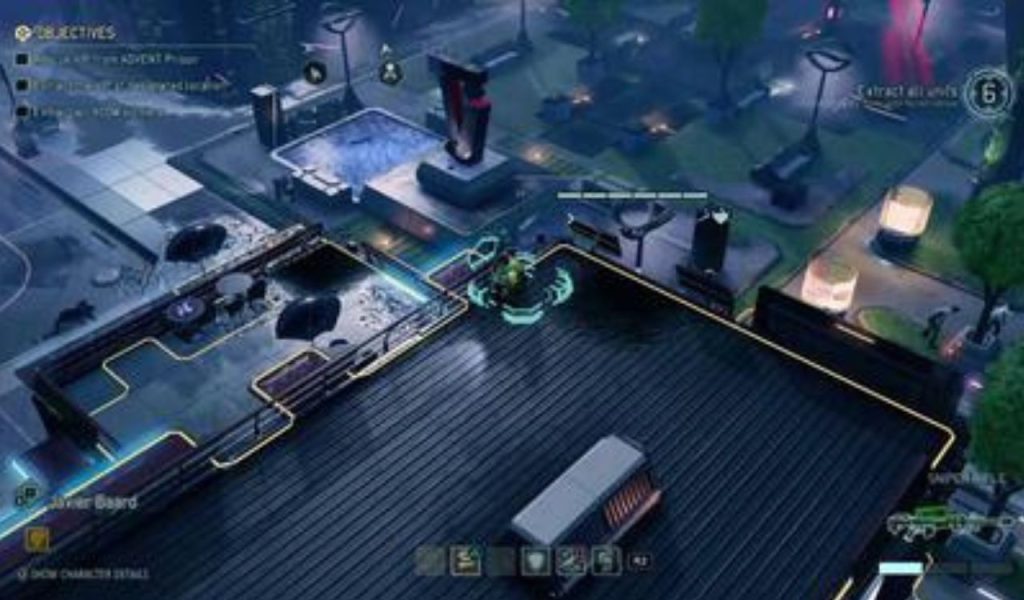
In XCOM 2, humanity is under alien rule, and you command a small resistance force fighting back from the shadows. Every mission is a tense, turn-based encounter where positioning and timing are everything. Soldiers can take cover behind objects, enter overwatch, or use special abilities, but one exposed flank can lead to devastating consequences. Permadeath adds emotional pressure, making each decision feel permanent and meaningful. Losing a veteran soldier isn’t just a gameplay setback; it’s a strategic blow that forces you to rethink squad composition, training priorities, and long-term survival plans. The constant tension ensures that no move feels trivial.
2. Fire Emblem: Three Houses
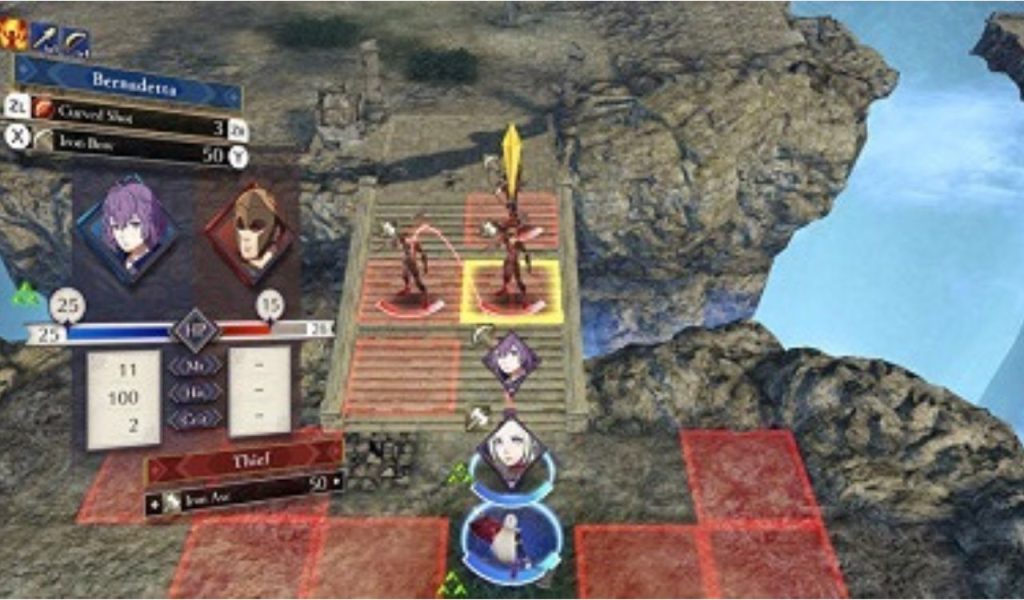
This tactical RPG blends grid-based combat with character development and long-term planning that stretches across the entire campaign. On the battlefield, terrain bonuses, weapon advantages, and unit positioning determine survival. But strategy goes beyond combat itself. Between missions, you train students, select class upgrades, and build relationships that influence future performance in battle. Poor preparation early in the game can create serious weaknesses later on. The option for permanent character death in classic mode dramatically raises the stakes, forcing players to carefully balance bold strategies with cautious positioning and thoughtful support placement.
3. Into the Breach
Into the Breach strips tactics down to their purest and most refined form. Battles take place on compact grids, and enemy attacks are clearly telegraphed before they happen. This removes randomness and places full responsibility on the player’s decision-making. Every turn feels like solving a high-pressure puzzle where protecting civilians is just as important as defeating enemies. Because resources, pilots, and upgrades carry over between timelines, each choice has long-term consequences beyond a single battle. Its elegant design proves that deep strategy doesn’t require complexity — only meaningful decisions and tight mechanics.
4. Valkyria Chronicles
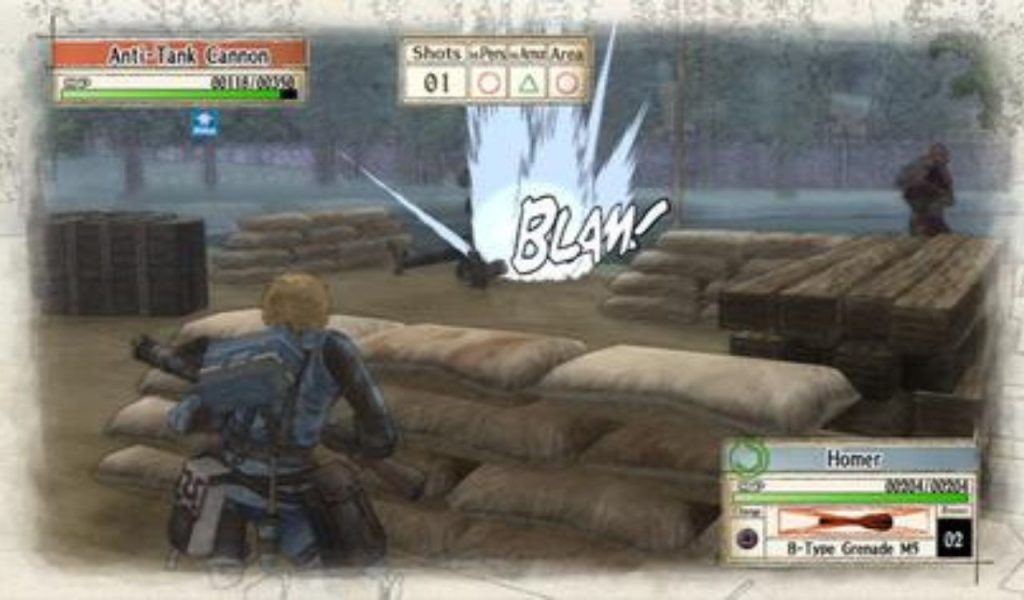
Blending turn-based strategy with third-person shooting, Valkyria Chronicles creates a dynamic and immersive battlefield experience. Players spend limited action points to move units across open maps, manually aiming shots while remaining aware of enemy sightlines and interception fire. Terrain elevation, cover systems, and enemy reactions add strategic depth to every advance. Overextending even one unit can quickly lead to a chain reaction of losses. Squad composition is equally important, as scouts, engineers, and shocktroopers all serve specific tactical roles. Success requires coordinated movement, careful positioning, and well-timed offensives rather than reckless aggression.
5. Divinity: Original Sin 2
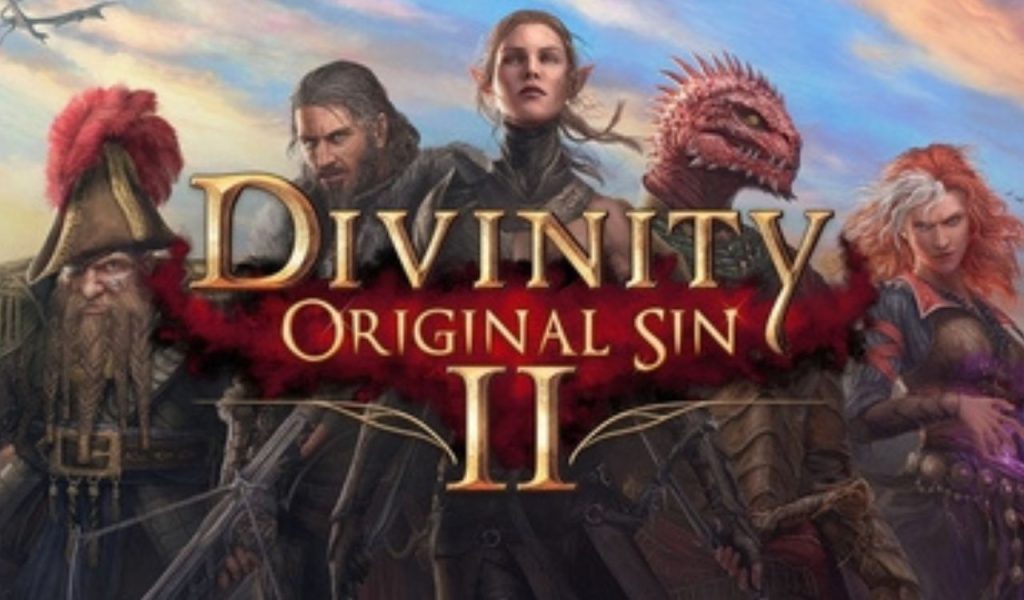
Although widely known as a role-playing game, Divinity: Original Sin 2 features one of the most intricate tactical combat systems in modern gaming. Environmental interactions define the battlefield. Water can be electrified, poison clouds can be ignited, and oil surfaces can slow enemies before erupting into flames. High ground grants damage bonuses, and crowd control abilities can disable entire enemy groups when used correctly. Combat rewards careful turn planning and team synergy. Players who rush forward without considering terrain or elemental combinations often find themselves overwhelmed by their own mistakes.
6. Total War: Three Kingdoms
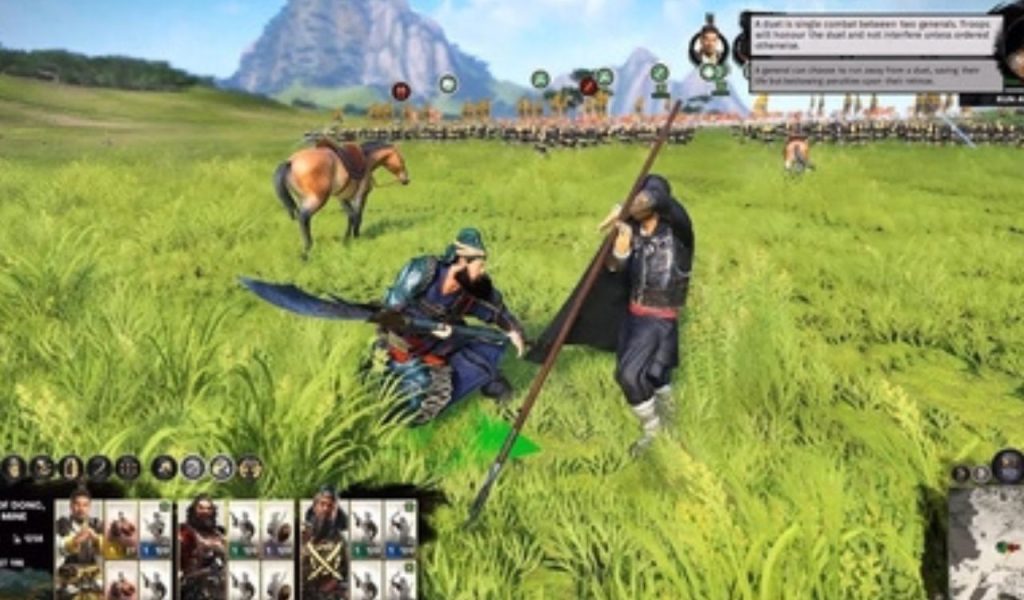
This grand strategy epic blends large-scale empire management with massive real-time battles that demand precision. On the campaign map, diplomacy, alliances, economic growth, and espionage shape your faction’s survival. On the battlefield, timing and formation are critical. Cavalry charges must strike exposed flanks, archers need protected high ground, and morale can collapse armies within moments. A single misjudged engagement can erase hours of strategic preparation. The game’s layered systems ensure that both long-term planning and split-second battlefield adjustments play equally important roles in determining victory.
7. Shadow Tactics: Blades of the Shogun
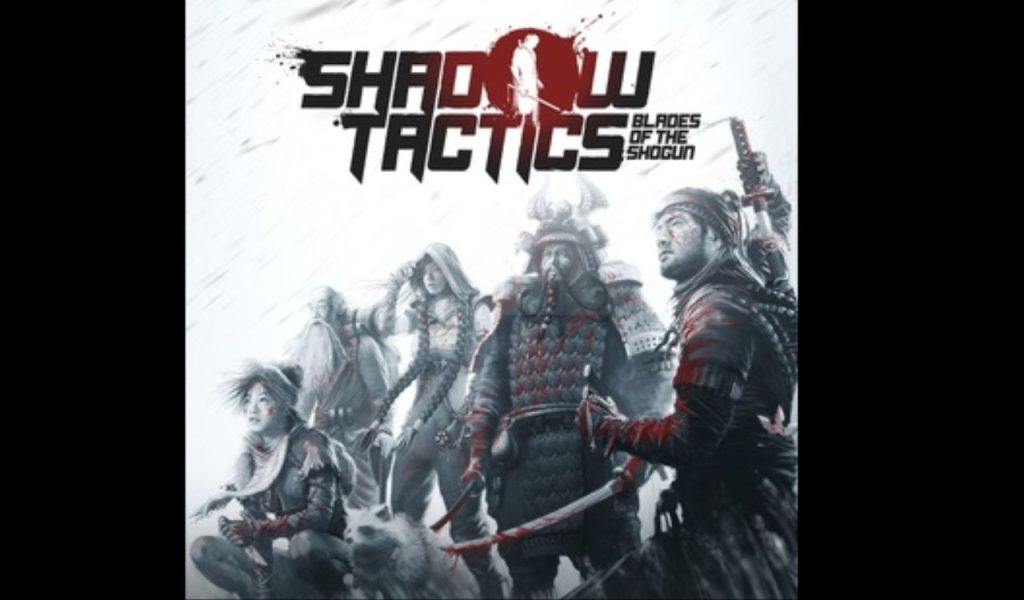
Set in feudal Japan, Shadow Tactics emphasizes stealth, coordination, and perfect timing. Players control multiple characters with unique skills, requiring synchronized actions to eliminate enemies quietly and efficiently. Guards follow predictable patrol patterns, but miscalculating timing or line of sight can instantly trigger alarms and mission failure. Careful observation and patience are essential. Each level functions like a strategic puzzle where experimentation and planning lead to success. The satisfaction of executing a flawless plan reinforces the idea that tactical precision is far more rewarding than brute force.
8. Company of Heroes 2
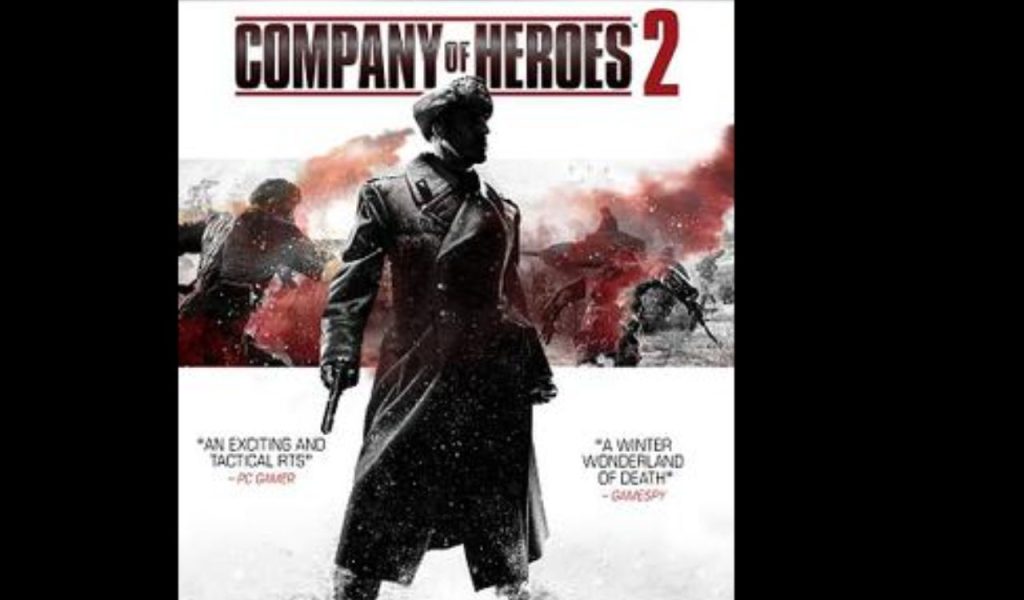
This World War II real-time strategy game places heavy emphasis on positioning, suppression mechanics, and battlefield awareness. Units automatically take cover behind obstacles, but exposure to enemy fire can quickly lead to suppression or forced retreat. Resource control determines reinforcement options, and environmental conditions such as harsh winter weather affect troop survival. Tactical retreats, flanking maneuvers, and cutting supply lines are constant considerations. The dynamic flow of combat ensures that every movement across the map carries risk, reinforcing the idea that smart positioning often determines the difference between survival and defeat.