




Strategy games are often seen as complex, time-consuming, and difficult to understand. Many people imagine long rulebooks, overwhelming menus, or intense competitive environments that feel intimidating to newcomers. While some strategy games certainly fit that description, many others are specifically designed to welcome beginners and teach strategic thinking in a clear, approachable way. The best beginner strategy games share a few important qualities. They introduce mechanics gradually, provide clear objectives, and allow players to learn through experience rather than memorization. They also offer meaningful choices without punishing mistakes too harshly.
1. Ticket to Ride
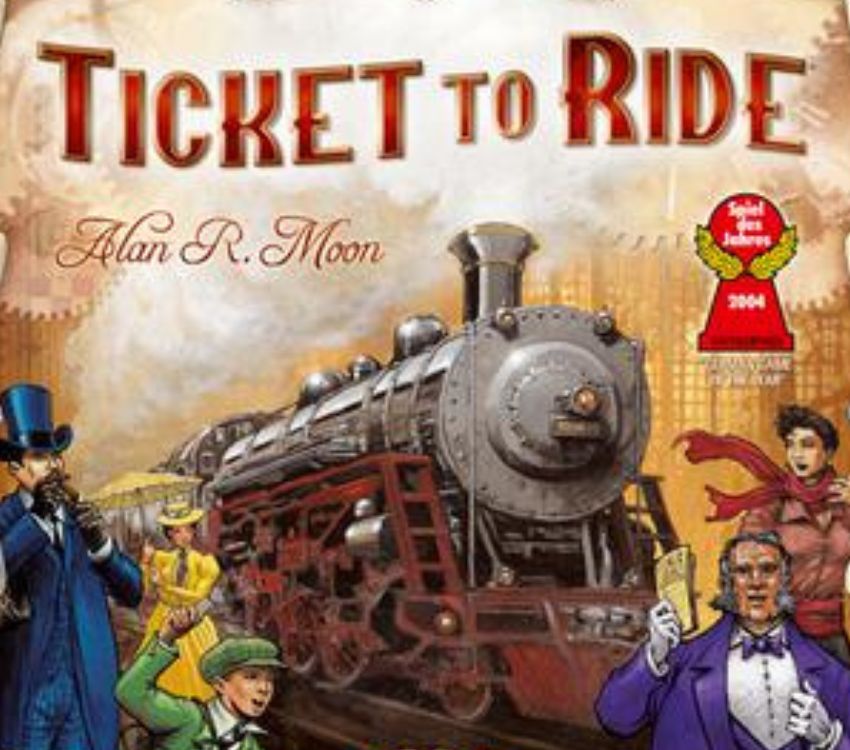
Ticket to Ride is widely considered one of the best gateway strategy board games. In this game, players collect colored train cards and use them to claim railway routes across a map. The objective is to complete destination tickets by connecting cities while also blocking opponents from completing their routes. What makes it beginner-friendly is its simplicity. On each turn, you only have a few choices: draw cards, claim a route, or pick new destination tickets. The rules are straightforward, and the scoring system is easy to understand. However, beneath its simple structure lies meaningful decision-making. Players must decide when to build, when to wait, and how to adapt if an opponent blocks a crucial path.
2. Catan
Catan is a classic resource management game that introduces players to economic strategy and negotiation. Players collect resources such as wood, brick, wheat, ore, and sheep to build roads, settlements, and cities. Dice rolls determine which resources are produced each turn, creating a mix of planning and unpredictability. The game is beginner-friendly because it teaches strategy step by step. Early turns focus on simple expansion, while later turns introduce trading, blocking, and careful resource management. The trading system encourages social interaction, making the experience engaging rather than overly competitive. While experienced players can develop advanced tactics, newcomers can quickly understand the core objective: expand wisely and earn victory points.
3. Plants vs. Zombies
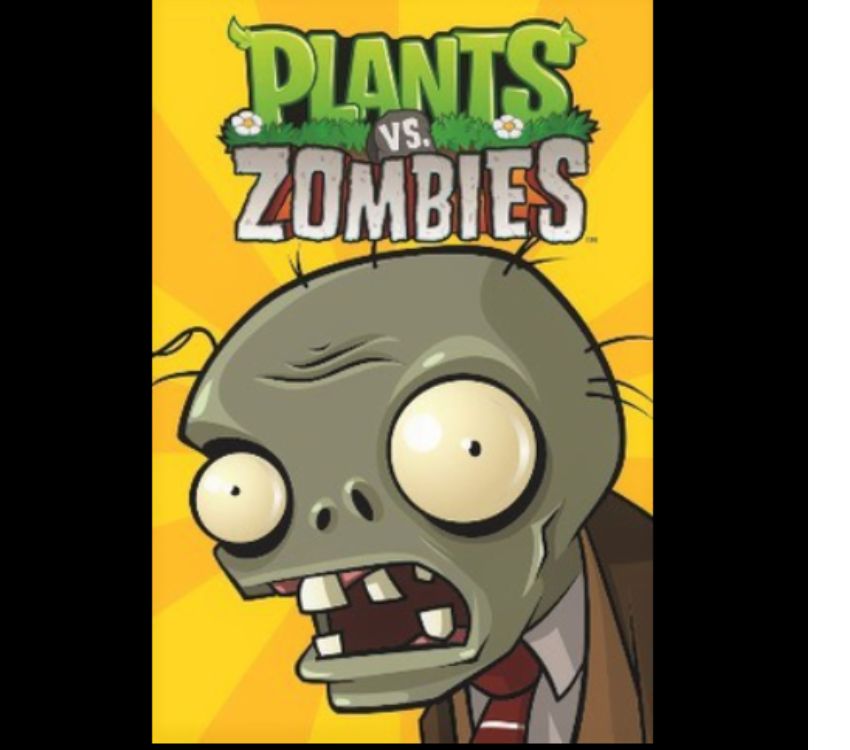
Plants vs. Zombies is a lighthearted tower defense game that gradually introduces strategic concepts. Players place different types of plants on a grid to stop waves of zombies from reaching their house. Each plant has unique abilities, and choosing the right combination is key to success. The game is ideal for beginners because it introduces mechanics slowly. Early levels are simple and forgiving, allowing players to understand how resource generation and defensive placement work. As new plants and zombie types appear, players naturally learn how to adapt and adjust their strategies.
4. Into the Breach
Into the Breach is a turn-based tactical strategy game played on small grid maps. Players control powerful mechs tasked with defending cities from giant alien creatures. Each turn shows exactly what enemies plan to do, allowing players to respond thoughtfully. What makes it beginner-friendly is the clarity of information. The battlefield is small, enemy intentions are visible, and the objectives are clearly defined. Instead of guessing what might happen, players can focus on solving tactical “puzzles” each turn. The limited number of units also reduces complexity, making it easier for new players to grasp positioning, movement, and cause-and-effect strategy.
5. Civilization VI
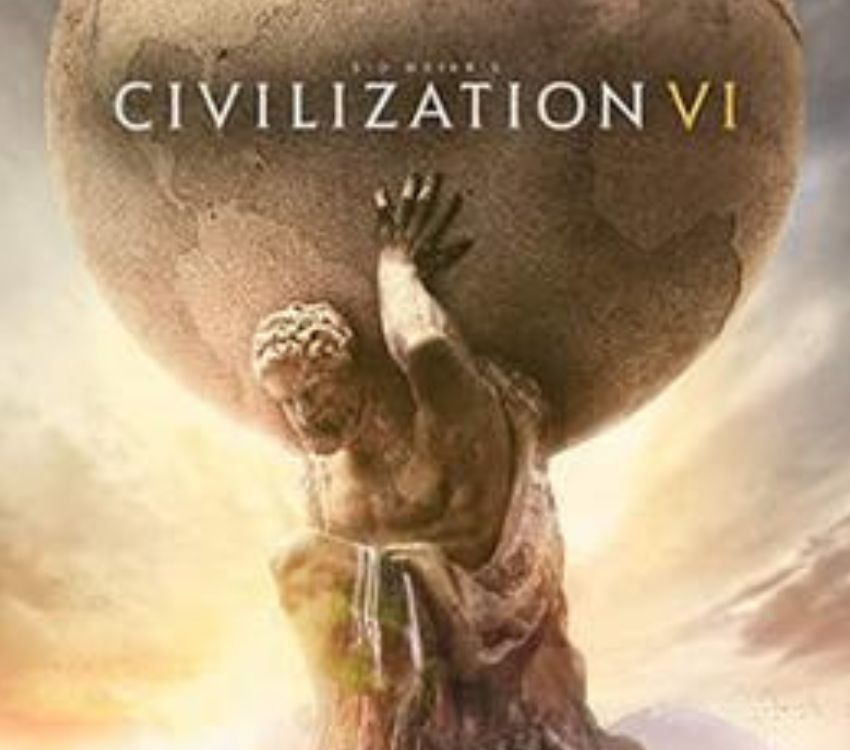
Civilization VI allows players to build and guide a civilization from ancient times to the modern era. You expand cities, research technologies, engage in diplomacy, and pursue different victory types such as science, culture, or military domination. Although it appears complex, the game includes detailed tutorials and adjustable difficulty settings that make it accessible to beginners. Because it is turn-based, players can take their time reading tooltips and considering decisions. The interface clearly explains what buildings and technologies do, allowing newcomers to gradually understand the larger systems. Over time, players learn how long-term planning, resource allocation, and diplomacy interact to shape success.
6. Clash Royale
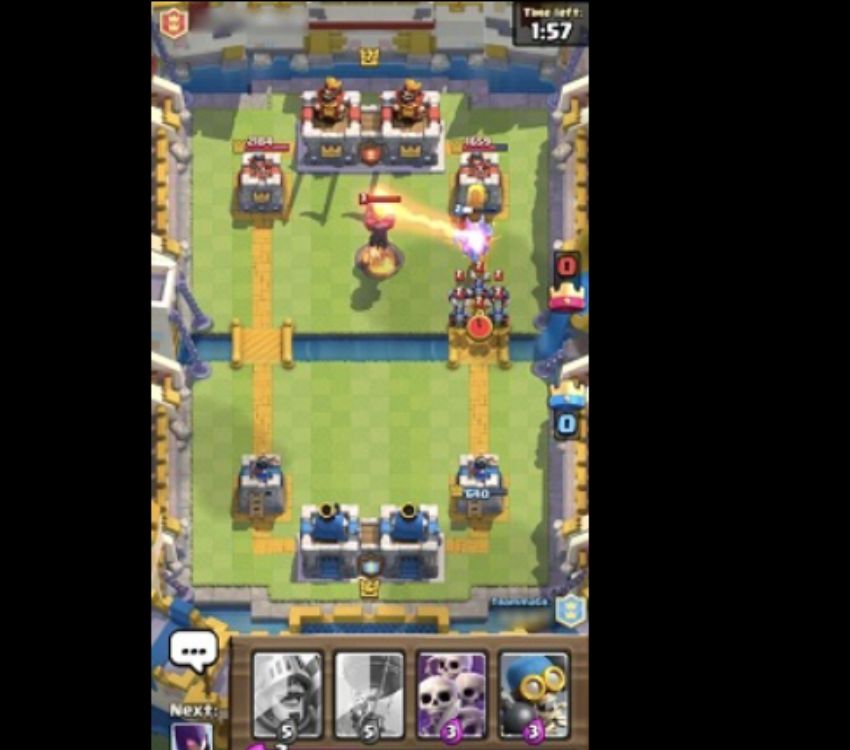
Clash Royale combines card collection with real-time strategy battles. Players build decks of units and spells, then deploy them in short matches where the goal is to destroy enemy towers. Its beginner appeal lies in its fast pace and simplicity. Matches last only a few minutes, and the rules are easy to grasp: manage your energy, deploy units wisely, and counter your opponent’s moves. New cards are unlocked gradually, preventing information overload. While competitive at higher levels, the early experience is approachable and teaches core ideas such as timing, resource management, and counterplay.
7. Risk
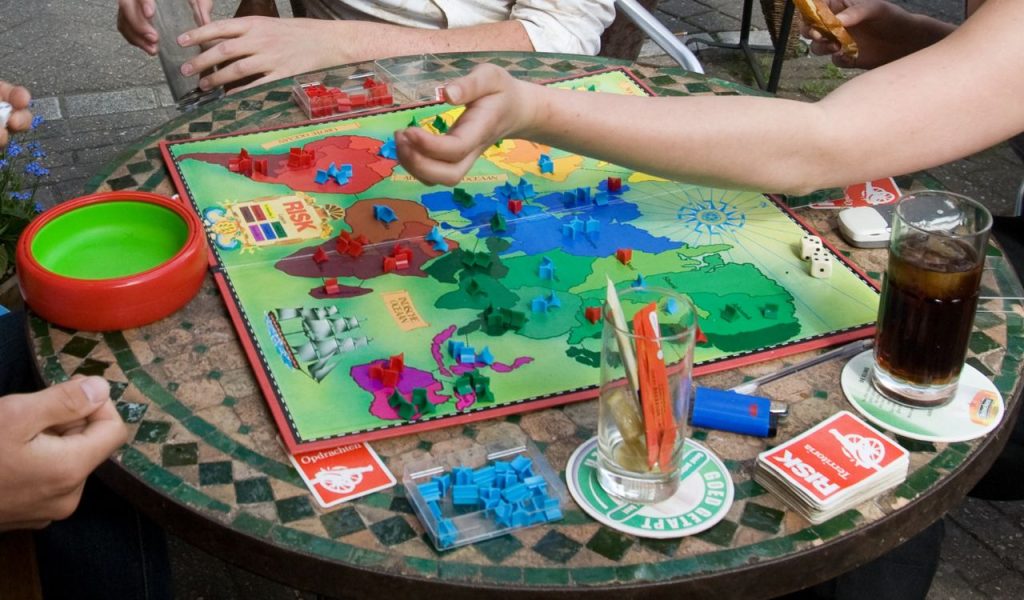
Risk is a classic territory control game where players compete to dominate the world map. On each turn, you reinforce territories, attack neighboring regions, and fortify your positions. The rules are relatively simple: control territories, roll dice to resolve battles, and eliminate opponents. Because combat involves dice rolls, luck plays a role, which can help beginners stay competitive even against experienced players. The core strategic lesson revolves around positioning, alliance-building, and risk assessment. While games can be lengthy, the mechanics are straightforward to understand.
8. Mario + Rabbids Kingdom Battle
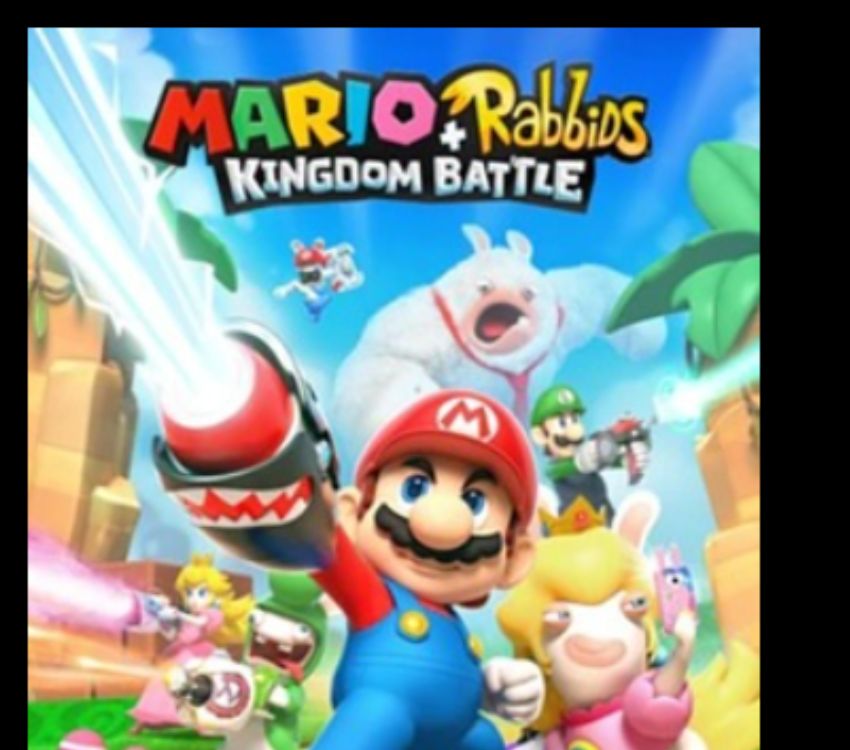
Mario + Rabbids Kingdom Battle introduces players to tactical grid-based combat using familiar characters from the Mario universe. Players move characters across battlefields, take cover, and use special abilities to defeat enemies. The game is designed with accessibility in mind. Early missions teach movement, cover systems, and teamwork step by step. Difficulty settings allow new players to enjoy the experience without excessive frustration. The colorful presentation and clear objectives make it less intimidating than many traditional tactical strategy games, while still teaching positioning and planning fundamentals.
9. Hearthstone
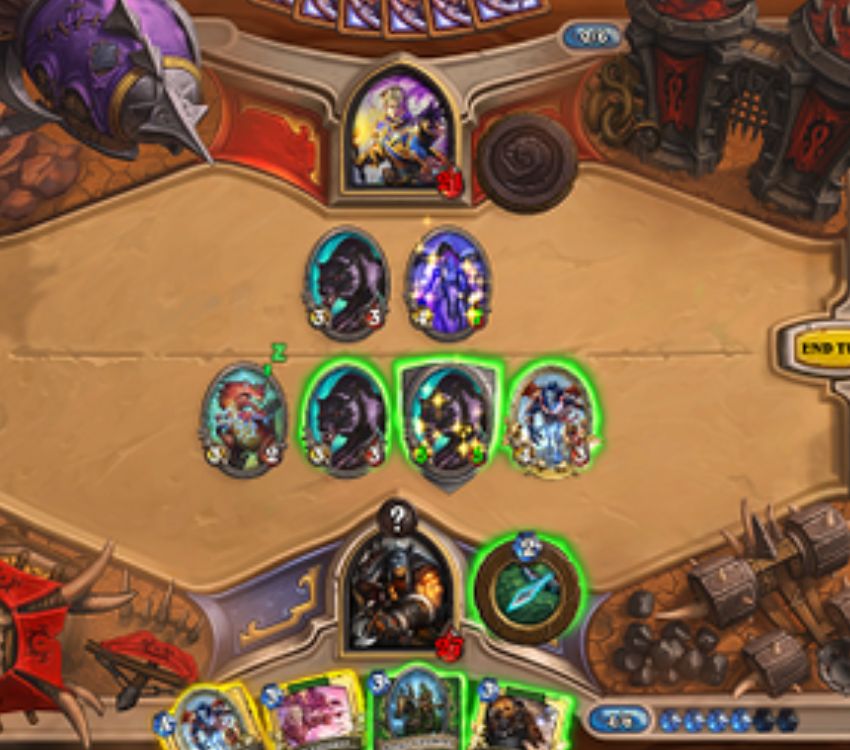
Hearthstone is a digital collectible card game focused on building decks and making tactical decisions during matches. Players take turns playing cards, managing mana, and trying to reduce their opponent’s health to zero. The tutorial system is one of its biggest strengths. New players are guided through basic mechanics before being introduced to more complex interactions. Each match is relatively short, and the game’s visual cues make it easy to understand what is happening. Over time, players naturally learn about synergy, probability, and long-term planning through deck construction.
10. Fire Emblem: Three Houses
Fire Emblem: Three Houses blends tactical combat with character-driven storytelling. Battles take place on grid maps where players move units strategically and consider weapon types, positioning, and teamwork. What makes it beginner-friendly is its adjustable difficulty and forgiving systems. Players can choose modes that allow them to recover from mistakes, and battles are turn-based, giving plenty of time to think. The game also clearly explains combat outcomes before actions are confirmed, helping players understand cause and effect. It’s an excellent introduction to deeper tactical role-playing games.
11. Northgard
Northgard is a real-time strategy game centered on Viking clans settling new lands. Players gather resources, expand territory, and survive harsh winters while competing against rival clans and environmental dangers. Careful planning is essential to ensure your settlement thrives through changing seasons and unexpected events. Unlike many fast-paced RTS games, Northgard has a slower, more deliberate rhythm. The campaign mode gradually introduces mechanics such as food production, happiness, military strength, exploration, and territory control. Because systems are streamlined and clearly presented, beginners can focus on understanding resource balance, expansion timing, and defensive planning without feeling overwhelmed by rapid multitasking.
12. Chess
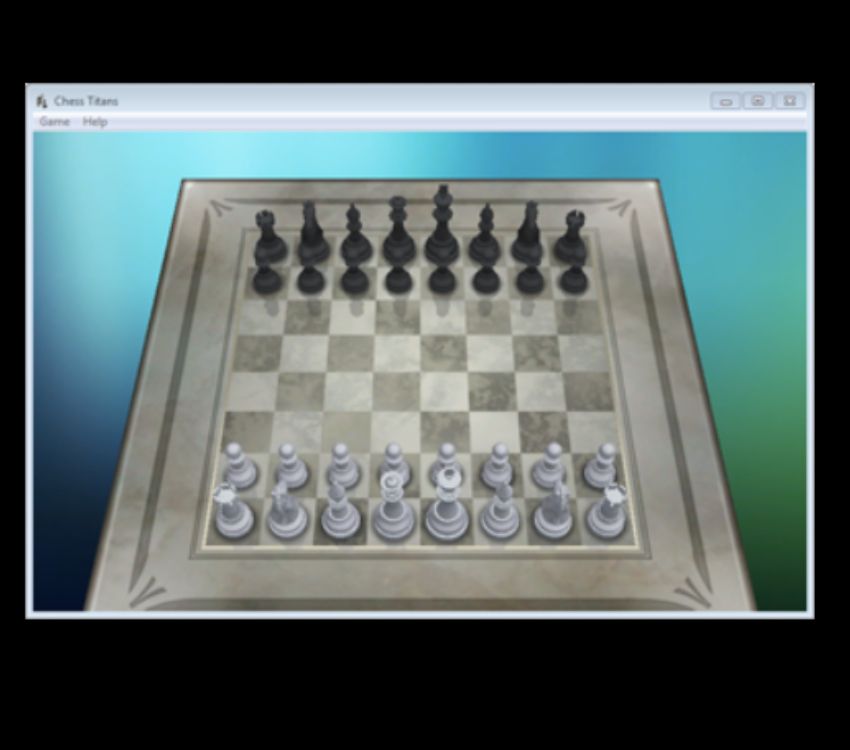
Chess remains one of the most accessible yet deep strategy games ever created. Each piece has a specific movement pattern, and the objective is simply to checkmate the opponent’s king. Despite its simple goal, every move can dramatically change the balance of the board, making careful thought essential from the very beginning. The basic rules can be learned in a short time. Movement patterns are easy to remember, and countless tutorials are available both online and offline for players of all ages. While mastering chess can take years of dedicated practice, beginners can start playing meaningful games almost immediately.