


Horror games are at their best when they don’t just scare you, they unsettle you. True tension isn’t about constant jump scares or loud noises. It’s about atmosphere, vulnerability, and the feeling that something could go wrong at any moment. The most effective horror games create dread through pacing, limited resources, psychological pressure, and unpredictable threats. They manipulate silence just as effectively as sound, and they make players question whether moving forward is worth the risk. These are eight horror games that players consistently describe as genuinely tense experiences, not just frightening, but emotionally exhausting in the best way.
1. Alien: Isolation
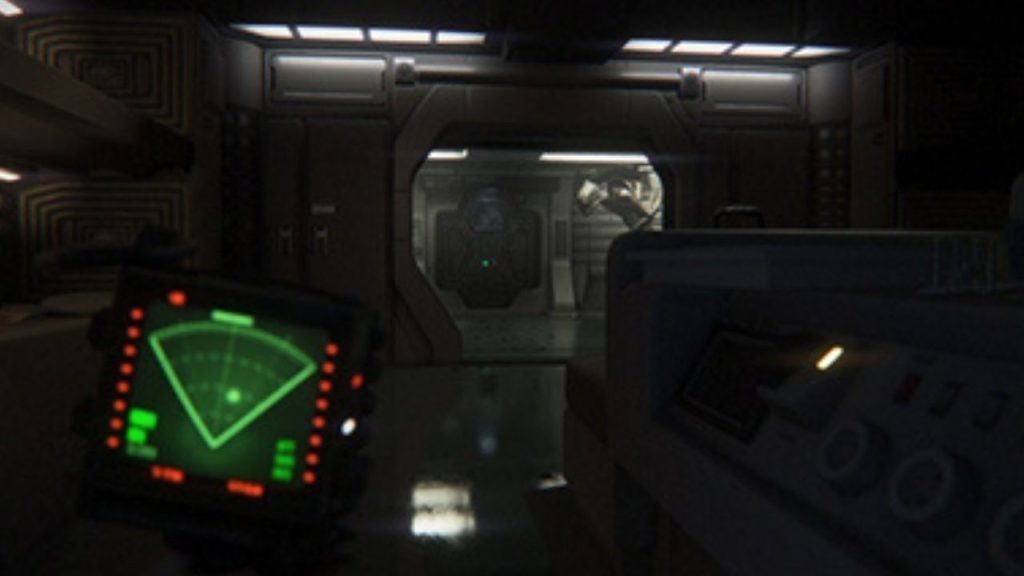
Few games capture pure, sustained tension like Alien: Isolation. Set in a decaying space station, players are hunted by a single, highly intelligent Xenomorph that adapts to their behavior over time. The alien reacts to sound, investigates disturbances, and learns common hiding spots, making predictable strategies ineffective. You cannot kill it, only delay it temporarily. Resources such as crafting materials and tools are scarce, forcing careful decision-making. The game’s sound design, from distant metallic clangs to sudden ventilation movement, keeps players constantly alert. Even moments of silence feel heavy with threat, creating relentless psychological pressure. The unpredictability of the alien’s movements means that no encounter feels scripted, making every step through the station a nerve-wracking gamble.
2. Outlast
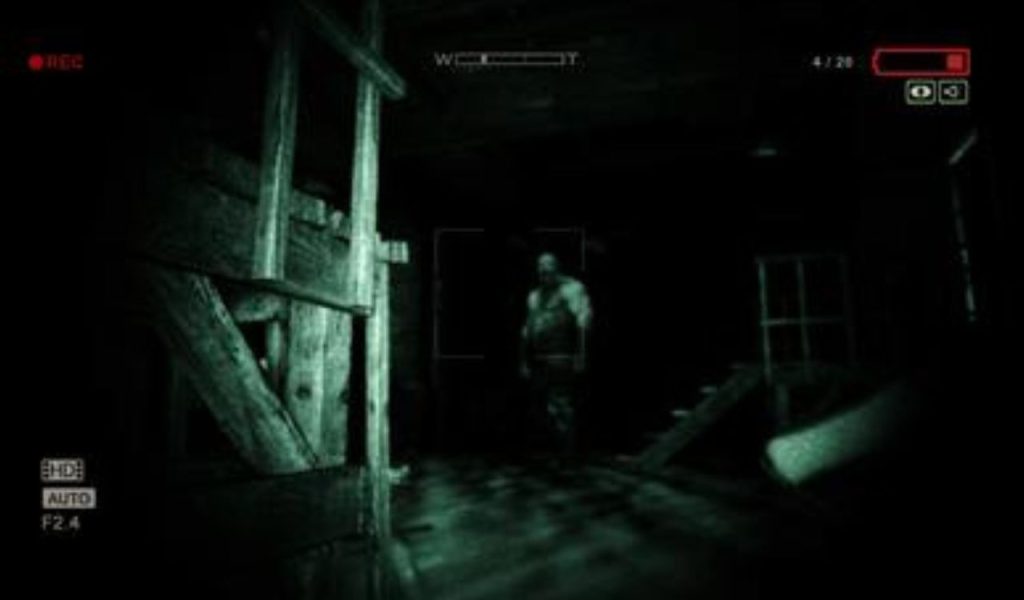
Outlast removes the comfort of combat entirely, leaving players defenseless in a horrifying asylum filled with unstable inmates. Armed only with a camcorder equipped with limited night vision, you must navigate pitch-black corridors and crumbling rooms. Batteries are scarce, and without power, you’re left vulnerable in complete darkness. Hiding under beds or inside lockers becomes a tense waiting game as enemies search nearby. The unpredictability of enemy patrols and sudden chase sequences amplifies anxiety. The constant vulnerability forces players to rely on stealth, timing, and quick thinking rather than brute strength. The game rarely gives players time to feel safe, maintaining high tension through relentless pursuit and oppressive environments.
3. Amnesia: The Dark Descent
In Amnesia: The Dark Descent, players explore a shadowy castle while uncovering fragments of memory. What makes the game so tense is its sanity system. Staying too long in darkness or witnessing disturbing events causes visual and auditory distortions, increasing panic. You cannot fight the monsters; you must hide or run. This helplessness heightens every encounter. The game’s subtle environmental storytelling and haunting sound design create dread long before enemies appear. Doors creak, wind whispers through halls, and shadows move unpredictably. The anticipation of danger often proves more terrifying than confrontation. The slow build of fear ensures that even minor sounds can trigger genuine panic.
4. Resident Evil 7: Biohazard
Resident Evil 7 marked a return to survival horror roots with a first-person perspective that intensifies immersion. Trapped inside a decaying plantation house, players are stalked by members of the disturbing Baker family. Ammunition and healing items are limited, making every encounter risky. Exploration is slow and methodical, with locked doors and hidden pathways encouraging careful observation. The grotesque imagery and sudden confrontations are balanced by stretches of quiet tension. The sense of isolation within confined spaces makes every creaking floorboard or distant footstep feel like an immediate threat. The shift to first-person view places players directly in danger, heightening emotional investment in every encounter.
5. P.T.
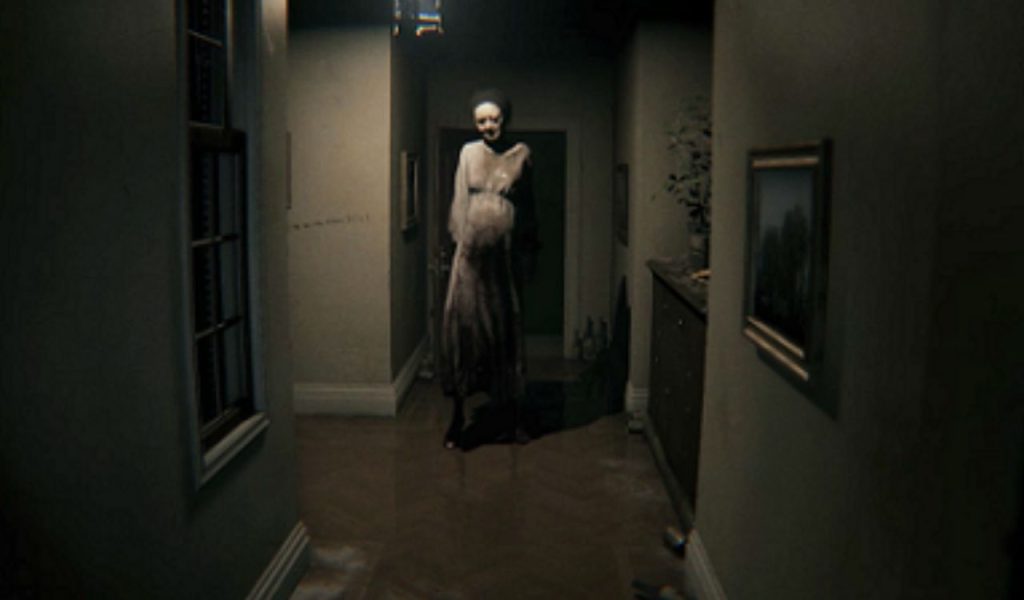
Despite being only a short playable teaser, P.T. remains one of the most tense horror experiences ever created. The game takes place in a looping hallway that subtly changes with each repetition. Small details, a flickering light, a shifting painting, distant whispers, gradually escalate into deeply unsettling events. The lack of clear objectives adds to the unease, leaving players uncertain about what triggers progress. Psychological manipulation drives the fear rather than traditional mechanics. Even after finishing it, many players report lingering discomfort due to its masterful pacing and atmosphere. Its minimalism proves that fear thrives in uncertainty and imagination.
6. The Evil Within
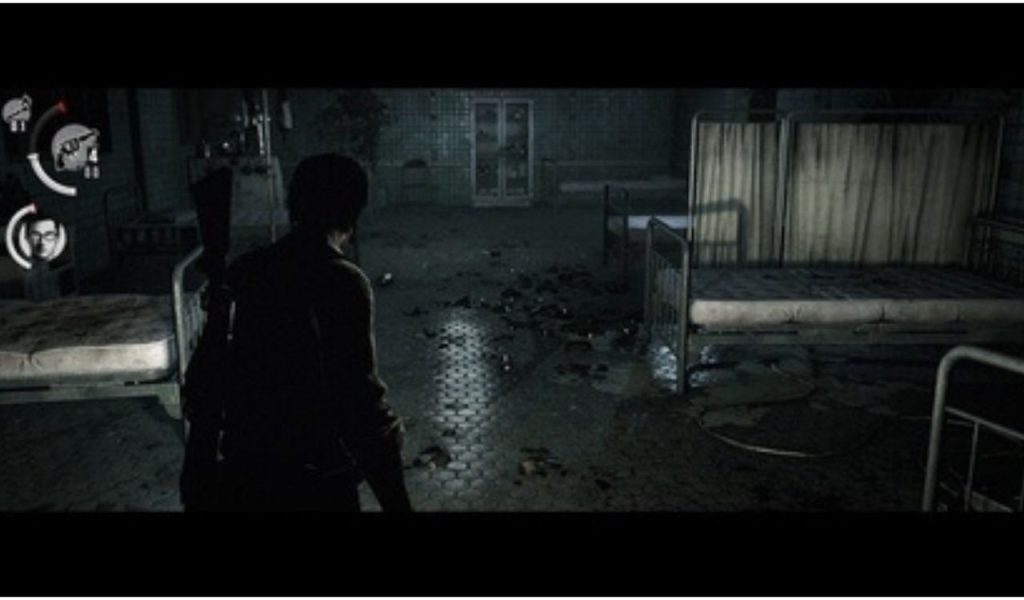
The Evil Within blends psychological horror with survival mechanics that constantly test preparedness. Players face grotesque enemies in shifting, nightmarish environments where reality itself seems unstable. Ammunition is limited, forcing careful targeting and resource management. Traps are scattered throughout levels, requiring slow, cautious movement. Sudden environmental transitions keep players disoriented. Boss encounters are especially tense, demanding a strategy rather than brute force. The unpredictable nature of both enemies and surroundings ensures that no area ever feels truly safe. The game’s disturbing imagery and shifting perspectives keep players questioning what is real.
7. Dead Space
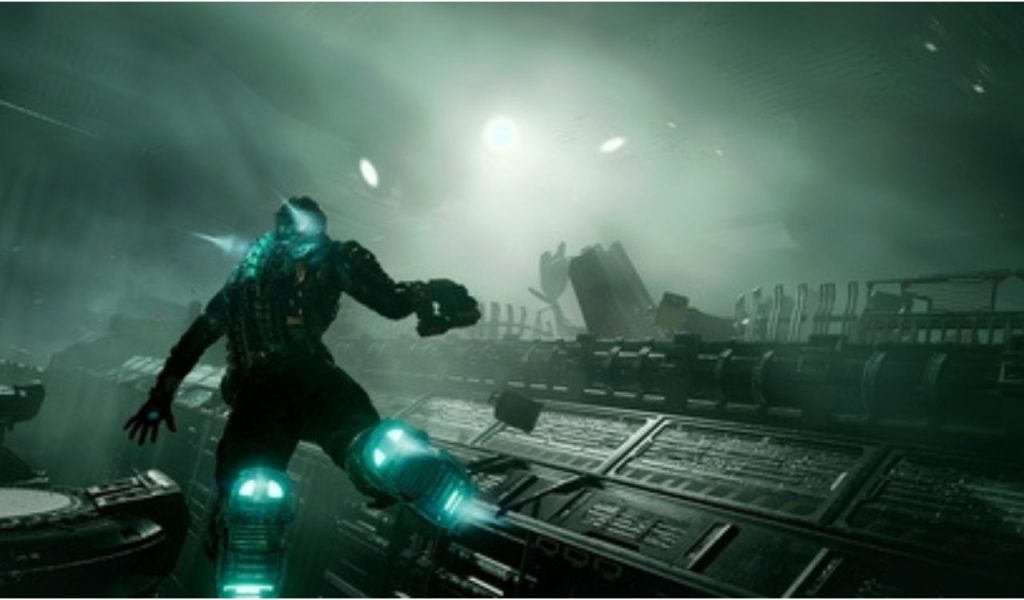
Set aboard a massive mining ship overrun by horrifying Necromorphs, Dead Space creates tension through isolation and immersive design. The game minimizes traditional HUD elements, embedding health and ammo indicators directly into the character’s suit for greater immersion. Combat requires strategic limb dismemberment, adding a layer of precision under pressure. Enemies often ambush from vents or dark corners, accompanied by chilling audio cues. The oppressive atmosphere of the ship, combined with limited resources and sudden attacks, keeps players constantly on edge from start to finish. The heavy silence between encounters often feels more frightening than combat itself.
8. Silent Hill 2
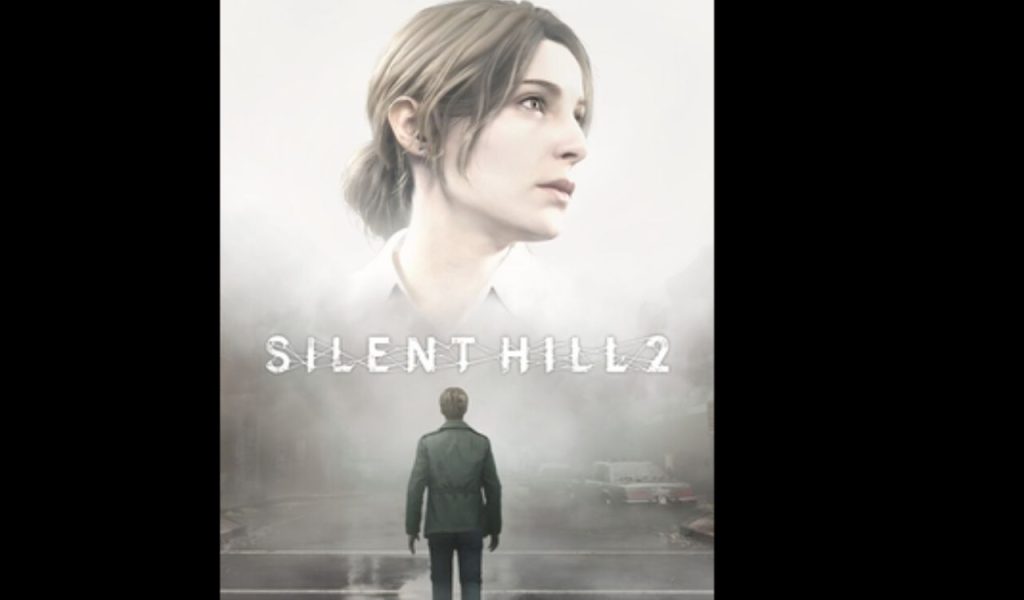
Silent Hill 2 builds tension through psychological depth rather than constant action. The fog-covered town limits visibility, creating uncertainty about what lies ahead. Radio static signals approach danger, but rarely reveal exactly where threats are coming from. The slow pacing allows dread to settle gradually. Monsters serve as symbolic reflections of guilt and trauma, adding emotional weight to each encounter. Its haunting soundtrack and disturbing imagery create a lingering sense of unease that stays with players long after the credits roll. The emotional storytelling elevates the horror beyond physical threats, making it deeply personal and unforgettable.