


Exploration has always been at the heart of adventure gaming, but the best titles go beyond simply offering large maps. They design worlds that actively respond to curiosity. Whether through hidden lore, rare equipment, environmental storytelling, or unexpected emotional moments, these games make wandering feel intentional and worthwhile. In an era where many titles rely heavily on quest markers and checklists, true exploration-focused games trust players to look beyond the obvious path. They reward patience, observation, and a willingness to step into the unknown. Below is a deeper look at twelve adventure games that turn exploration into one of the most meaningful mechanics in the experience.
1. The Legend of Zelda: Breath of the Wild

What makes Breath of the Wild so powerful is how naturally it encourages curiosity. There is no rigid order in which objectives must be completed, and nearly every visible landmark can be reached. If a mountain catches your eye, you can climb it. If a strange rock formation seems suspicious, it likely hides a puzzle. Shrines are cleverly tucked away in unexpected places, and environmental details often hint at secrets without explicitly revealing them. The game rarely interrupts exploration with excessive instructions, allowing players to feel genuine ownership over their discoveries. That sense of freedom transforms simple wandering into a personal adventure unique to each player.
2. Red Dead Redemption 2

In Red Dead Redemption 2, exploration rewards players not only with items or upgrades but with storytelling depth. Venturing into remote areas may uncover abandoned settlements filled with subtle environmental narratives. Players might stumble upon eerie mysteries, hidden treasure maps, or rare wildlife encounters that never appear in the main story path. The dynamic world system ensures that even routine travel can result in surprising interactions. Weather patterns, time of day, and random events contribute to a living ecosystem that responds to the player’s presence. Exploration becomes less about checklist completion and more about inhabiting a believable, breathing world that feels authentic and layered.
3. Elden Ring

Elden Ring stands out because it refuses to over-explain itself. The Lands Between are vast, mysterious, and often dangerous, yet the game rarely dictates where players should go next. Hidden catacombs, optional bosses, and entire secret regions can be missed if players do not actively explore. Some of the strongest equipment and most fascinating lore details are tucked behind obscure puzzles or tucked away in distant corners of the map. Even NPC questlines evolve in subtle ways depending on where and when players explore. This design philosophy makes exploration feel essential rather than optional, reinforcing the idea that curiosity is the key to mastery.
4. Subnautica

The alien ocean of Subnautica creates a unique emotional dynamic tied directly to exploration. The deeper players dive, the more both the rewards and dangers increase. Rare crafting materials, story revelations, and advanced blueprints lie hidden in deeper biomes, forcing players to confront fear and uncertainty. The gradual expansion of oxygen capacity and submarine upgrades gives a tangible sense of progression tied directly to how far one is willing to explore. Rather than overwhelming players with markers, the game uses environmental clues and radio signals to guide curiosity naturally. Exploration here feels tense, immersive, and deeply rewarding because every risk carries meaningful progression.
5. Hollow Knight

In Hollow Knight, new abilities such as wall-jumping or dashing unlock entirely new routes in earlier areas, making exploration cyclical and deeply interconnected. Hidden dream bosses, secret endings, and optional challenges reward those who stray from the obvious path. The game’s atmospheric storytelling also encourages exploration, as small environmental details hint at larger historical tragedies within the fallen kingdom. There are no intrusive quest logs pushing players forward; instead, discovery happens organically. Each new area feels earned, and returning to previously explored zones often reveals secrets that were invisible during earlier visits.
6. Outer Wilds

Exploration in Outer Wilds is driven entirely by knowledge. Players are placed inside a time loop and must unravel the mysteries of a collapsing solar system. There are no combat upgrades or traditional skill trees—progress comes solely from understanding planetary mechanics and ancient clues. Each celestial body hides interconnected information that gradually forms a larger narrative picture. Because the game avoids hand-holding, every discovery feels like a breakthrough. Exploration becomes a process of scientific curiosity, observation, and experimentation. The satisfaction of solving its mysteries stems not from power accumulation but from intellectual discovery and emotional revelation.
7. The Witcher 3: Wild Hunt

While its main story is widely praised, The Witcher 3 truly shines in how it rewards players who explore beyond primary objectives. Seemingly minor side quests often contain moral complexity and character depth equal to main missions. Hidden treasure contracts, monster hunts, and secret locations are scattered across war-torn landscapes. Environmental storytelling—such as ruined villages or abandoned battlefields—adds historical weight to exploration. Rather than filler content, optional discoveries often expand the emotional scope of the world. This design ensures that exploration feels purposeful and narratively rich rather than repetitive or shallow.
8. No Man’s Sky
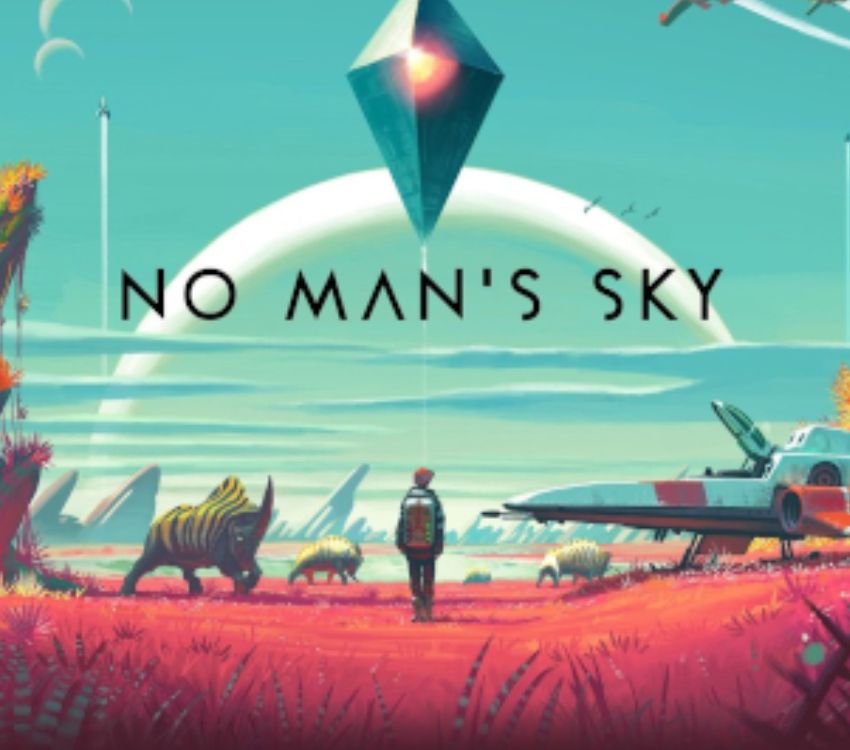
Over time, No Man’s Sky has evolved into a celebration of boundless exploration. With billions of procedurally generated planets, players can discover unique ecosystems, rare starships, and ancient alien relics. Updates have introduced base-building, underwater exploration, and deeper multiplayer systems, giving exploration long-term significance. While not every planet is extraordinary, the possibility of stumbling upon something truly rare drives continued curiosity. The sense of scale is immense, and the journey between systems often becomes just as engaging as the destinations themselves.
9. Ghost of Tsushima

Ghost of Tsushima encourages exploration through elegant and immersive design choices that prioritize atmosphere over intrusive interface elements. Instead of cluttering the screen with navigation icons and constant markers, the guiding wind subtly directs players toward objectives, allowing the natural environment to act as the primary compass. Hidden shrines, fox dens, bamboo strikes, and hot springs reward those who step off the main path, offering tangible upgrades alongside moments of quiet reflection. Many customization options, armor sets, and abilities are discovered organically through wandering rather than checklist-driven progression.
10. Assassin’s Creed Odyssey

Ancient Greece in Assassin’s Creed Odyssey is vast and richly detailed, filled with sunlit islands, underwater ruins, towering mountain fortresses, dense forests, and mythological encounters inspired by classical legend. Exploration consistently leads to legendary weapons, hidden armor sets, branching questlines, and encounters with both historical figures and creatures drawn from Greek mythology. Naval travel between islands strengthens the feeling of adventure, turning the Aegean Sea into a living highway of discovery rather than a space between objectives. While the map is undeniably large, its layered points of interest and environmental storytelling ensure that players who investigate distant markers, forgotten caves, or quiet coastlines are rewarded with meaningful content instead of repetitive filler.
11. Journey

Journey takes a minimalist approach to exploration, focusing less on material rewards and more on emotional resonance. Hidden murals and subtle environmental changes deepen the story without explicit dialogue, encouraging players to interpret meaning through imagery and movement rather than exposition. The vast desert landscapes feel both isolating and serene, guiding players forward through visual cues like light, architecture, and distant mountains on the horizon. Discovering secret passages or encountering another anonymous player enhances the sense of connection and quiet mystery, creating moments that feel organic and deeply personal. Exploration here is contemplative rather than mechanical, proving that reward does not always need to be tangible to be meaningful and that atmosphere alone can leave a lasting impact.
12. Skyrim

Even more than a decade after release, Skyrim remains synonymous with exploratory freedom. Players frequently uncover hidden questlines by simply wandering into caves or speaking with random NPCs. Daedric shrines, secret factions, and powerful artifacts are scattered across snowy mountains and dense forests. The open-ended character progression system ensures that exploration shapes the player’s identity naturally. Rather than forcing strict progression paths, the game allows the world itself to guide adventure. This enduring design philosophy explains why players continue returning to its vast landscape years later, still discovering secrets they somehow missed before.