



For many kids growing up in the 1990s, board games were more than just a way to pass the time; they were a central part of childhood. Before smartphones, social media, and streaming platforms dominated free time, entertainment often meant sitting cross-legged on the living room floor, gathered around a colorful board with friends or family. Game nights were filled with laughter, competition, dramatic comebacks, and the occasional argument over the rules. These games quietly taught us strategy, planning, and how to lose gracefully. Whether quick rounds or sleepover marathons, they created lasting memories.
1. Monopoly
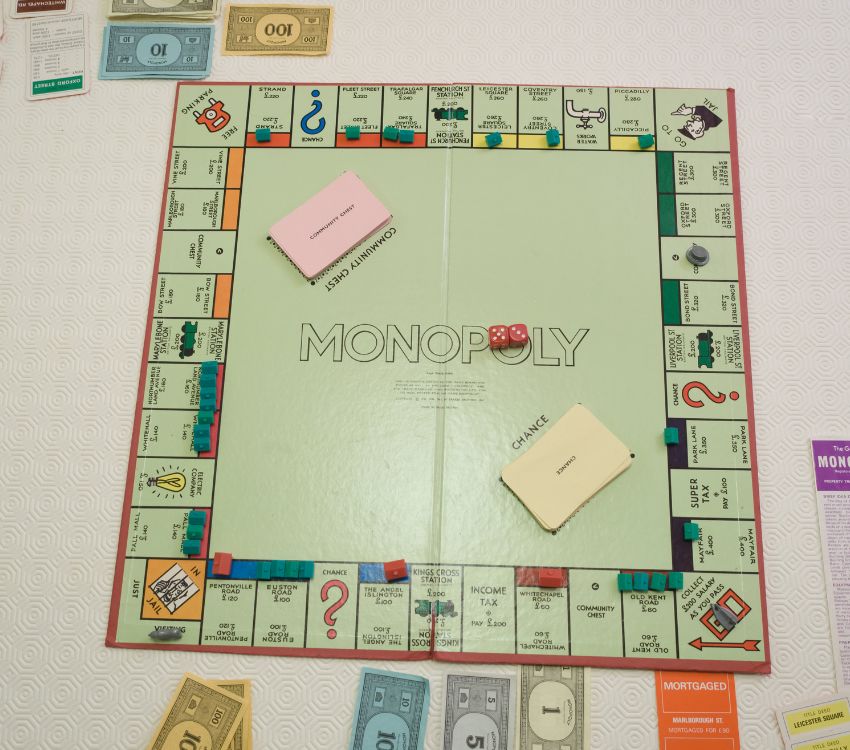
Few games in the ’90s household collection were as legendary or as long as Monopoly. What often started as a friendly family game night could quickly turn into a multi-hour battle of strategy, patience, and negotiation skills. Players eagerly chose their tokens, whether it was the dog, the car, or the top hat, and set out to buy properties, collect rent, and slowly build their empire. Monopoly was often a child’s first introduction to basic financial concepts. Buying property, charging rent, mortgaging assets, and budgeting cash became second nature during gameplay. But beyond the money lessons, it also taught negotiation and risk-taking.
2. Clue
Clue transformed ordinary kids into master detectives. Set inside a mysterious mansion, the objective was simple but thrilling: figure out who committed the crime, where it happened, and which weapon was used. With suspects like Colonel Mustard and Miss Scarlet, and rooms like the conservatory and ballroom, the game created an atmosphere of suspense that kept everyone engaged. Unlike games based purely on luck, Clue required logical thinking and careful observation. Players tracked clues, made notes, and eliminated possibilities one by one. Each suggestion made during the game added new information, slowly narrowing down the mystery.
3. The Game of Life
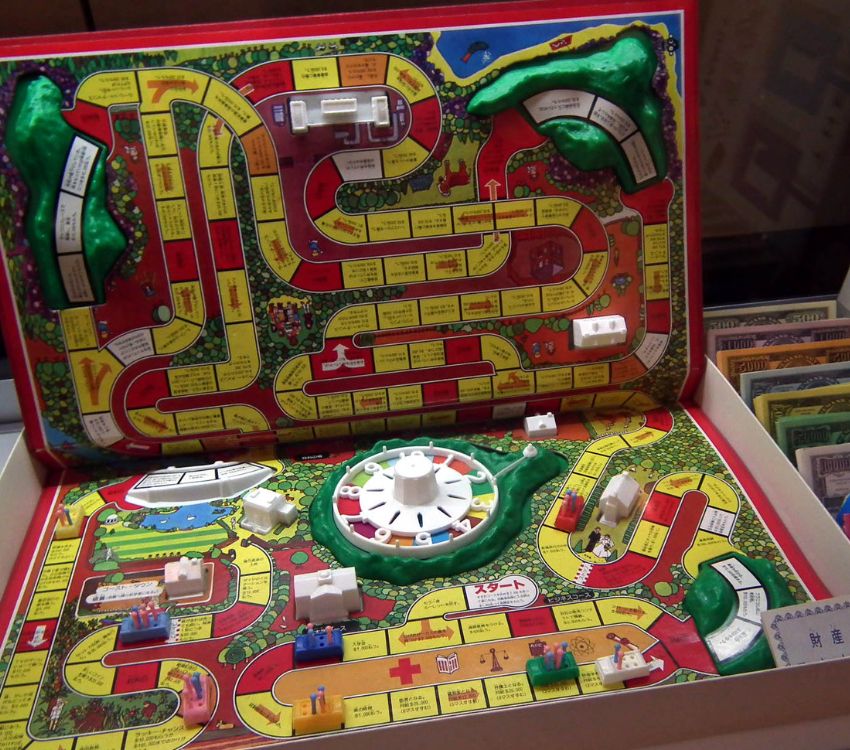
The Game of Life offered kids a colorful, fast-paced journey through a miniature version of adulthood. Players spun the wheel and moved along a winding board filled with major life milestones, choosing a career, going to college, getting married, buying a house, and having children represented by tiny plastic pegs. What made this game so memorable was its bright design and unpredictable events. You never quite knew what would happen next. One spin could land you a big payday, while another might saddle you with unexpected expenses. It was chaotic in the most entertaining way.
4. Sorry!
Sorry! was deceptively simple but fiercely competitive. The objective was straightforward: move all your pawns from the start to home before anyone else. However, the game’s signature mechanic allowed players to send opponents’ pieces back to the beginning with a single card. That’s where the real excitement began. The word “Sorry!” printed on the card often felt anything but apologetic. The thrill of knocking a sibling’s pawn back to square one was balanced by the dread of having it happen to you. The game relied partly on luck through card draws, but timing and decision-making still mattered. Choosing which pawn to move, when to take risks, and how to block opponents added surprising depth.
5. Candy Land
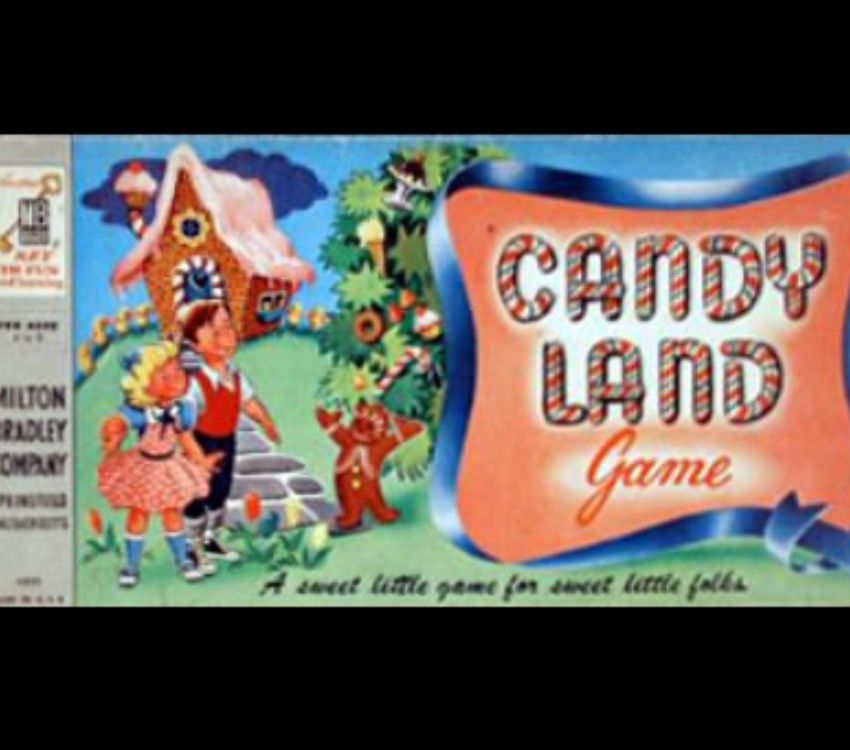
Candy Land was often one of the very first board games kids learned to play. Its bright colors, whimsical characters, and simple rules made it instantly appealing. Unlike many other games, it didn’t require reading skills, which meant even the youngest players could fully participate. The game followed a rainbow path through a sugary world filled with gumdrop mountains and candy castles. Players drew cards that determined how far they moved, making the outcome entirely luck-based. This design ensured that older players had no strategic advantage, keeping the game fair and fun for everyone. For ’90s kids, Candy Land was simple, sweet fun.
6. Operation
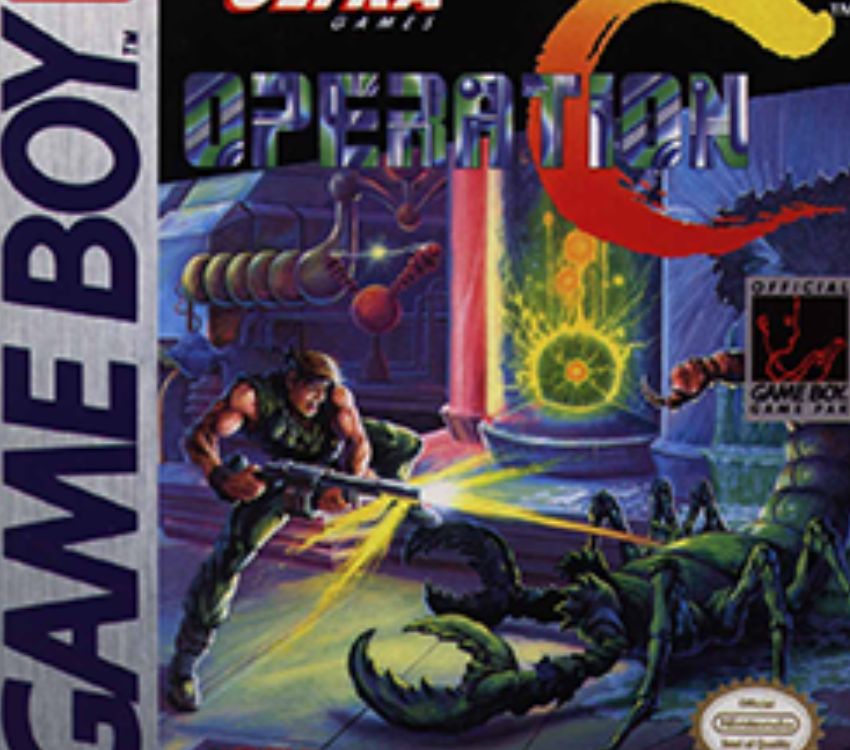
The operation brought tension and laughter to the table in equal measure. Players took turns acting as surgeons, carefully using metal tweezers to remove small plastic pieces from a patient without touching the edges of the openings. One wrong move triggered a loud buzz and a flashing red nose. The physical challenge of steady hands made this game unique. It wasn’t about strategy or luck; it was about focus and coordination. As the tweezers hovered nervously over the tiny openings, everyone watching held their breath in anticipation. The silly ailments added extra humor to the game.
7. Battleship
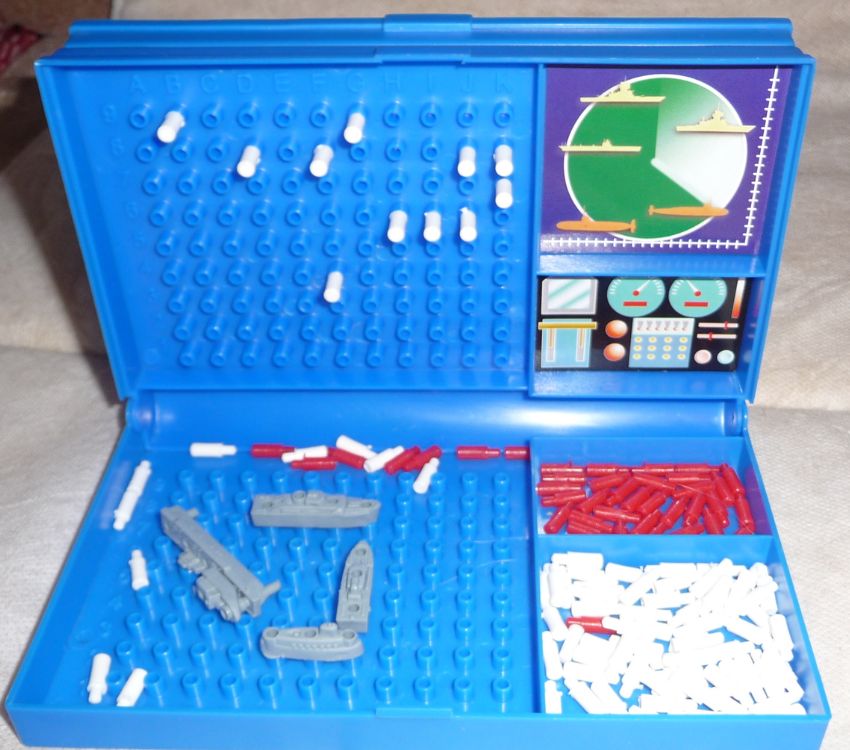
Battleship turned the kitchen table into a naval battlefield. With its plastic folding cases and tiny red and white pegs, the game felt tactical and intense from the very beginning. Each player secretly positioned their ships on a grid, carefully planning placements to avoid easy detection. Then the guessing began. Calling out coordinates like “B-7” or “E-4” created a rhythm that was both simple and suspenseful. Every “hit” raised excitement, while every “miss” built tension. The slow realization that your carefully hidden battleship had been discovered added drama to each round. Unlike luck-based games, Battleship rewarded memory and smart guessing.
8. Connect Four
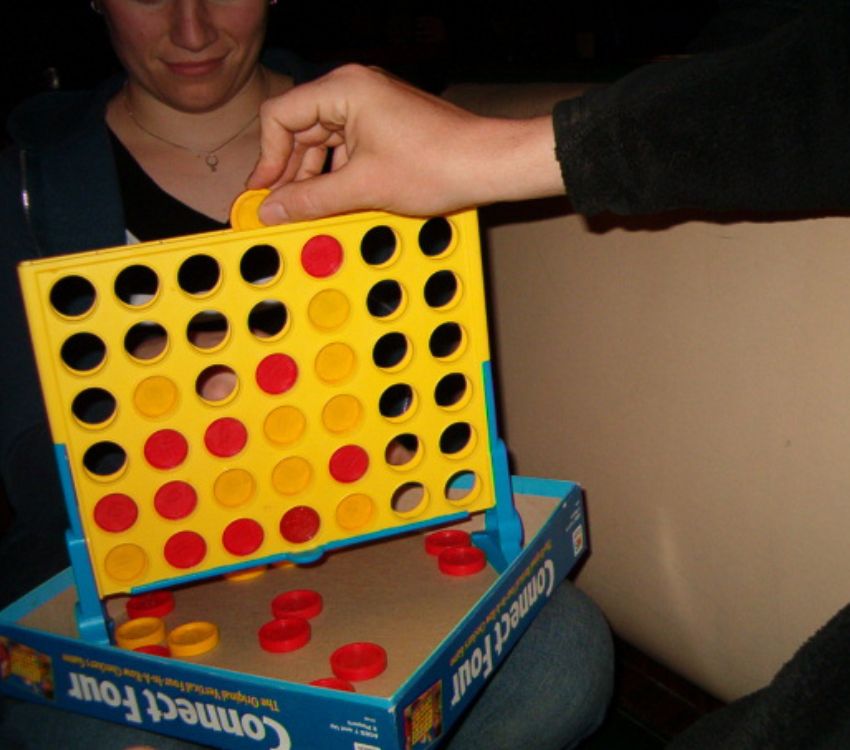
Connect Four may have looked simple, but it quickly proved how strategic a quick game could be. Players dropped red or yellow discs into a vertical grid, racing to line up four in a row horizontally, vertically, or diagonally before their opponent did. The fast-paced nature of the game made it perfect for short bursts of competition. Rounds often lasted just a few minutes, leading to rematches and friendly rivalries. It was easy to learn but surprisingly difficult to master. Skilled players learned to think several moves ahead, setting traps and forcing their opponents into defensive positions.
9. Trouble
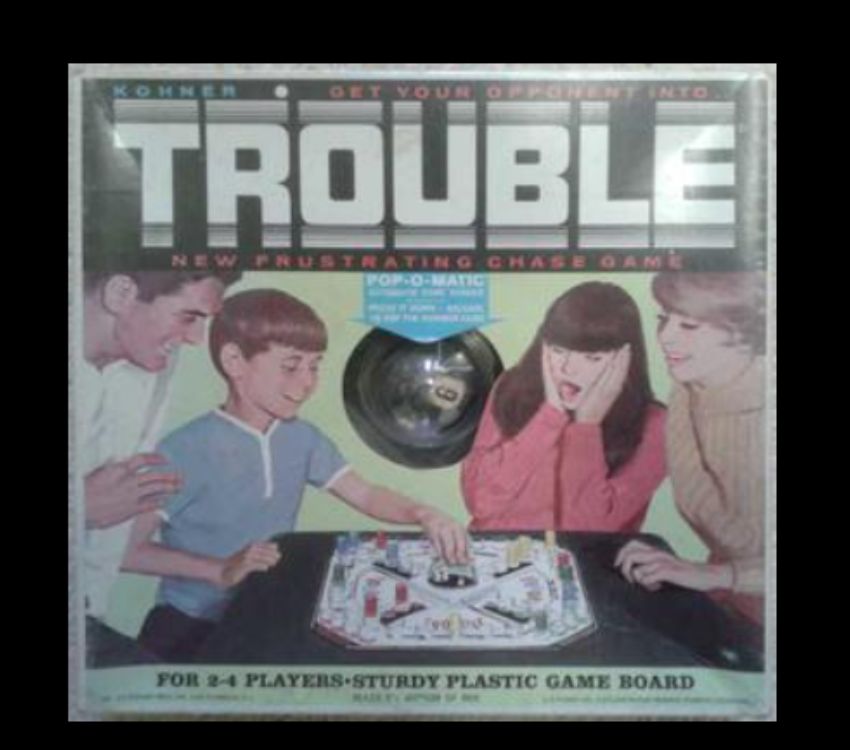
Trouble stood out thanks to its unmistakable Pop-O-Matic bubble. Instead of rolling dice by hand, players pressed the clear dome to “pop” the die inside. The satisfying sound and motion became one of the most memorable features of the game. Like other race-style games, the goal was to move all your pieces around the board and into the home zone before anyone else. However, landing on an opponent’s piece meant sending it back to the start, adding just enough rivalry to keep things interesting. Trouble mixed luck with fast-paced fun. The pop of the dome added excitement to every turn.
10. Guess Who?
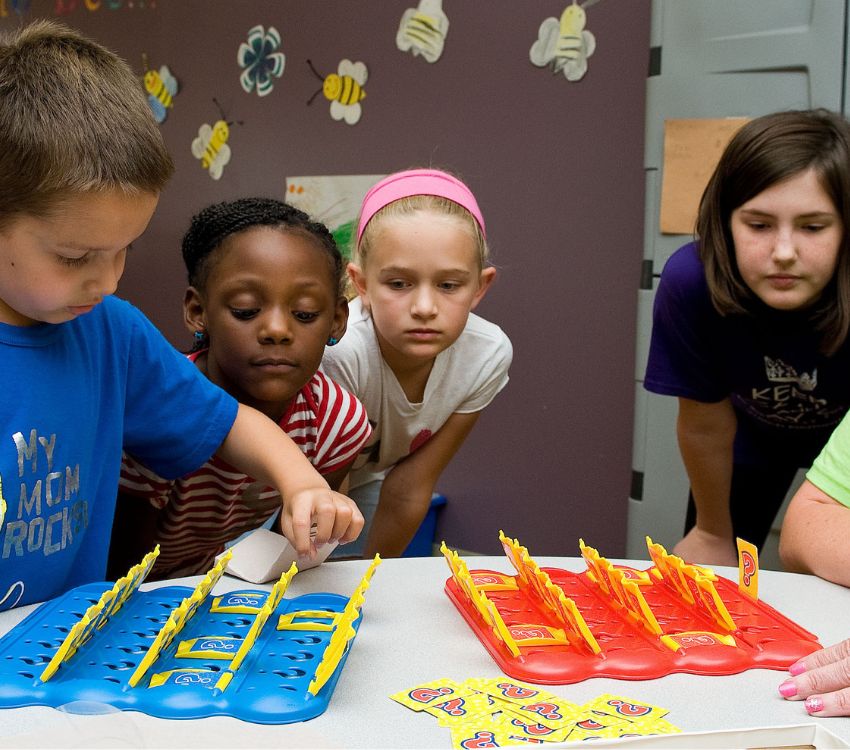
Guess Who? turned deduction into a face-to-face challenge. Each player selected a mystery character, and opponents asked yes-or-no questions to narrow down the possibilities. Questions like “Does your person wear glasses?” or “Do they have blonde hair?” quickly eliminated options as little plastic faces flipped down. The visual design made it especially engaging for kids. Watching rows of characters disappear as clues narrowed the field created a sense of progress and excitement. The key to winning was asking smart, strategic questions that eliminated the most options at once. Guess Who? built critical thinking and observation skills in a fun, simple way.
11. Pictionary
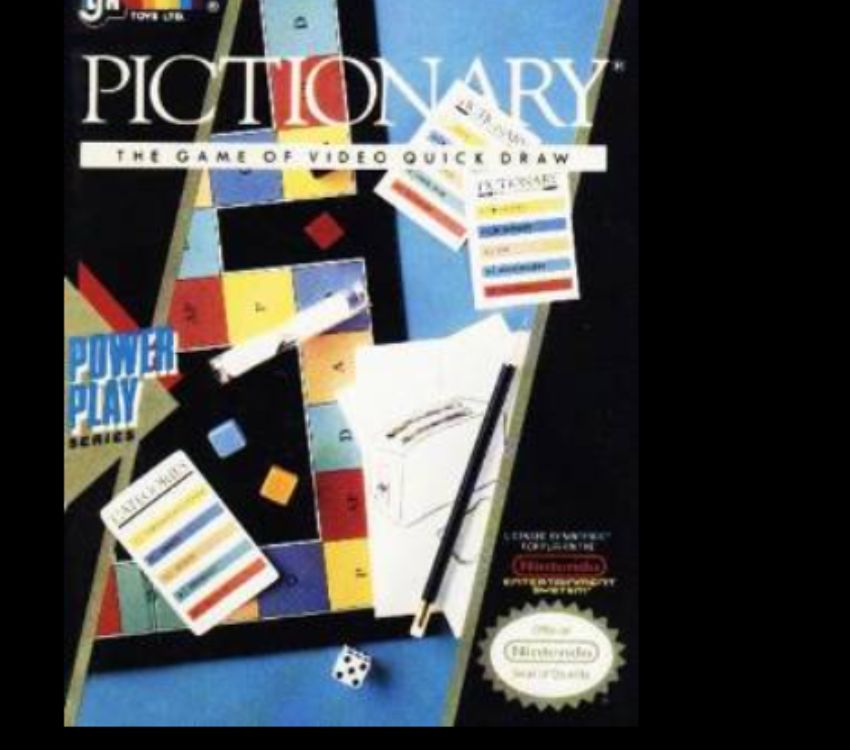
Pictionary brought out both hidden artistic talent and hilarious lack of it. Players divided into teams and raced against the clock to guess words or phrases based on quick sketches drawn by their teammates. The catch? No letters, numbers, or spoken hints were allowed. The pressure of the ticking timer often led to rushed drawings and wild guesses. What was meant to be a simple house could end up looking like a crooked square, and a “mountain” might somehow be guessed as “pizza.” Those mix-ups were often the funniest moments. Pictionary depended on teamwork and quick thinking.
12. Risk
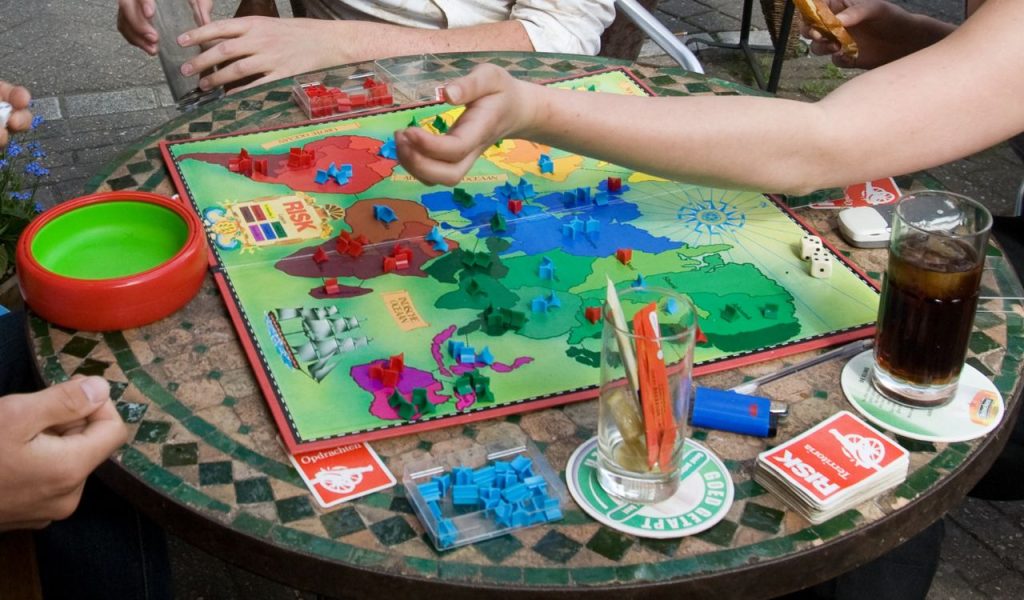
Risk was the ultimate strategy challenge for kids ready to level up from simpler board games. With a world map as its playing field, players commanded armies and attempted to conquer continents through calculated attacks and alliances. Unlike quick-play games, Risk demanded patience and long-term planning. Matches could stretch for hours, sometimes even across multiple days. Players formed temporary alliances, negotiated truces, and plotted surprise invasions. Trust was fragile, and betrayals were common once an opportunity for victory appeared. For many ’90s kids, Risk felt intense and grown-up.