

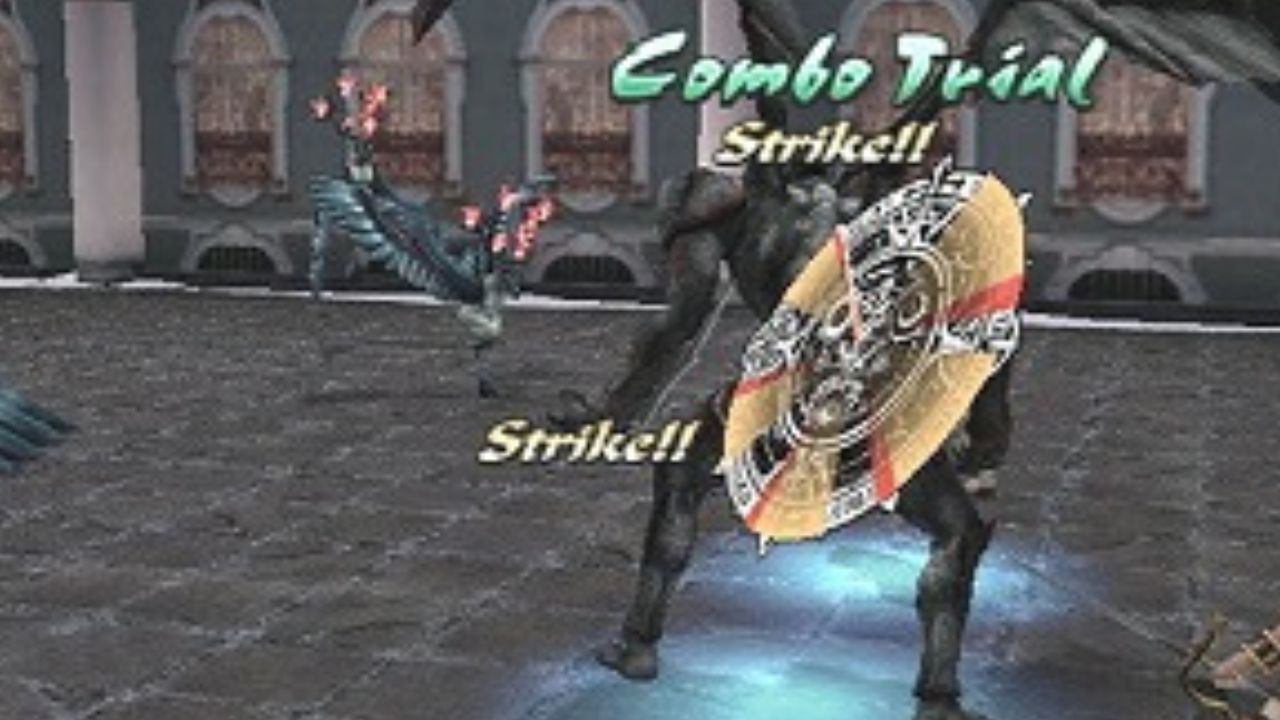

The PlayStation 2 era wasn’t just a high point for JRPG popularity; it was a period of creative risk-taking and genre expansion. Developers experimented with darker storytelling, unconventional battle systems, political narratives, hybrid mechanics, and ambitious world-building. While major franchises dominated sales charts, many equally imaginative titles quietly built cult followings without ever reaching mainstream success. Limited marketing, late release windows, or niche mechanics caused several excellent games to slip under the radar. Yet today, these overlooked JRPGs represent some of the most daring and distinctive design philosophies of the 2000s. For players interested in exploring beyond the obvious classics, the PS2 library remains a treasure trove of forgotten innovation.
1. Shadow Hearts: Covenant
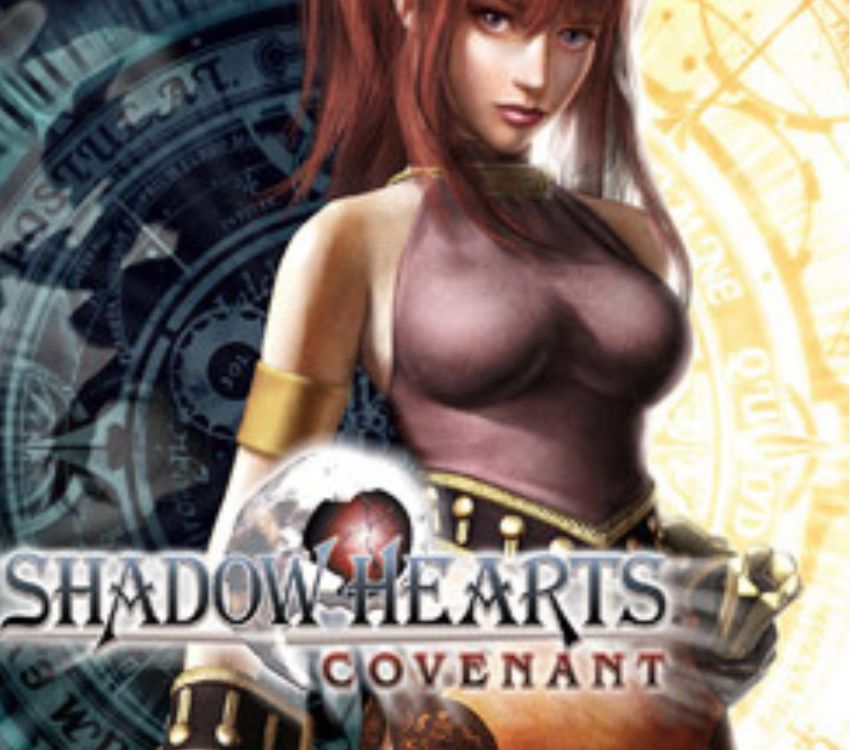
Set in an alternate World War I Europe infused with occult conspiracies, Shadow Hearts: Covenant delivers a rare blend of gothic horror and dark humor. Players follow Yuri Hyuga, a troubled protagonist capable of transforming into powerful demonic forms. The story moves across real historical locations twisted by supernatural forces, creating a haunting yet imaginative atmosphere. Combat revolves around the innovative “Judgment Ring” system, where timed button presses determine the strength and accuracy of attacks. This mechanic keeps turn-based battles engaging and skill-driven. Beyond combat, the game stands out for its mature themes, emotional character development, and surprisingly heartfelt moments beneath its grim exterior. It’s willingness to mix tragedy and absurd comedy.
2. Radiata Stories
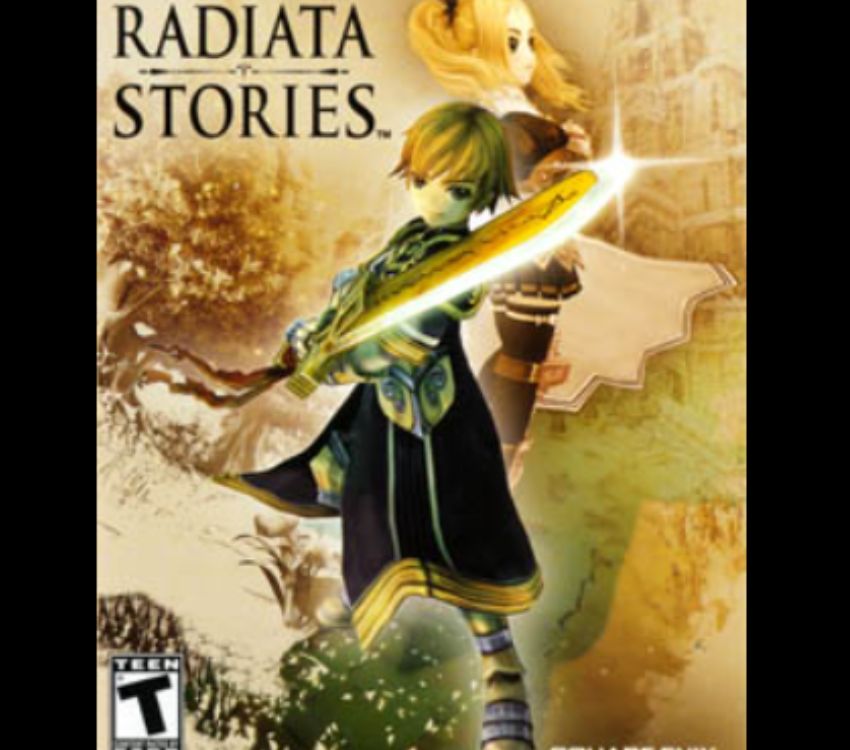
Radiata Stories presents a vibrant fantasy world where nearly every NPC follows a daily routine, giving towns a living, breathing quality rarely seen at the time. Players control Jack Russell, a young knight whose journey becomes entangled in a growing conflict between humans and non-human races. The game’s tone begins lighthearted but gradually introduces political and moral tensions. A defining feature is the ability to recruit over 170 characters, each with unique personalities and skills. Midway through the narrative, players choose between two opposing factions, leading to entirely different story paths and endings. Although the combat system is more accessible than other tri-Ace titles, the game’s charm lies in exploration, world-building, and replay value. Its branching structure encourages multiple playthroughs to see the full scope of its narrative.
3. Suikoden V
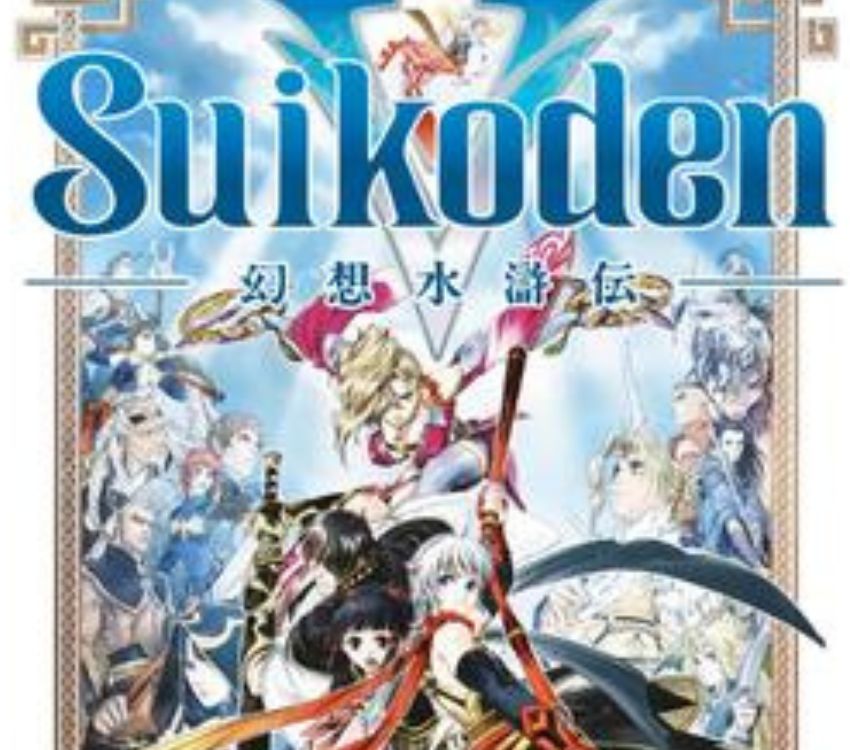
Often overlooked due to its late PS2 release, Suikoden V delivers one of the most politically complex stories in the franchise. Set in the Queendom of Falena, the narrative centers on royal succession, betrayal, and rebellion. The slow introduction carefully builds relationships before escalating into large-scale conflict. As tradition dictates, players recruit 108 “Stars of Destiny,” expanding both their party and their headquarters. The game blends standard turn-based battles with tactical war sequences and dramatic one-on-one duels. Character interactions and political intrigue drive the experience, giving weight to every alliance and betrayal.
4. Wild Arms 3
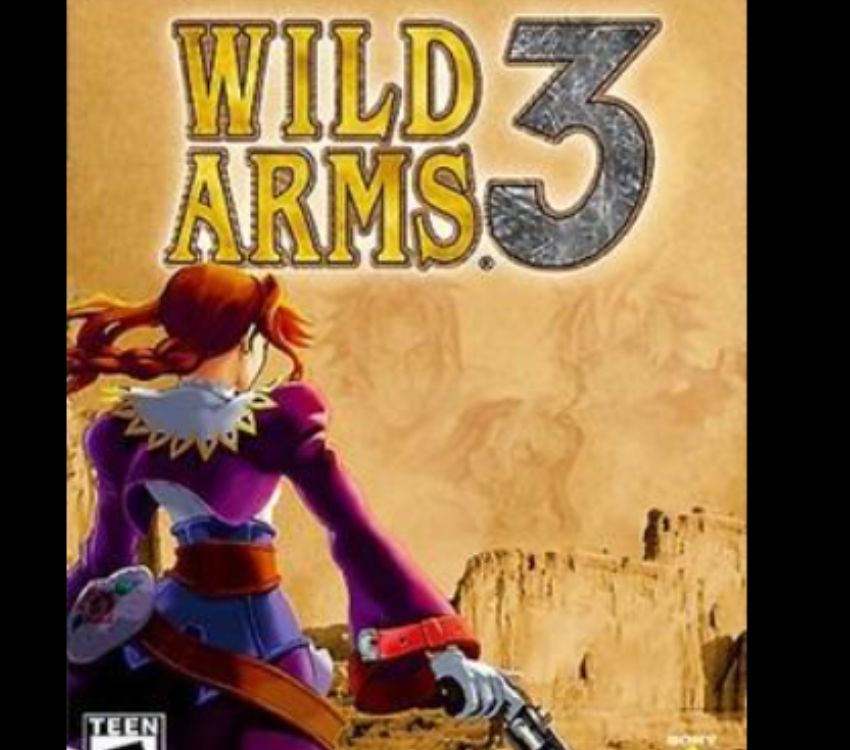
With its cel-shaded visuals and Wild West-inspired setting, Wild Arms 3 distinguishes itself immediately from traditional fantasy JRPGs. Set on the desert planet Filgaia, the story follows four drifters drawn together by ancient mysteries and advanced relic technology. The Western aesthetic, complete with firearms and dusty frontier towns, gives the game a unique identity. Dungeon design emphasizes puzzle-solving using each character’s tools, encouraging creative thinking outside of combat. Battles remain turn-based but reward careful planning and resource management. The game’s soundtrack reinforces its frontier tone, blending melancholy themes with adventurous melodies.
5. Arc the Lad: Twilight of the Spirits
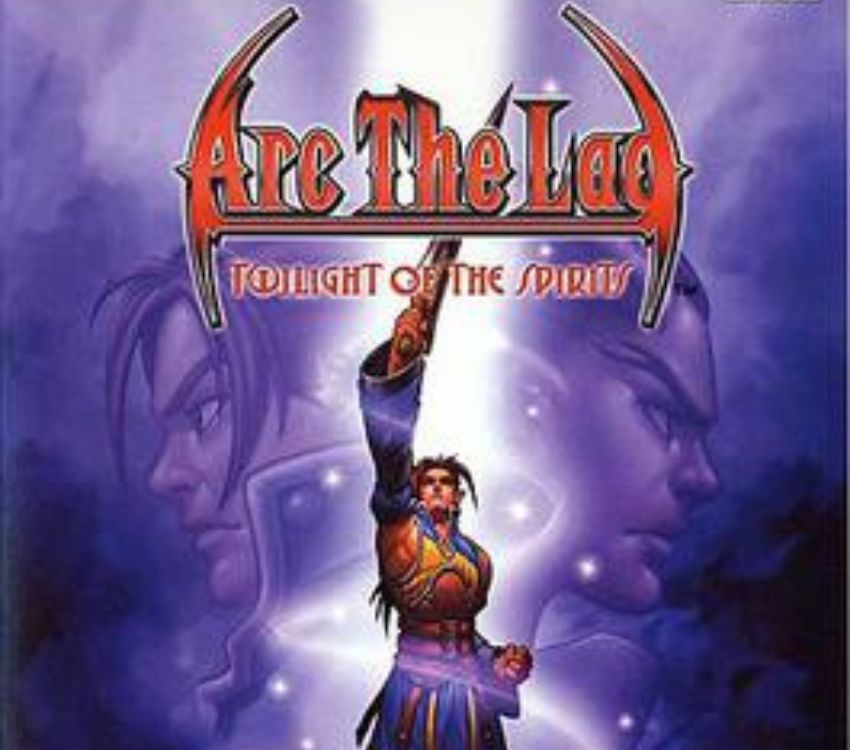
This tactical RPG tells parallel stories through two protagonists: Kharg, a human noble, and Darc, a member of the oppressed Deimos race. Their opposing perspectives explore prejudice, survival, and the devastating consequences of war. By shifting between viewpoints, the narrative presents moral ambiguity rather than simple heroism. Combat unfolds on grid-based battlefields where positioning and movement determine success. Strategic use of terrain and abilities adds depth to encounters. Outside battle, character-driven storytelling expands the world’s political and social tensions. Though it never achieved blockbuster recognition, its ambitious narrative structure and polished tactical gameplay make it a standout entry for fans of story-focused strategy RPGs.
6. Digital Devil Saga
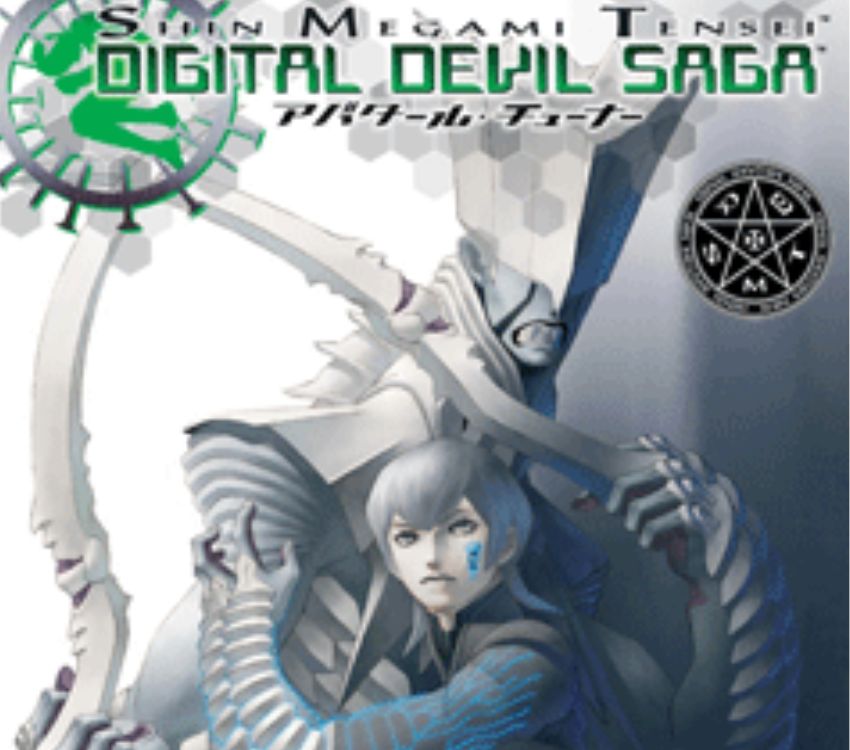
Set in a bleak digital wasteland, Digital Devil Saga explores survival in a world where tribes are forced into endless combat. Characters transform into demonic entities and devour enemies to gain power, reinforcing the game’s harsh themes of identity and evolution. Combat uses the strategic Press Turn system, rewarding players for exploiting weaknesses and planning carefully. Unlike other Shin Megami Tensei titles, this entry features a fixed party, allowing for deeper narrative focus and character development. Philosophical undertones concerning consciousness and morality elevate the story beyond simple dungeon crawling.
7. Xenosaga Episode I: Der Wille zur Macht (2002)
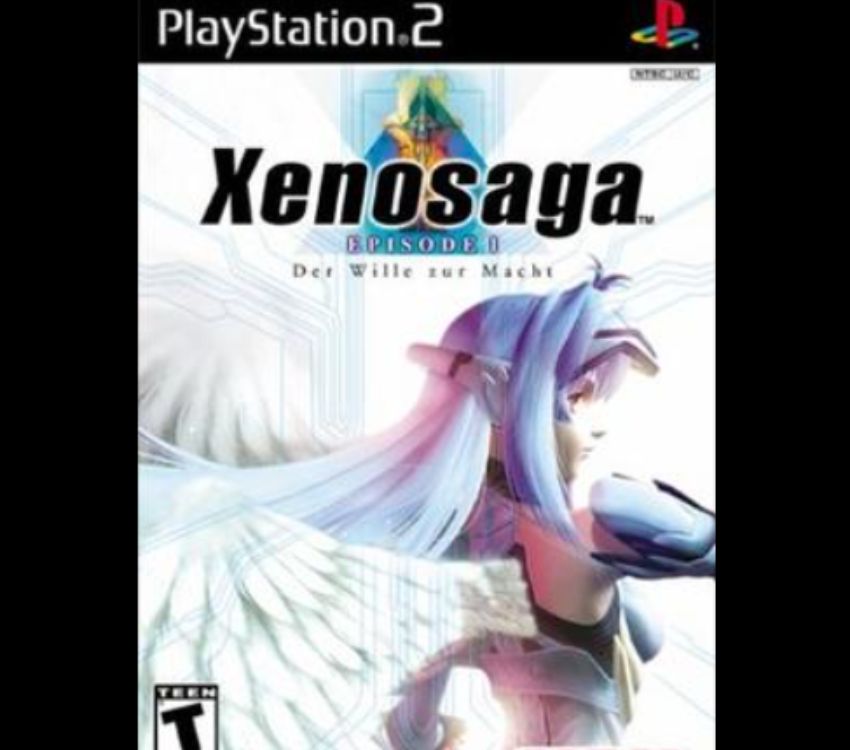
Xenosaga Episode I is renowned for its ambitious storytelling and cinematic presentation. The game dives deeply into themes of religion, artificial intelligence, and humanity’s place in the universe. Lengthy cutscenes and philosophical dialogue demand patience but reward attentive players. The battle system remains turn-based, incorporating combo chains and boost mechanics that allow players to manipulate turn order. While the pacing can feel deliberate, the intricate narrative and layered character motivations create a memorable science fiction saga. Its intellectual ambition distinguishes it from more conventional JRPGs of the era.
8. Valkyrie Profile 2: Silmeria
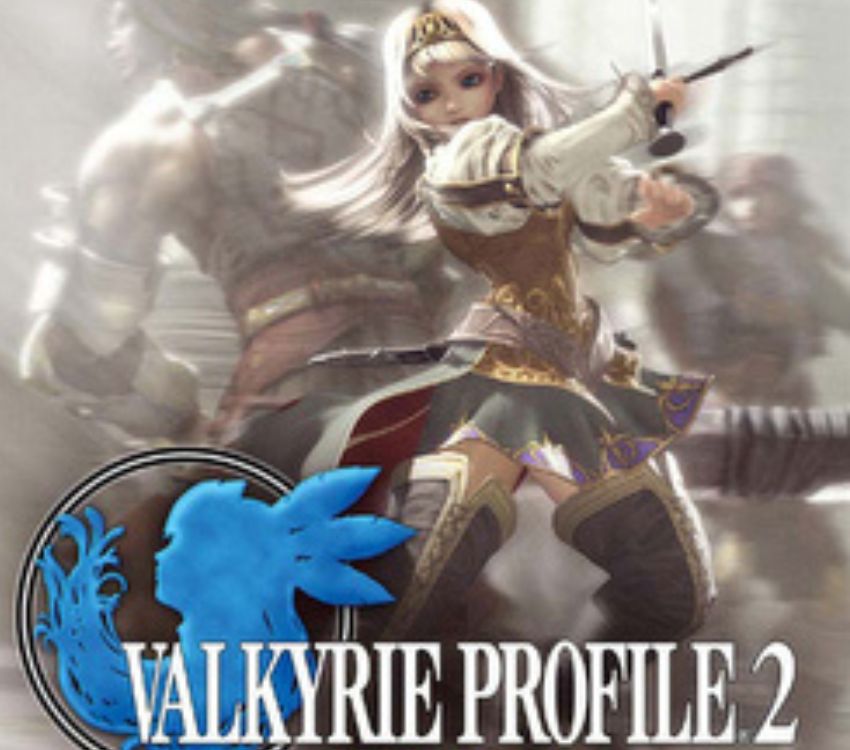
A late-generation technical showcase, Silmeria features stunning environments and fluid character animations. The story draws heavily from Norse mythology, exploring divine politics and mortal rebellion. Its dramatic presentation elevates the stakes throughout the campaign. Combat blends real-time positioning with combo-based attacks triggered by assigning party members to controller buttons. Mastering timing and coordination becomes essential for maximizing damage. Deep customization systems and challenging encounters provide long-term engagement. It remains one of the PS2’s most mechanically refined RPGs.
9. Growlanser: Generations
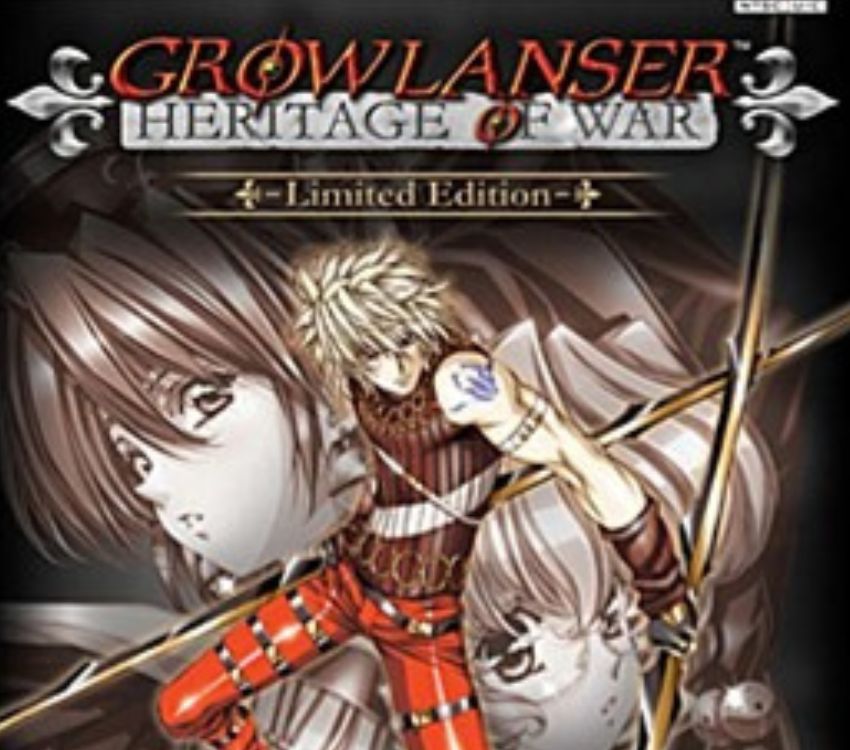
This PS2 compilation brings together Growlanser II and Growlanser III, two entries in a strategy-focused RPG series known for blending real-time elements with tactical planning. Unlike traditional grid-based systems, battles unfold dynamically, requiring players to manage movement, spell timing, and defensive positioning simultaneously. Success often depends on reading enemy behavior and adapting strategies on the fly rather than simply choosing commands from menus. Beyond combat, the series is recognized for its branching storylines and multiple endings. Player decisions, dialogue choices, and mission outcomes can dramatically alter character relationships.
10. Steambot Chronicles
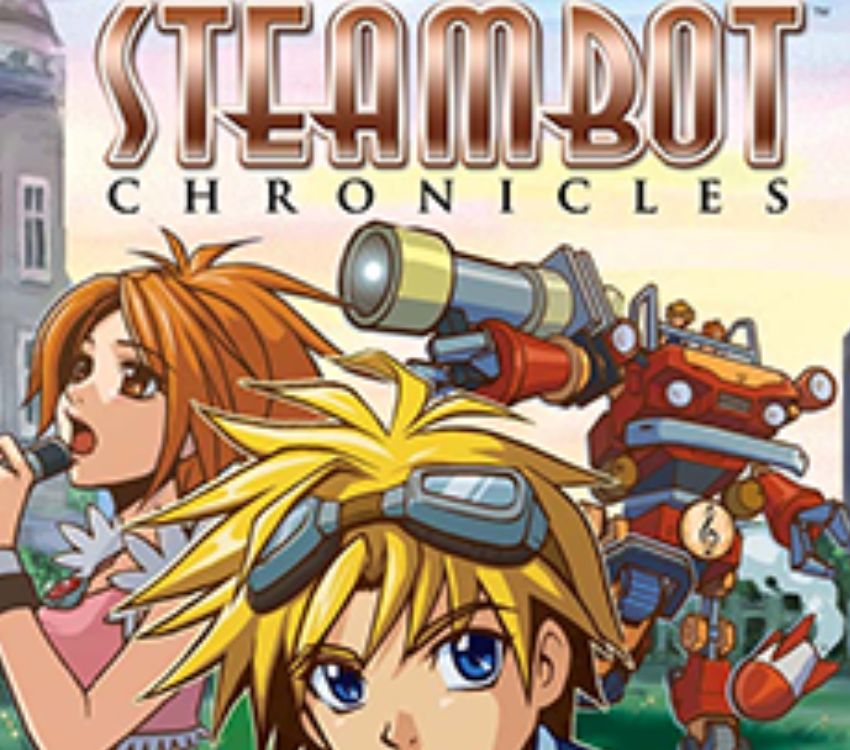
Few PS2 RPGs experimented with freedom as boldly as Steambot Chronicles. Set in a charming, retro-futuristic world powered by steam technology, the game allows players to pilot customizable “Trotmobiles” in mech battles while also living a surprisingly open-ended life outside combat. Players can take on part-time jobs, join or form a band, trade goods, and even shape their character’s moral alignment through choices. Combat emphasizes customization, as mech parts directly affect speed, durability, and firepower. Outside of battle, the sandbox-style progression gives players unusual control over how the story unfolds. Decisions influence relationships and potential endings, including darker narrative paths. Though rough around the edges technically, its ambition and variety make it one of the most experimental and distinctive RPGs of its generation.
11. La Pucelle: Tactics
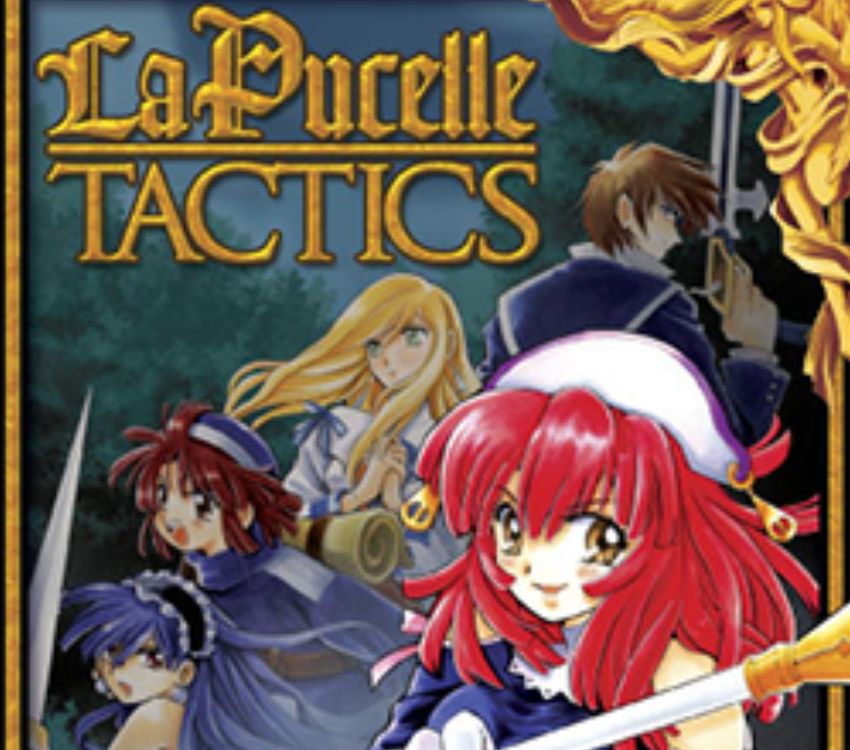
Often overshadowed by other strategy RPGs from the same publisher, La Pucelle: Tactics stands out thanks to its creative battlefield mechanics. The central “Purification” system allows players to cleanse dark energy portals on maps, creating chain reactions that can dramatically amplify attacks. Mastering these chains becomes essential for high-level play and adds a layer of puzzle-like strategy to each encounter. While the art style is bright and whimsical, the gameplay systems are surprisingly deep. Character progression, class customization, and optional challenges provide long-term strategic engagement. The narrative blends lighthearted humor with more serious undertones about duty and corruption.
12. Mana Khemia: Alchemists of Al-Revis
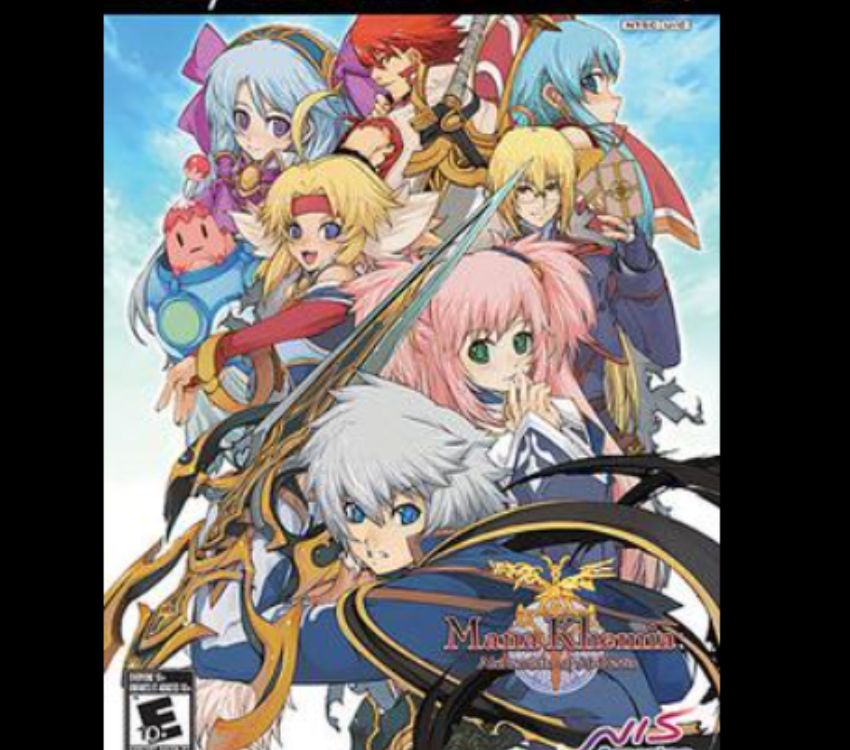
Released late in the PS2’s lifecycle, Mana Khemia: Alchemists of Al-Revis combines school-life structure with deep crafting mechanics and energetic turn-based combat. Players attend an alchemy academy where completing assignments, building friendships, and synthesizing items drive character growth. The calendar-based progression system gives the game a structured yet relaxed rhythm. Alchemy is central to advancement, encouraging exploration and resource gathering to unlock new recipes and abilities. Combat features a dynamic switching system that allows party members to rotate.