


Crotransactions have transformed gaming over the past decade. What began as small cosmetic add-ons has evolved into battle passes, premium currencies, randomized loot systems, and limited-time bundles carefully designed to create urgency and emotional engagement. While many players genuinely enjoy customizing their characters or speeding up progression, not every purchase delivers long-term satisfaction. Some transactions feel exciting in the moment, but later become costly reminders of impulse decisions, changing metas, annual resets, or even games that lost developer support. As live-service models continue to dominate the industry, spending has become easier than ever, and so has regret. Here are ten in-game purchases that many players eventually wished they could take back.
1. Diablo Immortal Legendary Crests
When Diablo Immortal launched, Legendary Crests were marketed as a way to enhance endgame rewards by increasing the chances of earning powerful Legendary Gems. On the surface, it seemed like an optional boost. However, players quickly realized that maximizing a character’s potential required significant financial investment. Reports surfaced of individuals spending thousands of dollars to fully upgrade builds. Over time, many players felt trapped in a system that heavily favored big spenders. The regret wasn’t just about money, it was about realizing progression was more tied to wallets than skill. For many, the experience sparked broader concerns about pay-to-win mechanics in modern gaming, turning what should have been a rewarding grind into a reminder of how aggressive monetization can overshadow fair competition.
2. Star Wars Battlefront II Launch Loot Crates
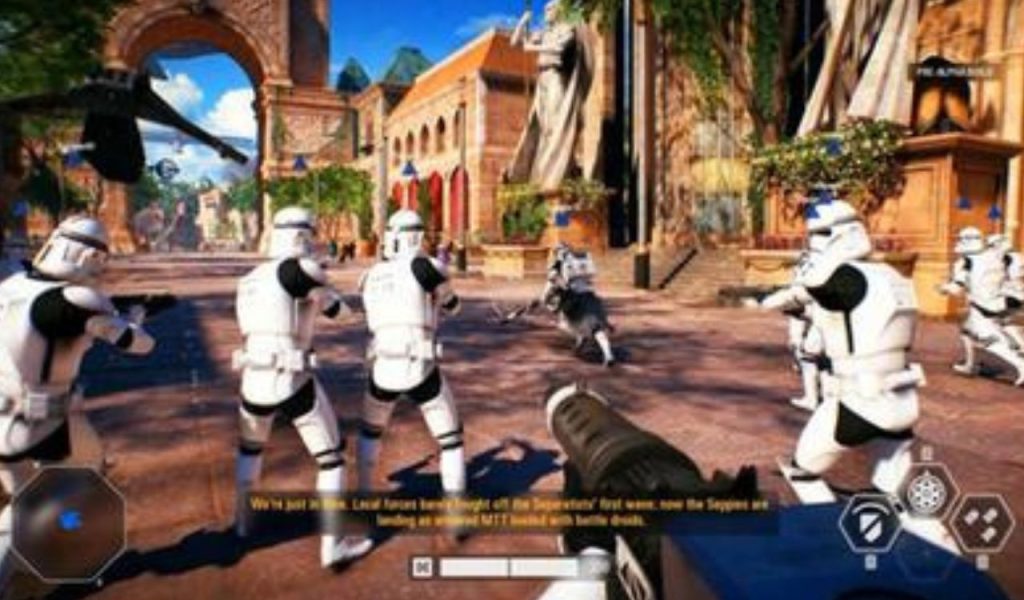
At release, Star Wars Battlefront II tied core progression to loot crates that could be purchased with real money. Powerful heroes and gameplay advantages were locked behind either long grinding sessions or paid crates. Many players paid early to unlock iconic characters faster, fearing they would fall behind competitively. But after massive backlash, the developers removed paid advantages and reworked the system entirely. Players who spent money during launch felt their purchases were effectively erased, leaving a lasting example of how controversial monetization can backfire.
3. Fortnite Limited-Time Skins
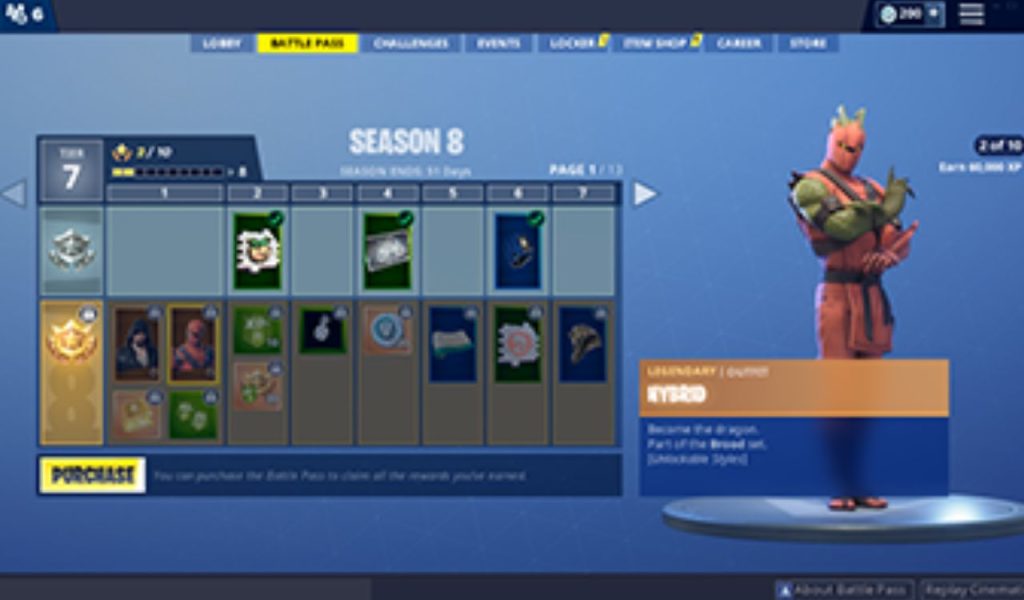
Fortnite perfected the art of limited-time cosmetics. The rotating item shop creates urgency, making skins feel rare and exclusive. Players often buy outfits impulsively, convinced they may never return. Months later, many discover they only use a small fraction of their purchased cosmetics. As newer collaborations and flashier skins arrive, older purchases lose their appeal. The regret usually isn’t about one skin, it’s about the accumulation of dozens of small purchases that add up to a surprisingly large total over time. For many players, reviewing their transaction history can be eye-opening, revealing how small, seemingly harmless purchases gradually turned into a significant expense driven by hype and fear of missing out.
4. Anthem Premium Armor Sets
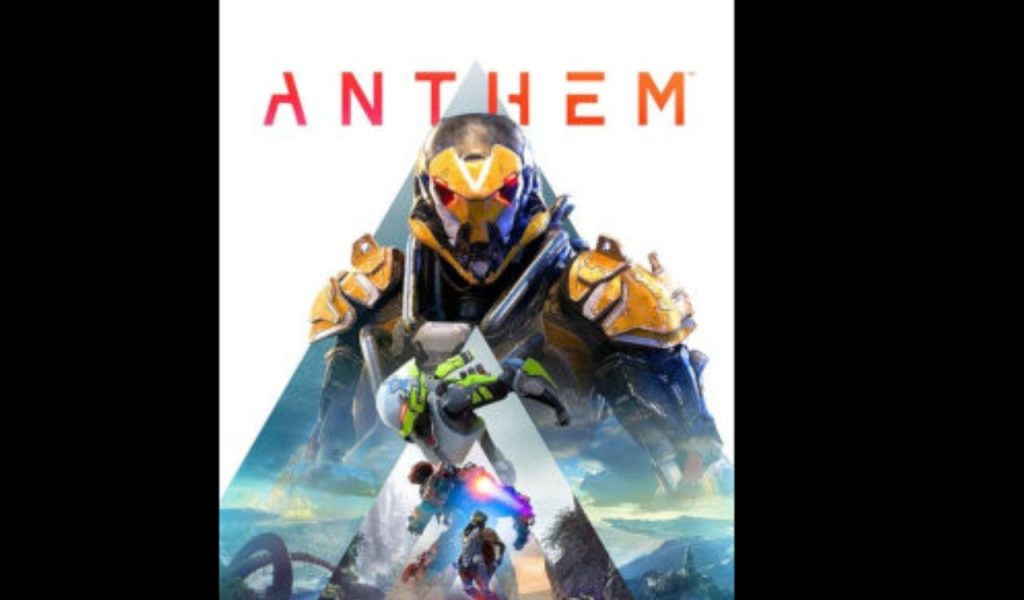
Anthem launched with massive hype and a visually impressive world. Players invested in premium armor skins for their Javelins, believing the live-service title would expand for years. Unfortunately, the game struggled with content updates and player retention. Plans for major overhauls were eventually canceled, and long-term support slowed dramatically. Those who spent money on cosmetics were left with visually appealing gear in a game that failed to maintain an active community. The disappointment stemmed from investing in a future that never fully materialized. For many fans, the regret was tied not just to the money spent but to the optimism they had placed in a roadmap that promised transformative updates, which ultimately never arrived.
5. FIFA 23 Ultimate Team Packs

Ultimate Team packs rely heavily on chance-based rewards. Players purchase packs hoping to pull rare, high-rated players that can dramatically improve their squad. The excitement of pack openings often overshadows the reality of poor odds. Many players repeatedly spend money chasing a single elite card, only to receive duplicates or low-value items. Because the franchise releases annually, all progress resets the following year. Looking back, players often realize they spent substantial amounts on digital cards that held no long-term value. For some, the competitive pressure of keeping up with online opponents made spending feel necessary at the time, but once the next installment launched, those costly squads were left behind, turning short-term advantages into forgotten investments.
6. Genshin Impact Limited Banner Wishes
The gacha system in Genshin Impact thrives on limited-time character banners. Missing a 50/50 chance can push players to spend more Primogems, often purchased with real money to guarantee the featured character. The emotional rush of finally pulling a five-star unit can be intense. However, once the excitement fades, some players notice they rarely use that character in their main team compositions. The regret often comes from overspending during a short window of hype driven by limited availability. In many cases, new banners arrive quickly with even stronger or more appealing characters, making previous pulls feel less valuable and reinforcing the cycle of spending fueled by urgency rather than long-term planning
7. Cyberpunk 2077 Premium Pre-Order Editions
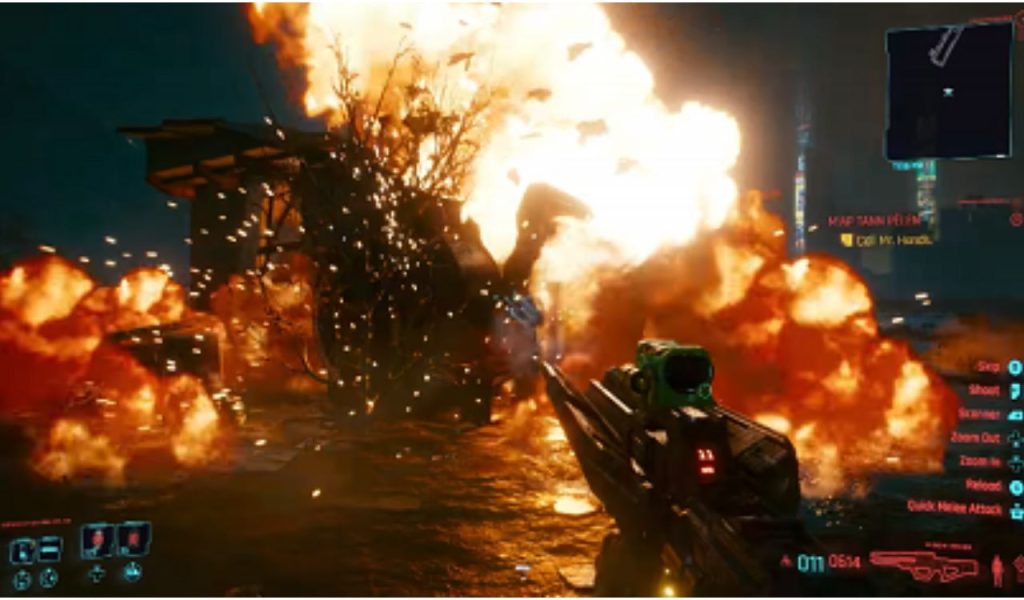
Anticipation for Cyberpunk 2077 was enormous, leading many players to pre-order deluxe editions for exclusive cosmetic bonuses and extra digital content. When the game launched with technical issues, especially on older consoles, disappointment overshadowed the bonus content. Players who paid extra felt they had financially committed before seeing the final product’s performance. Although the game improved significantly over time, early buyers often regretted spending more upfront instead of waiting for reviews and patches. For some, the experience became a reminder of the risks of pre-order culture, where marketing hype and cinematic trailers can outweigh patience, leaving consumers locked into a purchase before fully understanding the product’s launch conditions.
8. Apex Legends Heirloom Cosmetics
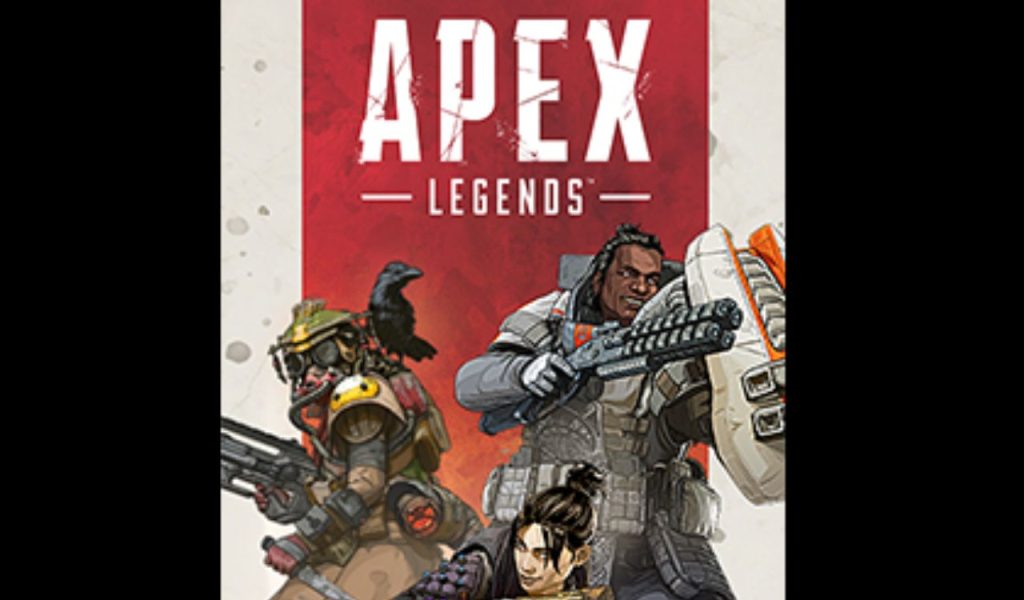
Heirloom items are among the rarest cosmetics in Apex Legends, offering unique melee animations and prestige. However, obtaining them typically requires opening a large number of Apex Packs unless luck intervenes early. Some players chase heirlooms by purchasing bundles repeatedly, only realizing later how much they spent. While heirlooms look impressive, they provide no gameplay advantage. For many, the regret surfaces when the excitement of owning one fades, and the financial cost becomes clear. In some cases, players felt pressured by limited-time collection events that guaranteed heirloom shards only after completing expensive sets, turning what seemed like a special cosmetic goal into a costly pursuit driven more by exclusivity than long-term enjoyment.
9. Marvel’s Avengers Marketplace Skins
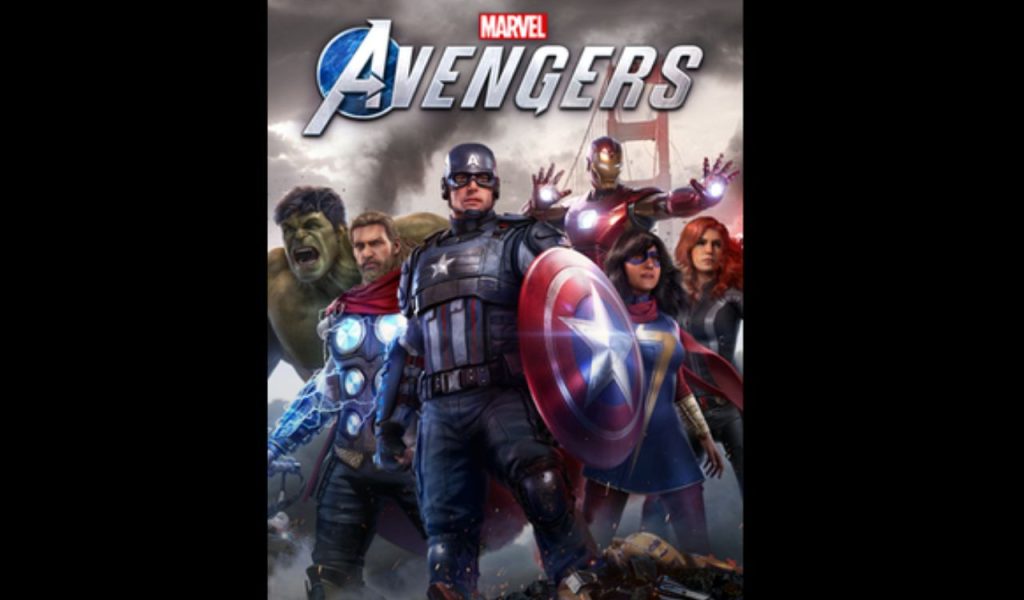
Marvel’s Avengers featured a marketplace with premium skins inspired by comic and cinematic designs. Despite the appealing cosmetics, the game struggled with repetitive content and declining player engagement. Over time, updates slowed, and official support eventually ended. Players who had invested heavily in cosmetic outfits were left with digital purchases in a game that no longer maintained a strong active community. The regret was amplified by the sense that the live-service promise had not been fulfilled. Many fans had expected years of evolving storylines, new heroes, and meaningful expansions, but instead watched the roadmap shrink, leaving their cosmetic investments tied to an experience that never reached its full potential.
10. Call of Duty: Warzone Operator and Blueprint Bundles
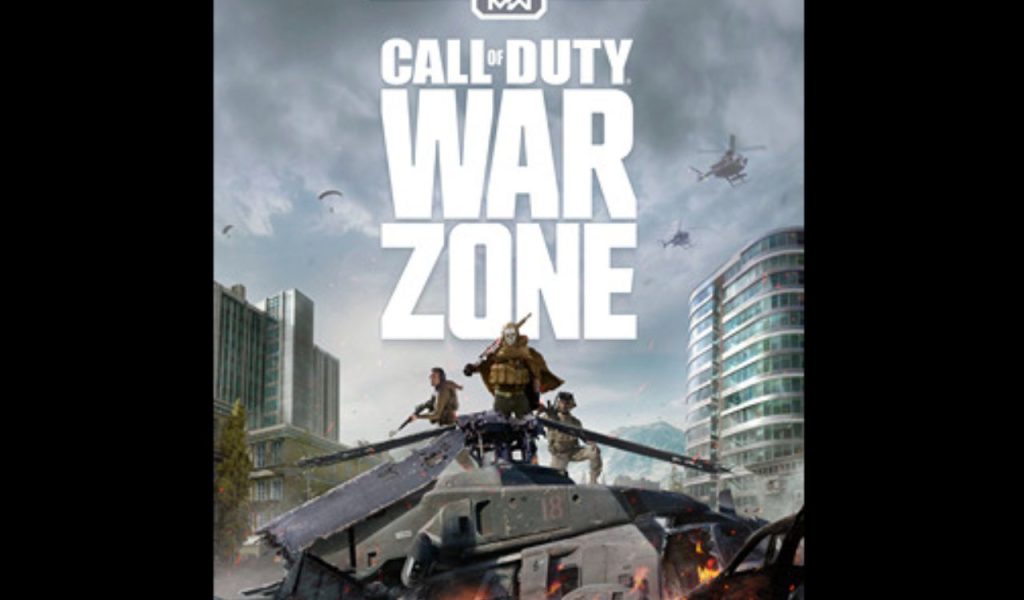
Warzone frequently offered flashy operator skins and weapon blueprint bundles tied to seasonal events. While exciting at the moment, yearly franchise shifts and major updates sometimes limit long-term carryover value. Some players purchased multiple bundles only to see gameplay metas change or progression systems reset. Over time, certain cosmetics became outdated or less relevant. The regret often stems from realizing that continuous spending in an evolving live-service ecosystem can quickly outpace lasting utility. In hindsight, many players admitted they were drawn in by limited-time marketing and event hype, only to discover that newer seasons quickly overshadowed their previous purchases, making those once-premium bundles feel disposable.