

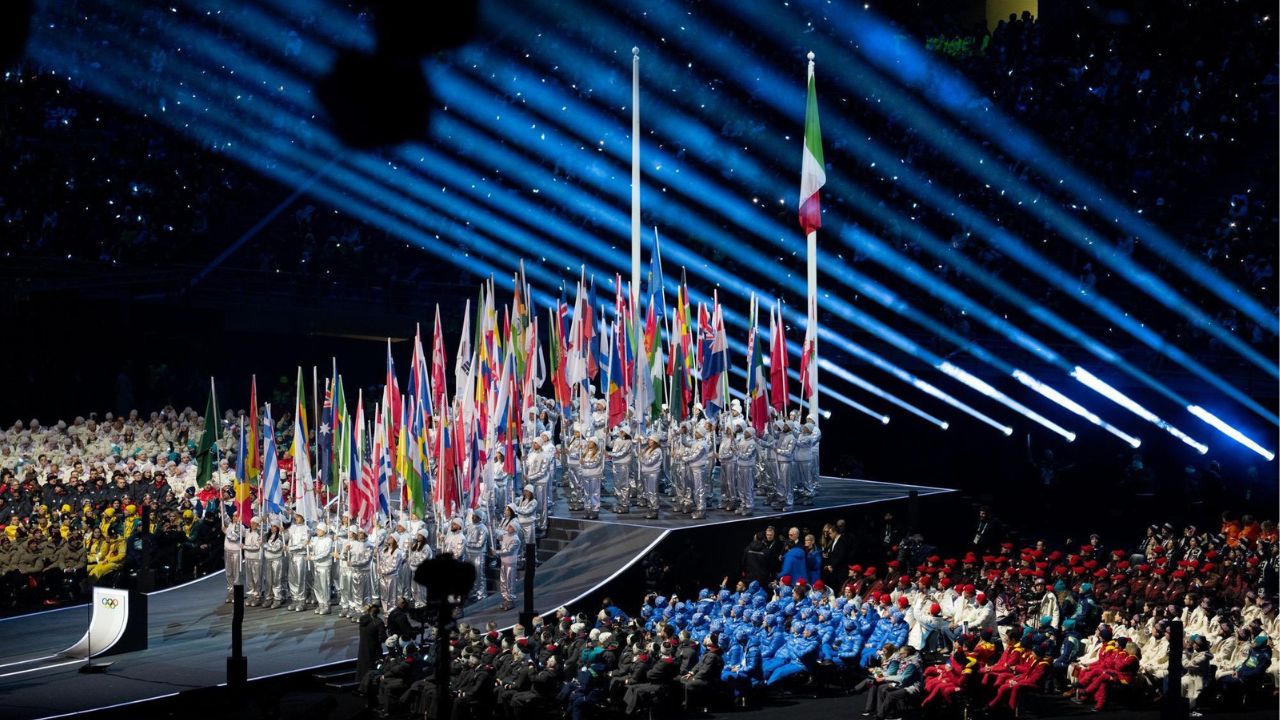

The 2026 Winter Olympics in Italy delivered one of the most memorable editions of the Games in recent history. From the bustling urban energy of Milano to the alpine beauty of Cortina d’Ampezzo, athletes showcased unforgettable levels of skill, drama, and passion. Each venue amplified the grandeur of the competition, creating a setting worthy of historic achievements. The Games were defined by both seasoned champions reaffirming their legacies and rising stars pushing the boundaries of their sports. Every day offered a new storyline, emotional comebacks, unexpected victories, and feats once thought impossible. Below are the 10 standout performances that continue to spark conversation long after the closing ceremony.
1. Alysa Liu Triumph
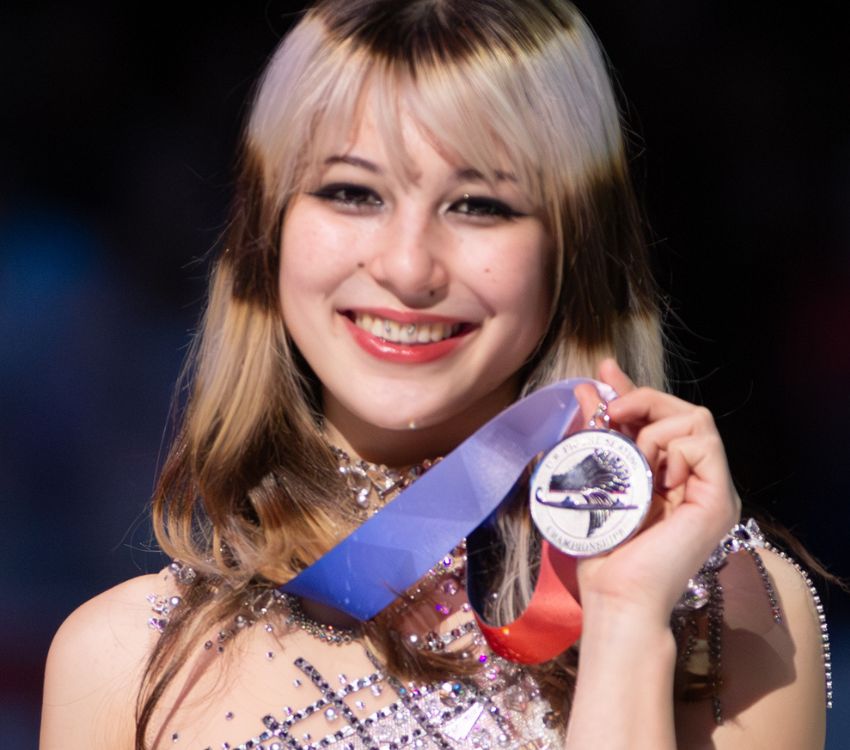
Alysa Liu delivered one of the most emotional victories of the Games by capturing gold in the women’s individual figure skating event. Her free skate blended athletic precision with powerful artistry, featuring beautifully executed triple jumps and expressive choreography. The arena erupted in cheers as she completed her routine, marking a defining Olympic moment. Her victory also ended a 24-year U.S. gold medal drought in women’s figure skating, making the achievement even more historic. Young skaters across the country felt inspired by Liu’s perseverance and growth, and her win became one of the most celebrated stories of Milano-Cortina.
2. Johannes Høsflot Klæbo Mastery
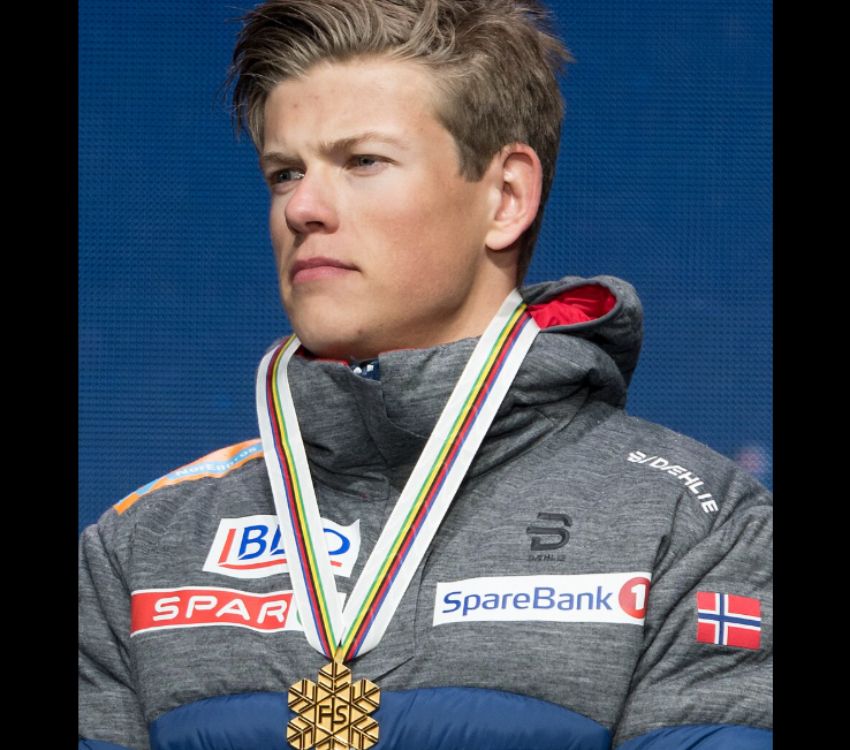
Johannes Høsflot Klæbo demonstrated unmatched endurance and tactical brilliance in the 50km classical event. Throughout the race, he maintained perfect control of his tempo, conserving energy when needed and pushing forward with explosive power at the ideal moments. His command of the course, combined with years of experience, allowed him to outpace rivals in the demanding final kilometers. It was a performance that showcased everything that makes him one of skiing’s elite. This victory further expanded his already towering legacy in cross-country skiing. Commentators praised his ability to dominate across multiple distances and techniques, something rarely achieved at this level. Fans celebrated not just the win, but the mastery behind it, the sense that Klæbo executed a nearly flawless race under the brightest possible spotlight.
3. USA Record
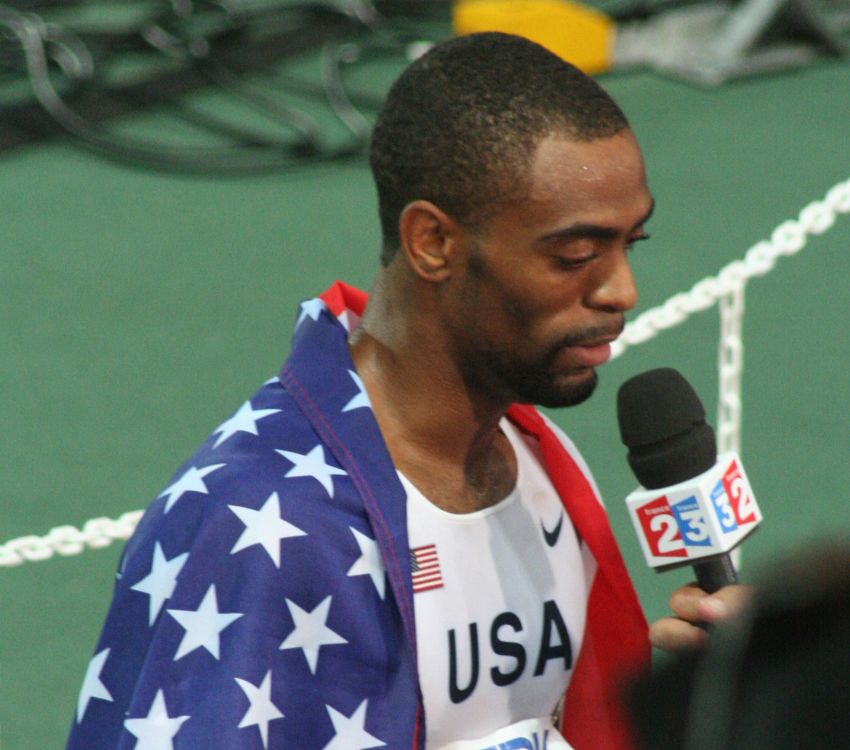
For Team USA, the 2026 Olympics marked a monumental achievement: a record-breaking 11 gold medals. This impressive feat highlighted the depth and variety of American winter sports talent. Athletes excelled across disciplines such as freeskiing, speed skating, snowboarding, and team events. Each day seemed to bring a new triumph, captivating millions watching from home and creating a wave of national excitement. The record was made even more meaningful because of the diverse group of athletes contributing to it, from seasoned veterans fulfilling long-awaited dreams to young competitors making powerful debuts. Team chemistry, innovative coaching, and years of preparation culminated in a historic performance. The success reinvigorated the American winter sports community and set a strong foundation for future Olympic cycles.
4. Alex Ferreira Legacy

Alex Ferreira’s gold-medal run in the freeski halfpipe amazed spectators and fellow athletes alike. His performance blended height, style, and technical complexity in a way only a seasoned competitor could deliver. Every twist, grab, and landing reflected both confidence and remarkable control, proving that age doesn’t diminish excellence when passion and discipline remain strong. His run became one of the most replayed highlight moments of the Games. Ferreira’s victory, earned at age 31, made him the oldest athlete to win the event, a powerful testament to longevity in a physically demanding sport. His achievement completed his Olympic medal collection, securing his legacy as one of the greats in freeskiing.
5. Jorrit Bergsma Victory
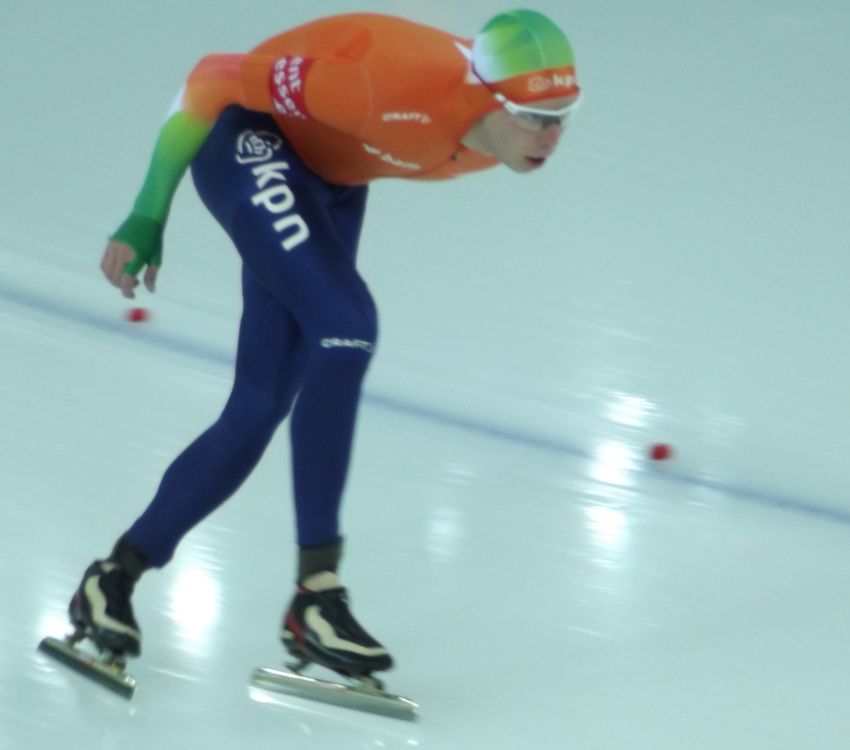
Jorrit Bergsma stunned the speed skating world with his electrifying win in the men’s mass start at 40 years old. His impeccable race strategy allowed him to conserve energy early and strike with perfect timing during the final laps. Even as younger competitors attempted to outpace him, Bergsma relied on deep experience and a lifetime of instinctive racing ability to secure a dramatic, well-earned victory. This achievement quickly became an inspirational highlight of the Games, showing that exceptional performance can transcend age expectations. Bergsma’s win added another celebrated chapter to the Netherlands’ storied speed skating legacy. Fans around the world praised his resilience, dedication, and ability to remain competitive in a sport that demands both power and precision.
6. Kaori Sakamoto Farewell
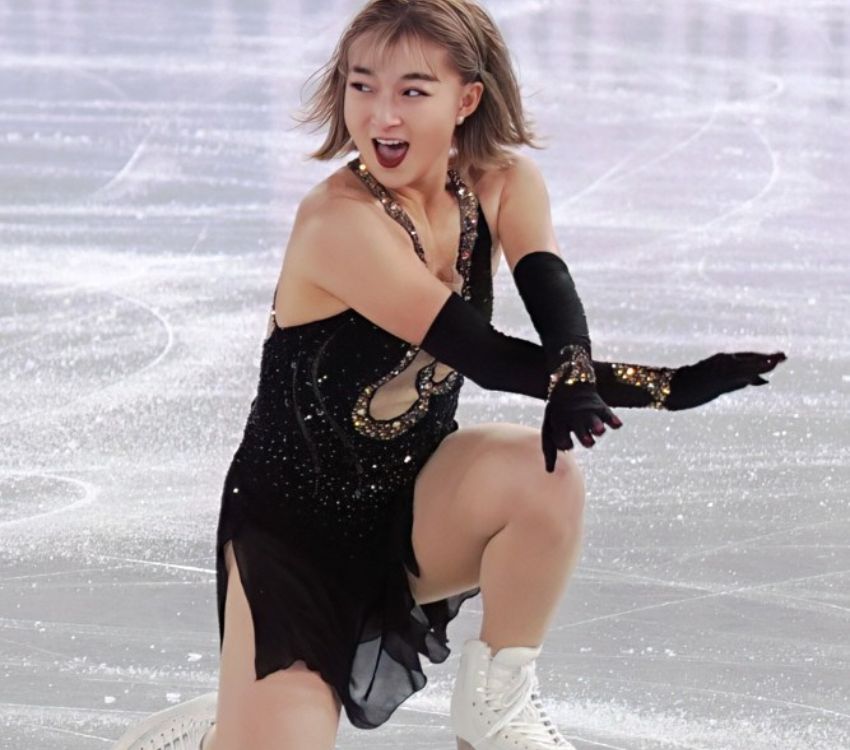
Kaori Sakamoto delivered a breathtaking final Olympic performance that blended emotional storytelling with technical excellence. Skating with a maturity and presence that captivated the entire arena, she executed her jumps and spins with remarkable precision. But beyond the technical details, it was the depth of her expression and the grace in every movement that made her performance unforgettable. Fans felt as though they were witnessing not just a competitive routine, but a heartfelt farewell from one of figure skating’s most respected artists. Her final Olympic appearance became one of the most talked-about moments of the Games. Even without capturing the gold medal, Sakamoto’s performance resonated deeply with both longtime followers and new fans who were moved by the emotional weight she carried on the ice.
7. Matt Weston Breakthrough
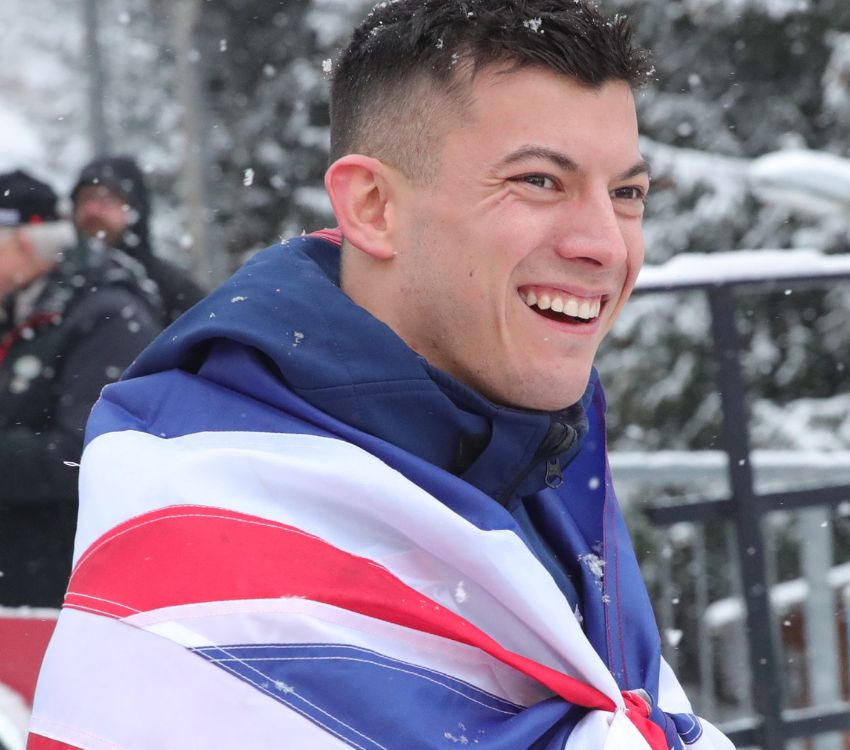
Matt Weston delivered a career-defining run in the men’s skeleton event, breaking the track record and securing a historic gold for Great Britain. His ability to maximize speed while maintaining flawless control on one of the most demanding tracks demonstrated exceptional technical mastery. The precision with which he navigated every corner showcased preparation, fearlessness, and elite athletic instincts. Weston’s victory made him the first British man ever to win an individual Winter Olympic medal, instantly elevating him to national hero status. The achievement inspired renewed interest in sliding sports across the UK, proving that athletes from nontraditional winter sports nations can make history. His performance remains one of the standout triumphs of the 2026 Games.
8. Brazil Milestone
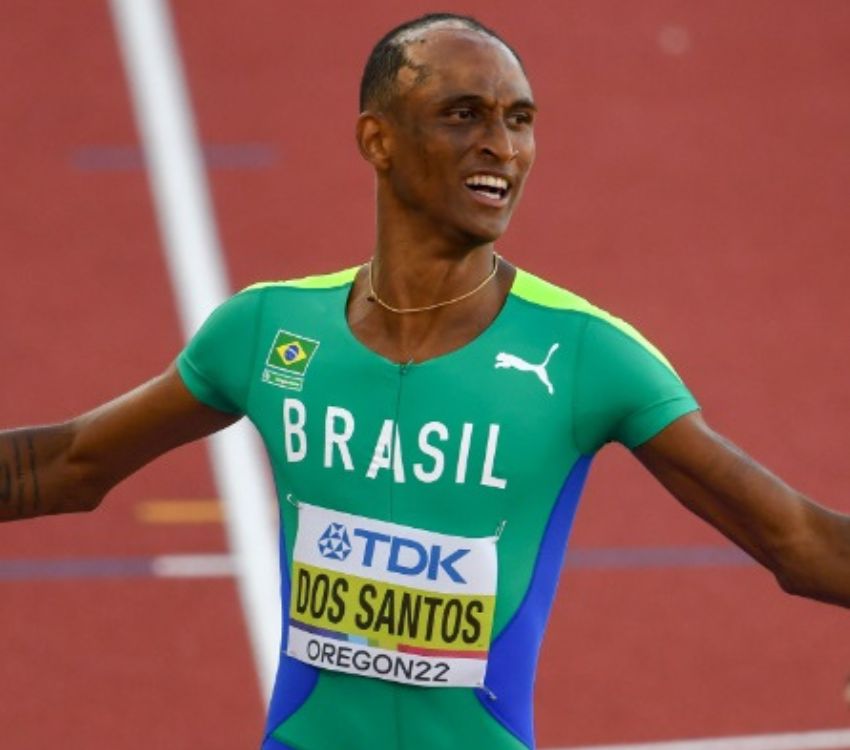
Brazil achieved a groundbreaking moment by winning its first-ever Winter Olympic medal, a feat that resonated worldwide. Competing in a setting dominated by cold-weather countries, Brazilian athletes demonstrated remarkable dedication and passion, overcoming geographic and infrastructural challenges to make their presence known on the world stage. This historic medal served as a powerful symbol of the global growth of winter sports. Fans celebrated the achievement as a triumph not only for Brazil but for diversity and accessibility within the Olympic movement. The milestone encouraged other nations outside traditional winter climates to invest, believe, and dream bigger.
9. Anna Odine Strøm Gold
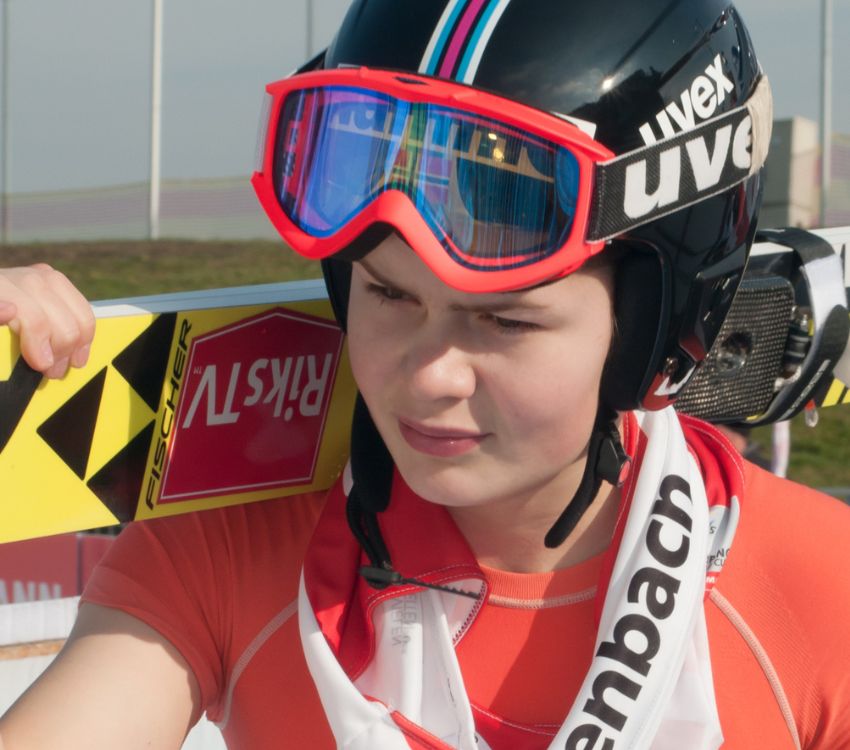
Anna Odine Strøm delivered a dominant performance in the women’s large hill ski jumping event. Her powerful takeoff, stable flight, and precise landing displayed the technical excellence of an athlete at the peak of her craft. Each component of her jump reflected years of rigorous training and impeccable execution under pressure. Her gold medal marked a major achievement for women’s ski jumping and underscored Norway’s continued dominance in the sport. Strøm’s victory inspired countless young athletes, proving that composure and confidence can elevate performance on the sport’s biggest stage. Her win remains one of the marquee highlights of Milano-Cortina.
10. Eileen Gu Spotlight

Eileen Gu excelled on the slopes with her signature blend of technical difficulty and elegance, but it was her massive cultural impact that truly dominated conversation throughout the Games. Her charisma, style, and interactions with fans quickly went viral, making her one of the most talked-about figures in Milano-Cortina. She demonstrated how an athlete’s influence can bridge sport, fashion, and global media. Gu’s visibility and versatility made her a defining star of the Olympics. Her ability to inspire audiences across different countries and age groups showcased the evolving power of modern athletes. Whether on the podium or in the public eye, she left an enduring impression that extended far beyond her performances.