


The 1990s were a bold and experimental decade in technology. It was an era filled with excitement, rapid innovation, and companies racing to create the next big breakthrough. From early mobile devices to futuristic gaming add-ons, the ’90s promised a future filled with portability, convenience, and never-before-seen experiences. But not every invention from that decade hit the mark. Many devices were ahead of their time, misunderstood, underpowered, or simply unable to deliver on the hype surrounding them. Some failed because the technology wasn’t mature enough; others collapsed under high prices, poor design choices, or confusing marketing. Here are twelve pieces of ’90s tech that generated excitement, but ultimately didn’t live up to expectations, even though many are remembered fondly today as quirky stepping stones toward better ideas.
1. Apple Newton MessagePad
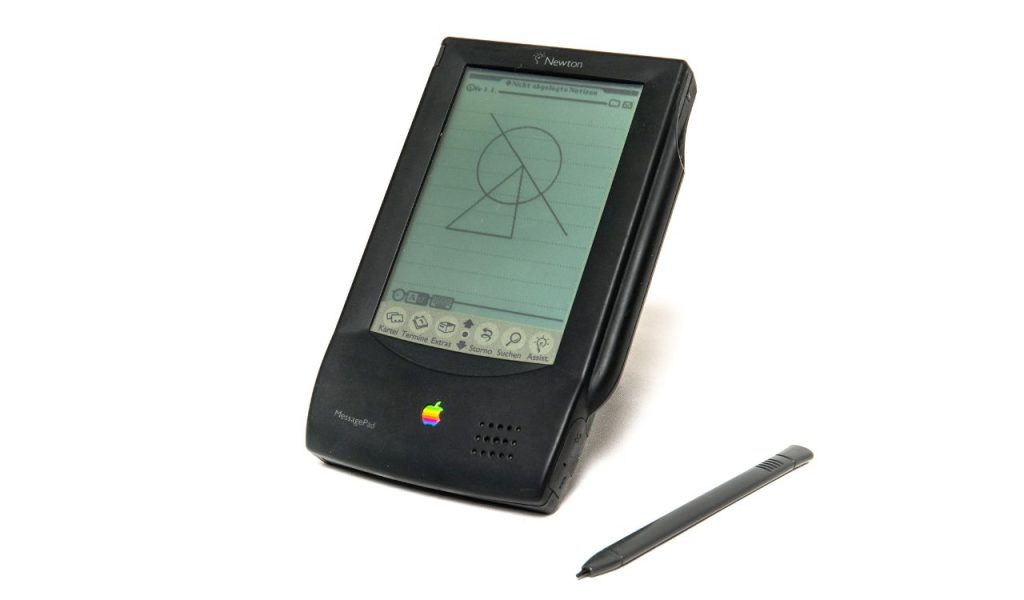
The Apple Newton was one of the first attempts at a true personal digital assistant, a handheld computer meant to revolutionize the way people wrote notes, scheduled tasks, and organized information. The concept was exciting, but the technology wasn’t ready. Its biggest flaw was handwriting recognition that often misread even simple words, frustrating users who expected accuracy. The device was also expensive, bulky for its purpose, and had short battery life compared to what consumers expected. While visionary in concept, the Newton failed to become a mainstream tool and instead became a lesson in how ambition without refinement can lead to disappointment, though it paved the way for future handheld innovations.
2. Sega 32X
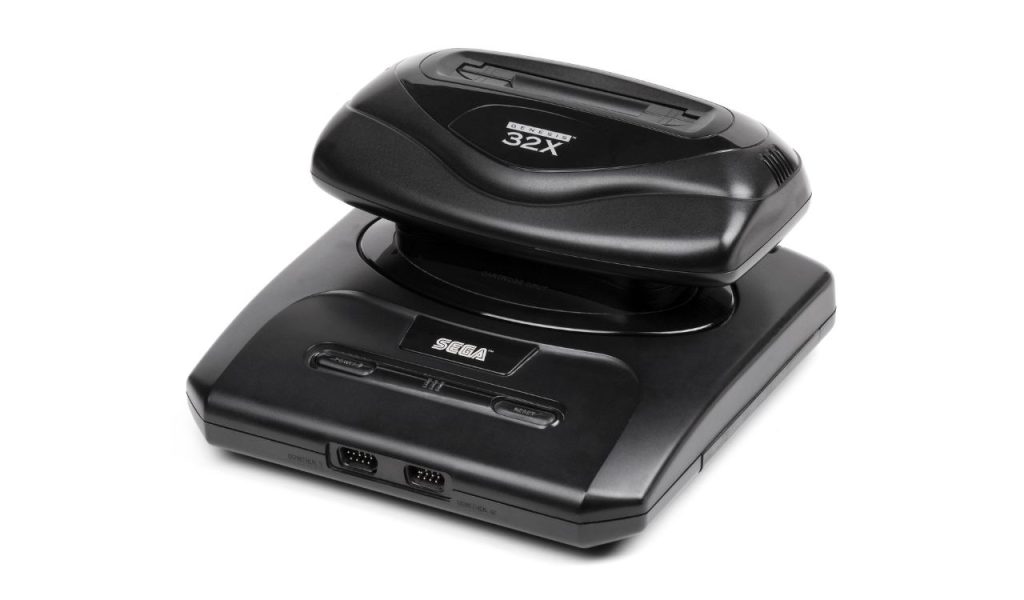
The Sega 32X was marketed as an affordable add-on that would transform the Sega Genesis into a 32-bit powerhouse. On paper, it was a clever idea: extend the life of a popular console with better graphics and faster performance. In practice, it created confusion and frustration. Few developers wanted to support a short-lived, mid-generation accessory, so the game library remained painfully small. Connecting the hardware was messy, requiring multiple cables and adapters that made setup more complicated than expected. Released too close to the Sega Saturn, it quickly became obsolete. Instead of enhancing the Genesis ecosystem, it fragmented it and left early adopters disappointed.
3. Sony MiniDisc
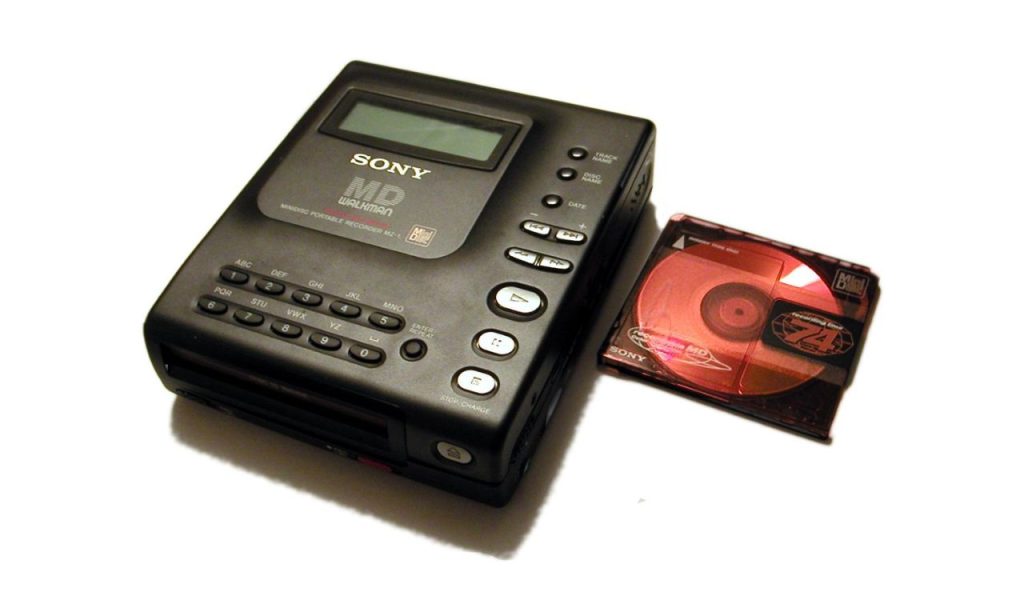
MiniDiscs were introduced as the next major leap for portable audio, offering better durability than CDs and recordability that cassettes lacked. The format was sleek, futuristic, and technically impressive. Unfortunately, it struggled against the rise of CD burners and later MP3 players, which offered cheaper, simpler options for consumers. Limited music availability, high device costs, and licensing restrictions held the format back. MiniDisc was a promising technology that simply arrived during a transitional moment in digital audio, making it a niche product rather than a mainstream standard despite its innovative design.
4. Nintendo Virtual Boy
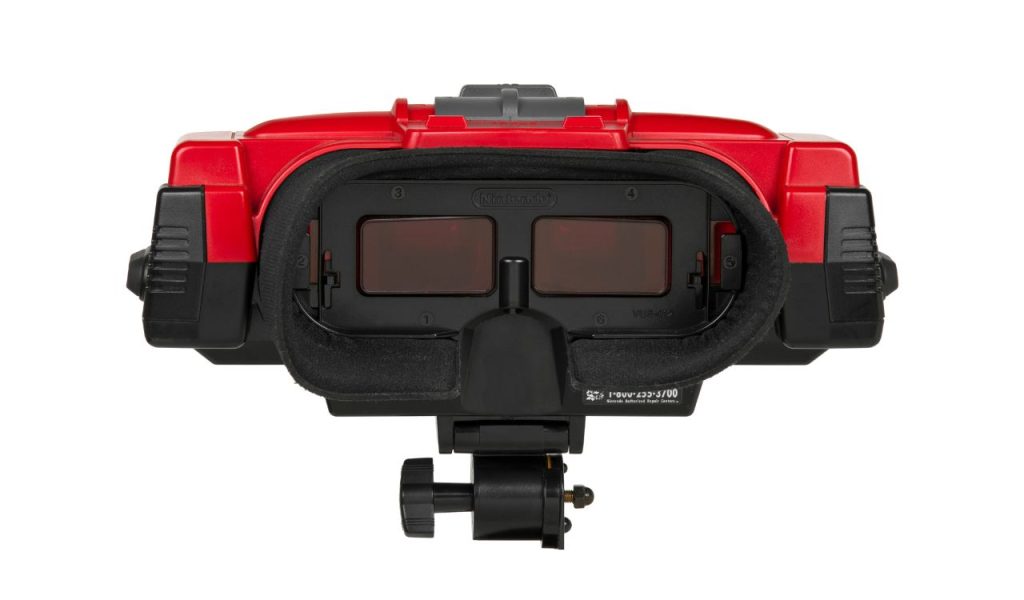
The Virtual Boy attempted to bring 3D gaming into the mainstream long before the technology was ready. It used a unique red-and-black display to create stereoscopic depth, but the visual effect often caused eye strain and headaches for players. The system’s tabletop design prevented comfortable use, limiting gameplay sessions. Its game library was minimal and lacked the major franchises people expected from Nintendo. While marketed as a vision of the future, the Virtual Boy felt more like an experimental prototype rushed to market. It stands today as one of the most notorious examples of a hyped device that couldn’t deliver its promised experience.
5. IBM ThinkPad 701 “Butterfly Keyboard.”
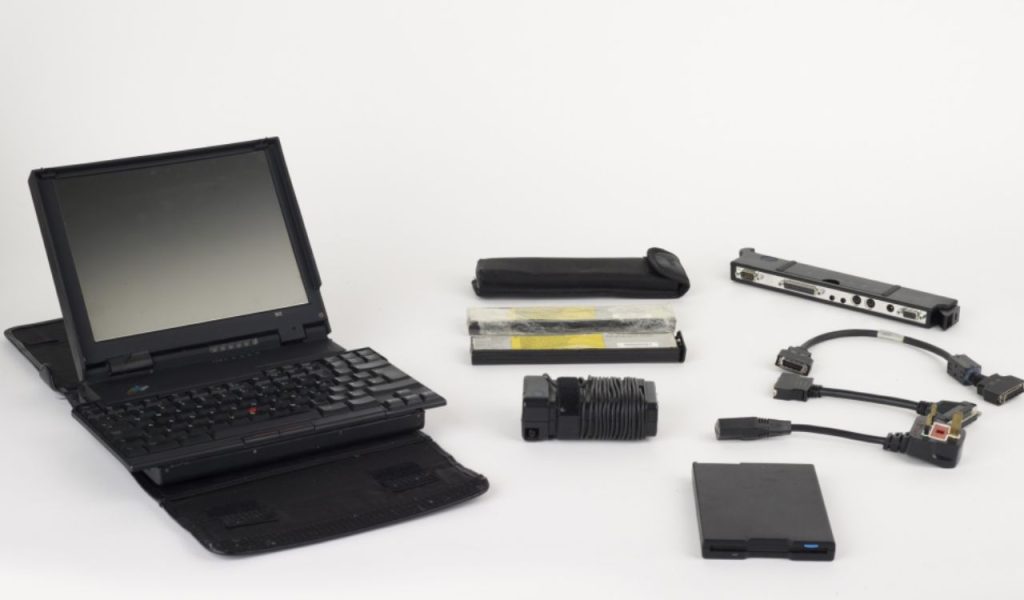
This laptop gained massive attention for its expanding “butterfly” keyboard, which unfolded when the lid opened, offering a full typing experience on a compact device. The engineering was brilliant, but the execution fell short. The mechanism added cost, weight, and potential points of failure. As screen sizes increased and laptops became more compact, the butterfly feature quickly became unnecessary. Although loved by collectors today, the laptop didn’t achieve widespread success at the time. Its complexity overshadowed its usefulness, and the market soon moved toward simpler, more cost-effective designs.
6. Tiger Electronics Game.com
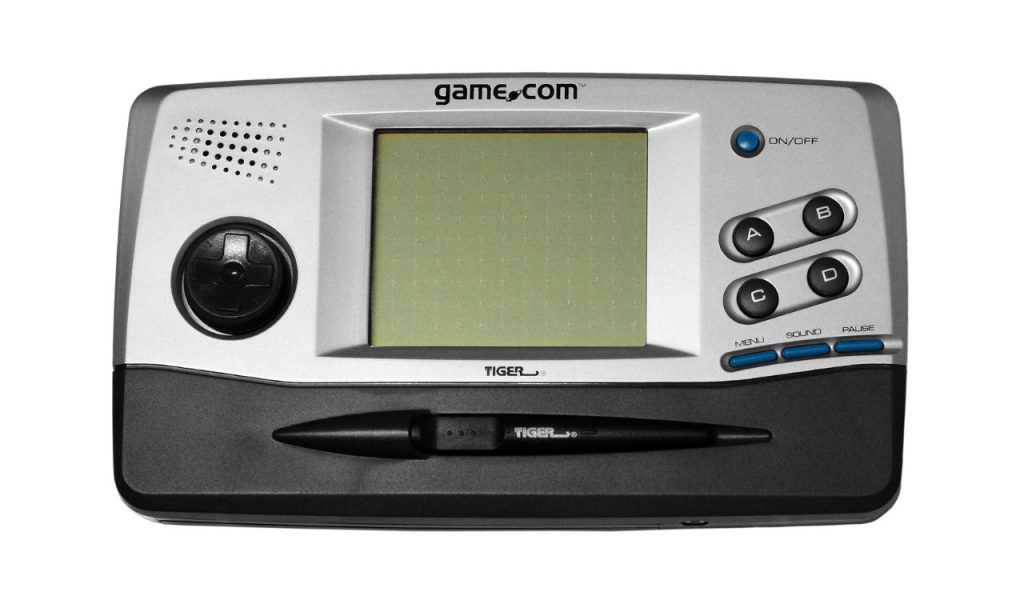
The Game.com handheld promised features far ahead of its time, including a touchscreen, stylus input, and even basic internet connectivity. However, the hardware drastically underperformed, with a slow processor, low-contrast screen, and sluggish controls that made games feel unresponsive. The device’s ambitious ideas were held back by poor execution, limited software support, and unreliable online capabilities. Instead of redefining handheld gaming, the Game.com showed how innovation without adequate technology can create a confusing, underwhelming experience that failed to compete with other handheld systems of the era.
7. Philips CD-i
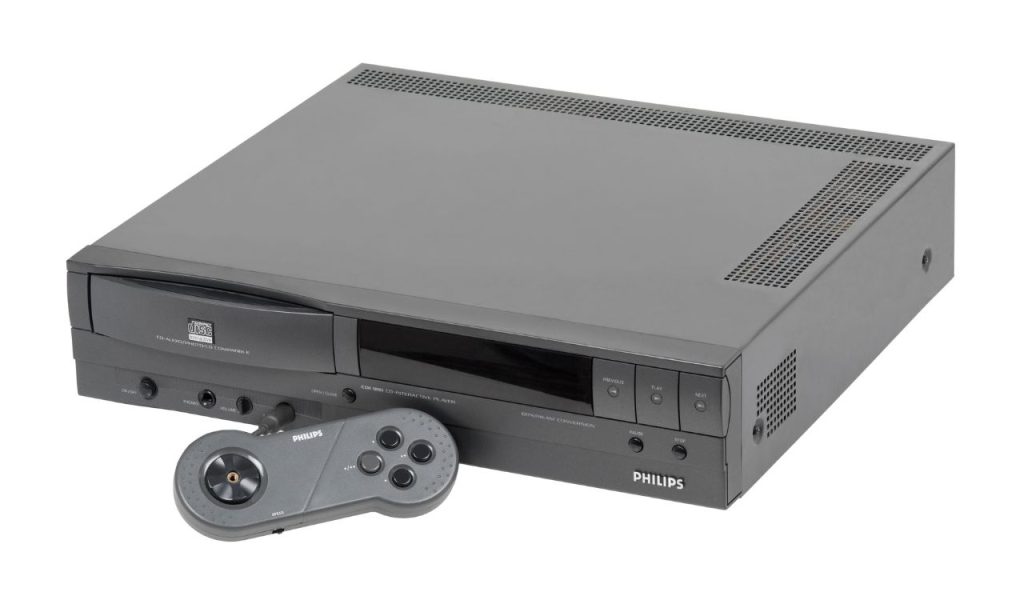
The Philips CD-i was promoted as an all-in-one multimedia machine capable of education, gaming, movies, and interactive content. It was an ambitious concept during the early days of CD-based entertainment. Unfortunately, the system suffered from slow hardware, inconsistent software quality, and unclear marketing. Many consumers didn’t understand what the CD-i was supposed to be: a game console, a learning tool, or a media player. Its high price further discouraged adoption. While the device produced a few memorable titles, it never found a solid identity and became one of the most confused tech releases of the ’90s.
8. Microsoft WebTV
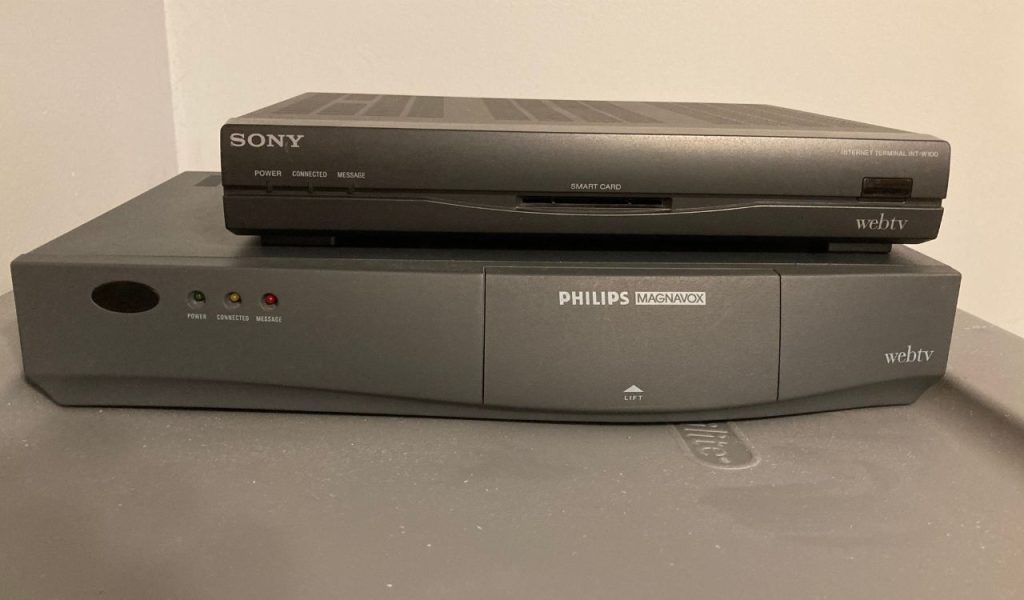
WebTV aimed to bring the internet to living rooms long before smart TVs or streaming devices existed. The concept sounded groundbreaking: browse the web without buying a computer. But the system was limited by slow browsing speeds, poor compatibility with websites, and clunky navigation using a TV remote instead of a keyboard. As personal computers quickly dropped in price, WebTV lost its competitive edge. What was once envisioned as an accessible gateway to the digital world instead became a reminder of how quickly technology evolves — and how fast a promising idea can become outdated.
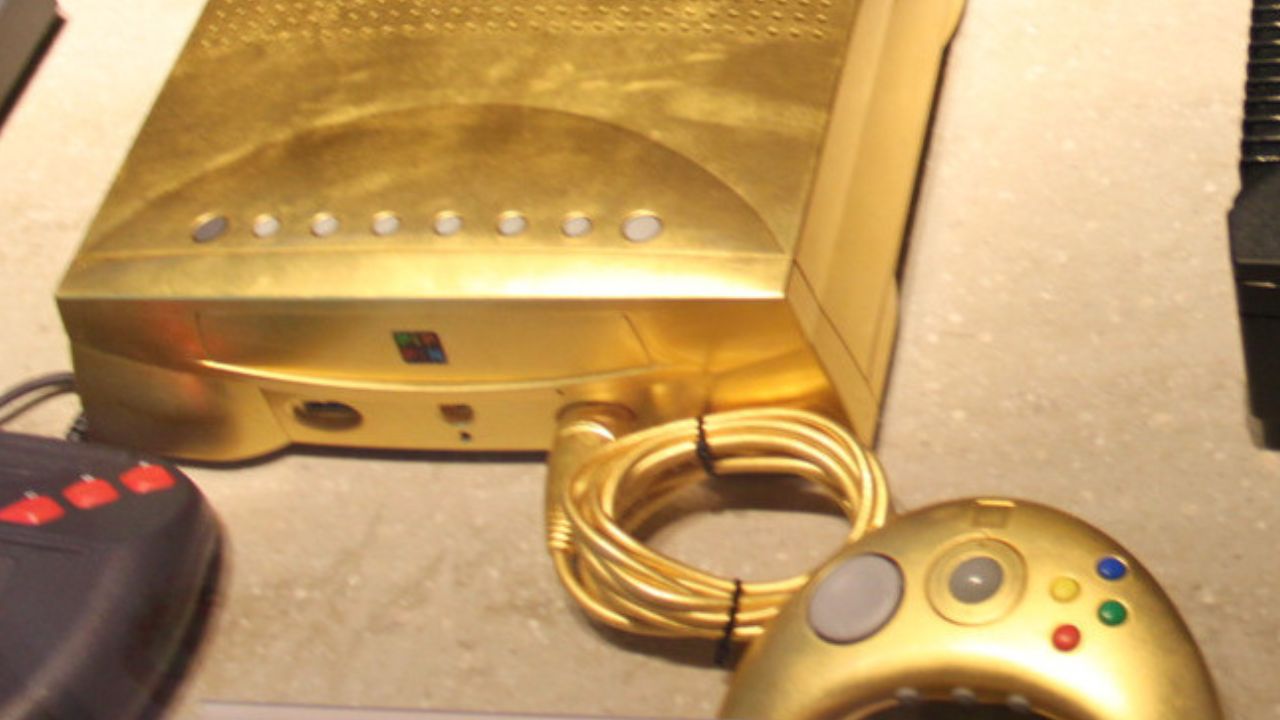
9. Apple Pippin
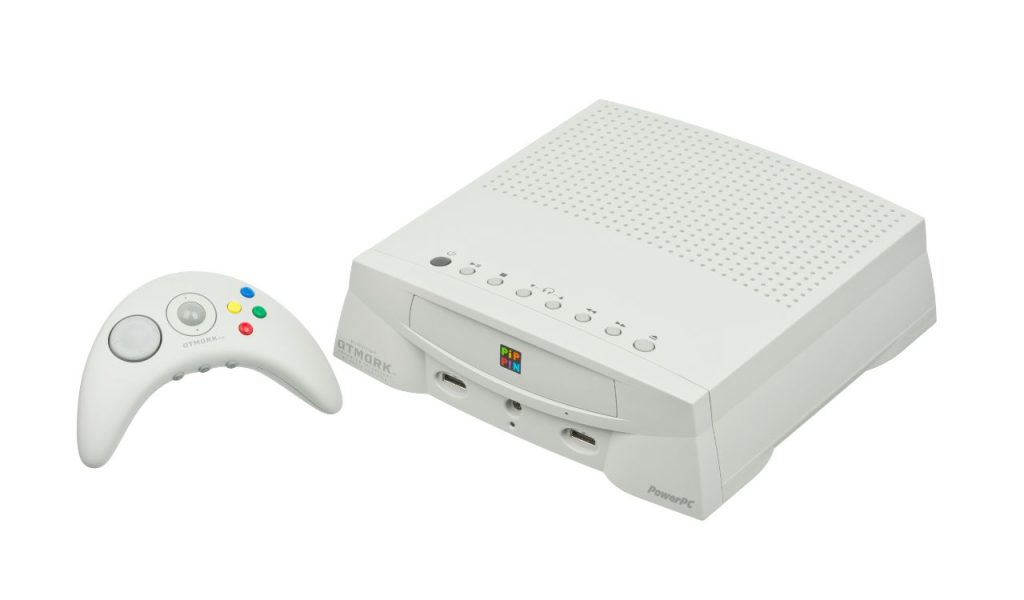
The Apple Pippin was Apple’s attempt to enter the gaming and multimedia console market, but its high price and lack of a compelling software library held it back. The device tried to blend the worlds of computers and game consoles, yet it didn’t excel in either category. Developers were hesitant to commit to the platform, and consumers found little incentive to choose it over established competitors. With confusing marketing and limited hardware appeal, the Pippin became one of Apple’s rare missteps. It remains a symbol of how even major companies can struggle when venturing into unfamiliar territory.
10. Digital Video Express (DivX) Disc System
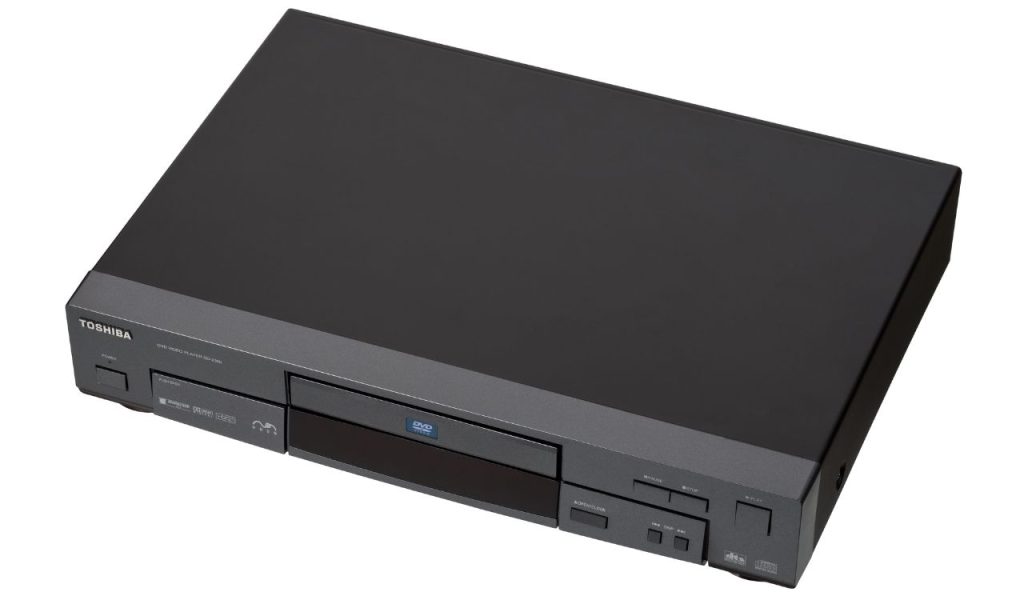
DivX discs were introduced as a rental-style alternative to DVDs, allowing users to buy discs that would “expire” after a certain period of viewing time. While innovative, consumers rejected the idea of paying for media that would eventually lock itself. The system required special players, limiting accessibility, and the catalog of movies was small. As standard DVDs grew in popularity and prices dropped, DivX’s restrictive model couldn’t compete. Instead of revolutionizing home entertainment, it quickly faded away as an experiment that misunderstood what consumers wanted from physical media.
11. Pocket Bell Pagers

Pagers were everywhere in the early ’90s, symbolizing connectivity and status. But as mobile phones rapidly improved, pagers quickly became outdated. Their one-way messaging, limited coverage, and reliance on separate service fees made them less appealing as phones became more accessible. Many pagers offered features that sounded useful, such as message alerts, tone variations, compact size, yet they didn’t evolve fast enough to stay relevant. While important in communications history, pagers ultimately couldn’t meet modern expectations as people shifted toward devices offering two-way communication and greater flexibility.
12. QuickTake Digital Cameras
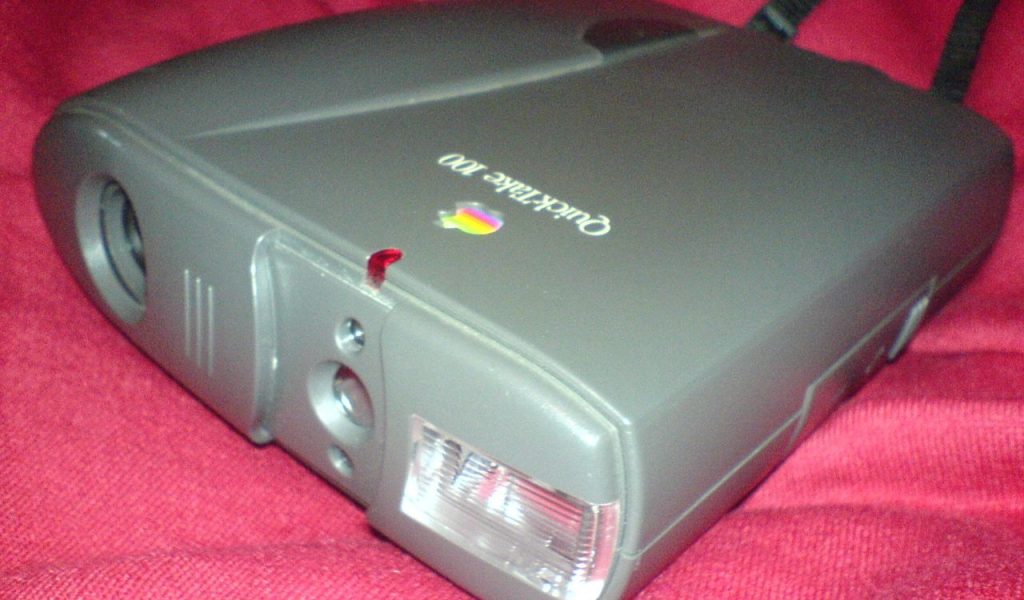
Early digital photography was exciting, and QuickTake cameras tried to capture the emerging market. However, the technology wasn’t advanced enough to match expectations. Low resolution, limited storage, and slow transfer speeds frustrated users. Traditional film still offered better quality, and newer digital cameras soon surpassed QuickTake with higher pixel counts and improved functionality. While groundbreaking in concept, QuickTake struggled to deliver practical value. It became clear that consumers weren’t ready to compromise image quality for convenience, at least not until digital cameras matured years later.