

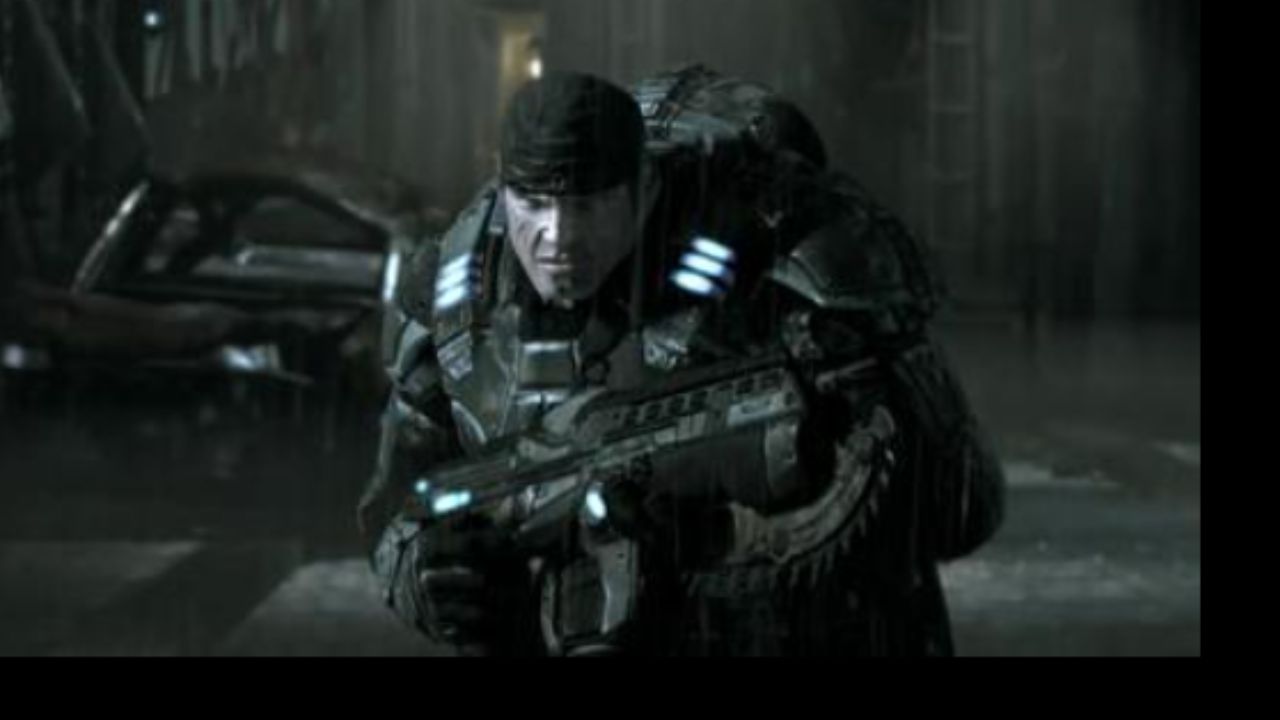

The year 2006 was an important yet often underrated moment in gaming history. While the spotlight tended to shine on a handful of high-profile titles, many other releases from that year quietly built lasting reputations. These games didn’t always dominate sales charts or spark massive marketing buzz at launch, but they offered strong design, engaging mechanics, and creative worlds that resonated deeply with players over time. Their impact wasn’t always immediate, but their staying power proved undeniable. As the years passed, these overlooked gems steadily gained recognition through word of mouth, fan communities, and critical reassessment. Some inspired new genres, others built passionate cult followings, and many aged far better than their flashier competitors.
1. The Elder Scrolls IV: Oblivion
At release, Oblivion was recognized for its ambitious open world, but it was also criticized for the demanding hardware and some awkward early-era AI. However, beneath those rough edges was a role-playing experience full of freedom, exploration, and storytelling. Players could wander into dense forests, join mysterious guilds, or stumble into bizarre and memorable side quests that remain iconic today. As years passed, Oblivion aged into a beloved cornerstone of modern open-world design. The modding community kept it alive with visual upgrades, new content, and countless enhancements. Today, fans look back on it with deep affection, calling it a bridge between classic RPG complexity and the more cinematic style that would define Bethesda’s later games.
2. Hitman: Blood Money
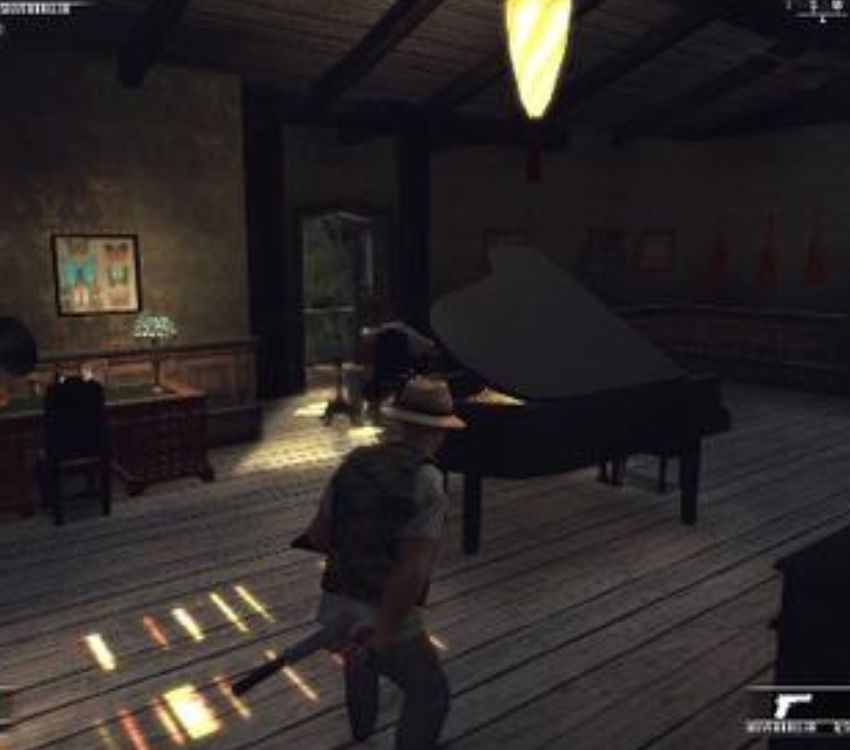
When released, Hitman: Blood Money earned praise but didn’t fully break into mainstream popularity. Its open-ended mission design, blending stealth, improvisation, and creativity, was ahead of its time. Many players didn’t initially realize how much freedom the game offered; they were used to more linear stealth experiences. Over time, the game became widely recognized as a turning point for the Hitman franchise. Fans now view Blood Money as the series’ gold standard, thanks to its intricate level design and unforgettable scenarios. It set the foundation for the modern Hitman trilogy and remains a cult favorite among stealth-game enthusiasts.
3. Okami
Okami launched to strong critical acclaim but disappointing commercial sales, partly due to its release late in the PlayStation 2’s life cycle. Its watercolor-inspired art style and Japanese folklore-inspired world were unlike anything else at the time. Many players overlooked it, but those who discovered it were captivated by its imaginative brush mechanics and Zelda-like adventure structure. As the years passed, Okami gained recognition as a visual masterpiece. HD re-releases helped introduce it to a much wider audience, and today, it is widely celebrated for its artistry and emotional storytelling. What was once a niche title is now considered one of the greatest action-adventure games ever created.
4. Bully

At launch, Bully faced controversy due to misunderstandings about its tone, leading some to dismiss it before giving it a fair chance. But beneath the headlines was a charming, clever, and surprisingly heartfelt open-world adventure. Its school setting offered a refreshing change from typical crime-focused open worlds, and its characters were full of personality. Over the years, players revisited Bully and discovered how unique and memorable it truly was. It developed a devoted fanbase demanding a sequel that never came, cementing its status as one of Rockstar’s most beloved cult classics. Its blend of humor, mischief, and strong narrative makes it stand out even today.
5. Gears of War
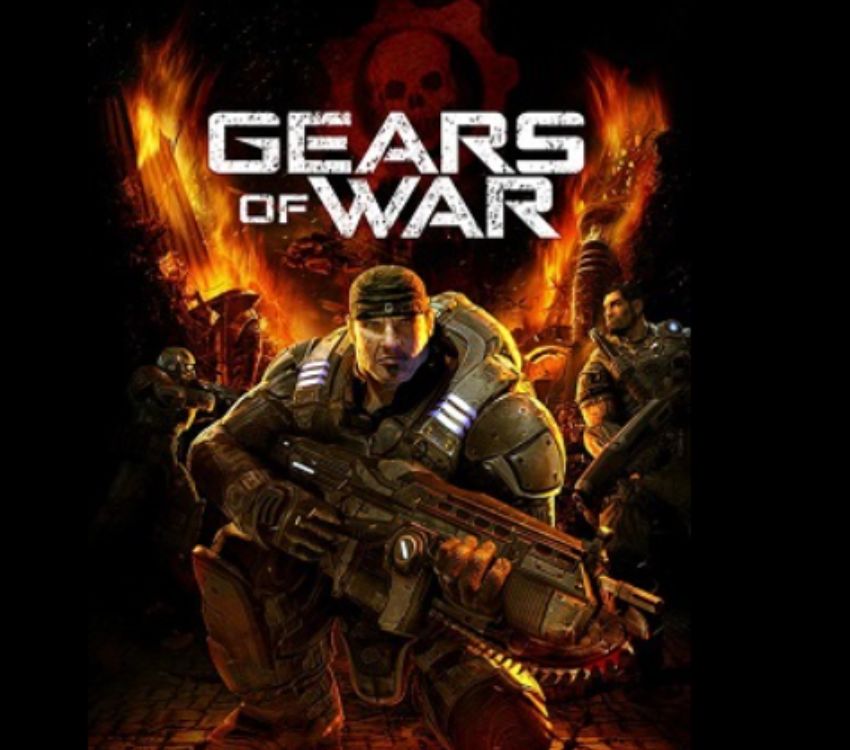
While Gears of War was a commercial success from the start, its long-term influence wasn’t immediately obvious. Its cover-based mechanics felt fresh and innovative, but few realized they would reshape the entire third-person shooter genre. Everything from level design to pacing showed a polished understanding of cinematic action. As time went on, it became clear that Gears of War defined an entire era of action games. The series established trends that countless shooters would follow for years, and its gritty tone became a hallmark of late-2000s game design. Today, the original game is remembered as a landmark moment in modern shooter evolution.
6. Dead Rising
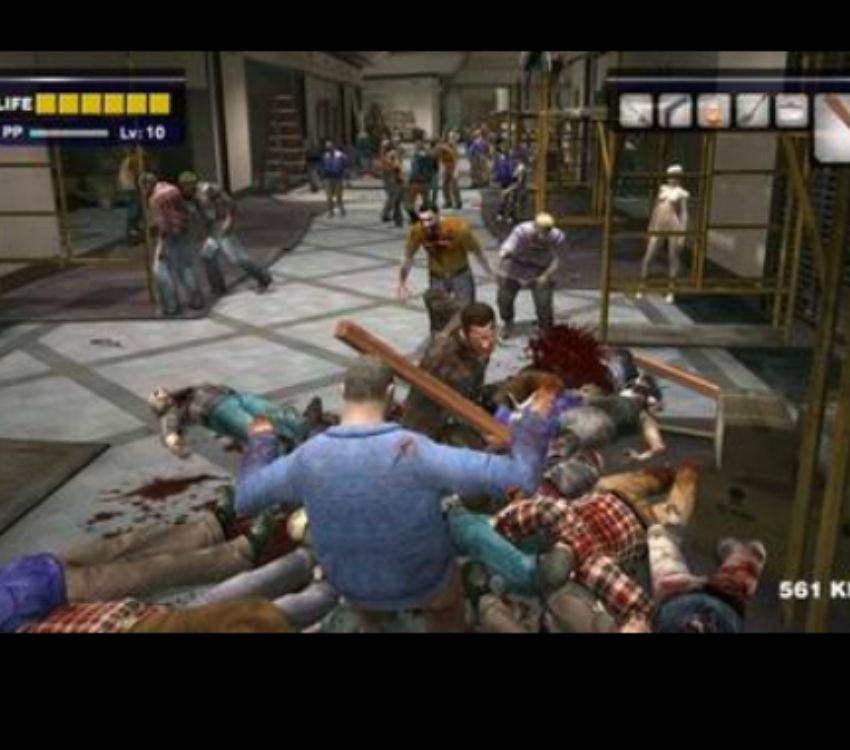
Dead Rising introduced a bold concept for its time: massive crowds of zombies rendered simultaneously in an open mall environment. While the game’s strict save mechanics frustrated some players, its creativity, humor, and freedom made it deeply appealing to others. It delivered a chaotic playground where nearly anything could be turned into a weapon. As the years passed, fans grew to appreciate just how innovative Dead Rising was. Its creativity in combat, unique time-based structure, and irreverent tone helped it become a cult classic. Its influence is visible in many modern zombie-themed sandboxes, and it remains a fan favorite thanks to its quirky personality.
7. Company of Heroes
Company of Heroes impressed at launch but wasn’t initially recognized as the game-changing RTS it would become. Its dynamic cover system, destructible environments, and squad-based tactics brought a new level of depth and realism to real-time strategy gameplay. Many early players were surprised by how tactical and cinematic battles felt. Over time, it became clear that Company of Heroes set a new standard for the genre. Competitive players and strategy fans still praise its depth and polish, and its influence can be seen in countless strategy titles that followed. It remains one of the most respected and enduring RTS games ever made.
8. The Legend of Zelda: Twilight Princess
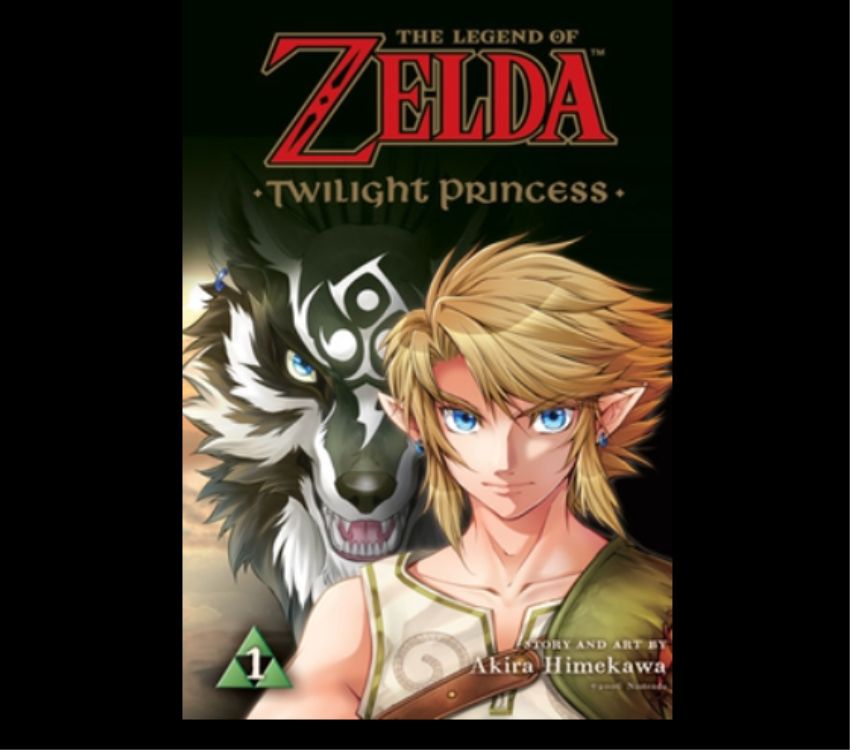
Twilight Princess launched to praise, but it didn’t immediately stand out against the legacy of earlier Zelda titles. Some players expected a more revolutionary experience and overlooked the game’s dramatic storytelling and darker atmosphere. Still, its dungeon design and character development quietly resonated with those who embraced it. As years passed, appreciation for Twilight Princess grew steadily. Fans began to recognize itsrich emotional tone, memorable cast, and cinematic world-building. Today, it is widely regarded as one of the most polished and mature entries in the Zelda franchise, earning long-term respect as a modern classic.