

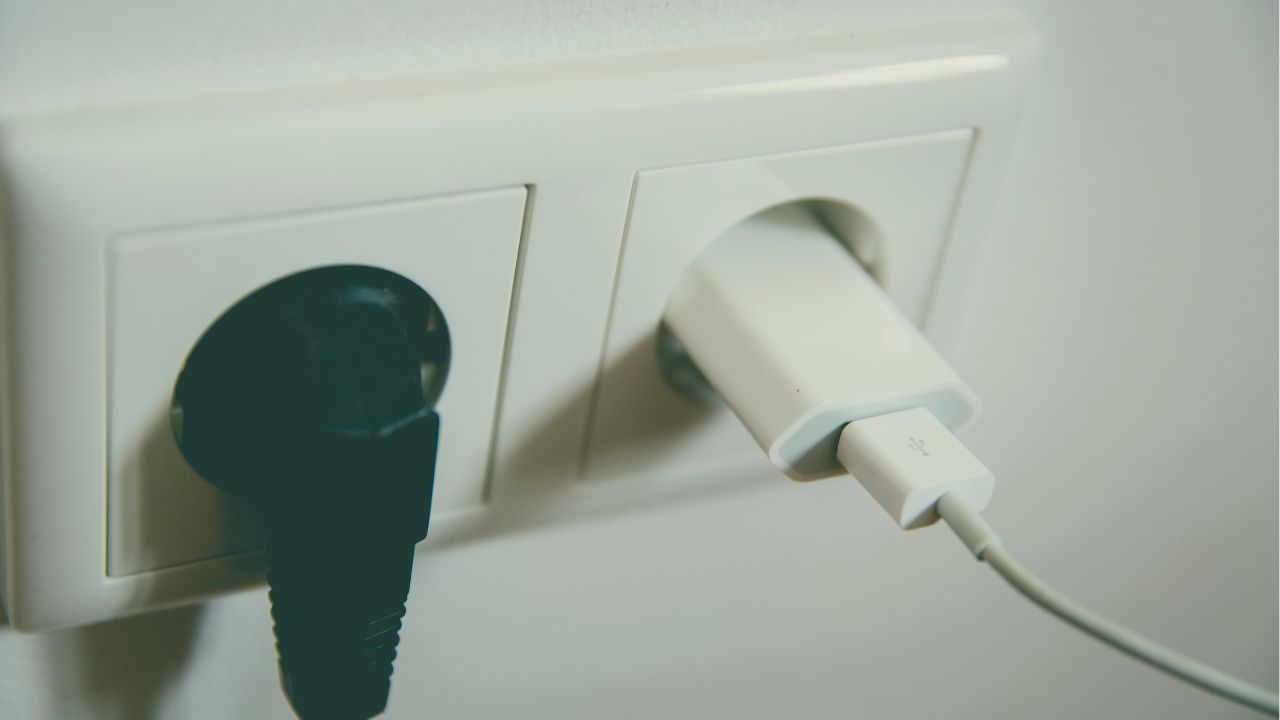

Many homes have chargers plugged into walls around the clock, powering phones, earbuds, tablets, and other small devices.
Because these adapters are compact and easy to ignore, people often leave them connected even when nothing is charging.
Over time, this habit raises questions about wasted electricity, fire safety, and device health.
Energy researchers and electrical safety experts agree that while modern chargers are designed to be efficient, they are not completely impact-free.
Understanding what actually happens when chargers stay plugged in can help households make smarter choices.
This approach avoids adding unnecessary hassle to daily routines and supports more responsible everyday energy use habits.
Do Plugged-In Chargers Use Electricity?
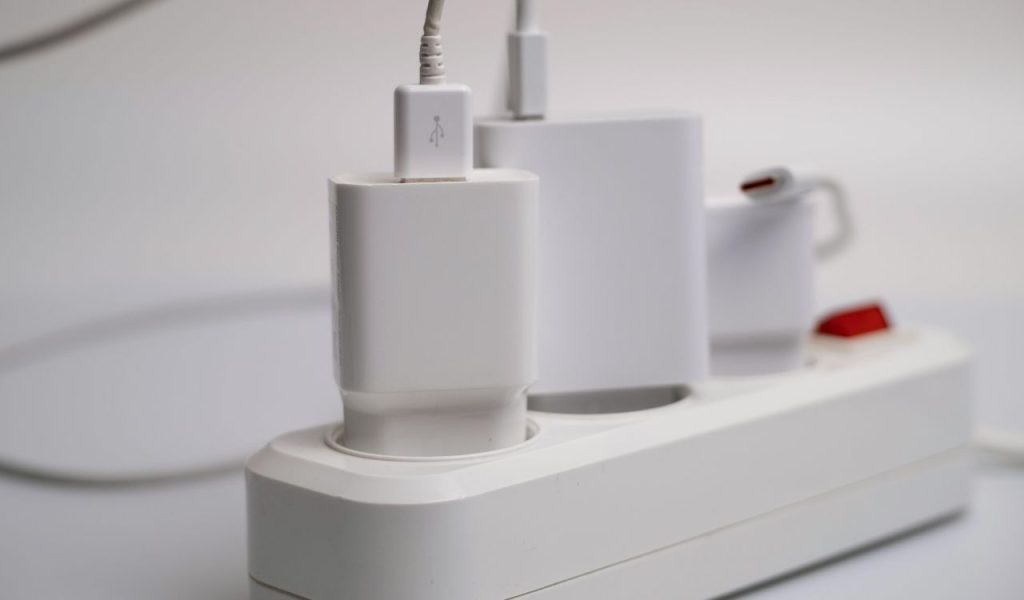
When a charger is connected to an outlet but not attached to a device, it still draws a small amount of power.
This is known as standby or vampire energy, and internal components remain energized and ready to respond.
The amount of electricity used is tiny for a single charger, often measured in fractions of a watt.
The effect becomes more noticeable when many adapters are left plugged in throughout a home.
Over months and years, this background usage contributes to higher energy consumption.
The added consumption quietly shows up on utility bills and increases overall household electricity demand slightly.
How standby power adds up over time
Energy analysts note that one idle charger will not significantly change a household’s bill.
Multiple unused electronics can create a measurable load over time. Homes with several bedrooms, home offices, and shared charging stations may have dozens of adapters.
These can draw small amounts of power at all times. Over a year, the combined effect can equal the electricity used by a major appliance for hours.
Experts recommend grouping chargers on switchable power strips to reduce unnecessary draw in shared living spaces.
Efficiency improvements in modern chargers
Newer chargers are far more efficient than older models due to improved circuitry and standards.
Many now comply with strict efficiency regulations that limit standby power consumption.Fast charging adapters and branded chargers from reputable manufacturers perform better.
Cheap, uncertified alternatives often waste more energy and fail sooner. Efficiency gains have reduced the overall impact of idle chargers.
Experts still view unplugging or switching off chargers as a simple way to cut waste safely.
Are Plugged-In Chargers a Safety Risk?
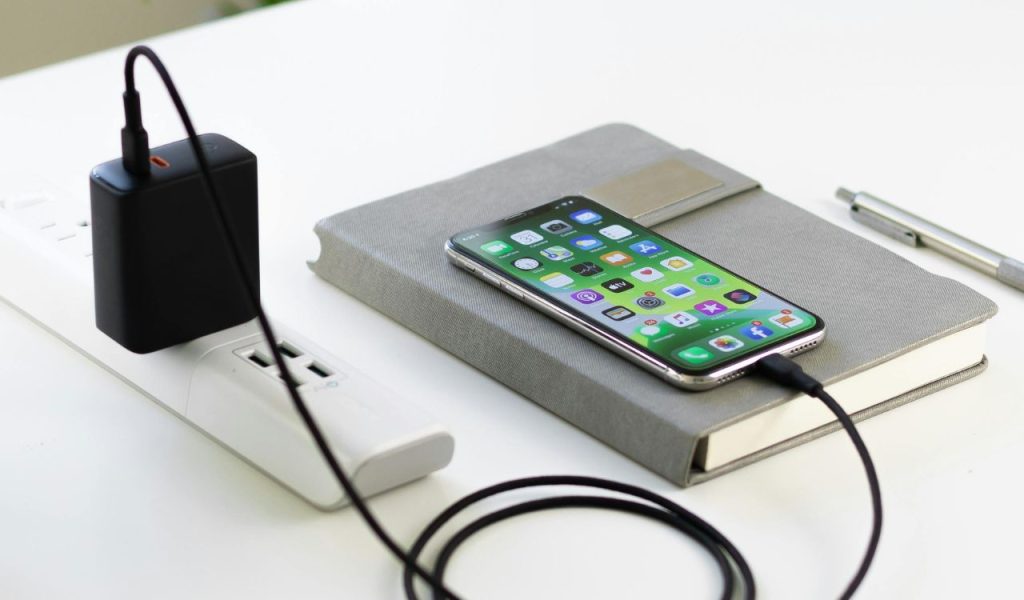
Safety is often the main concern people raise when discussing plugged-in chargers. Modern, certified chargers include features that reduce overheating and short-circuit risks.
Any device connected to power carries some level of risk. The risk increases if equipment is damaged, poorly made, or used in unsafe conditions.
Heat buildup, dust accumulation, and physical wear raise failure chances. Regular checks can reduce the likelihood of hidden problems developing over extended daily use.
Fire risk and overheating concerns
Most house fires linked to chargers are caused by faulty cables or counterfeit adapters. These often lack proper safety components.
Leaving chargers near flammable materials or under bedding increases danger. Trapped heat cannot dissipate in these conditions.
Safety professionals advise checking cords for fraying or discoloration. Chargers that feel hot when idle should be unplugged and replaced promptly for safety.
Environmental and outlet safety factors
Environmental conditions affect charger safety in daily use. Moisture near outlets increases the risk of electrical faults.
Power surges from storms or unstable wiring can damage electronics. This damage can happen even when devices are not actively charging.
Experts suggest unplugging chargers during long absences or severe weather. Surge protectors add another layer of protection for charging stations in busy households.
Practical Advice for Everyday Use
Experts agree that leaving a charger plugged in occasionally is unlikely to cause harm. Building mindful habits improves safety and efficiency over time.
The goal is not perfection in daily routines. It is to reduce unnecessary risks and wasted energy where possible.
Simple adjustments can make a meaningful difference. These changes do not disrupt normal daily life for most households.
When unplugging makes the most sense
Unplug chargers when devices are fully charged and unused for long periods. This includes overnight or work hours away from home.
Unplug unused chargers in guest rooms, travel bags, or spare outlets. These outlets rarely see daily activity.
Households with children or pets should remove idle chargers from low outlets. This prevents chewing, pulling, or accidental damage during unsupervised moments.
Smart alternatives to constant unplugging
Power strips with on/off switches offer an easy compromise for busy users. Multiple chargers can be turned off with one click.
Smart plugs automate power cutoffs on schedules or inactivity. This reduces manual unplugging without losing convenience.
Experts recommend high-quality, certified chargers and timely cable replacement. These habits support safe charging while keeping routines simple for everyday users.