

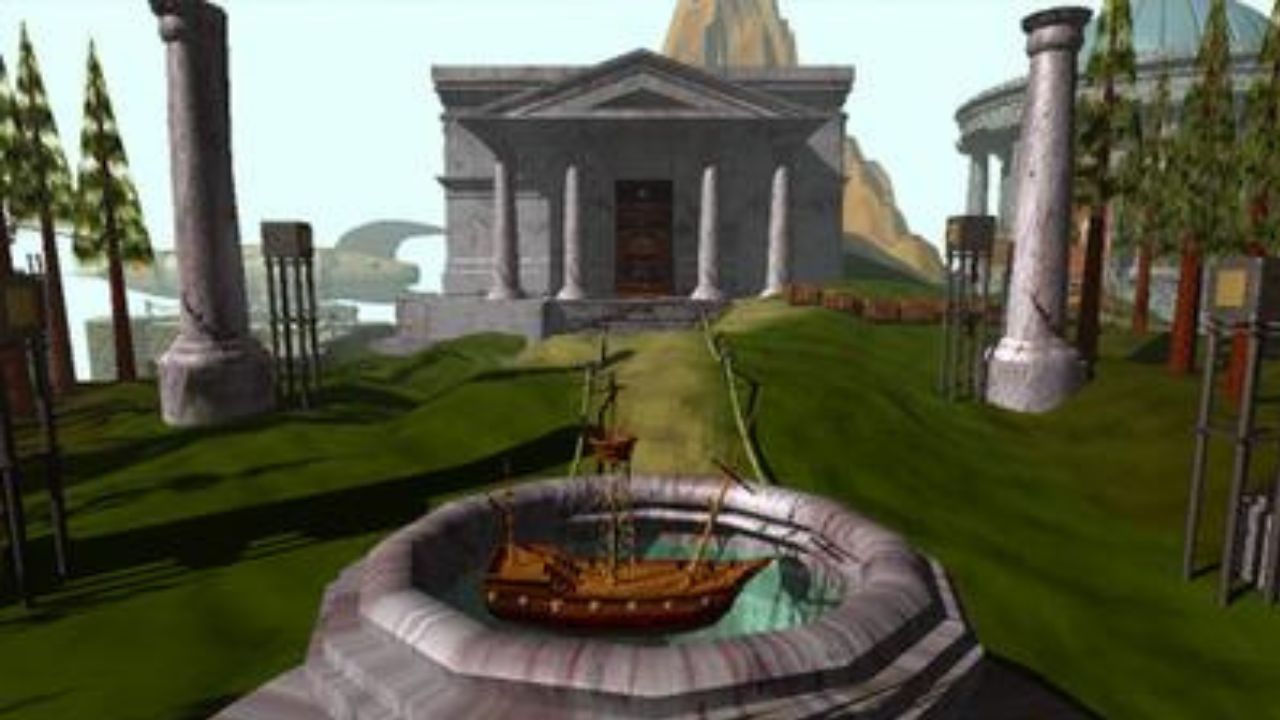

The rise of CD-ROM technology in the 1990s changed how games were made and experienced. Larger storage allowed developers to include full-motion video, voiced dialogue, orchestral soundtracks, and expansive worlds that floppy disks could not support. Players began to expect richer presentation alongside deeper mechanics, which reshaped how stories were told and how environments were built. While not every experiment succeeded, the era encouraged creative risk and cross-genre ideas. Many modern design standards trace back to lessons learned during this period of rapid technical change and ambition.
1. Myst
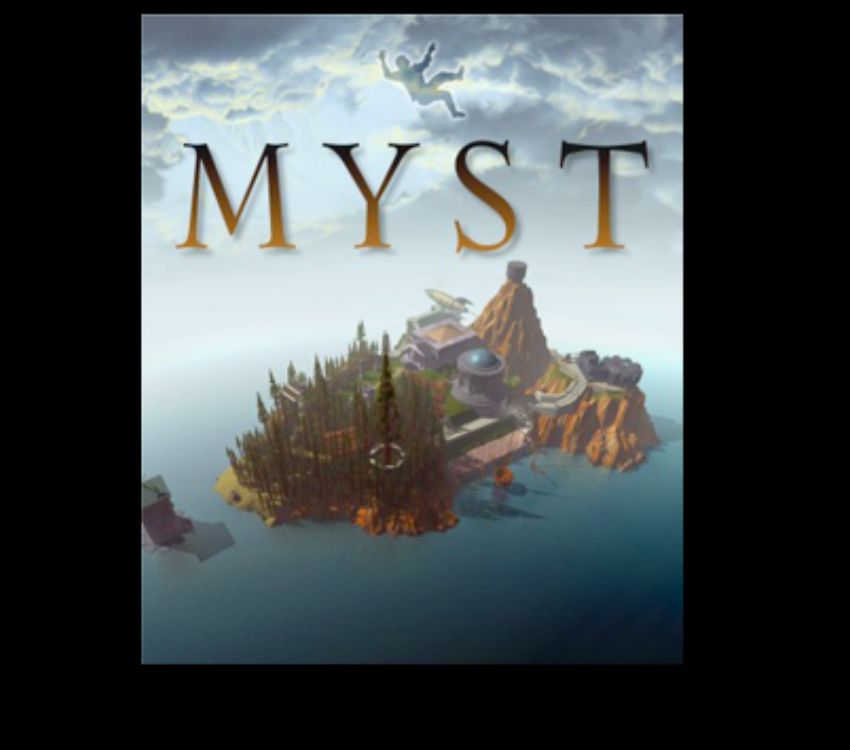
Myst introduced many players to atmospheric puzzle design built around exploration and environmental storytelling. The CD-ROM format enabled richly detailed still scenes and ambient audio that created a sense of quiet isolation. Progress depended on careful observation, note-taking, and logic rather than fast reflexes, which broadened the appeal of PC gaming to new audiences. Its nonviolent approach showed that curiosity and worldbuilding could carry an experience. Myst also demonstrated how pre-rendered visuals and sound could work together to create immersion on limited hardware.
2. The 7th Guest
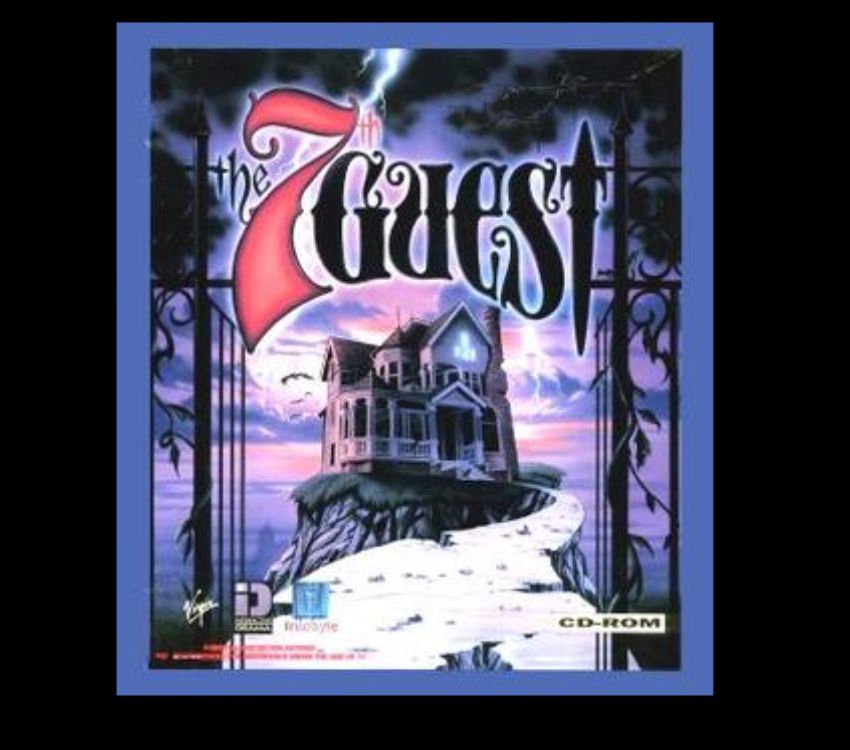
The 7th Guest blended puzzles with live-action video to tell a mysterious story inside a haunted mansion. CD-ROM storage made it possible to include filmed performances that added personality to characters and scenes. Players moved room to room, solving logic challenges while uncovering fragments of the narrative. The game helped popularize multimedia elements in home entertainment and showed publishers that cinematic presentation could attract mainstream attention. Its eerie tone and memorable soundtrack became defining examples of how FMV could enhance atmosphere when used thoughtfully.
3. Doom
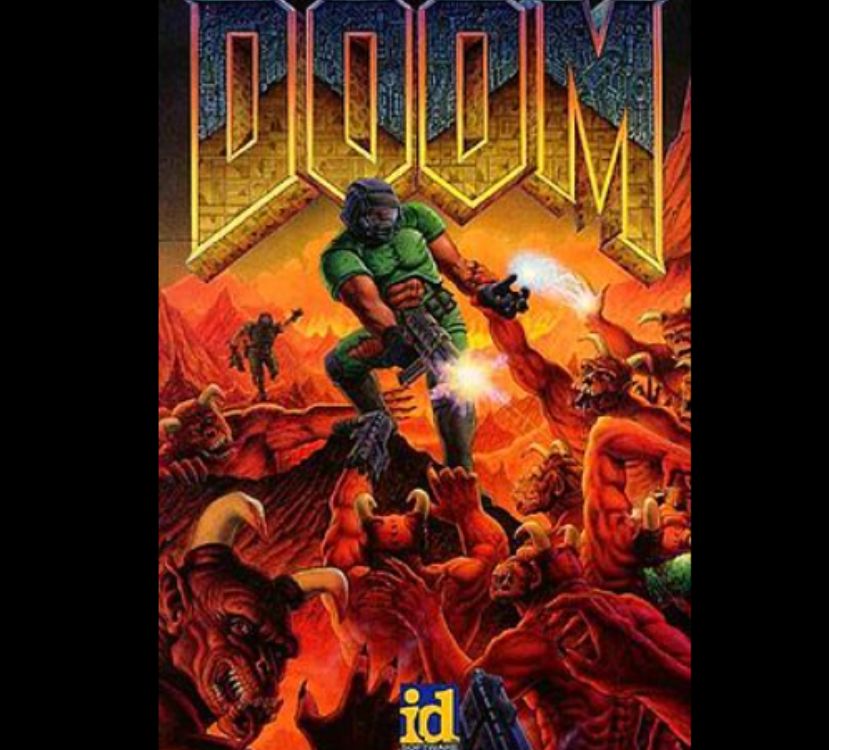
Doom helped define fast-paced first-person shooters and demonstrated how CD-ROM distribution could support larger, more detailed game files. While its core mechanics ran from small installs, expanded audio and custom levels spread widely through discs and shareware collections. The game’s fluid movement, responsive controls, and multiplayer support shaped expectations for action games. Doom also encouraged community modding, with players sharing custom maps and experiences. Its influence on level design, pacing, and networked play continues to echo through modern shooters.
4. Command & Conquer
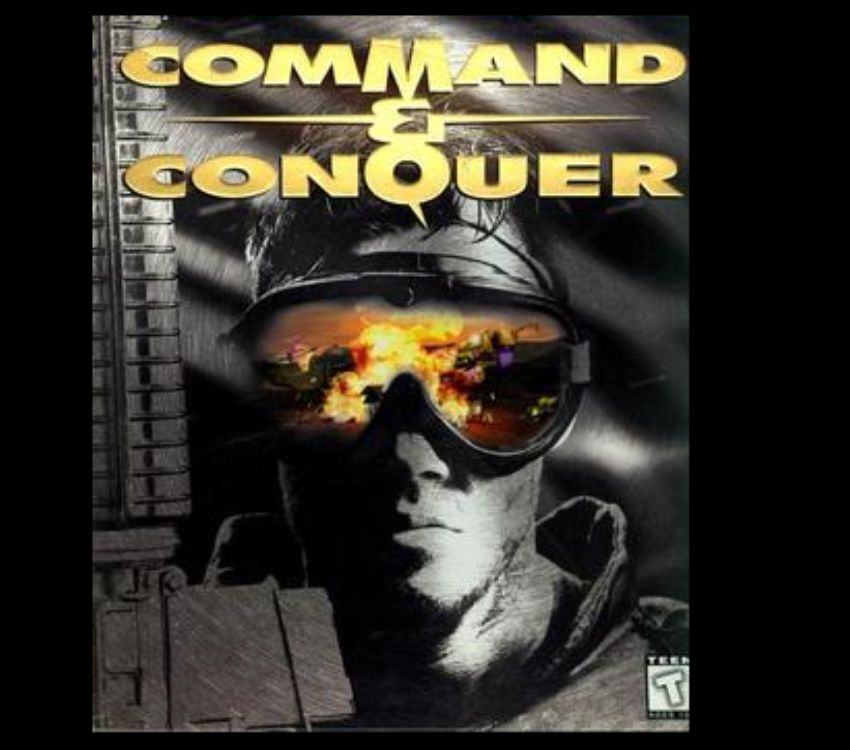
Command & Conquer brought real-time strategy to a wider audience with cinematic briefings, voiced commanders, and a memorable soundtrack. CD-ROM space allowed for full-motion video sequences that framed missions within a larger conflict. Players managed resources, built bases, and directed armies in battles that rewarded planning and quick decision-making. The clear visual language made the genre approachable while still offering depth. Its success helped establish RTS conventions and proved that story presentation could coexist with complex strategy systems in mainstream PC games.
5. Warcraft II
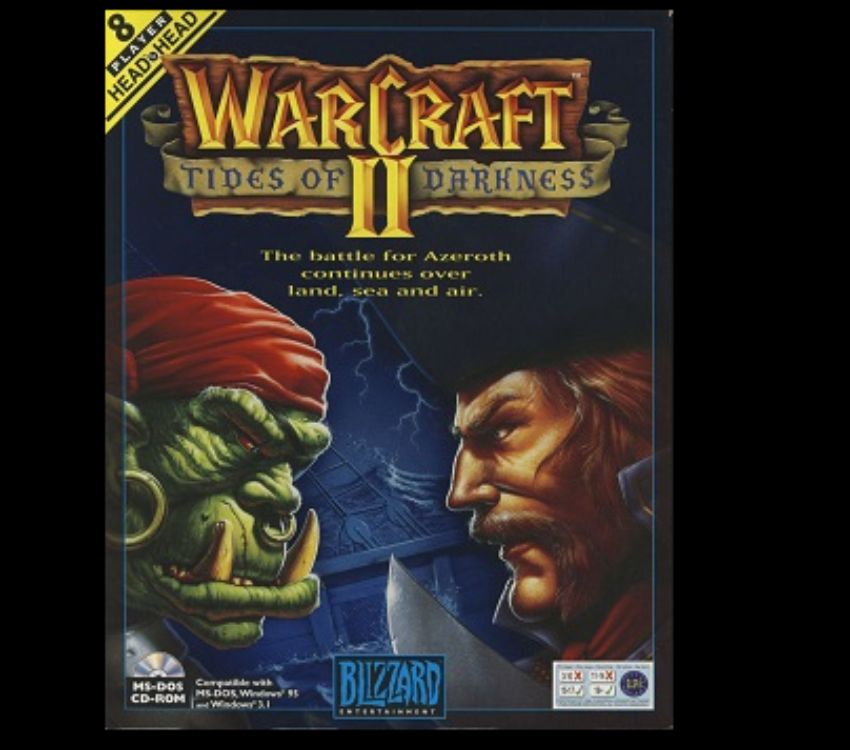
Warcraft II expanded on its predecessor with improved visuals, voice acting, and more varied missions, benefiting from CD-ROM audio quality. The game refined real-time strategy mechanics with clearer unit roles and competitive multiplayer options. Naval combat and diverse maps encouraged flexible tactics rather than fixed solutions. The inclusion of spoken briefings and unit responses added personality to the world of Azeroth. Warcraft II helped set standards for accessible strategy design and paved the way for future franchise entries that blended lore with approachable gameplay.
6. Gabriel Knight: Sins of the Fathers
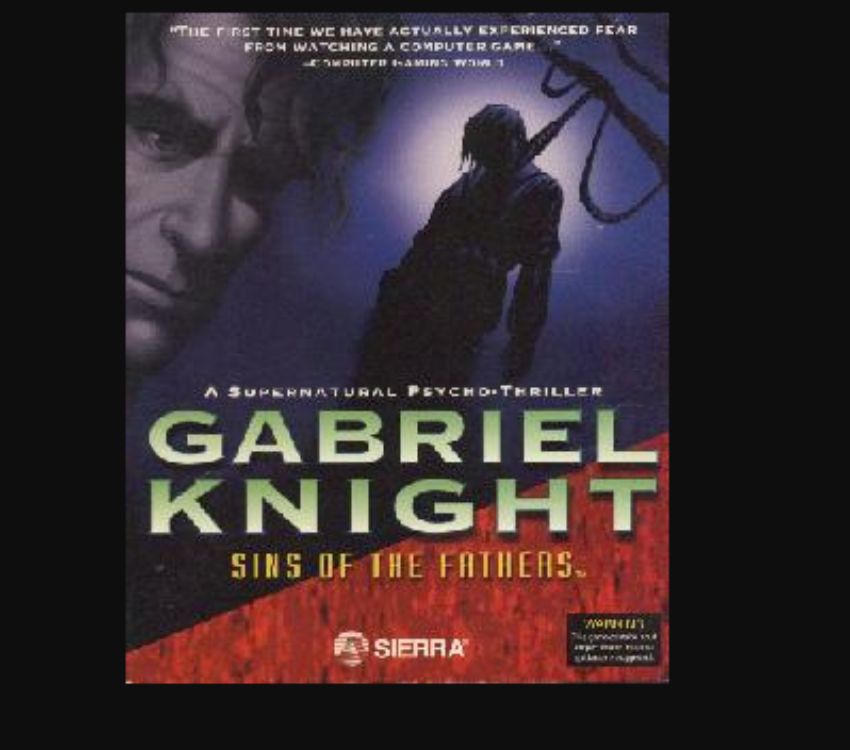
Gabriel Knight combined adventure gameplay with a darker, more mature narrative inspired by historical settings. CD-ROM storage allowed for extensive voiced dialogue that brought characters to life and supported a more cinematic tone. Players investigated clues, spoke with locals, and pieced together a mystery rooted in folklore and urban legends. The game showed how strong writing and performances could elevate point-and-click adventures beyond simple puzzle collections. Its storytelling ambition influenced later narrative-driven titles that aimed for deeper themes and character development.
7. Full Throttle
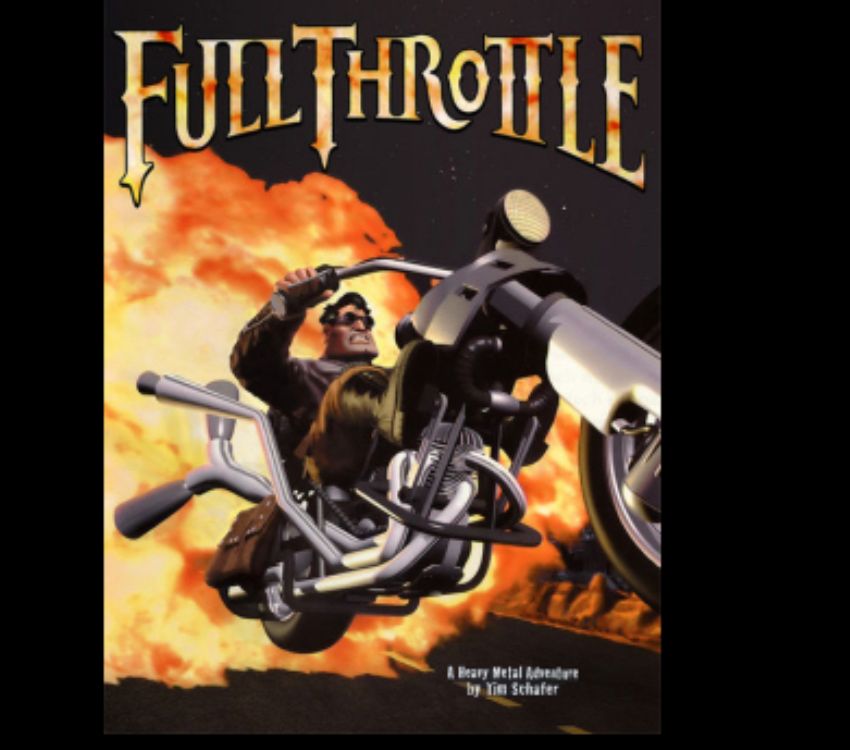
Full Throttle delivered a compact adventure with striking art direction, voiced characters, and a rock-inspired soundtrack made possible by CD-ROM audio. The game focused on character-driven storytelling, following a biker protagonist through a series of puzzles and action moments. Cinematic cutscenes helped establish tone and pacing, while streamlined interactions reduced frustration common in older adventures. Full Throttle demonstrated how concise storytelling and strong visual identity could leave a lasting impression, even within a relatively short runtime.
8. Phantasmagoria
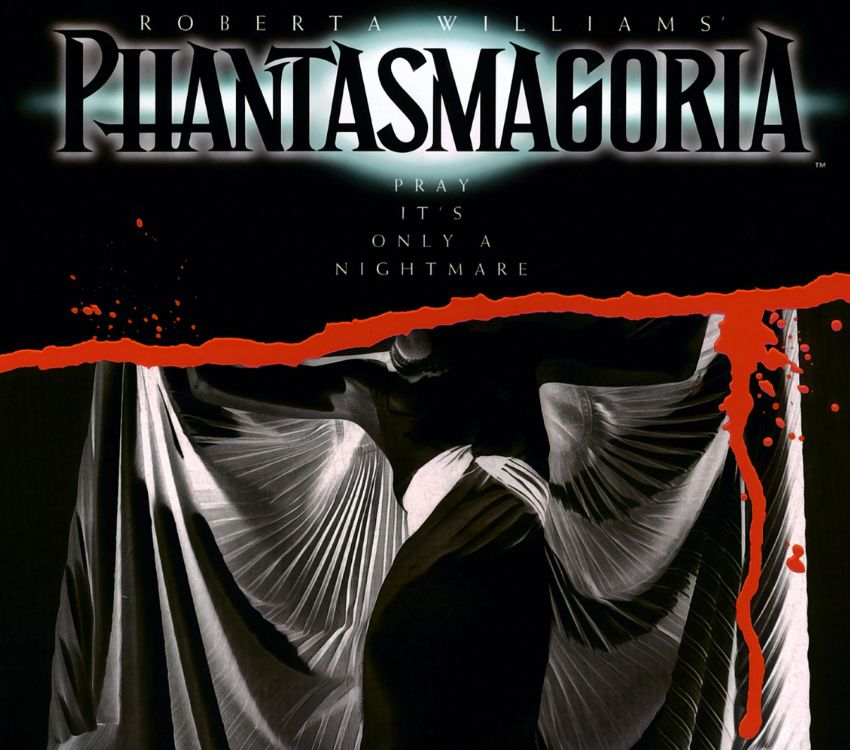
Phantasmagoria used extensive full-motion video to tell a horror story with live actors and staged sets. CD-ROM capacity enabled long scenes that resembled interactive cinema, pushing boundaries for narrative presentation in games. Players explored environments and triggered story moments while solving light puzzles. The game sparked debate about content and maturity in interactive media, drawing attention from beyond traditional gaming circles. Although FMV trends faded, Phantasmagoria highlighted both the potential and limits of blending film techniques with player agency.
9. Diablo
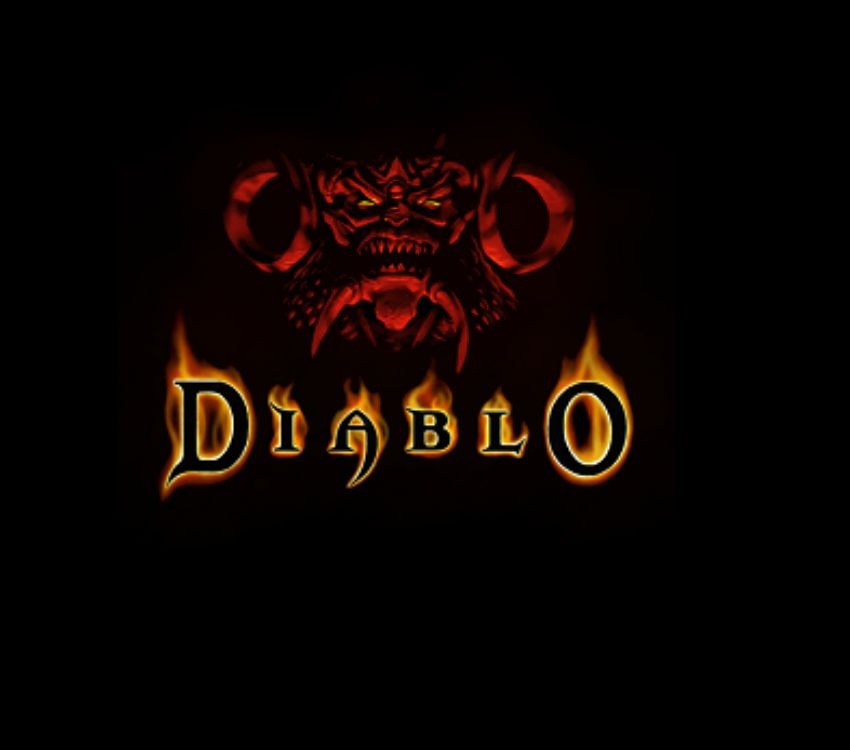
Diablo merged action combat with role-playing progression in a dark fantasy setting supported by atmospheric audio and voice acting. CD-ROM audio quality enhanced the mood through ambient sounds and memorable character lines. The game’s randomly generated dungeons encouraged replayability, while its simple interface made complex systems approachable. Diablo popularized loot-driven progression and cooperative multiplayer on PC, influencing countless later action RPGs. Its success showed that accessibility and depth could coexist when systems were clearly presented and tightly balanced.
10. StarCraft
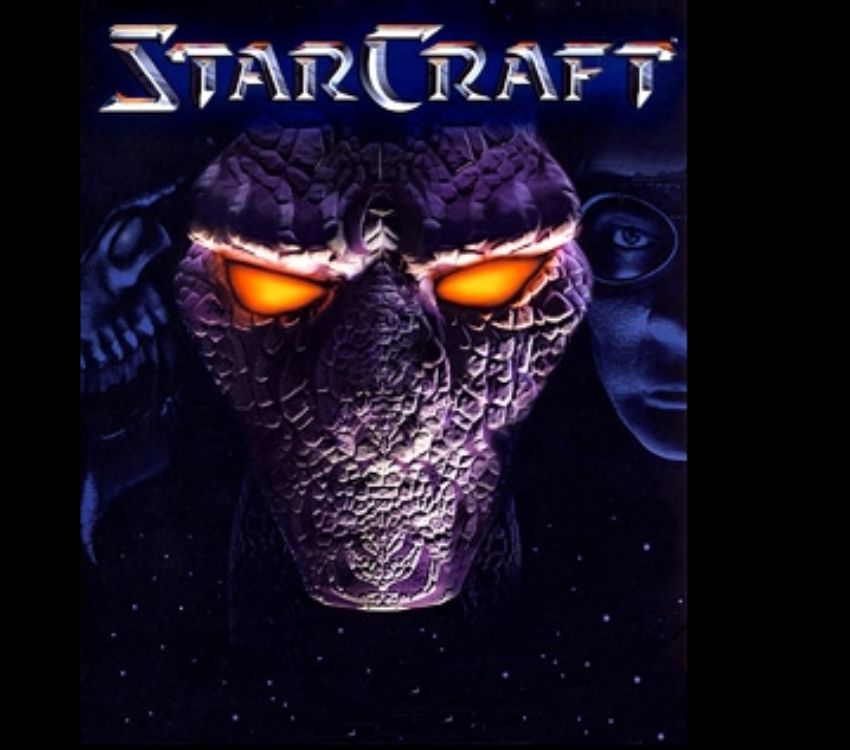
StarCraft refined real-time strategy with three distinct factions, each balanced around unique mechanics. CD-ROM storage supported extensive voice acting and narrative briefings that framed a long-running science fiction conflict. The game emphasized competitive play, rewarding strategic planning and precise control. Its multiplayer community helped establish esports foundations in several regions. StarCraft demonstrated how careful balance, strong worldbuilding, and reliable online play could sustain a game’s relevance long after release, shaping expectations for competitive strategy titles.
11. Baldur’s Gate
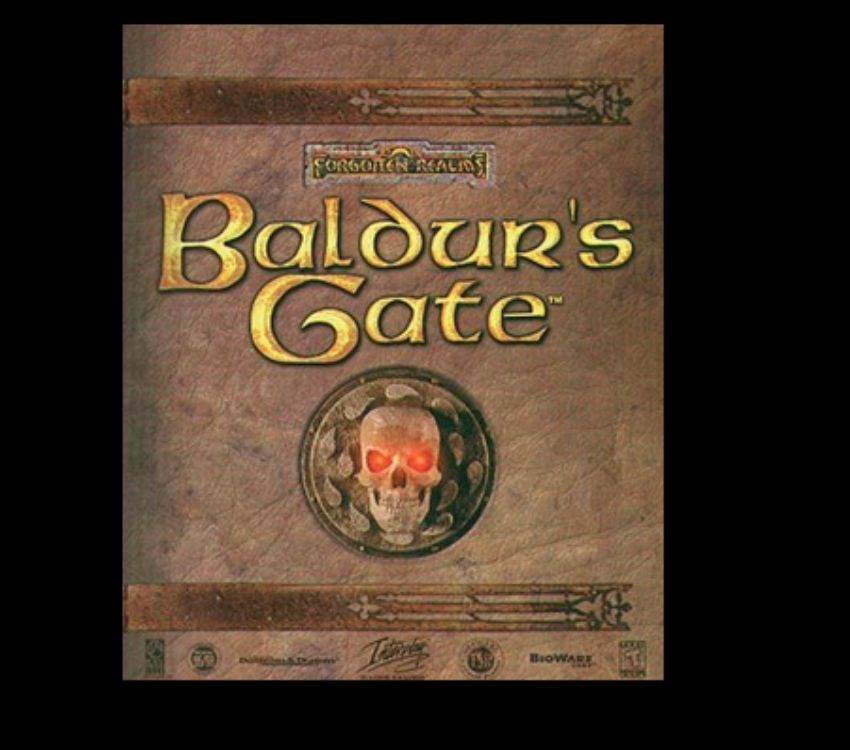
Baldur’s Gate brought classic tabletop-inspired role-playing to PC with expansive dialogue, voiced companions, and richly illustrated environments. CD-ROM media enabled detailed backgrounds and recorded performances that deepened immersion. Players made moral choices, formed party dynamics, and explored a vast world shaped by their decisions. The game balanced accessibility with complex systems, inviting newcomers while satisfying genre fans. Baldur’s Gate influenced modern RPG design by emphasizing character relationships, narrative choice, and open-ended exploration within a structured framework.
12. SimCity 2000
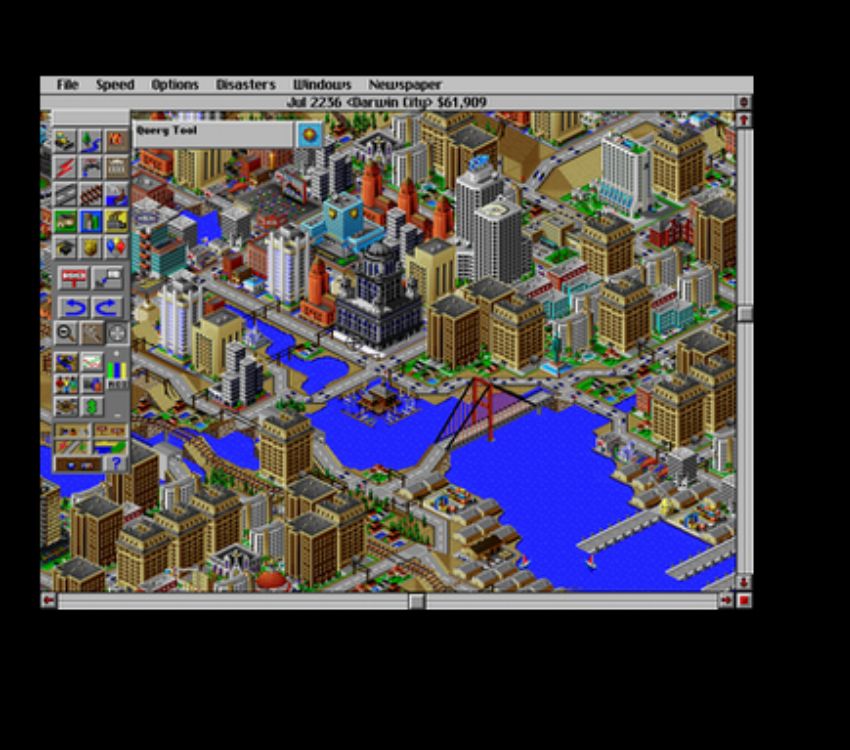
SimCity 2000 expanded city-building with its isometric visuals, detailed simulation layers, and enhanced audio that benefited from CD-ROM distribution. Players managed infrastructure, zoning, and budgets while responding to disasters and citizen needs. The added depth encouraged long-term planning and experimentation with urban design. The game helped normalize simulation as a creative tool, showing that open-ended systems could be as engaging as goal-driven challenges. Its influence is visible in later management games that prioritize player-driven outcomes and systemic complexity.