


Gaming hype cycles move fast, and early excitement does not always lead to long-term success. Trailers, influencer coverage, and flashy reveals can create the sense that a release will dominate the charts for years. Once players spend time with a game, expectations shift based on depth, stability, and long-term support. Some titles launch with strong visibility yet struggle to retain attention after the first wave of players moves on. Technical issues, shallow progression, or unclear direction can quickly limit momentum. These releases often become examples of how hype alone cannot sustain a player base.
1. Anthem
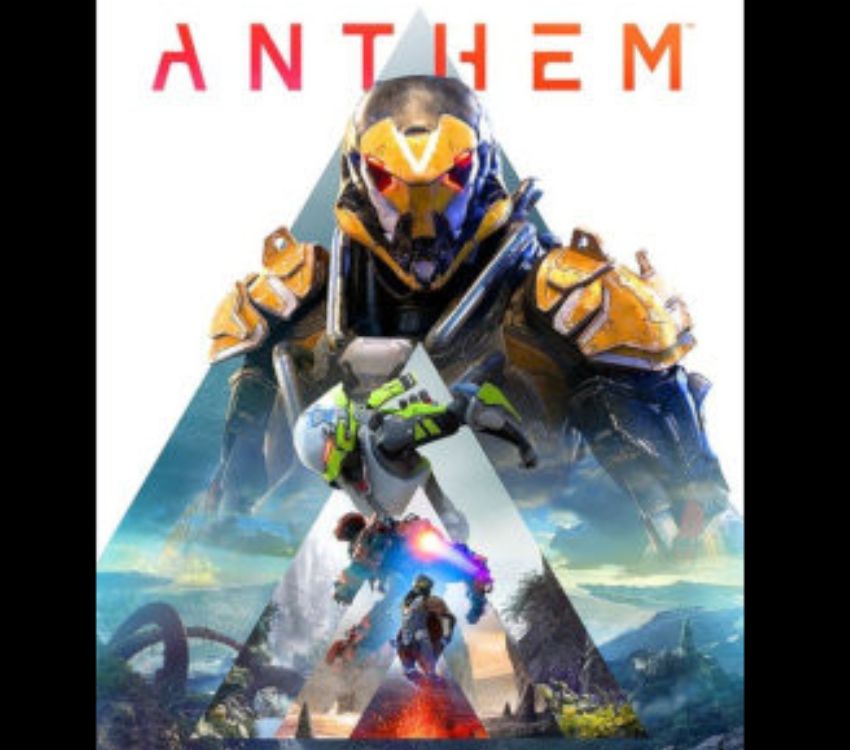
Anthem launched with heavy promotion and the promise of a shared world built around fluid flight and cooperative combat. Early demos impressed players with vertical movement and cinematic presentation, setting expectations for a long-lasting live service experience. After release, technical issues, limited endgame content, and repetitive mission design reduced engagement. Updates arrived slowly and failed to rebuild confidence. The core flying mechanics remained enjoyable, but without meaningful progression and consistent improvements, interest declined. Anthem became a reminder that ambitious concepts need steady post-launch support.
2. LawBreakers
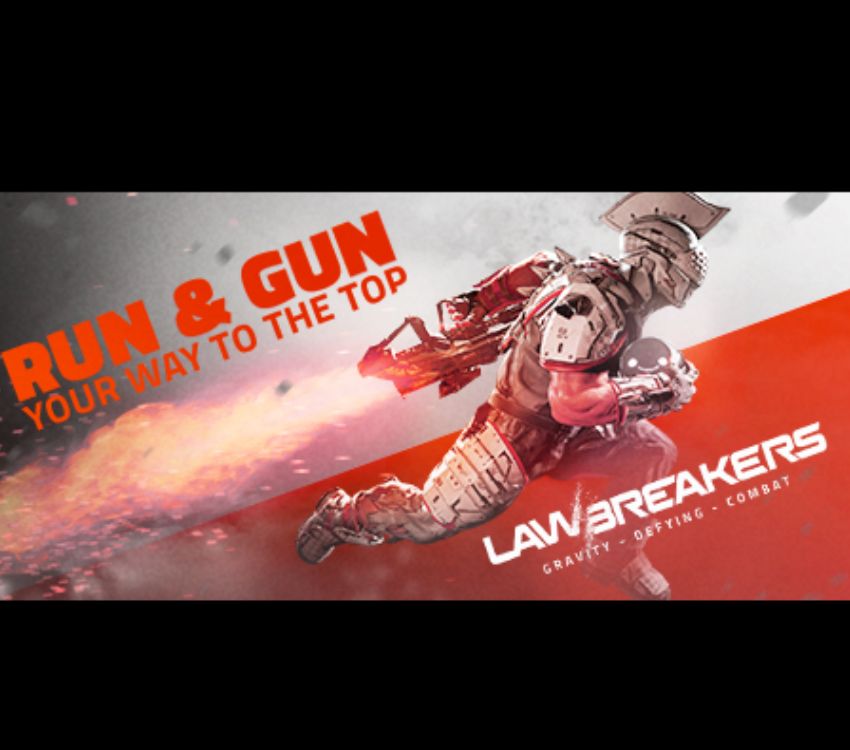
LawBreakers entered the market with fast-paced, gravity-shifting combat designed to stand out in the shooter space. Early coverage highlighted its movement systems and high skill ceiling, creating buzz among players seeking alternatives to established multiplayer titles. At launch, the game struggled to attract a broad audience, and limited matchmaking pools made it hard for players to find balanced matches. Without a growing community, competitive modes felt inaccessible to casual users. Despite strong mechanics, the title faded as player numbers declined, showing how multiplayer games depend on sustained population.
3. Babylon’s Fall
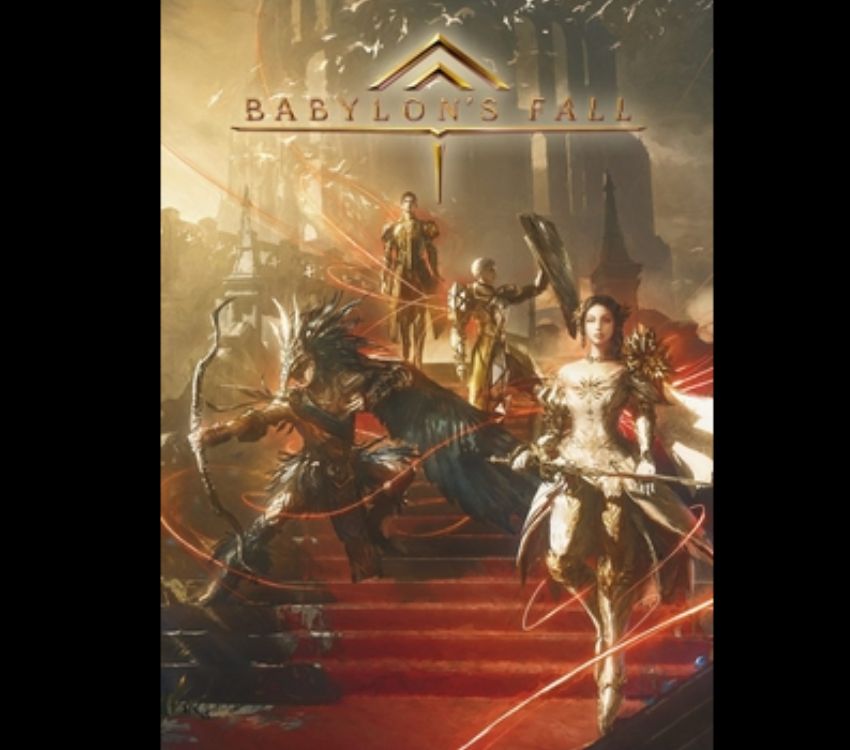
Babylon’s Fall was presented as a stylish action RPG with cooperative elements and striking visual direction. Previews focused on its unique art style and promise of team-based combat, building expectations for a fresh experience. After release, performance problems, repetitive encounters, and a lack of meaningful progression limited player interest. Reviews pointed to shallow systems that failed to reward long-term play, and content updates arrived without addressing concerns. The visual identity drew curiosity, but without engaging mechanics to support it, the player base declined quickly, and community activity slowed.
4. Hyperscape
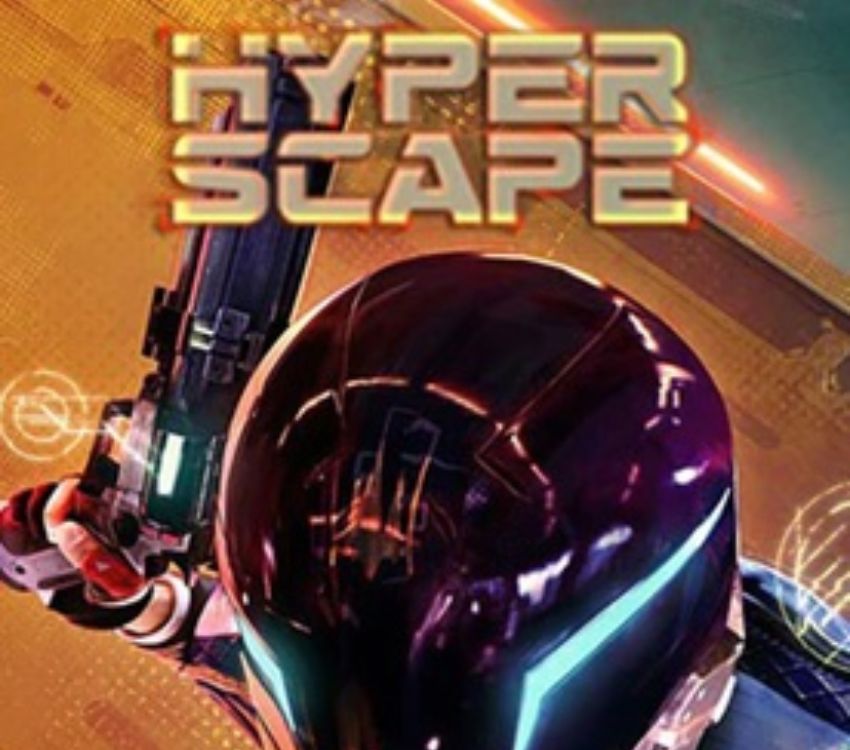
Hyperscape launched as a free-to-play battle royale with vertical movement, fast pacing, and streamer-friendly features. Early attention came from high-profile broadcasts and the novelty of its urban map design. Once the spotlight faded, players found the learning curve steep and long-term progression limited compared to competitors. Balancing challenges and frequent changes made it difficult for casual players to feel invested. As other battle royale games expanded content and refined systems, Hyperscape struggled to maintain visibility. The concept showed potential, but retaining players in a crowded genre proved difficult.
5. The Culling 2
The Culling 2 tried to revive interest in a once-popular survival concept by shifting toward faster matches and higher player counts. Early announcements pointed to better pacing and accessibility that could broaden its audience. At launch, performance issues and design changes frustrated returning players who preferred the original format. New players found limited depth and unclear progression, reducing reasons to stay. Community feedback showed the sequel lost the identity that once defined the series, and without clear direction, interest dropped quickly, and the player base never stabilized.
6. Crucible
Crucible launched as a team-based shooter blending competitive and cooperative play within a shared world structure. Early marketing highlighted distinct characters and evolving objectives, raising expectations for variety. After release, the uneven balance and unclear modes confused players about how the game was meant to be played. Matches often felt unfair, and progression systems failed to motivate long-term engagement. Attempts to rework core features came too late to recover lost momentum. Despite a promising concept, Crucible struggled to define its identity in a crowded market.
7. Evolve

Evolve generated excitement with its asymmetrical multiplayer design, placing one powerful creature against a coordinated team of hunters. Early demonstrations highlighted strategic depth and cinematic encounters that felt different from typical shooters. After launch, concerns around pricing, limited content variety, and balance issues reduced long-term interest. Some players enjoyed mastering the roles, while others found the learning curve steep and progression slow. Over time, maintaining a healthy player base became difficult, making matchmaking less reliable.
8. Marvel’s Avengers
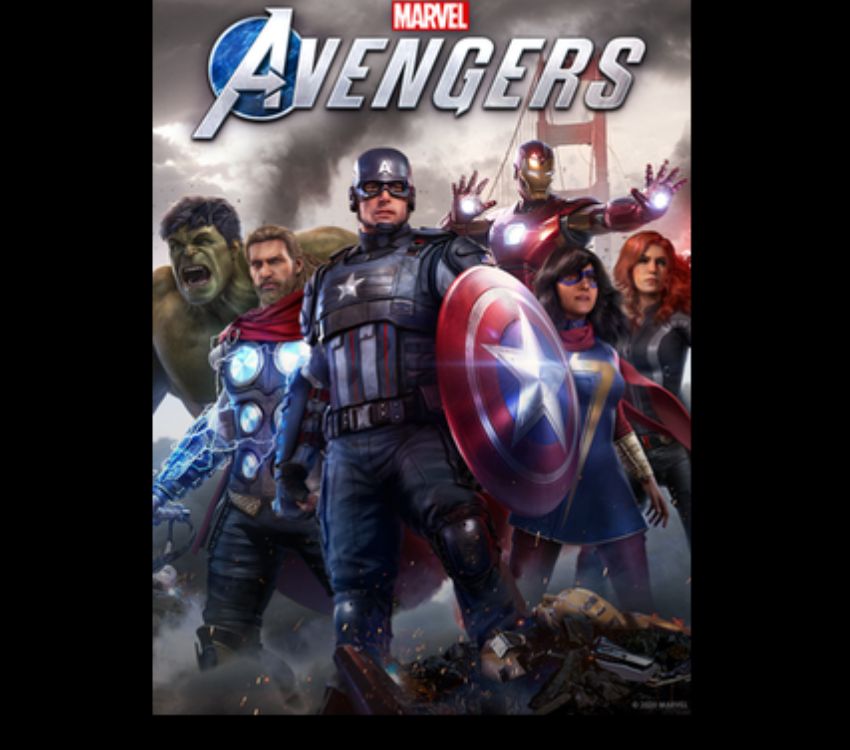
Marvel’s Avengers carried strong expectations due to recognizable characters and high production values. Previews suggested a story-driven experience supported by cooperative play. After launch, repetitive missions, limited endgame variety, and technical issues reduced long-term engagement. Players enjoyed individual character moments, but the live service structure failed to provide consistent reasons to return. Updates were slow to address progression concerns and meaningful rewards, showing that popular franchises do not guarantee lasting interest without strong systems and steady post-launch support.
9. Spellbreak
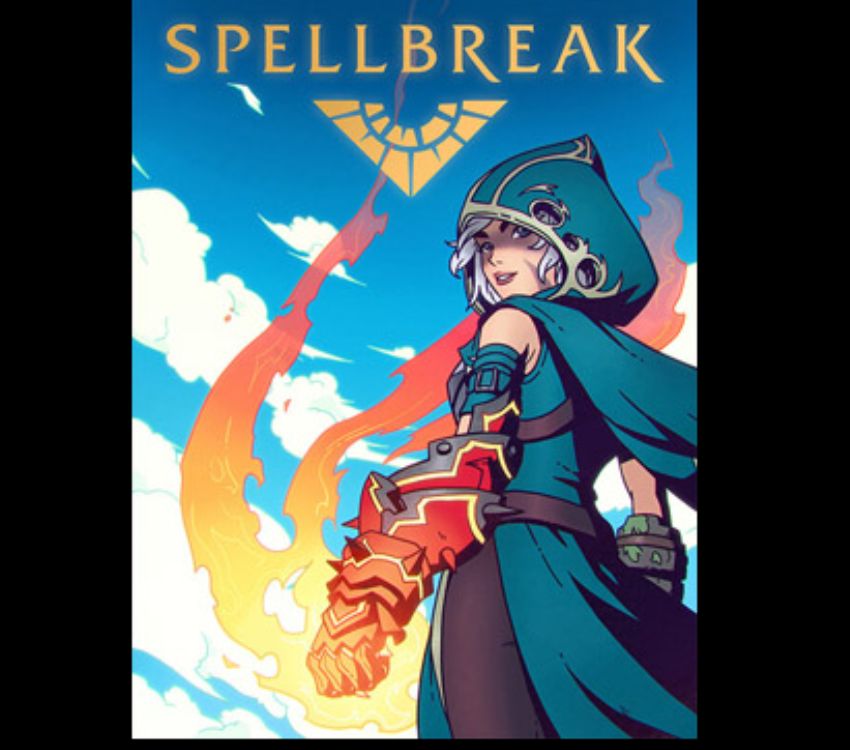
Spellbreak introduced a magic-focused battle royale built around elemental combinations and movement abilities. Early access impressions praised its creative combat system and visual clarity, drawing players seeking something different in the genre. Over time, the novelty faded as content updates slowed and balance issues affected competitive play. New players faced a learning curve that made long-term retention difficult without strong onboarding. As rival titles expanded with frequent events and modes, Spellbreak struggled to maintain visibility and momentum.
10. Roller Champions
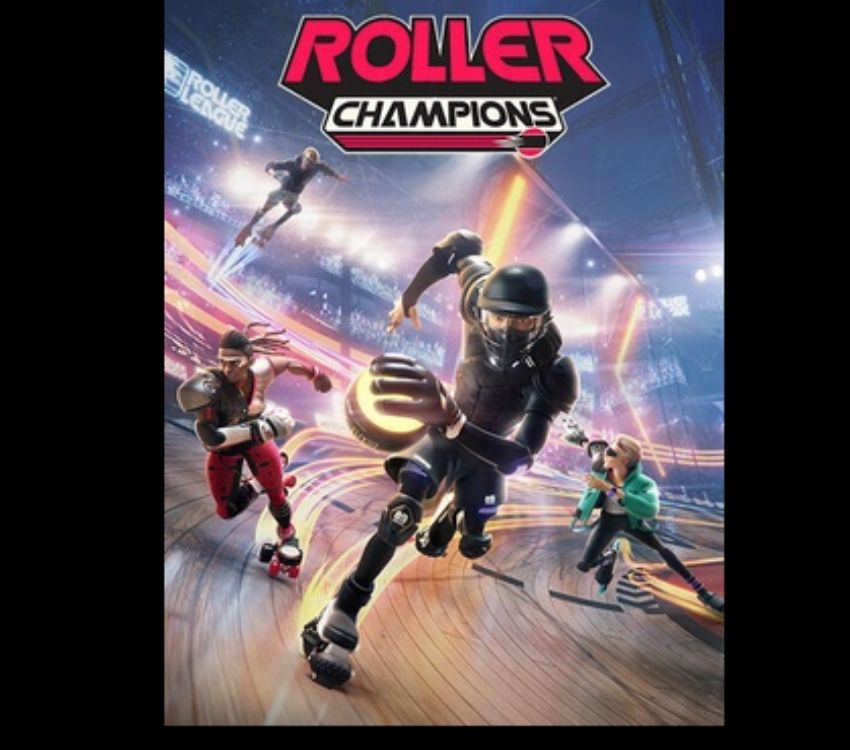
Roller Champions combined roller skating mechanics with team-based sports gameplay, presenting a unique competitive concept. Early trailers highlighted fluid movement and arcade-style matches accessible to a broad audience. After release, limited content variety and slow progression reduced incentives to keep playing. Matches felt repetitive without new modes or meaningful seasonal updates. While core mechanics were easy to learn, long-term mastery offered limited rewards compared to established competitive titles. The game attracted curiosity at launch, but without steady evolution, player interest declined.