



Many people assume that playing a game is automatically more exciting than watching one. Yet for millions of fans, sitting back and observing can feel more enjoyable.
Viewing removes the responsibility to perform and replaces it with pure appreciation.
Instead of worrying about mistakes, viewers focus on strategy, skill, and unfolding drama, which often creates a smoother and more satisfying experience for audiences seeking simple enjoyment today.
Freedom From Pressure and Frustration
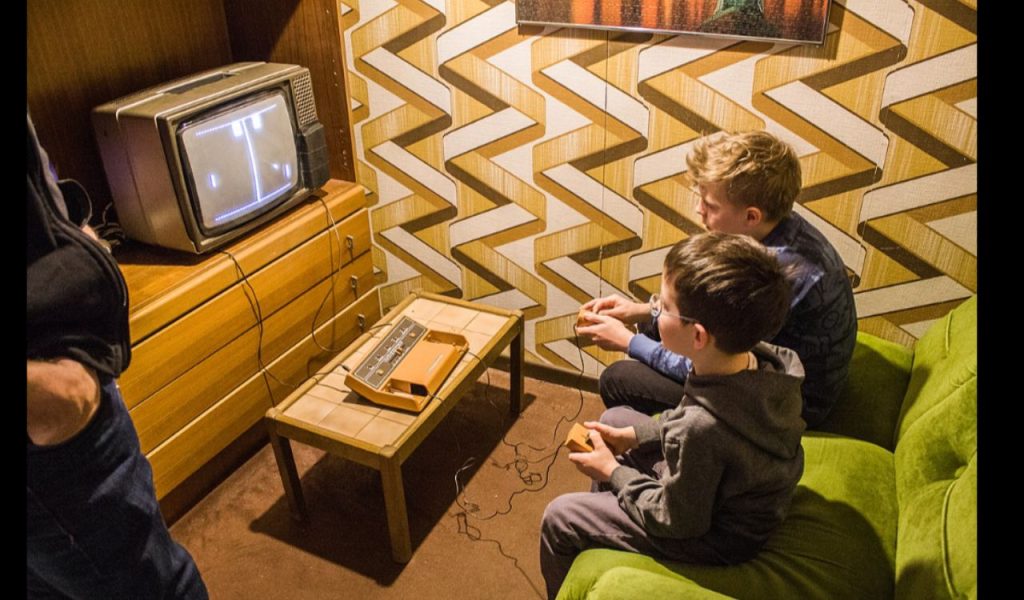
Active participation demands concentration, quick reactions, and resilience after failure. When players miss a shot or lose a level, frustration can build quickly.
Spectators avoid that emotional toll. They witness the same action without consequences, allowing tension to remain entertaining rather than stressful.
The absence of stakes means enjoyment is rarely interrupted by anger, fatigue, or the urge to quit mid-session when progress stalls unexpectedly.
No Stakes Attached
Without a scoreboard attached to their own performance, viewers can appreciate risk-taking more freely.
A daring move that fails is still impressive from the couch. The emotional distance creates space for curiosity instead of embarrassment.
This dynamic often explains why dramatic losses can be thrilling to watch, even though experiencing them firsthand might feel disappointing or exhausting for most players under intense competitive pressure in tournaments.
Effort Without Obligation
Playing well often requires hours of practice and sustained focus. Many modern games also involve complex systems that demand learning curves.
Watching condenses that investment into a curated highlight reel. Viewers receive the payoff of mastery without committing to repetitive training.
This efficient form of entertainment fits easily into busy schedules, offering a sense of completion without the pressure to grind through every challenge for extended periods.
The Appeal of Skill and Story
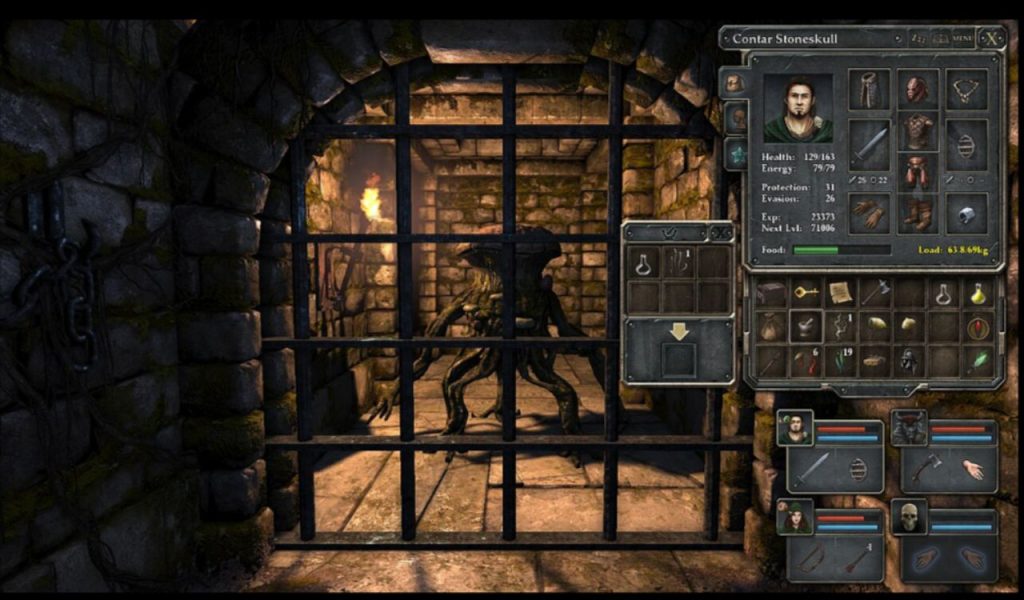
Another reason watching can feel more fun lies in the quality of performance on display. Professional athletes and skilled gamers operate at levels that most people cannot realistically reach.
Observing their precision and timing can inspire awe. The spectacle resembles live theater, where expertise becomes part of the attraction, and mistakes are rare enough to heighten appreciation rather than frustration for attentive audiences seeking refined excellence today.
Watching Elite Performance
High-level competition often reveals strategies that casual players may never discover alone. Analysts and commentators highlight subtle decisions, explaining why a particular move mattered.
This added context deepens understanding and turns observation into a learning experience.
Instead of struggling to execute advanced tactics, viewers can calmly absorb insights and admire coordination, teamwork, and split-second judgment under visible pressure displayed on the biggest stages of worldwide competitions.
Personality and Commentary
Beyond raw skill, many audiences tune in for personality. Streamers and broadcasters add humor, storytelling, and spontaneous reactions that transform gameplay into shared entertainment.
Their commentary can reframe tense moments as comedy or drama, shaping how events are perceived.
In this way, watching becomes less about the mechanics of the game and more about human expression layered over competition that unfolds in real time online for viewers.
Convenience, Community, and Control

Convenience also plays a significant role in shaping preference. Watching typically requires only a screen and an internet connection. There is no need for expensive equipment, downloads, or updates.
This accessibility lowers the barrier to entry and makes following a season or tournament effortless.
For many people, that simplicity transforms games into a relaxing background activity rather than an involved commitment after demanding days at work.
Low Cost Easy Access
Because viewing is often free or included within existing subscriptions, it feels financially low risk.
Fans can sample different leagues, genres, or personalities without regret. If interest fades, they simply switch streams. This flexibility contrasts with purchasing a full game that may demand dozens of hours to justify its price.
The lighter commitment encourages experimentation and broad curiosity across platforms and communities worldwide today with minimal effort.
Shared Moments and Identity
Watching together, whether in person or online, can strengthen social bonds. Friends react simultaneously to victories and defeats, creating collective memories.
Even strangers in comment sections share jokes and analysis, forming temporary communities around a single event.
This shared perspective can feel safer than competitive play, where individual performance may strain relationships or expose skill gaps between participants of varying experience levels during competitive seasons and finals.
Finally, watching can relieve the subtle guilt that sometimes accompanies unfinished games. Large libraries and constant updates create pressure to keep up.
Choosing to observe allows people to enjoy narratives and outcomes without feeling obligated to complete every objective.
Watching offers structure without strain, access without expense, and community without competition.