

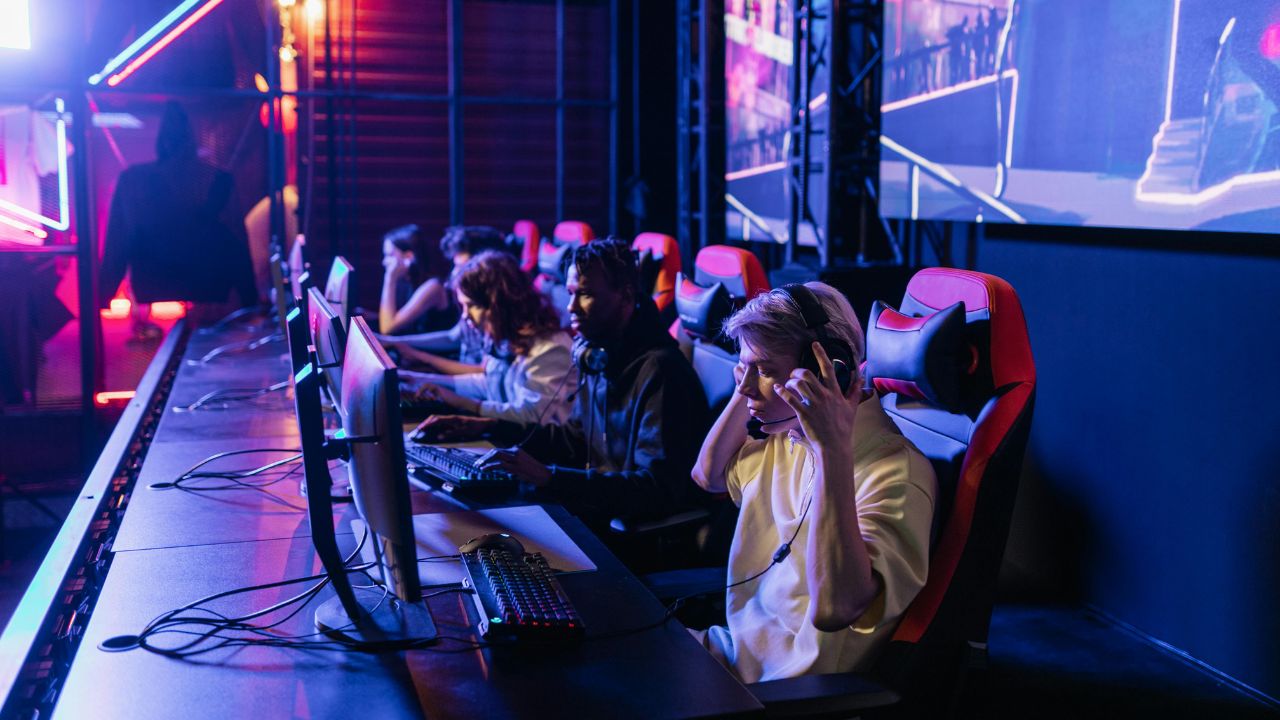

Esports in the U.S. didn’t “suddenly appear”; it stacked small wins for a decade and then hit escape velocity. More people watch competitive gaming the way they watch traditional sports: live, social, and on multiple screens at once. Teams, leagues, and organizers also improved at running events that look and feel professional, even as the game changes with every patch. Add in faster internet, better production tools, and mainstream brands chasing younger audiences, and the growth starts to look less like a surprise and more like the obvious outcome in plain sight for 2026.
1. Streaming Made Discovery Frictionless
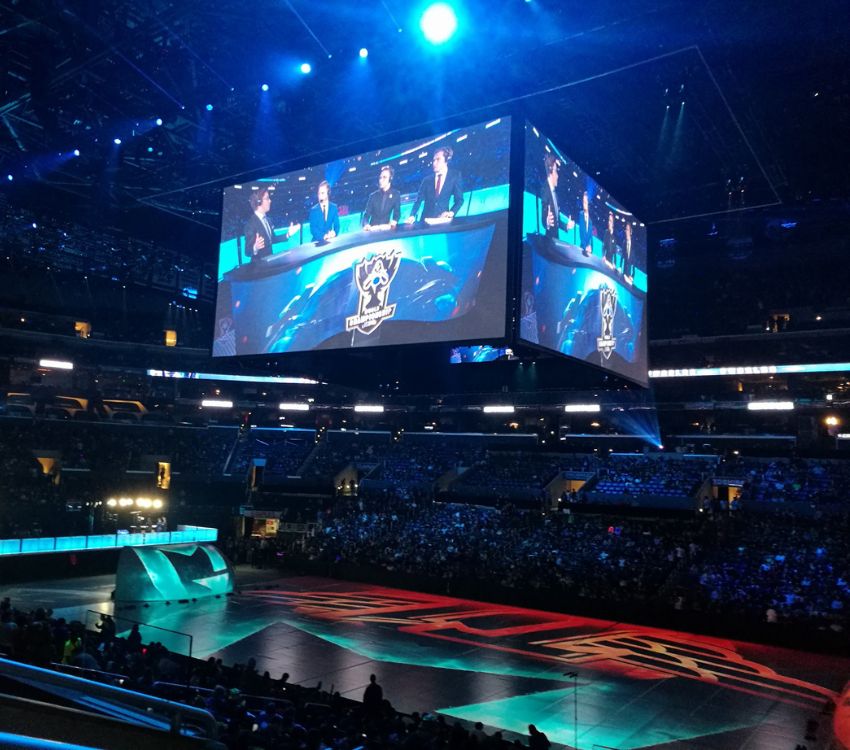
In the U.S., esports didn’t need cable deals to get big; it needed discovery. Twitch, YouTube, and TikTok clips turn unknown players into storylines overnight, and highlights circulate faster than any TV promo. Creators bridge the gap between “I play this” and “I watch this,” because fans follow personalities first and brackets second. Co-streams, watch parties, and live chat make every match feel like a hangout. When viewing is one click away on the same device people already game on, the audience grows without needing permission from legacy media, and it keeps compounding year after year.
2. Schools Turned Esports Into a Normal Activity
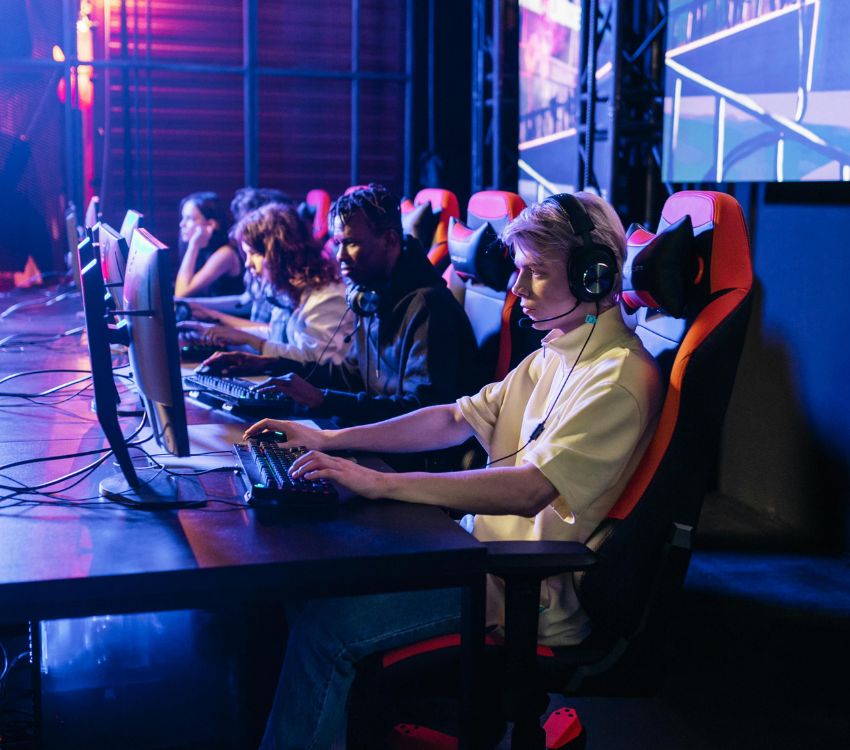
Esports got a boost when U.S. schools treated it as an organized activity rather than a guilty pleasure. High school clubs, varsity programs, and collegiate leagues give players structure, coaching, and a reason to stick with competition. Scholarships and campus arenas also pull families into the conversation, which matters in a country where parents influence “what is considered acceptable” hobbies. Programs often include shoutcasting, event ops, and production, so students see real career paths. Once a school puts esports on a flyer next to basketball, the pipeline for players, staff, and fans stops feeling niche.
3. Brands Followed the Audience, Not the Other Way Around
U.S. esports growth looks “fast” because money started acting rationally. Brands that want to reach Gen Z and young millennials can’t ignore where attention lives, so sponsorship moved beyond gaming gear to include banks, food, cars, and telecom. That funding stabilizes teams and events, improves broadcast quality, and reduces volatility of prize pools and salaries. Sponsors like that can see clicks, codes, and views measured in near real time. It also brings marketing muscle: billboards, cross-promos, and influencer activations that push esports beyond existing fans, even when casual viewers don’t know every rule.
4. Live Events Became Easier to Attend and Watch
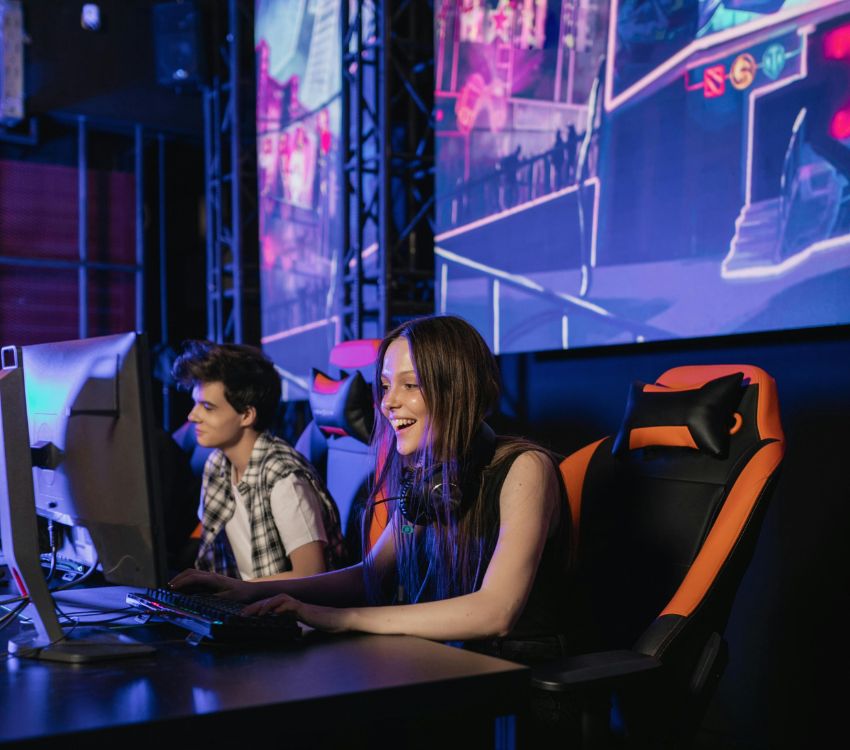
Early esports in the U.S. was often “hotel ballroom energy.” Now, more events take place in purpose-built venues or upgraded arenas, with better seating, audio, and screens that make the action easier to read. Ticketing, scheduling, and travel planning improved, too, so fans can treat events like weekend outings rather than confusing online meetups. Fan zones, merch drops, and meet-and-greets turn tournaments into mini festivals. And for people at home, modern production, replays, observer tools, stats overlays, and clear commentary reduce the learning curve and keep viewers engaged.
5. Publishers Learned How to Run Leagues More Consistently
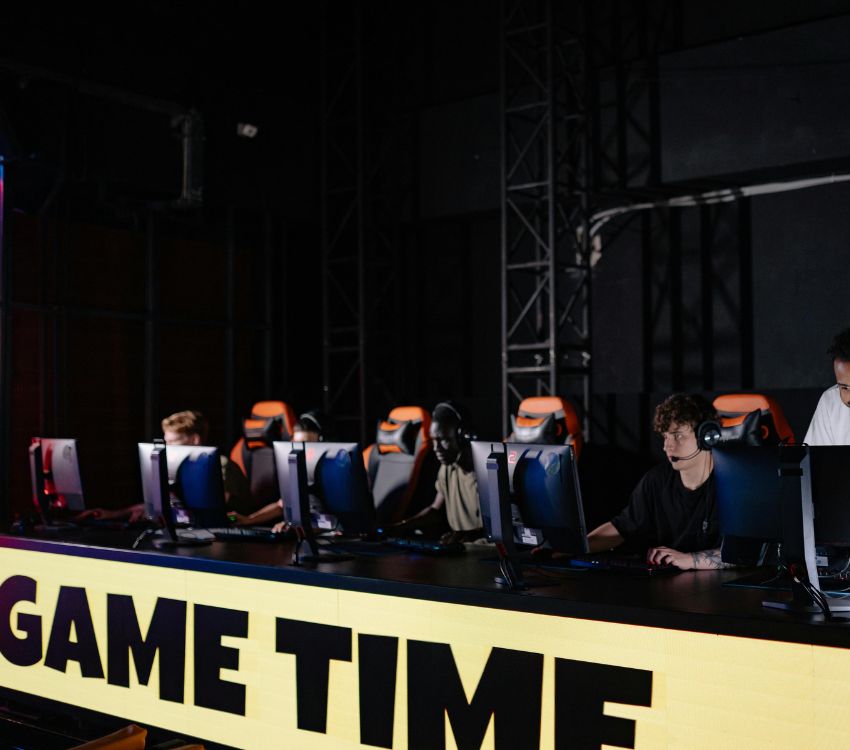
A big reason U.S. esports surprised people is simple: the organizers got more professional. Publishers and league partners improved rulebooks, competitive integrity, and seasonal structure, so fans know when things start, end, and matter. Even when formats change, the “sports-like” cadence, splits, playoffs, and majors help casual viewers keep up without having to study a wiki. Better anti-cheat, refereeing, and player services reduce drama that used to derail events. Consistency also helps sponsors commit long term, because it’s easier to plan campaigns around predictable tentpole events than random one-off tournaments.
6. More People Can Play, So More People Care
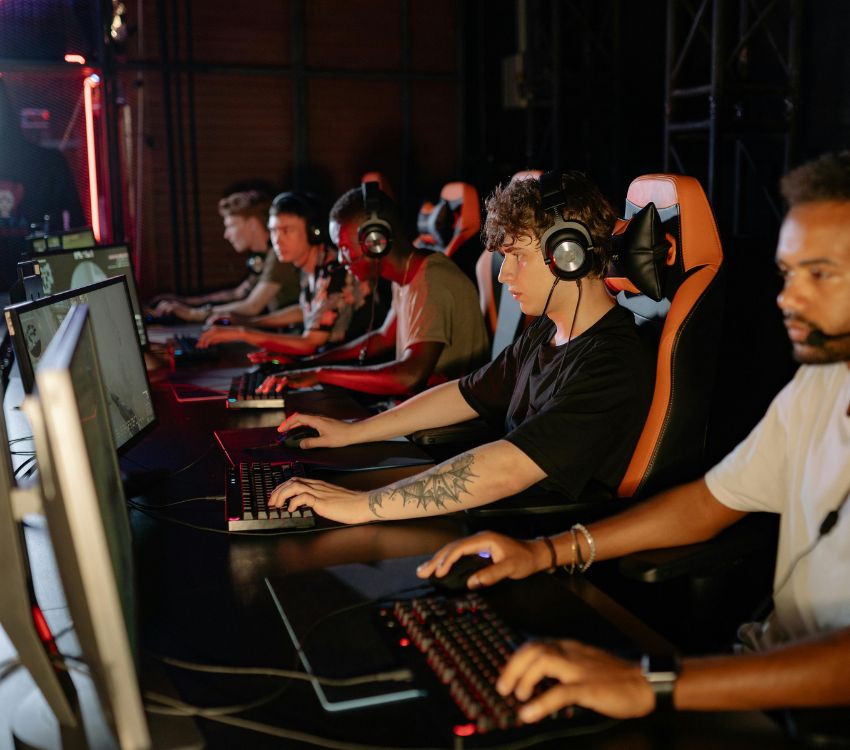
Esports grows fastest when the player base is massive, because players are the easiest audience to convert into viewers. Cross-play, free-to-play models, and widely available hardware lowered barriers, especially for younger fans. Mobile esports and console scenes matter in the U.S. too, not just PC, because they meet people where they already are and fit into everyday life. In-game esports tabs, event passes, and viewership drops nudge players toward broadcasts. When millions can try the game, understand the basics, and then watch top players do impossible stuff, fandom becomes a natural next step.
7. Short-Form Clips Turn Moments Into Marketing
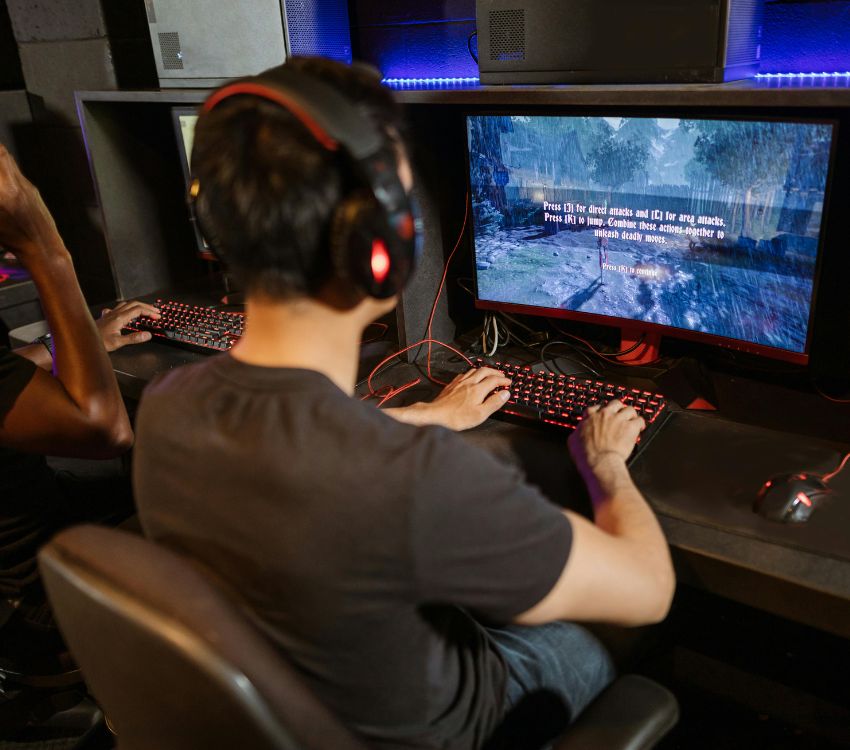
Traditional sports have decades of highlight culture; U.S. esports built it in fast-forward. A single clutch play becomes a TikTok, a meme, a YouTube short, and a reaction stream within hours, reaching people who never watched the full match. This changes how fans enter the scene: they start with moments, then learn teams, then follow seasons. Algorithms do the distribution for free, and creators package drama without needing “TV time.” Short-form also helps explain complicated games, because creators can break down a key decision in 30 seconds, making esports easier to understand and share.
8. Traditional Sports and Esports Started Sharing Playbooks
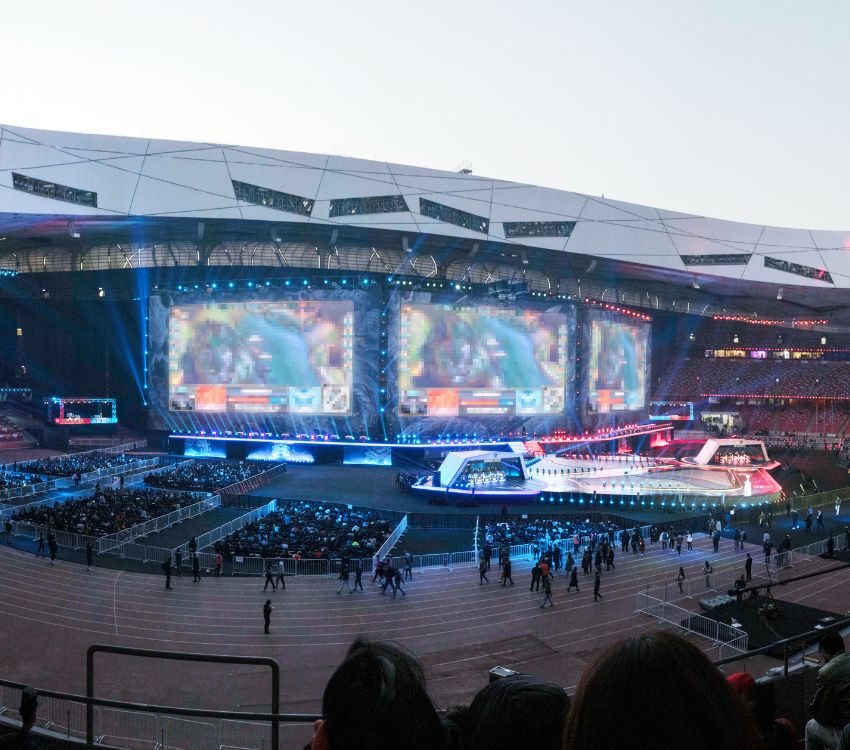
U.S. growth accelerated as traditional sports organizations got involved, bringing venue relationships, sponsorship contacts, and hard-earned experience in selling live entertainment. Even when specific team investments change over time, the business knowledge sticks. Broadcast talent, analysts, and production crews also cross over, so esports shows feel closer to what sports fans expect. That familiarity makes it easier for a casual viewer to give esports a chance, because the presentation signals “this is a real event,” not just people playing online, with real stakes attached.
9. Monetization Got Smarter Than Just Selling Tickets
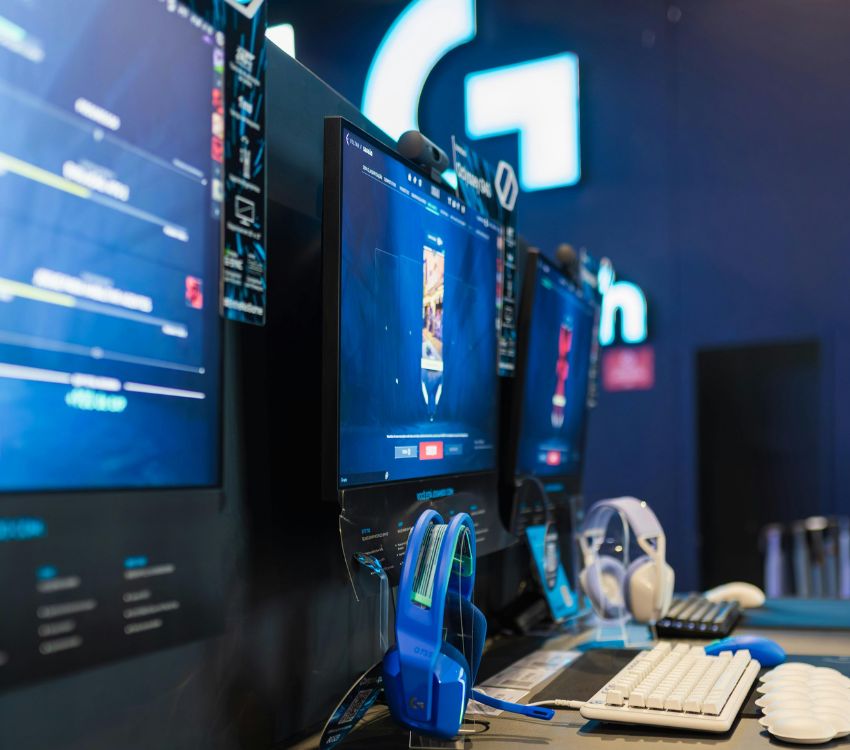
U.S. esports used to live and die on sponsorship and ticket sales, which are shaky. Now revenue comes from more places: in-game cosmetics tied to teams, digital drops, creator partnerships, memberships, and merch that ships like any other DTC brand. Even small purchases add up at scale. That diversification matters because it helps organizers survive bad seasons, game changes, or shifting platforms without collapsing. When teams can pay staff, support players, and invest in content year-round, they build stronger fan relationships, which then feed back into higher viewership and demand.
10. Tech Improvements Reduced the “Hardcore Only” Barrier
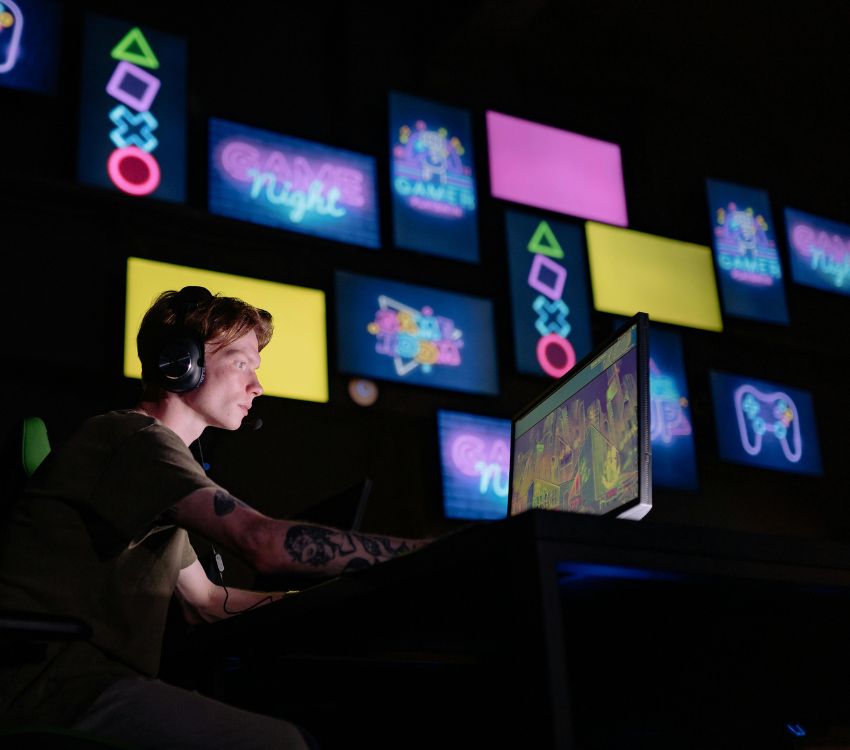
Esports viewing used to be rough: low bitrates, laggy streams, and confusing spectator views. Better broadband, cheaper streaming gear, and improved game observer tools made broadcasts clearer and more reliable for U.S. audiences. On the player side, stable servers and more regional infrastructure mean fewer “online excuses,” so competition feels legitimate. Accessibility features like better audio mixing and clearer UI help viewers follow the action. When the product looks polished, clean overlays, instant replays, player cams, and stats, new viewers don’t bounce as quickly, and returning viewers build habits.