

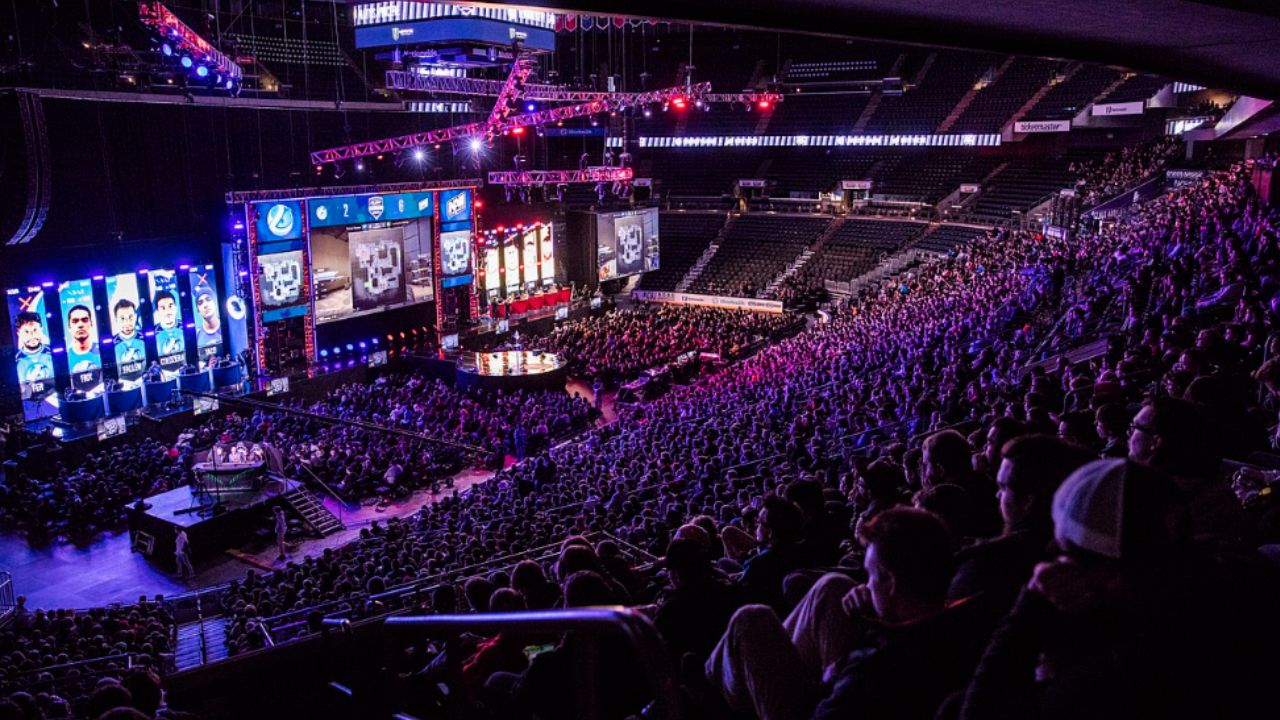

Esports growth in the U.S. isn’t only happening in the usual suspects. A bunch of cities are stacking the quiet ingredients: mid-size arenas that can handle broadcasts, colleges funding varsity programs, and local organizers running consistent brackets. When those pieces line up, teams and tournament operators don’t need a mega-market to deliver crowds, sponsors, and smooth logistics. The result is a scene that feels more like “infrastructure first” than sudden hype. Here are nine places where the momentum is real, even if the city doesn’t scream “esports” yet today.
1. Arlington, Texas
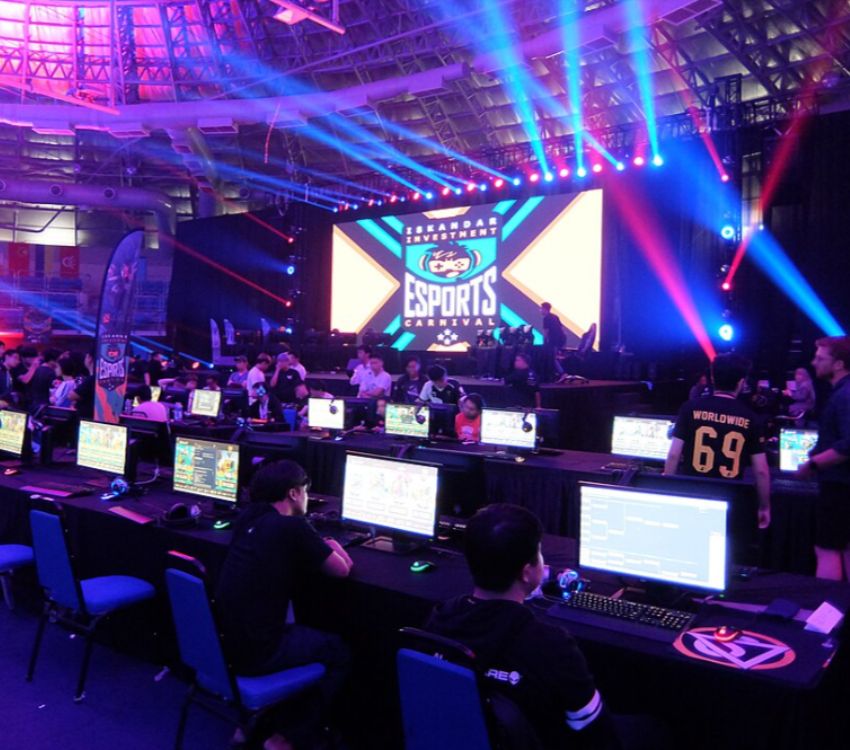
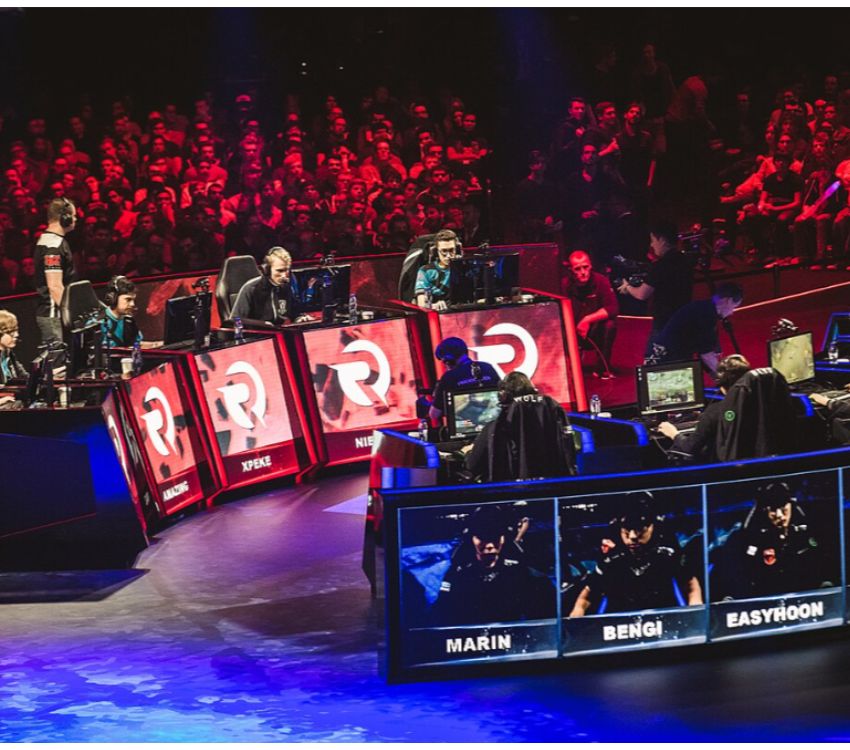
Arlington has something most cities are still pitching in slide decks: a purpose-built esports venue. Esports Stadium Arlington opened in 2018 and is run by OpTic Gaming, which keeps the building in constant “event-ready” mode. Because it’s built for production, it can handle big-bracket weekends without the usual arena compromises. Halo Championship Series events have been scheduled there, and that repeatability matters. Add the Dallas–Fort Worth talent pool and the nearby sponsor economy, and Arlington becomes a very dependable tournament stop, not a one-off host.
2. Frisco, Texas
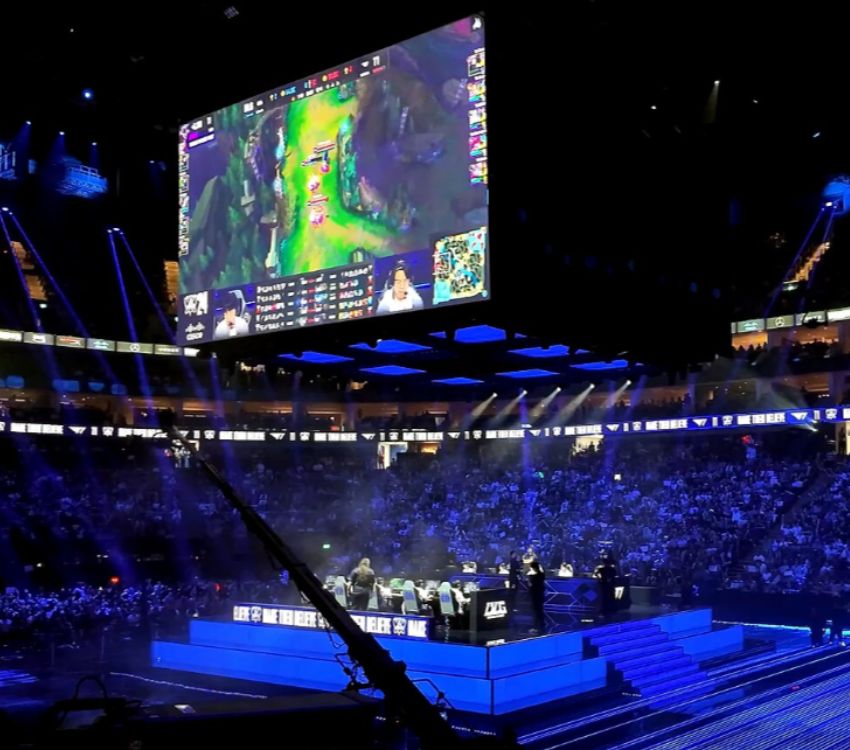
Frisco is quietly turning “sports HQ town” into “esports HQ town” too. Complexity Gaming is headquartered in Frisco and operates out of the Legion by Lenovo Esports Center at The Star, giving the org a high-visibility home base. That matters because modern esports is as much content and training as it is match day. A stable facility helps teams produce, scrimmage, and host community activations without having to rent random hotel ballrooms. With corporate partners, nearby events, and a fast-growing metro area, Frisco continues to attract the kind of infrastructure esports operators actually need.
3. Raleigh, North Carolina
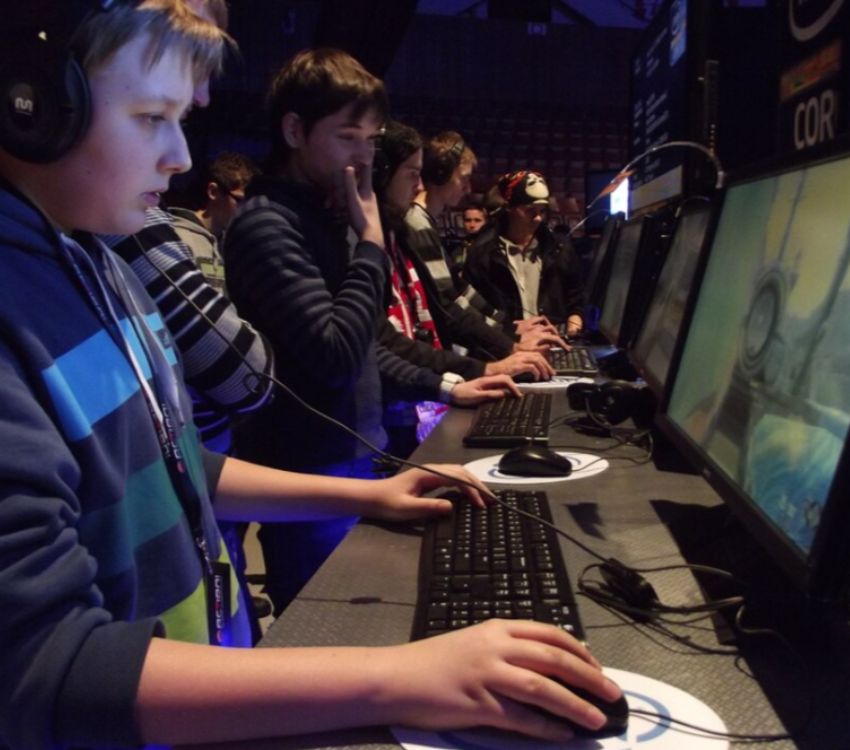
Raleigh’s pitch is simple: big-league events, manageable scale. The city has hosted major League of Legends competition; Riot’s LCS Spring Finals were held in Raleigh, proving it can draw traveling fans and run a clean live show. It also benefits from the Research Triangle’s tech workforce and university pipeline, which feeds both player communities and the behind-the-scenes jobs like broadcast, ops, and analytics. When a city can land a marquee weekend and still support weekly locals, it stops being “college gaming” and starts being an ecosystem that keeps growing between headline events.
4. Columbus, Ohio
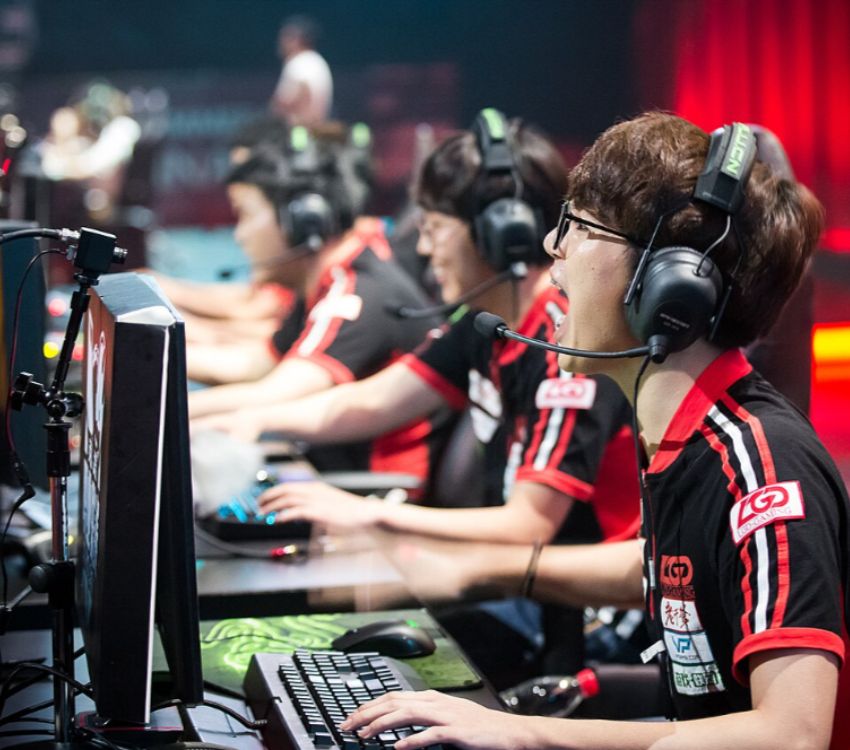
Columbus keeps building esports the same way it builds sports: through campus and community facilities. Ohio State runs a dedicated esports arena near Ohio Stadium, which signals long-term institutional buy-in, not a temporary club room. That baseline infrastructure makes it easier for organizers to run leagues, try new formats, and keep players active year-round. It also helps attract sponsors who want steady activation, not one flashy weekend. With a central U.S. location and a growing local scene, Columbus is positioned to keep hosting and producing, especially as college esports continues to professionalize.
5. Seattle, Washington
Seattle is known for big tech, but it’s also a legit competitive hub for publishers looking for a polished live event. Halo’s World Championship has been slated to return to Seattle, a strong signal that the city is well-suited for top-tier production and fan travel. The region’s game industry talent and streamer culture mean events don’t feel parachuted in; there’s a built-in audience that understands the scene and shows up. Even when the calendar isn’t packed, Seattle’s mix of venues, creators, and industry jobs keeps esports activity “on” in a way smaller markets struggle to sustain.
6. Las Vegas, Nevada
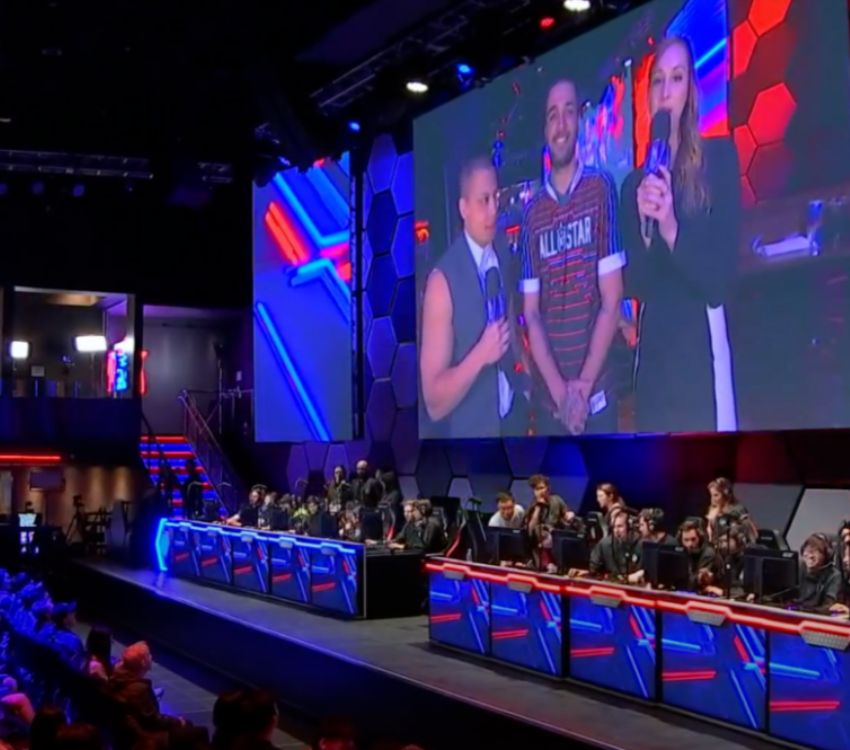
Vegas has always been good at spectacle, and esports fits that skill set. The HyperX Arena at Luxor was built for competition and live audiences, with a full stage and production-ready setup that can host tournaments without rebuilding the room every time. Because the city already handles conventions and high-volume tourism, organizers can scale quickly, and hotels, flights, and on-site services are basically in the local language. The result is a steady pipeline of events, from publisher showcases to community competitions, turning Vegas into more than a “fun finals weekend” and into a reliable esports destination.
7. St. Louis, Missouri
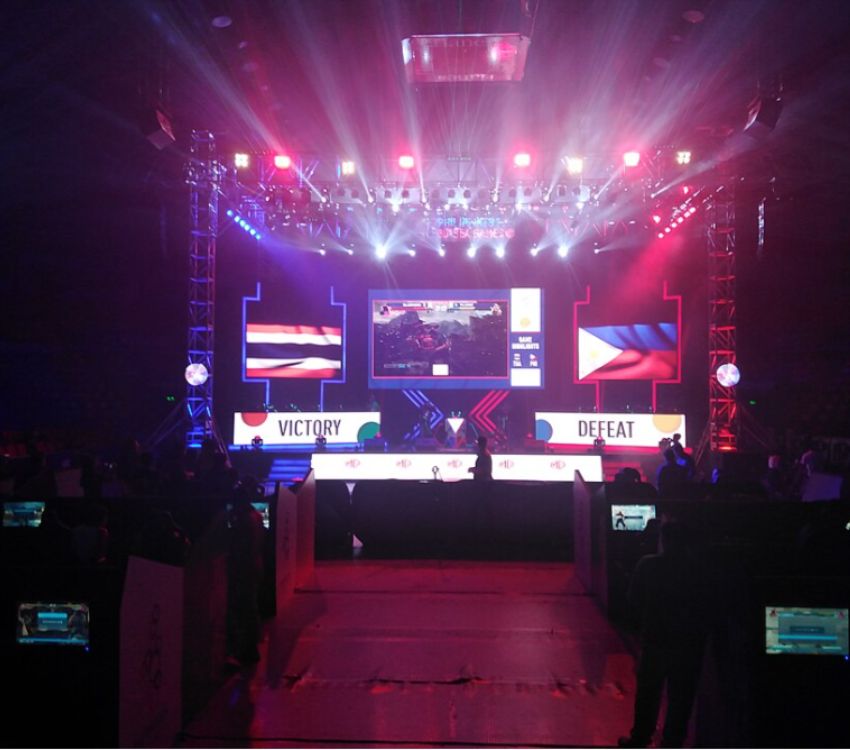
St. Louis is building from the ground up, starting with places where new players actually live: schools and locals. St. Louis Community College opened a new esports arena in 2024, adding a real home for practice, matches, and campus events. On the community side, facilities like local gaming centers keep LAN-style competition accessible, which keeps scenes healthy between headline tournaments. When you combine collegiate investment with consistent grassroots play, you get a city that can grow talent, staff, and fans at the same time, exactly what “powerhouse” status is made of.
8. Pittsburgh, Pennsylvania
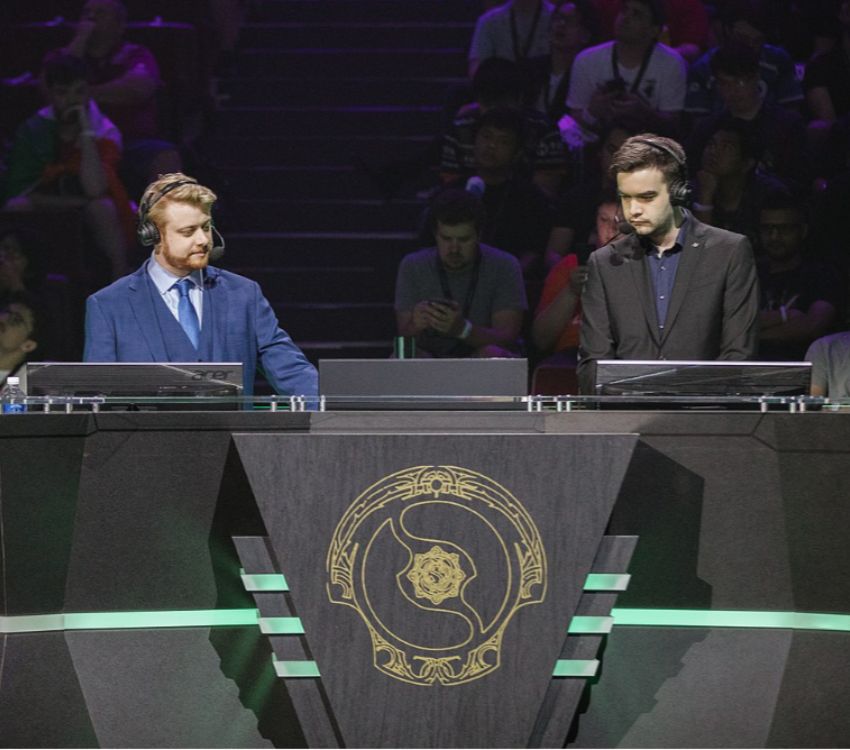
Pittsburgh has a sneaky-strong mix: established org branding plus university-backed community space. The Pittsburgh Knights are headquartered in the city, keeping a recognizable pro presence tied to local identity. At the same time, the University of Pittsburgh runs an esports lounge for students, helping normalize competitive gaming as a campus activity rather than a niche club. That combination, local pro storytelling, student participation, and a city that’s already comfortable with sports fandom, creates momentum. It’s not the loudest market, but it’s building the layers that last.
9. New Brunswick, New Jersey
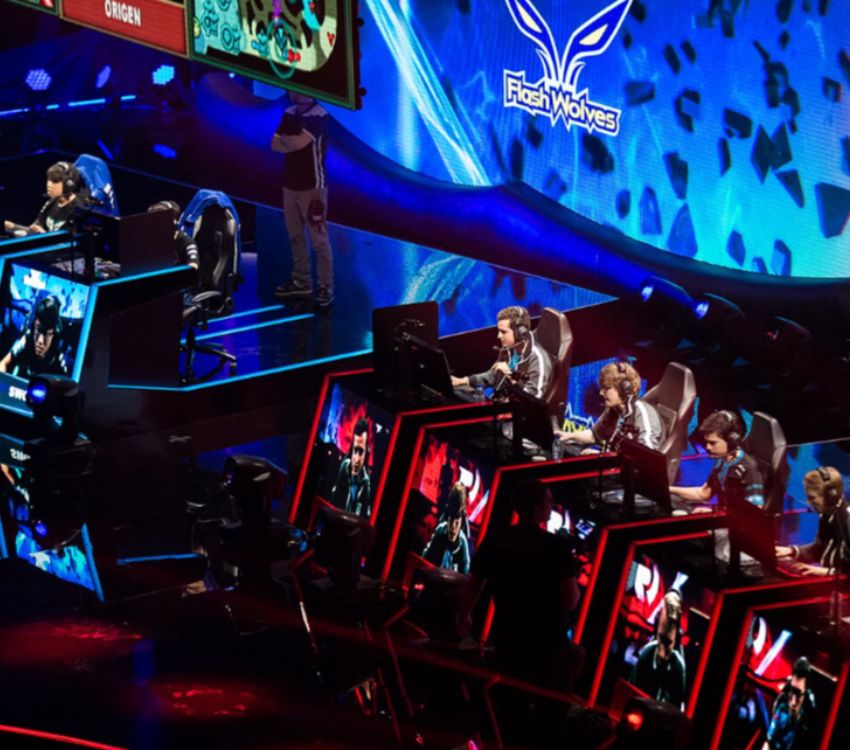
New Brunswick’s esports rise is powered by Rutgers, and that’s not a small thing. Rutgers operates an esports center with dozens of gaming PCs and space for both casual play and competition, providing students with a consistent hub. College towns work well for esports because the audience is concentrated, the schedules are predictable, and there’s always a next wave of players learning the scene. With New York and Philly within reach for travel and partnerships, New Brunswick can punch above its size, acting as a training and tournament base for the wider region rather than trying to be a standalone mega-city.