

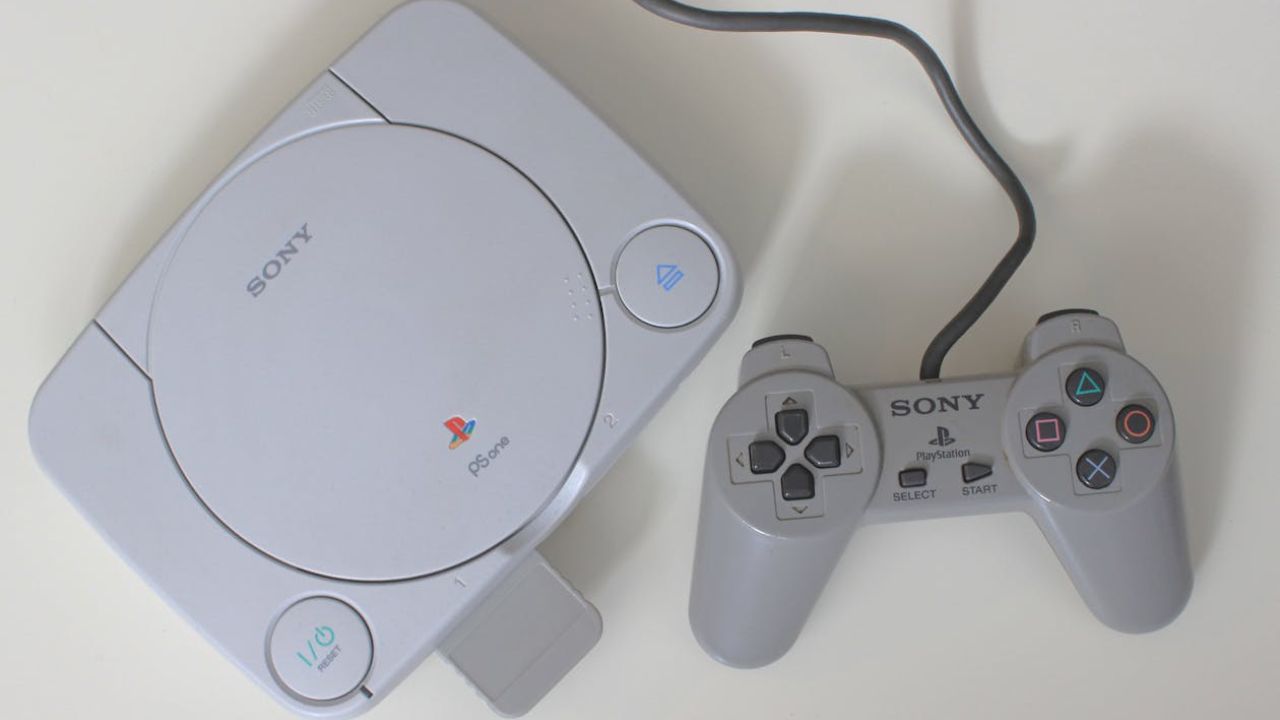

The PS1 wasn’t just Sony’s first console; it was a creative explosion that shaped everything PlayStation became. While later systems delivered bigger budgets and cleaner graphics, the original PlayStation often did the basics better: it welcomed risk, supported odd ideas, and gave players a massive range of games at a price that felt reachable. From its genre variety and hidden gems to its CD-powered audio, iconic boot-up, and simple “insert disc and play” vibe, the PS1 era still feels special. Here are ten ways it outshone its successors.
1) Unmatched Library Diversity
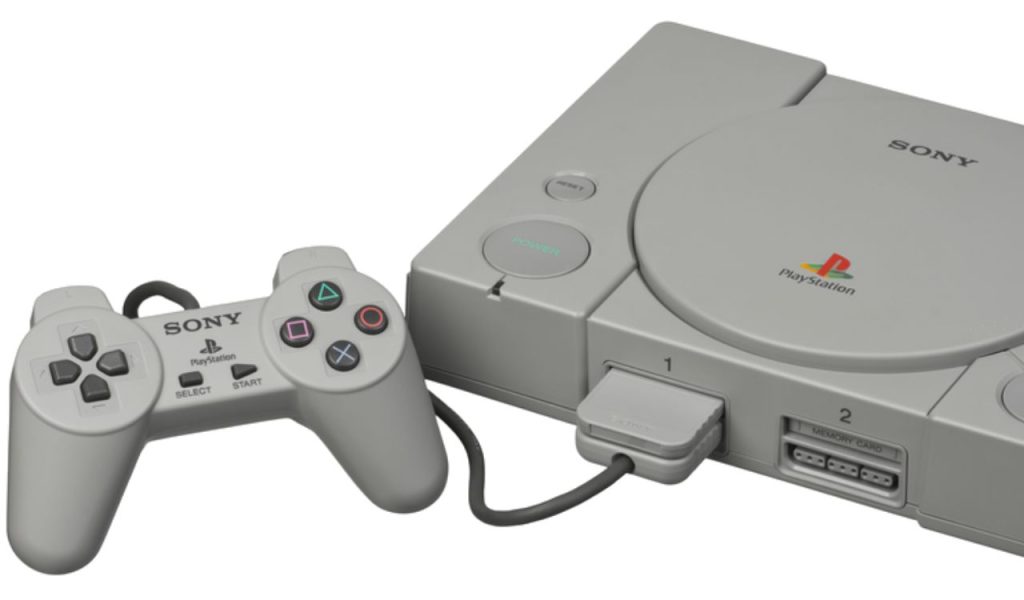
The PS1 didn’t stick to one lane. Its game library was all over the place in the best way. You could play a long JRPG today, a weird puzzle game tomorrow, then jump into a sharp, fast racer or a spooky horror game on the weekend. Big hits existed, but so did strange, niche ideas that would never get greenlit as “safe” AAA releases now. Because games were cheaper to make, smaller studios could experiment and still find an audience. Later PlayStations got bigger and shinier, but the catalogs often feel more formula-driven. With the PS1, browsing games felt like digging through an arcade wall; every pick could surprise you. That freedom is why the PS1 era still feels fresh, even when the graphics don’t.
2) More Soul, More Risks
PS1 games had room to be weird, and that’s why they felt alive. Budgets were smaller, so studios could take chances without risking a company-ending flop. That freedom produced games with sharp personalities, strange stories, and mechanics that didn’t feel “approved by committee.” Sure, some were rough, unbalanced, or awkward, but they had a point of view. Modern AAA often looks flawless, yet plays it safe because the money involved is massive. The PS1 era cared less about polish and more about ideas. Even the misses were memorable because they tried something new. That creative mess is the “soul” people miss.
3) Best Hidden Gems

The PS1 wasn’t only strong at the top. It was stacked in the middle. Beyond the famous classics, tons of lesser-known games felt personal, risky, or just plain odd. You could pick a random disc, expect nothing, then get surprised by a game you’d talk about for years. That kind of discovery felt normal on PS1 because smaller studios could compete and stores carried more variety. Later consoles still have hidden gems, but many are buried under loud marketing, huge franchises, and trend chasing. PS1’s library made exploration fun. You didn’t need a viral trailer to find something great. You just needed curiosity.
4) Early 3D Rules
The PS1 didn’t just “do 3D.” It taught the industry how 3D games should work. It helped move players from 2D habits into a new way of thinking: camera control, depth, spacing, movement arcs, and aiming in 3D space. Platformers learned how to handle jumps and ledges. Racers learned how to sell speed and drift in a 3D world. Fighters learned how to manage distance and angles. Later PlayStations improved graphics and performance, but many of the design rules stayed the same because PS1 already set the foundation. When modern games feel “standard,” a lot of that standard was built in the PS1 era.
5) CDs Changed It

CDs gave the PS1 a huge leap in presentation. More storage meant richer music, clearer voice clips, and FMV cutscenes that felt cinematic at the time. It also created a signature PS1 style: pre-rendered backgrounds, dramatic angles, and that slightly grainy video look that became part of the charm. Even the limits, like compression artifacts, helped define the vibe. Later consoles boosted quality, but the PS1’s CD era felt like the moment games started aiming for “movie-level” mood. Soundtracks became bigger, intros felt epic, and worlds felt more detailed than cartridges usually allowed. It wasn’t perfect, but it was a real jump forward.
6) Cheaper Entry

The PS1 hit a rare sweet spot: huge fun without a huge price wall. The console was affordable for many households, and building a library didn’t feel impossible. That matters more than people admit. When entry is cheaper, more players join, more genres get tried, and gaming becomes a shared culture instead of a luxury. Modern consoles are powerful, but the cost keeps rising, especially once you add accessories, subscriptions, and high-priced new releases. The PS1 era felt more welcoming. You could buy the system, grab a few games, and you would be set. That accessibility helped it spread fast, which also encouraged more developers to release more games for it.
7) Better Budget Hits
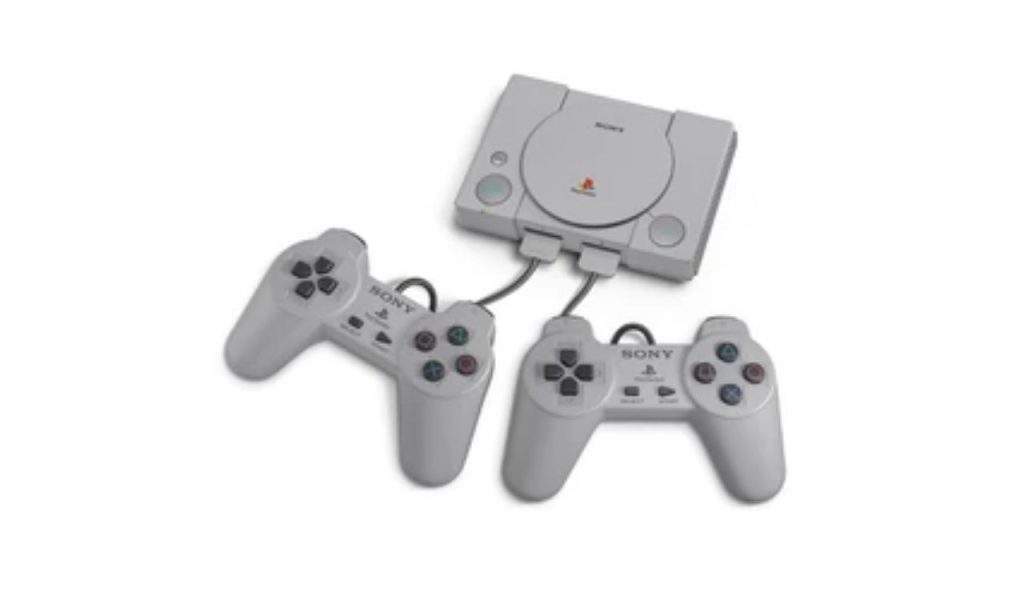
The PS1 made “waiting” feel smart. Sony’s Greatest Hits/Platinum line dropped popular games to a lower price in a clear, consistent way. You didn’t have to chase temporary digital sales or hope a store ran a special promo. Classics became affordable and stayed affordable. That kept the library alive longer because new players could jump in late and still catch up without paying full price. It also lets longtime fans fill gaps in their collection without regret. Modern discounts exist, but they’re often short, messy, or tied to online stores and regions. PS1’s budget re-releases were simple: proven game, fair price, always available. That’s consumer-friendly. On PS1, Sony’s “Greatest Hits” re-releases typically had a suggested retail price of $19.99 (with some multi-game packs at $24.99).
8) Iconic Boot
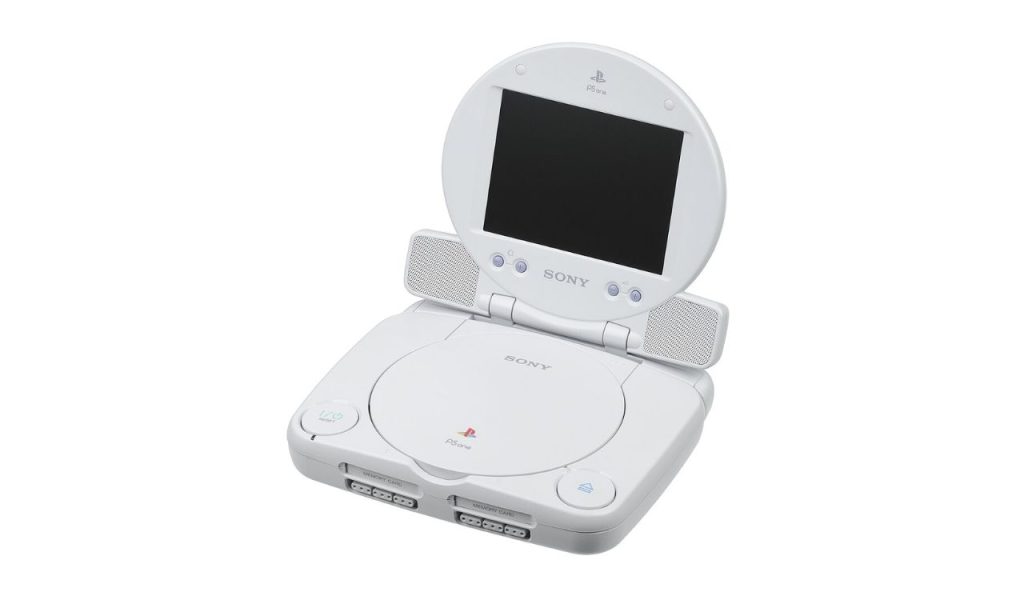
The PS1 boot-up is still unmatched because it hits fast and hard. The sound, the logo, and that brief pause created a tiny moment of suspense, like a curtain rising before the show. It felt dramatic without trying too hard. Later PlayStations have cleaner menus and smoother startup screens, but they don’t trigger the same instant emotion. The PS1 intro became part of the ritual because you heard it every time you played. That repetition burned it into memory. One second of that sound can pull you back to sitting close to the TV, controller in hand, ready for anything. It’s a rare case where branding became a real feeling, not just a design choice.
9) Easier to Build For
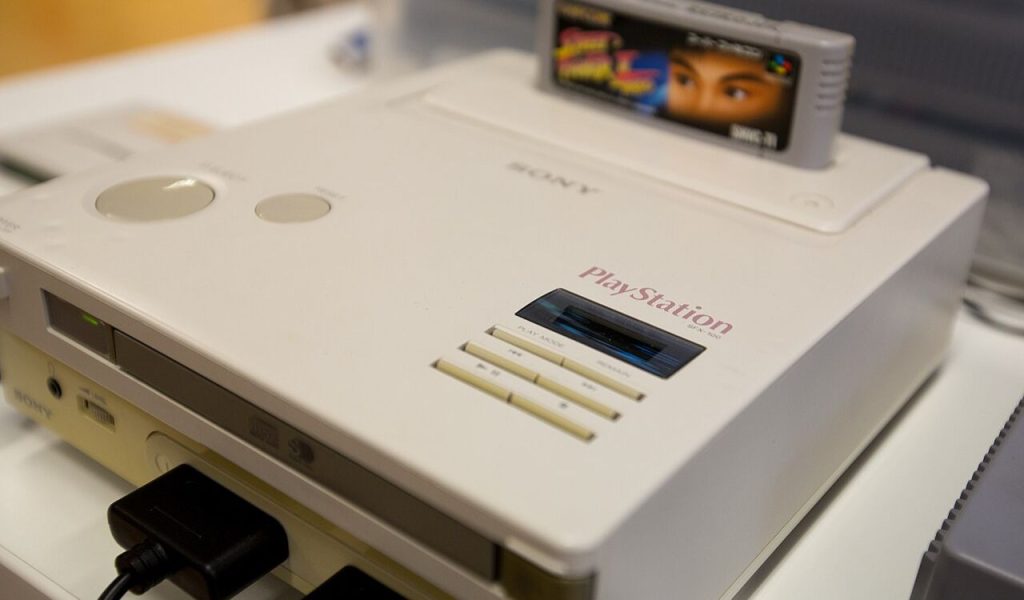
PS1 development was relatively straightforward, and that mattered more than people admit. When tools are accessible and hardware is predictable, more studios can ship games. That’s why the PS1 library exploded with variety: big hits, small experiments, and strange one-offs. As consoles got more complex and costs rose, fewer teams could take risks, and creativity got squeezed by budgets and deadlines. The PS1 sat in a sweet spot, strong enough to innovate, but approachable enough for smaller creators to compete and surprise everyone. More creators meant more chances for a cult classic to happen. It also meant faster iteration: teams could learn and improve without giant pipelines. More surprises.
10) Simple Play, Long Support
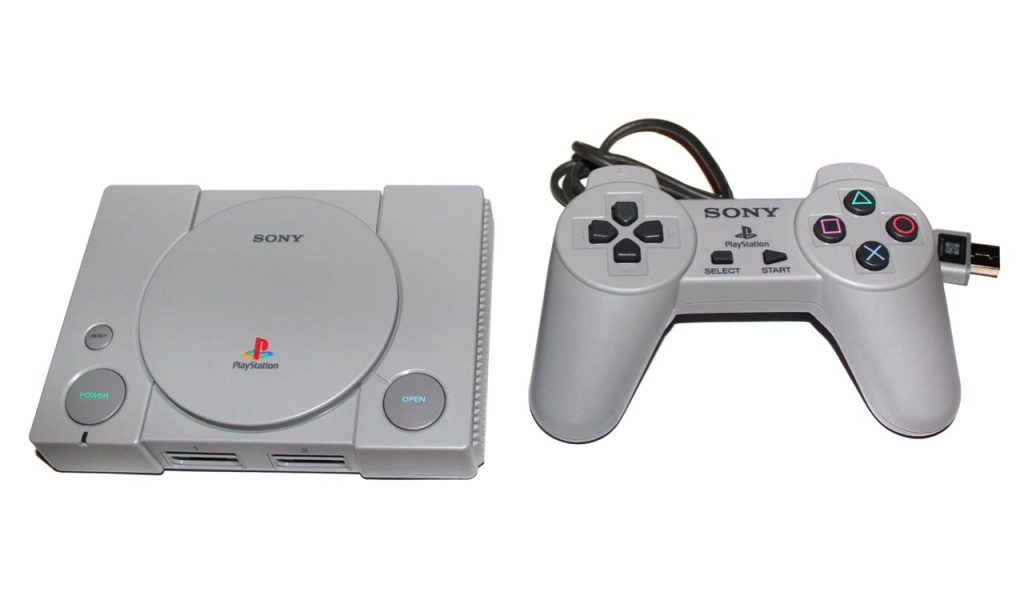
With PS1, the routine was simple: insert the disc and play. Games had to ship finished because patching wasn’t the default, so you relied less on day-one fixes and constant updates. The experience also felt direct, with less software overhead between you and the game. On top of that, Sony supported the PS1 for years, even after newer hardware arrived, so it didn’t instantly become useless. Your console and collection stayed relevant longer, which respected both your time and your wallet. It felt like you owned your games, not a service that could change overnight. And you could revisit old favorites anytime. The system aged slowly, not overnight. No logins. No servers. Just your disc, anytime.