




Some video games don’t just entertain; they push boundaries long before the industry is ready to follow. While many titles simply refine familiar ideas, a rare and visionary few introduce innovations that feel decades ahead of their era. These groundbreaking games experiment with bold mechanics, inventive storytelling techniques, and technology far beyond what most players expect. Even if some struggled at release or were misunderstood at the time, their influence can be felt across countless modern titles. They shaped genres, inspired new design philosophies, and set standards long before the rest of the industry caught up.
1. Ōkami

Ōkami stood out for its hand-painted sumi-e art style and its inventive Celestial Brush mechanic, which let players draw directly onto the world to influence puzzles, combat, and nature itself. At a time when realism dominated game design, its expressive visuals and mythological storytelling felt bold and unconventional, offering a refreshing sense of artistry. Critics praised its creativity, yet its late PS2 release and niche appeal kept it from reaching a wide audience. Only years later did players fully appreciate how beautifully it blended art, gameplay, and narrative, proving it was far ahead of its time and deserving of far greater recognition.
2. System Shock
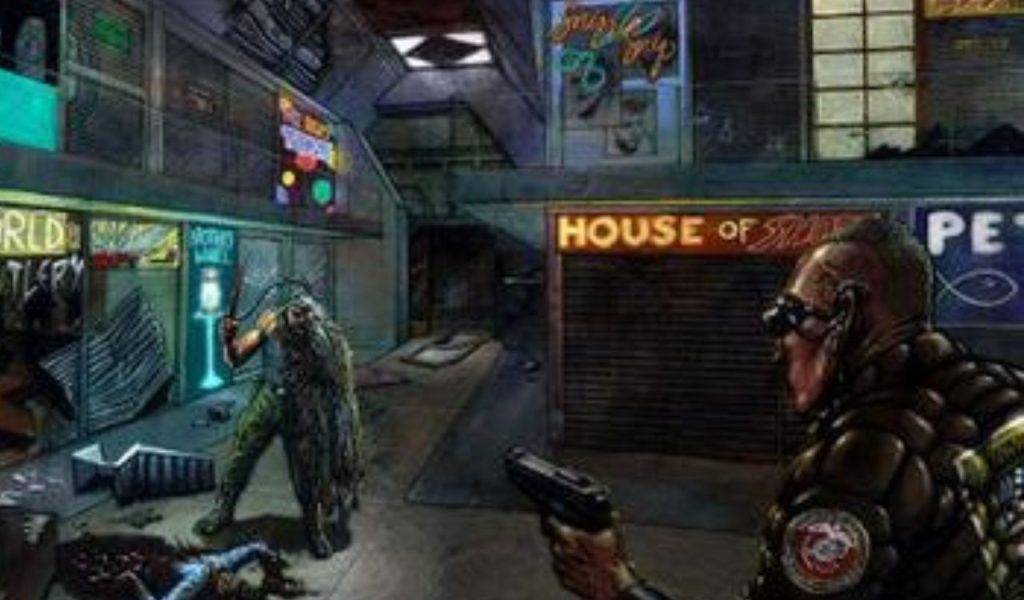
System Shock arrived when first-person games were mostly straightforward shooters, yet it introduced deep exploration, hacking, customization, and environmental storytelling in ways players had never seen. Through audio logs, terminals, and nonlinear level layouts, it built an atmospheric sci-fi narrative anchored by the chilling AI antagonist SHODAN. Its complex interface limited mainstream reach, but its ideas became the foundation for immersive sims. Influential titles like BioShock, Deus Ex, and Prey all evolved from its innovations, proving how revolutionary and forward-thinking it truly was.
3. Shenmue
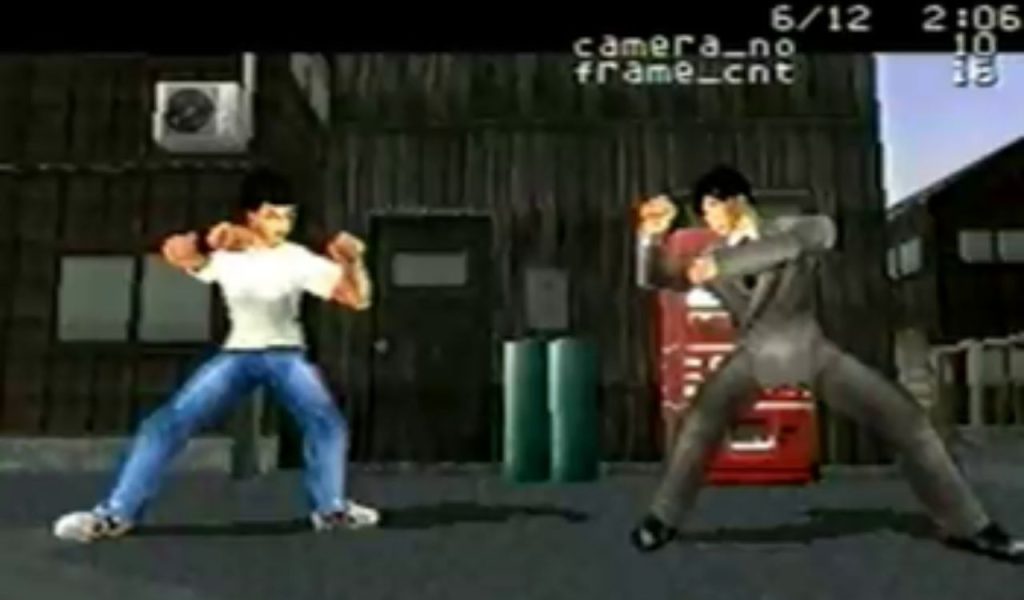
Shenmue pushed boundaries long before open-world gaming became mainstream. Its detailed environments, NPC schedules, weather systems, and day–night cycles created a lifelike world no other game had attempted at the time. Players could explore freely, interact with objects, play arcade games, and follow a cinematic story that blended realism with emotional depth. Its unmatched ambition and groundbreaking realism were years ahead of industry standards, but the Dreamcast’s limited success meant many players overlooked it. Only later did the industry recognize just how profoundly Shenmue shaped modern sandbox design.
4. Half-Life

Half-Life transformed first-person shooters by eliminating traditional cutscenes and delivering a story that unfolded seamlessly around the player. Every scripted event, environmental clue, and encounter maintained immersion without ever breaking control. Its intelligent enemy AI, atmospheric world-building, and fluid level transitions were unmatched for its time, setting a new standard for cinematic gameplay. Instead of relying solely on fast action, it introduced tension, pacing, and narrative depth rarely seen in the genre. Though its innovations weren’t immediately recognized by all players, its influence shaped countless shooters that followed.
5. Mirror’s Edge

Mirror’s Edge broke away from traditional first-person design by focusing on fluid parkour movement instead of gun-heavy combat. Its clean, minimalist cityscapes and momentum-based traversal created a sense of speed and freedom rarely seen in the genre. Players relied on agility, timing, and intuition as they sprinted across rooftops, slid under barriers, and vaulted over obstacles. Although praised for its originality, its unconventional style made it harder for mainstream audiences to embrace at launch. Years later, many recognized how boldly it pushed first-person gameplay forward and influenced future parkour-focused titles.
6. Metal Gear Solid 2: Sons of Liberty

Metal Gear Solid 2: Sons of Liberty surprised players with mechanics and themes far ahead of its era. Its advanced physics, reactive enemy AI, and interactive environments added a level of detail rarely seen in stealth games at the time. Yet its biggest leap came from its narrative, exploring digital identity, manipulated information, and the shaping of public perception, topics that would become increasingly relevant in the internet age. Many misunderstood its bold choices at release, but time has revealed how ambitious and prophetic it truly was, pushing both gameplay and storytelling well beyond expectations.
7. Deus Ex
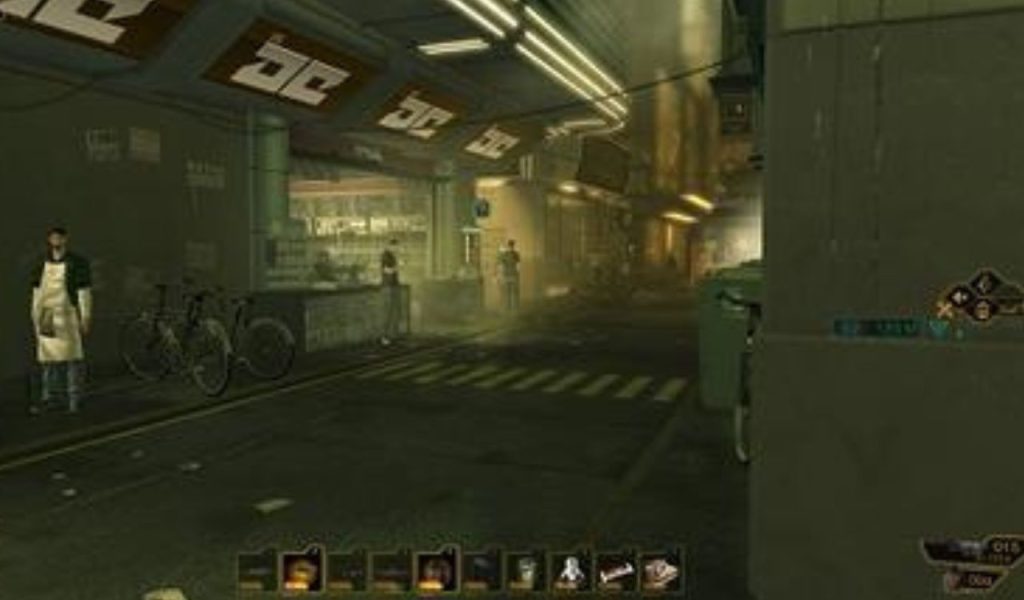
Deus Ex redefined what a game could be by blending RPG depth, shooter mechanics, and meaningful player choice long before such hybrids became common. Its branching paths, skill systems, and problem-solving freedom allowed players to approach situations with hacking, stealth, or combat in ways that genuinely affected outcomes. The story explored conspiracy, surveillance, and cybernetic ethics topics that later became staples of sci-fi gaming. Though some found its complexity intimidating, its systems were incredibly ahead of their time. Deus Ex became the blueprint for immersive sims, influencing countless modern titles with its ambitious design philosophy.
8. Ico
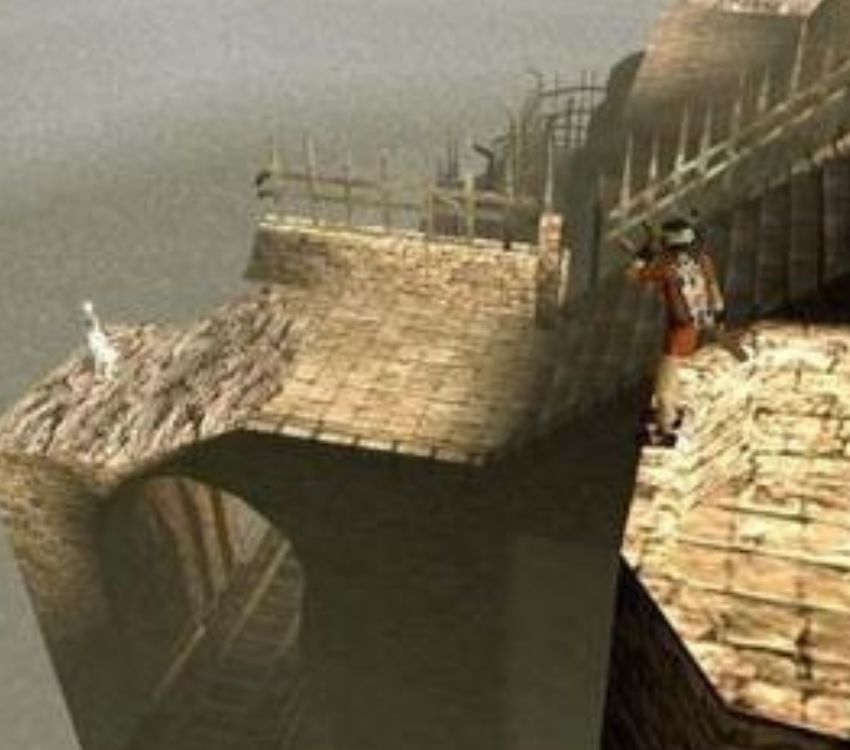
Ico stood apart from other games of its era through its minimalist storytelling, quiet atmosphere, and emotional focus. Players guided Ico and Yorda through a vast, lonely castle, relying on simple gestures like holding hands to convey trust and connection. Its environmental puzzles, soft lighting, and cinematic camera work created an experience that felt artistic rather than traditional. At the time, many players overlooked it due to its subtle style and lack of action, but its influence grew steadily. ICO inspired future narrative-driven and atmospheric games, proving how powerful simplicity and emotion could be in game design.
9. Chrono Trigger

Chrono Trigger introduced ideas that many RPGs wouldn’t embrace for years. Its seamless battles removed random encounters, its time-travel story let choices shape multiple endings, and its dual-tech combat system encouraged creative strategies between party members. The game offered freedom rarely seen in the genre, allowing players to revisit eras, alter events, and unlock surprising outcomes. Its pacing, soundtrack, and character arcs were remarkably advanced for the 16-bit era. While celebrated today, many don’t realize just how forward-thinking it was to set standards that modern RPGs still follow decades later.
10. Portal

Portal revolutionized puzzle design with its elegant portal mechanic, letting players bend physics, momentum, and space to solve challenges in ways no game had done before. Its clean environments, clever test-chamber structure, and precise mechanics created a learning curve that felt natural and rewarding. Beyond gameplay, its writing driven by GLaDOS’ dark humor and subtle storytelling, showed how minimalism could deliver memorable narrative impact. Though short, its ideas reshaped puzzle and physics-based games for years to come. Portal proved that innovation and simplicity could coexist perfectly, pushing the genre forward.