

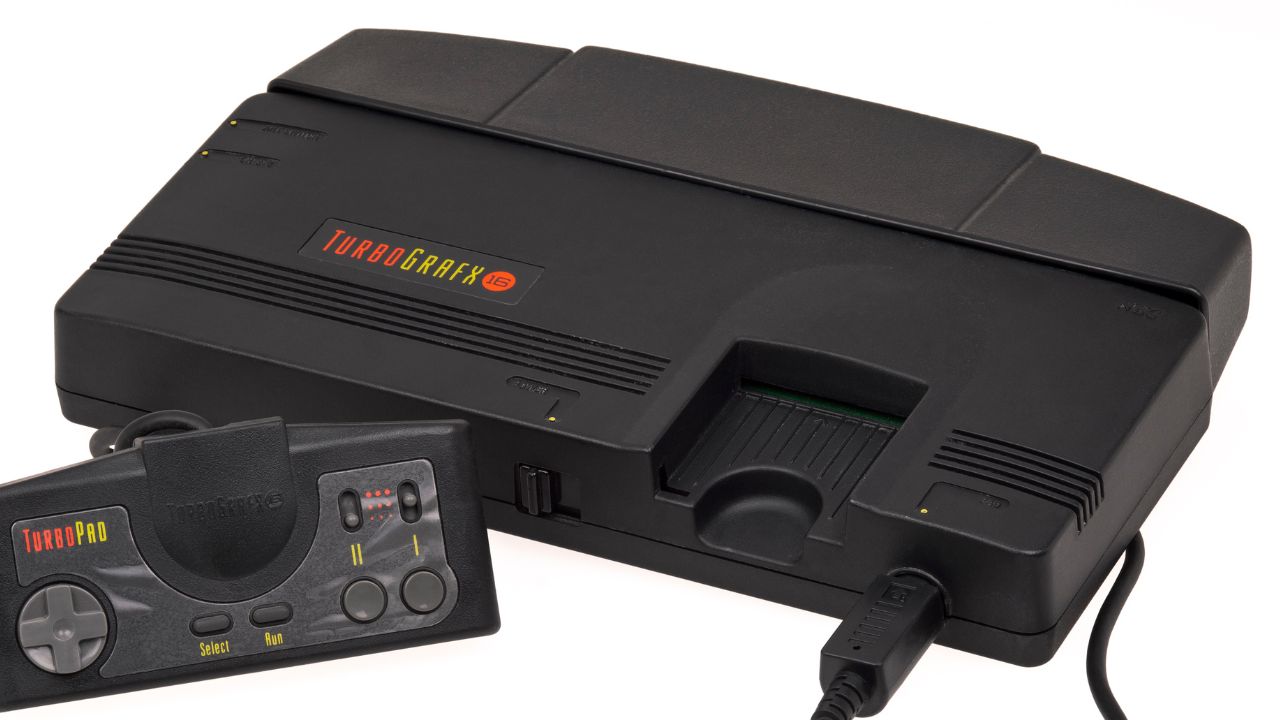

The ’90s were a golden era of gaming, long before wireless controllers, cloud saves, or digital libraries reshaped how we play. Back then, every gaming moment felt like a ritual a mix of excitement, frustration, and pure childhood wonder that shaped how we connected with games. Whether you grew up with a chunky CRT, a stack of cartridges, or the whirring disc drive of the original PlayStation, these habits became shared traditions. They weren’t written down, yet every kid somehow knew them, lived them, and passed them on with the pride only nostalgia can preserve, forming memories that still feel warm decades later.
1. Blowing Into Game Cartridges
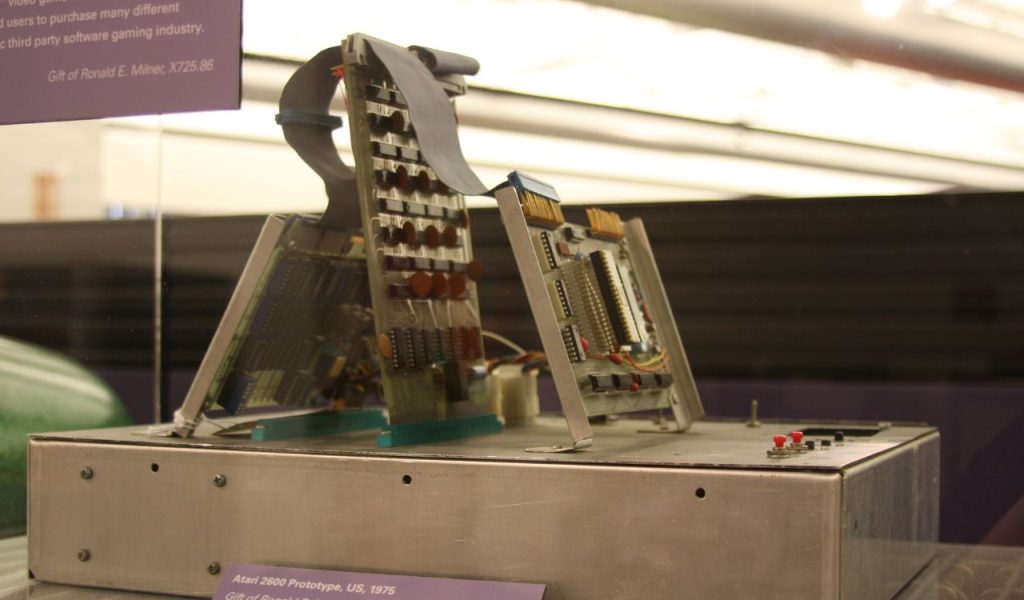
Every ’90s kid believed in the sacred act of blowing into a cartridge, even though manufacturers insisted it didn’t help at all and sometimes warned us not to do it. When a game froze, glitched, or refused to load, you grabbed the cartridge, gave it a heroic breath of hope, and slammed it back into your Super Nintendo like a seasoned technician on a mission. It felt scientific, powerful, and absolutely necessary. Even today, many swear it revived stubborn games. Maybe it wasn’t real magic, but it created confidence, sparked determination, and added a tiny ritual of triumph to every play session.
2. Begging for Extra Memory Cards
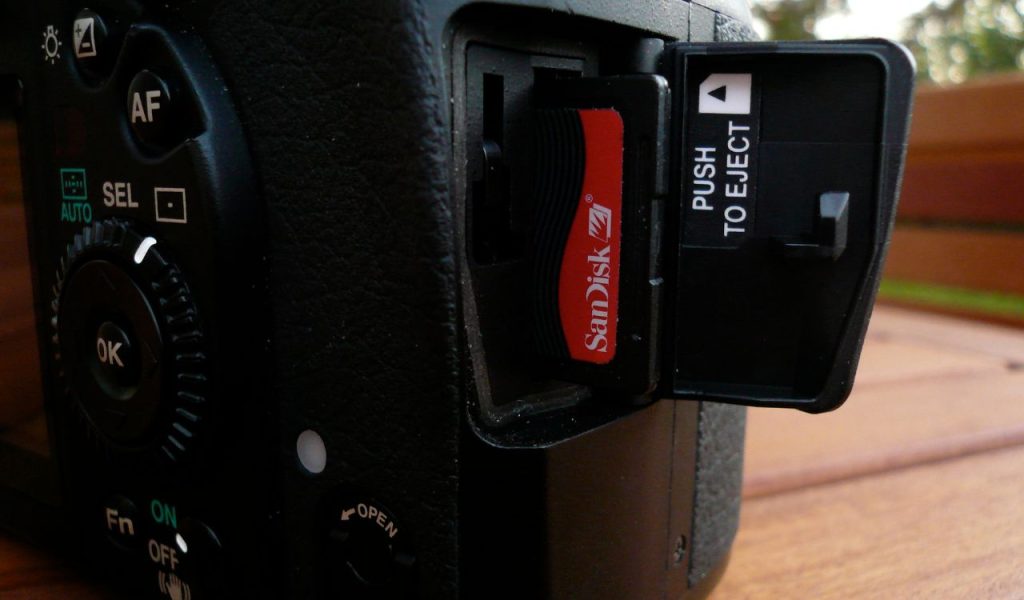
With the rise of disc-based systems, especially the original Sony PlayStation, came a new crisis: games no longer saved themselves. You needed a tiny plastic memory card, and running out of space was a genuine catastrophe that could derail an entire weekend of progress. You’d scroll through old game files, terrified to delete anything important, bargaining with siblings for extra room like it was a rare treasure. Losing a save in a massive journey like Final Fantasy VII wasn’t just inconvenient; it was emotional devastation that lingered for days and made you swear you’d never make the same mistake again.
3. Waiting Forever for Your Turn
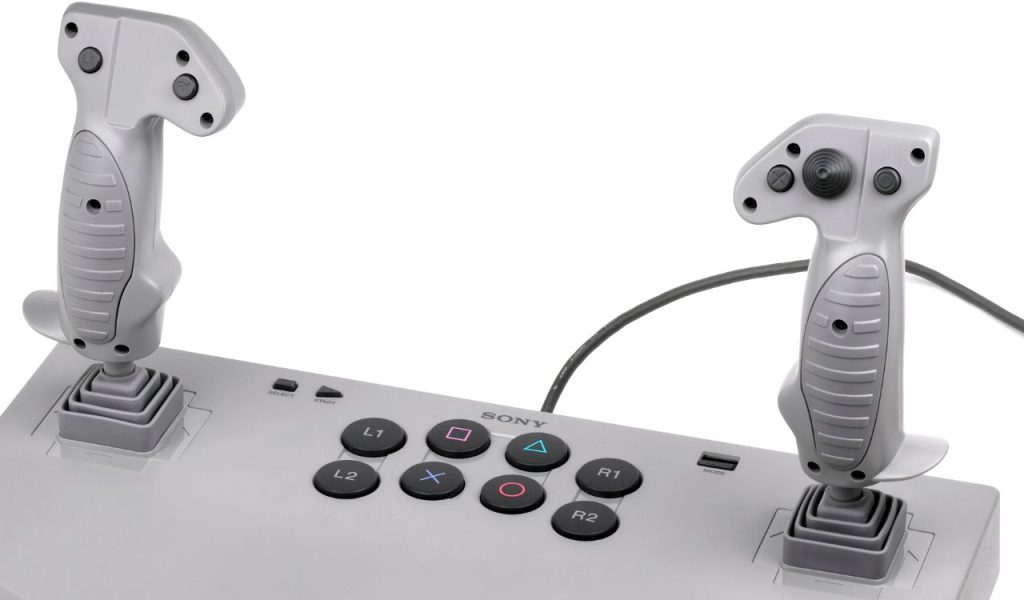
If you shared a home with siblings or cousins, gaming required monk-level patience and emotional control that most kids didn’t naturally have. “Taking turns” usually meant one person played until they lost a life and somehow, they never seemed to lose, stretching their turn into eternity. You’d sit on the floor, controller ready, silently judging every mistake while insisting you could do better if only given the chance. Arguments erupted, timers were invented, and house rules changed daily. For many ’90s kids, the real challenge wasn’t beating tough bosses; it was finally getting a turn after hours of agonizing anticipation that tested your nerves as much as any game.
4. Perfect Grips
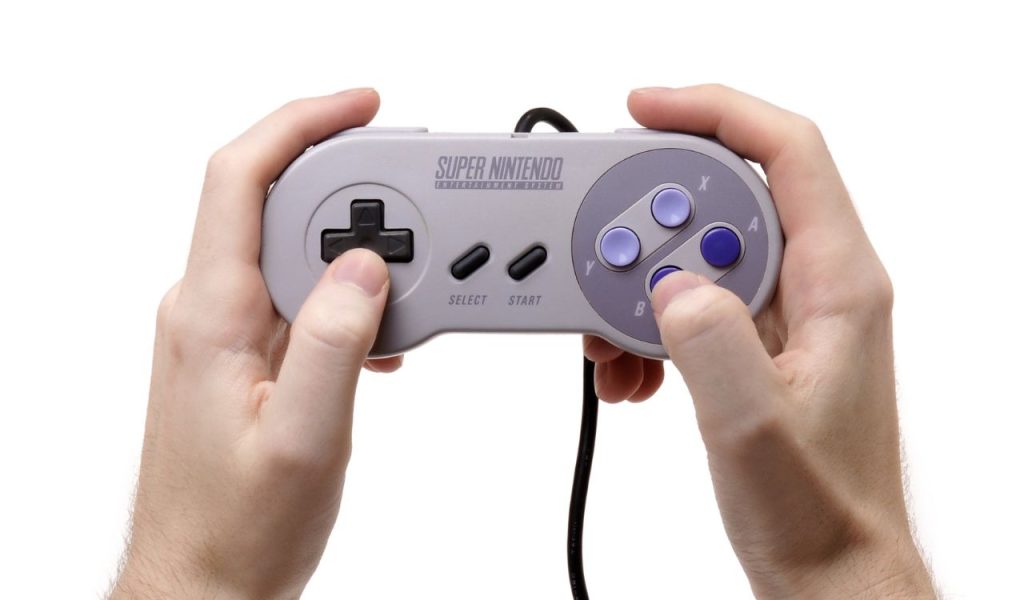
Every ’90s kid had a signature controller grip a strange, twisted, absolutely improvised hand position that somehow made impossible moves finally work. Whether you were trying to nail a perfect Hadouken in Street Fighter II, drift with precision in Mario Kart 64, or unleash a brutal fatality in Mortal Kombat, that awkward grip became sacred. It didn’t matter how weird it looked; it felt like your personal secret technique, shaped by instinct, repetition, and countless determined attempts that defined entire afternoons and made every victory feel uniquely earned.
5. Secret Codes
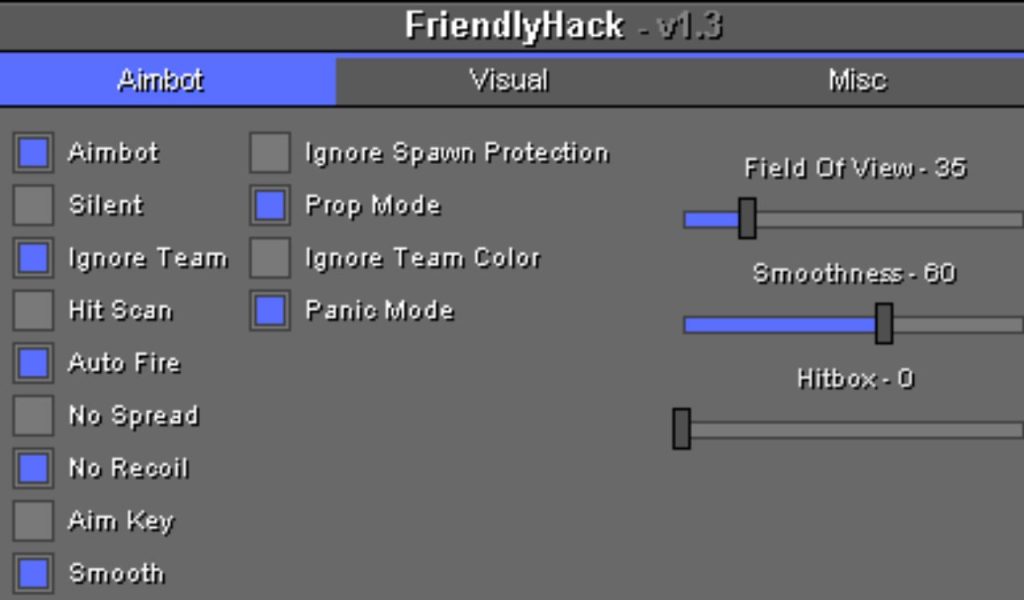
Before the internet became a constant companion, cheat codes felt like mysterious treasures passed between kids like ancient runes. You’d scribble them on scraps of paper, tear pages from magazines, or memorize legendary sequences like the Konami Code (↑ ↑ ↓ ↓ ← → ← → B A) as if they were spells. Finding a new cheat meant instant playground fame, unlocking hidden characters, infinite lives, or strange game quirks. These codes weren’t just tricks, they were part of the adventure, a secret language every ’90s kid wanted to master. They added wonder, surprise, and a tiny sense of power that made gaming feel even more magical.
6. Weekend Marathons
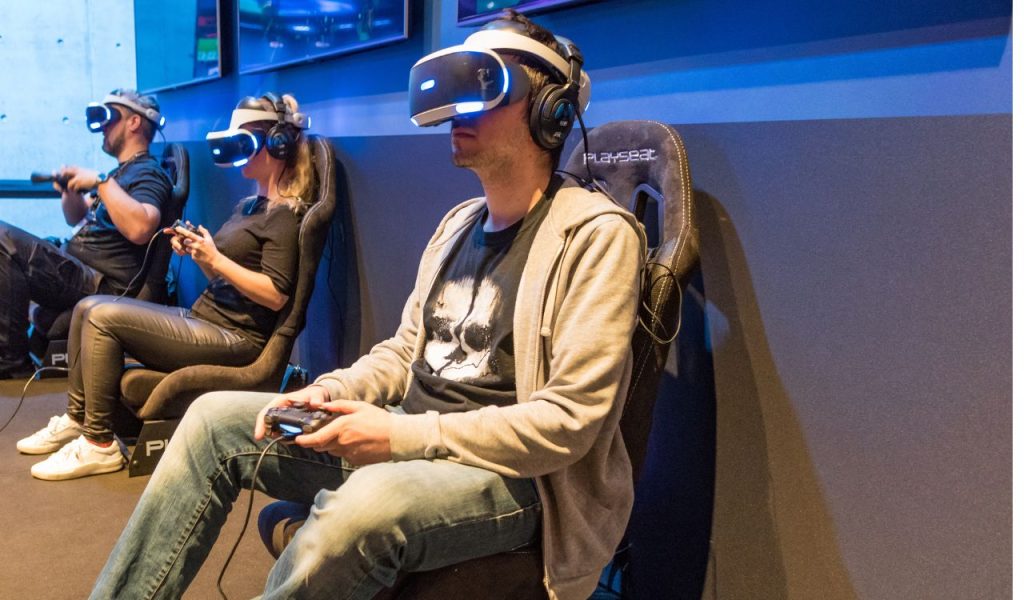
A weekend rental from the local Blockbuster wasn’t just a fun outing it was a race against time that demanded absolute dedication. You had forty-eight hours to beat the game before it had to be returned, which meant long sessions, late nights, and nonstop focus. Sometimes you’d find a stranger’s save file far ahead of yours, tempting you to peek at later levels but also spoiling the mystery. Returning a game unfinished felt like failure, while finishing it in time felt like conquering a mountain. It was intense, chaotic, and uniquely thrilling in a way modern gaming can’t quite recreate.
7. Cable Chaos
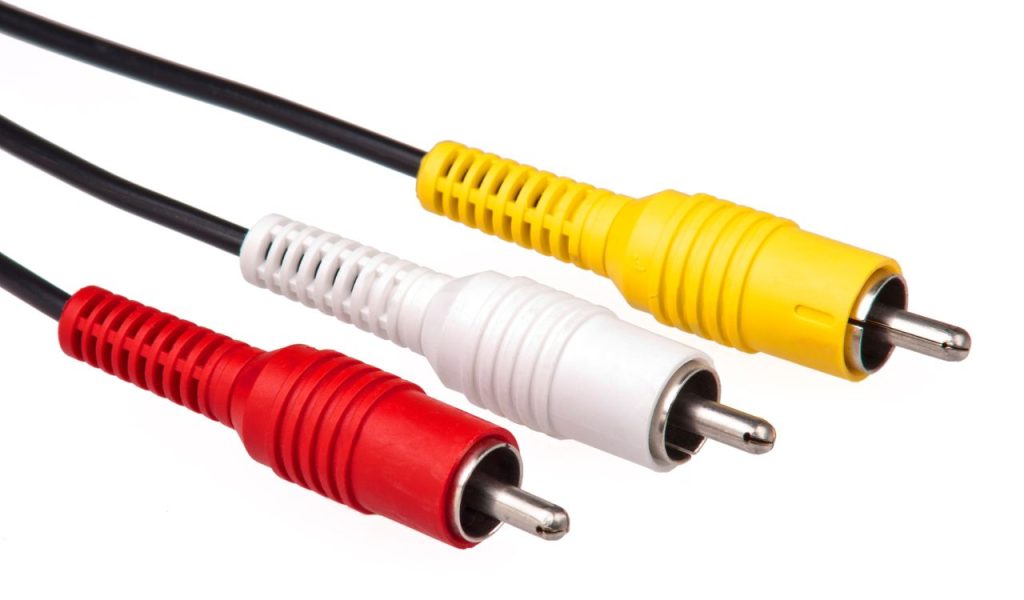
Setting up a console in the ’90s often felt like performing a puzzle behind a massive CRT TV. You’d crawl on the floor, blindly reaching for tangled cords, swapping yellow-red-white AV cables, or fiddling with the stubborn RF switch. The eternal question “Channel 3 or 4?” echoed through households as static-filled screens tested everyone’s patience. Sometimes the only fix was adjusting the antenna or giving the TV a firm tap the universal troubleshooting method of the era. Getting everything connected properly felt like a genuine accomplishment, one that made the eventual gameplay feel even more rewarding.
8. Late Nights
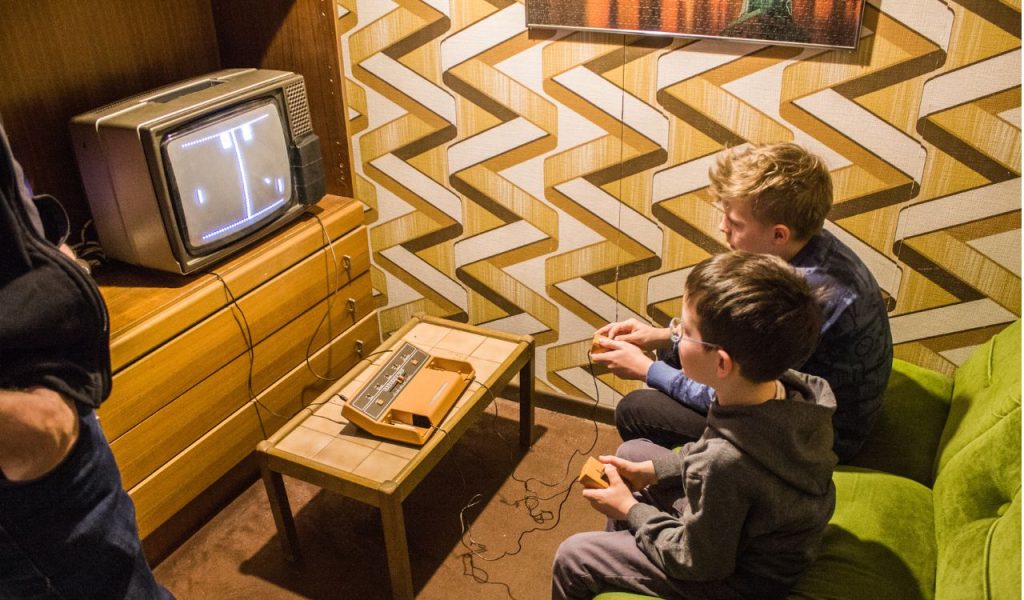
The warm glow of a CRT screen in a dark room became a comforting companion for many ’90s kids staying up far past bedtime. Whether you were sneaking in a few extra races in Diddy Kong Racing or replaying tough stages in Crash Bandicoot, “one last level” always turned into several more attempts fueled by pure determination. You’d play quietly, trying not to wake anyone, fully aware you’d be exhausted the next morning. But those secret late-night sessions felt adventurous, cozy, and strangely peaceful, becoming treasured memories that still linger vividly decades later and remind us why gaming felt so magical then.