


Not every game becomes a blockbuster the moment it releases. Some titles launch quietly, stumble into obscurity, or face mixed early reception only to rise later through community support, major updates, or streamer discovery. These games prove that success isn’t always instant. Sometimes, it takes the perfect moment, a passionate fanbase, or a sudden cultural spark to turn an overlooked title into a global phenomenon. Each of these stories highlights how strong ideas, player creativity, and unexpected opportunities can push games far beyond their original limits.
1. Among Us

When it launched in 2018, Among Us saw minimal attention, with only a tiny group of mobile players keeping it alive. The game’s simple premise, teamwork, deception, and hidden roles, was strong, but it lacked visibility. Everything changed in 2020 when streamers discovered it during the pandemic, turning it into a global social sensation. Millions of players joined in, creating memes, strategies, and unforgettable moments. The game’s sudden rise proved how a community-driven spark can transform a small indie release into a cultural icon that dominates conversations everywhere.
2. Stardew Valley

Created entirely by a single developer, Stardew Valley arrived without the marketing power of major studios. Early sales were modest, but the game’s warm atmosphere, heartfelt storytelling, and deep farming systems drew players in slowly. Word-of-mouth and online communities eventually gave it unstoppable momentum. Over time, expansions, updates, and mod support kept fans invested. What began as a humble passion project evolved into one of the most influential simulation games ever made, inspiring countless players to relax, explore, and build new lives within its charming rural world.
3. Rocket League

Rocket League launched as a quirky sequel to a little-known title with a long name and a tiny fanbase. Its fusion of rocket-powered cars and high-speed soccer seemed strange, even risky. But when it launched free on PlayStation Plus, millions tried it instantly. Its fast-paced gameplay, physics-driven skills, and competitive potential made it an overnight favorite. The game soon developed a thriving esports scene, and continuous updates kept players engaged. Rocket League’s unexpected climb from niche oddity to global multiplayer powerhouse remains one of gaming’s best modern success stories.
4. Fall, Guys
Fall Guys debuted in 2020 as a colorful, chaotic party game inspired by wild obstacle-course television shows. Initially, it had modest buzz, but once streamers showcased its hilarious physics and frantic races, interest exploded far beyond predictions. Its approachable design, silly costumes, and seasonal updates drew in players of all ages. As millions rushed to compete for the coveted “crown,” the game became a symbol of joyful chaos during a stressful year. Its sudden popularity proved that lighthearted fun can create a massive global impact when the timing is right.
5. Fortnite
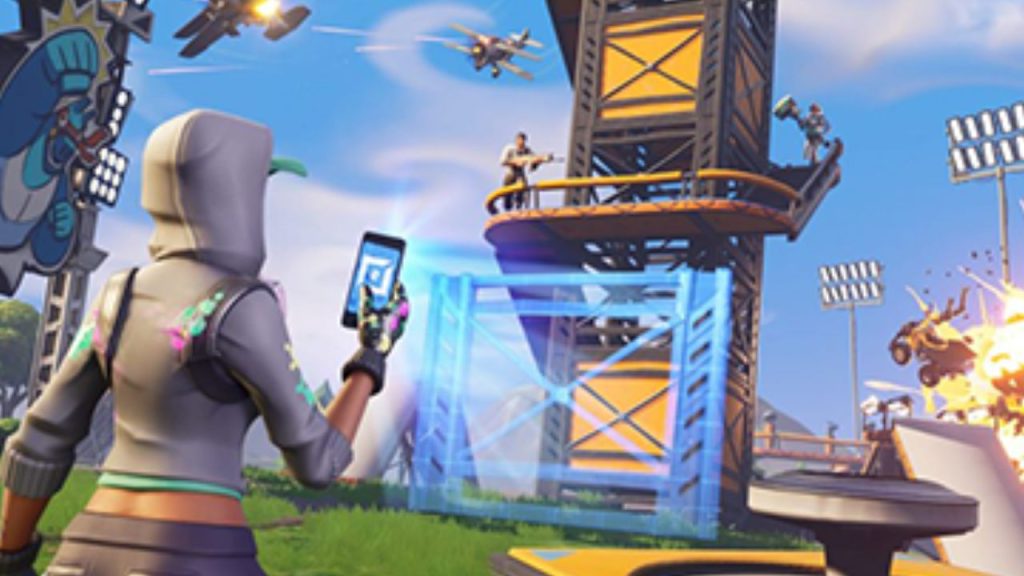
Fortnite originally launched as a cooperative survival game focused on base-building and fighting waves of monsters. The reception was lukewarm, and many assumed it would fade quickly. But everything changed when Epic Games introduced a free Battle Royale mode inspired by the genre’s rising popularity. Overnight, Fortnite became a worldwide phenomenon, reshaping online gaming and influencing pop culture. Massive live events, collaborations with celebrities, and constant seasonal updates helped it dominate global conversations. Its bold reinvention turned an underperforming project into one of history’s most unexpected gaming triumphs.
6. Genshin Impact
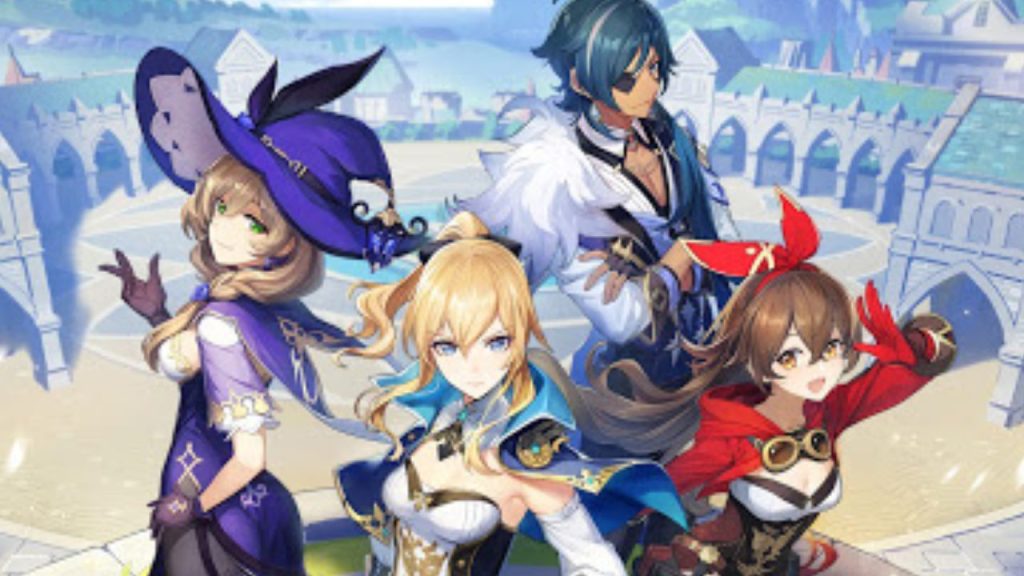
Before release, Genshin Impact faced heavy skepticism and comparisons to Breath of the Wild. Many underestimated it, expecting a shallow free-to-play clone. But upon launch, players were stunned by its rich world, polished combat, memorable characters, and impressive storytelling. Frequent updates, new regions, and an active online community helped it grow rapidly. The game quickly became one of the highest-grossing free titles ever, proving its critics wrong. Its success illustrates how ambitious design and consistent support can elevate a game far beyond initial expectations.
7. Minecraft
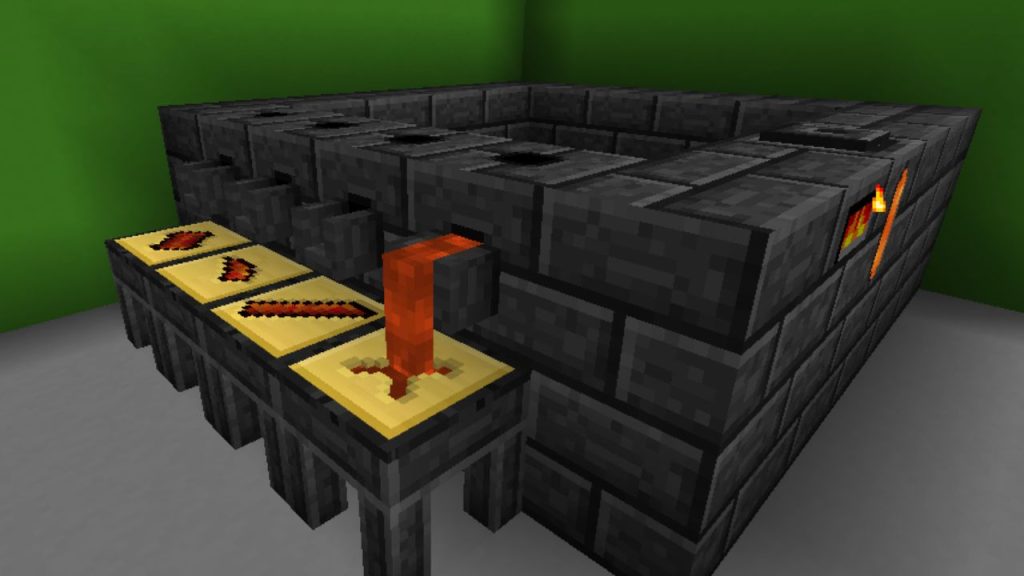
Minecraft began as a simple indie prototype with primitive graphics and basic survival mechanics. But the freedom it gave players to build, explore, and create fueled a grassroots movement unlike anything before it. YouTubers, especially early creators, played a massive role in showcasing the game’s creative potential. Community-driven mods, servers, and mini-games expanded the world far beyond its original scope. Over time, updates added dimensions, mobs, biomes, and storytelling hints. What started as a niche sandbox became one of the best-selling and most influential games in history, shaping an entire generation of players.
8. The Witcher 3: Wild Hunt
Although The Witcher series already had a loyal fan base, The Witcher 3 didn’t explode immediately at launch. Instead, it grew steadily as more players discovered its rich storytelling, memorable quests, and expansive open world. Reviews praised its emotional depth and strong writing, and word-of-mouth pushed it to mainstream success. The release of its high-quality expansions — Hearts of Stone and Blood and Wine helped elevate it further. Years later, the Netflix series brought renewed interest, drawing new players back to the game and cementing its legacy as one of the greatest RPGs ever made.
9. Hades
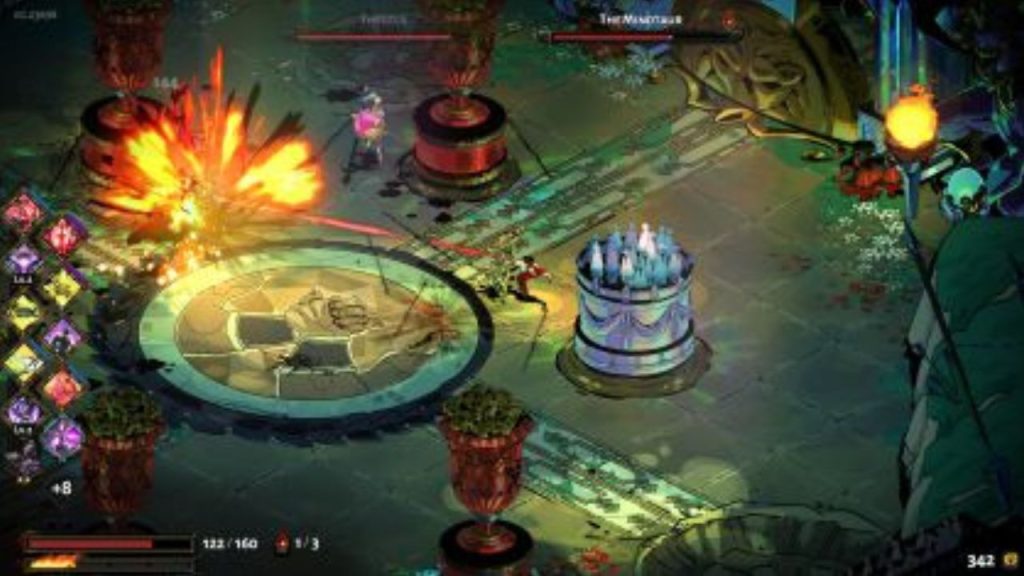
Hades began its journey in Early Access, where it quietly built a strong reputation among players who admired Supergiant Games’ storytelling, art direction, and combat design. During development, the studio consistently released updates that refined mechanics, expanded character interactions, and improved narrative depth. When the full version launched, critics and players alike were stunned by the seamless blend of fast-paced roguelike action and rich, character-driven storytelling. Its narrative-driven failures made it unique, and its award-winning impact pushed it from indie roguelike to a landmark title.
10. Baldur’s Gate 3
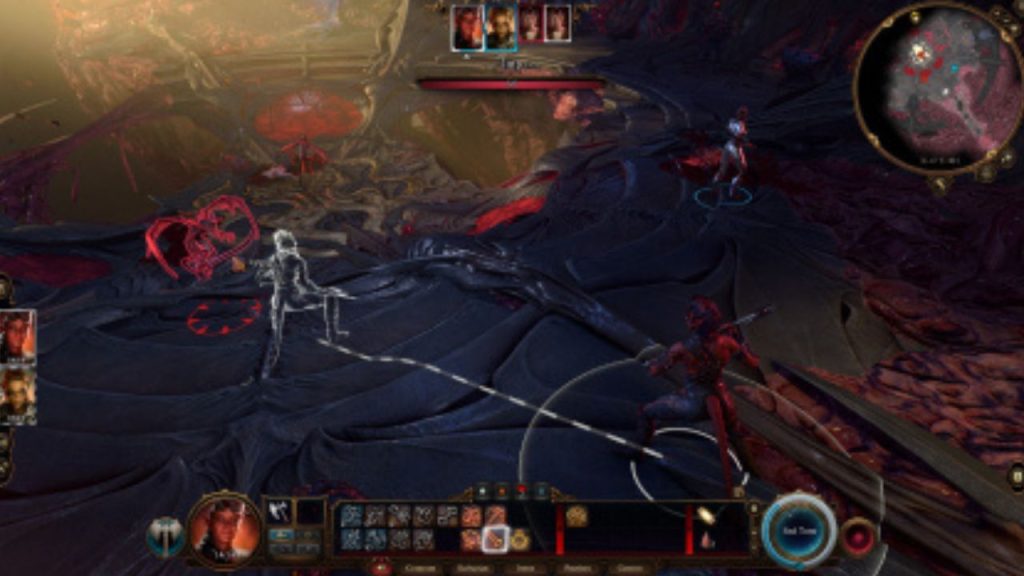
When Baldur’s Gate 3 entered Early Access in 2020, it primarily appealed to fans of classic CRPGs and tabletop-inspired storytelling. Few expected it to become one of the most acclaimed modern RPGs. Over the next three years, Larian Studios incorporated massive community feedback, reworked entire mechanics, and added layers of polish. By the time the full game was released in 2023, it delivered an unprecedented level of player freedom, cinematic storytelling, and character-driven depth. By blending romance, choice-filled quests, and a reactive world, it appealed far beyond CRPG fans, winning awards, inspiring memes.
11. Elden Ring
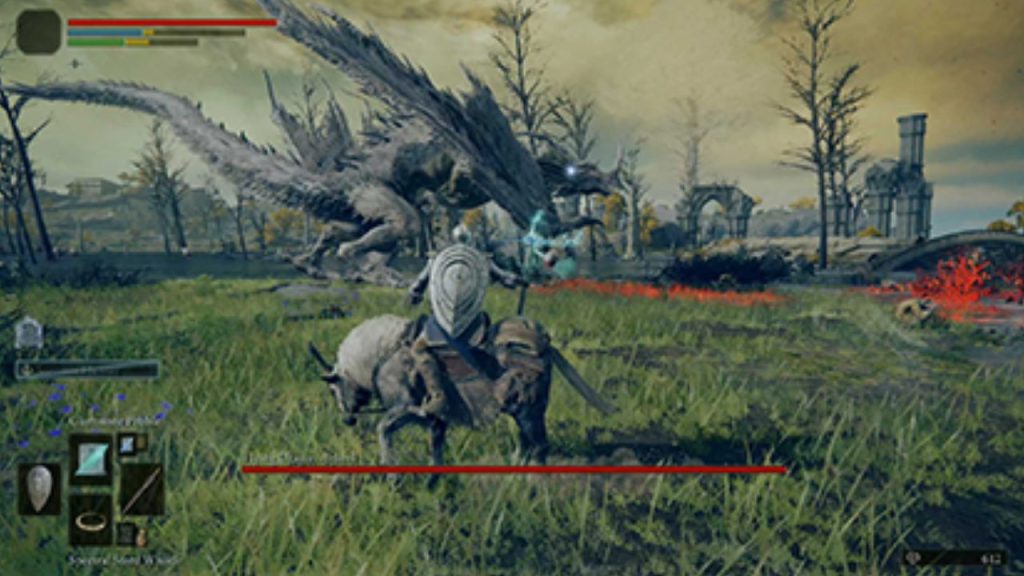
While FromSoftware’s previous Soulslike games had a dedicated following, Elden Ring exceeded expectations by becoming one of the most widely played and discussed open-world games ever made. Its success grew steadily after release as players uncovered hidden paths, bosses, lore, and secrets throughout the massive Lands Between. The collaboration with fantasy author George R. R. Martin brought additional attention, but it was the rewarding exploration and freedom of approach that truly captivated players. Social media and streaming communities amplified their popularity with viral challenge runs and built showcases.
12. No Man’s Sky

Perhaps gaming’s most famous comeback story, No Man’s Sky launched in 2016 with enormous hype but failed to meet expectations, leaving many disappointed with its limited features. Instead of abandoning the project, Hello Games spent years releasing free, massive updates that gradually transformed the game into a fully realized universe. Additions like base building, multiplayer, story expansions, planetary variety, and VR support reshaped the experience completely. Each update brought players back, and over time, public perception shifted dramatically. A rough beginning evolved into a respected showcase of dedication.