

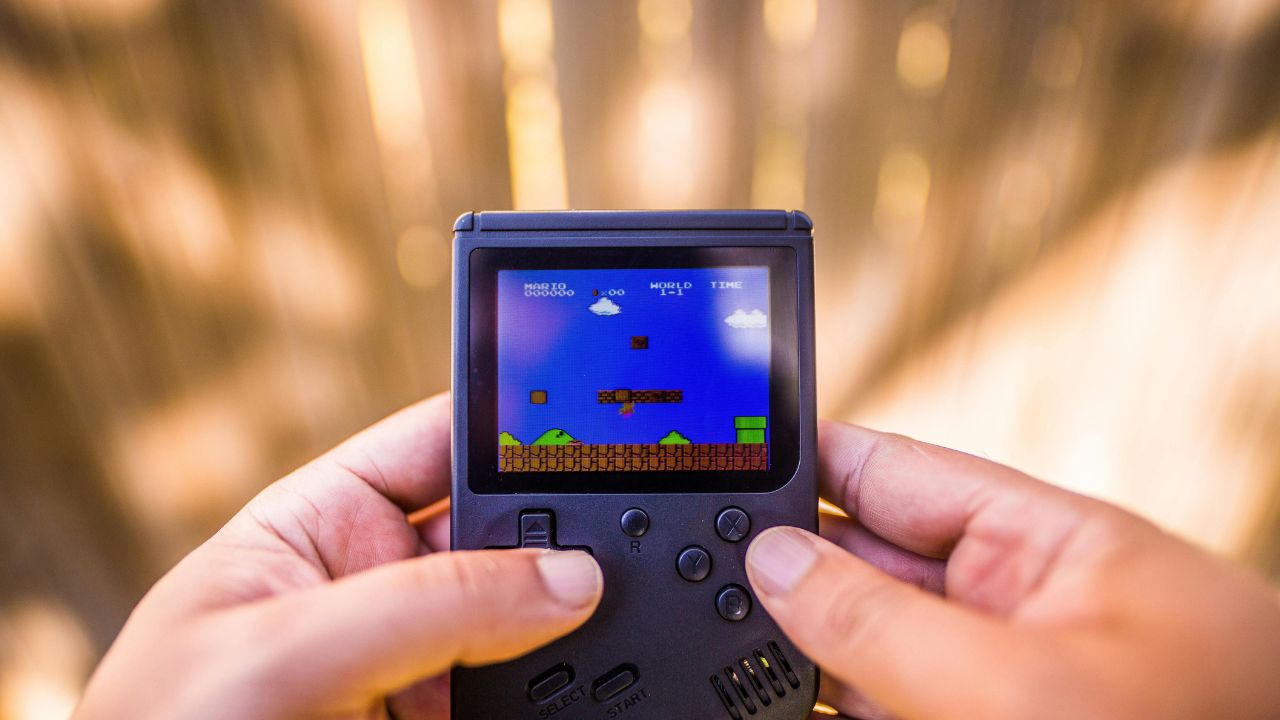

For many retro players, gaming wasn’t just a casual pastime; it was an entire childhood culture shaped by quirky rituals, limited technology, and the pure magic of discovery. Long before high-speed internet, touchscreens, and cloud saves, kids built a unique relationship with their consoles and handhelds. These habits weren’t written in manuals or taught by adults; they formed naturally through trial, error, excitement, and even frustration. Modern gaming is smoother, but those early days made lasting memories. Here are the habits that shaped retro childhoods.
1. Blowing Into Cartridges
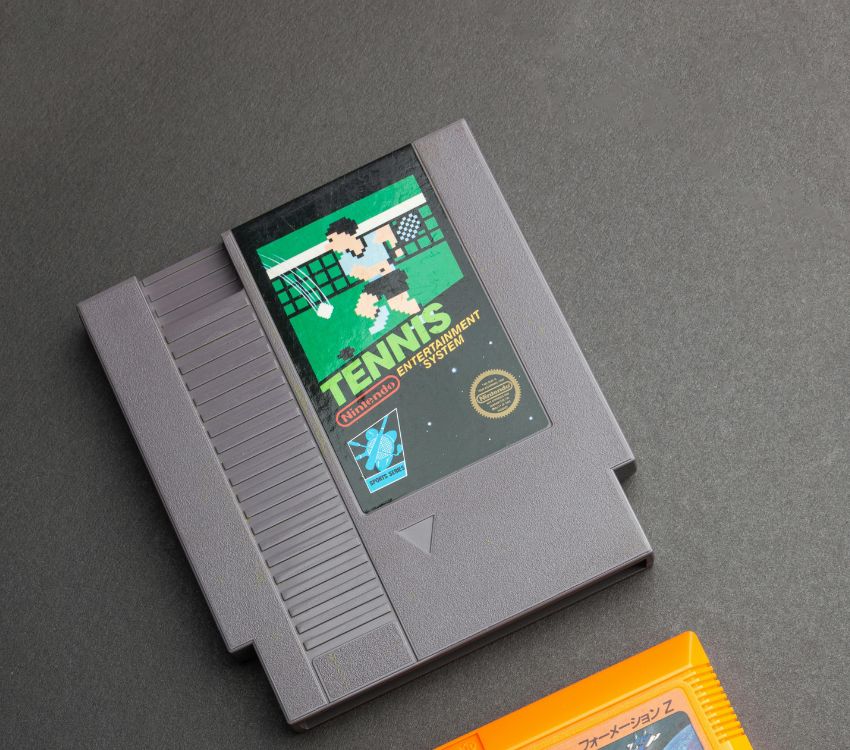
Every retro gamer remembers this ritual: the game wouldn’t load, the screen stayed black, or the title glitched, and the immediate response was to pull the cartridge out and blow into it. Even though it didn’t truly solve the problem, it felt like the ultimate fix. Kids believed with full confidence that a few puffs of air could revive any game, and most of the time, after reinserting the cartridge with hope and determination, it somehow worked. The habit stuck, and even adults still do it. It wasn’t logical, but it felt comforting.
2. Memorizing Cheat Codes

Before online guides existed, players stored cheat codes, secret inputs, and hidden moves entirely in their memory or scribbled them onto papers hidden near the console. The legendary Konami Code, extra lives, secret characters, and level skips were powerful bits of knowledge passed from one gamer to another like secret treasures. Kids bragged about knowing rare codes, and playgrounds doubled as information hubs where rumors spread faster than dial-up internet. Learning a new cheat meant heading home after school and testing it immediately, hoping it actually worked. Memorizing these sequences wasn’t just useful; it became a badge of honor among retro players.
3. Using Save Files Sparingly

Many early games didn’t include saving features, and those that did often came with extremely limited memory. This forced players to approach games with strategy, patience, and endurance. If a game had no saves, you either played it in one sitting or started again from the very beginning every time you powered the console on. For games with save slots, families often shared a single system, meaning overwriting someone else’s save was considered a serious offense. Kids developed careful routines to avoid losing progress: triple-checking the save option, confirming the slot number.
4. Sitting Close to the TV

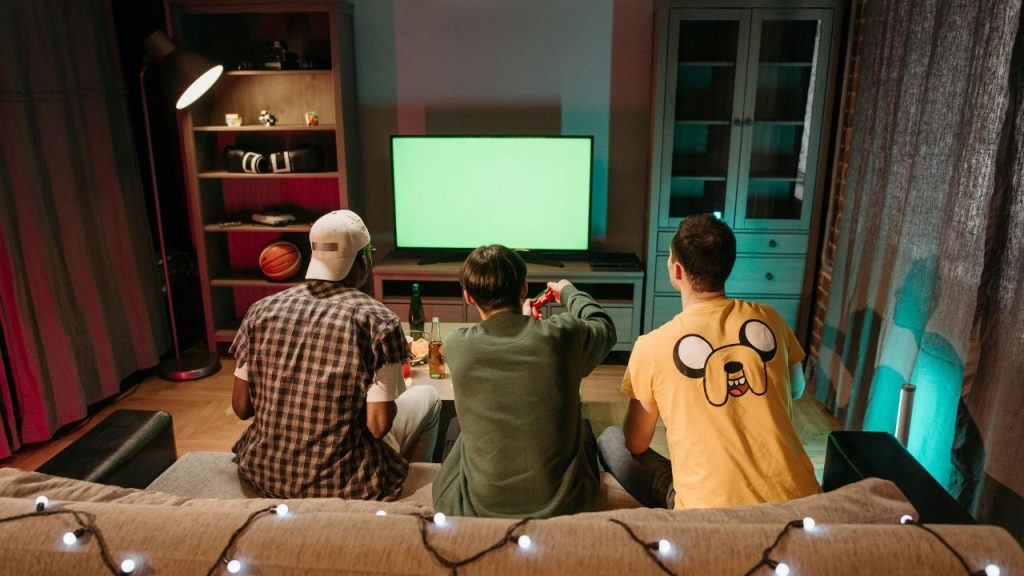
Controllers weren’t wireless, TVs were bulky, and cords were short, so players naturally ended up sitting directly in front of the screen. Parents constantly warned about “ruining your eyes,” but kids stayed glued to the glowing CRT regardless. The static buzz, the heat radiating from the screen, and the faint hum of electronics became part of the experience. The closer you sat, the more immersed you felt. And with no zoom features or wide screens, being near the TV was sometimes necessary to read tiny pixelated text or spot hidden details. It created an iconic image: a kid on the floor, controller in hand, lost in a world of pixels.
5. Weekend Game Rentals
Before digital downloads, game rental stores were treasure troves of discovery. Kids would browse shelves filled with colorful box art and pick a game based solely on instinct, curiosity, or whatever wasn’t already rented out. Once home, the mission began: finish the game before it had to be returned. This created an intense, time-limited adventure where every hour counted. Marathon sessions, late-night attempts, and boss fights added to the thrill. Some games were great, others brutal, but finishing a rental in days became a classic challenge.
6. Sharing Secrets on the Playground

Long before YouTube explainers or Reddit threads, most gaming knowledge came straight from the schoolyard. Kids traded secrets, tricks, and rumors during recess as if they were rare collectibles. Someone might claim to know how to unlock a hidden character, find a rare item, or access a mysterious glitch. Some tips were real, some were exaggerated, and some were completely made up, but every piece of information sparked excitement. Trying these secrets at home felt like solving a mystery. Testing rumors was fun, and sharing tips formed early gaming communities.
7. Button-Mashing
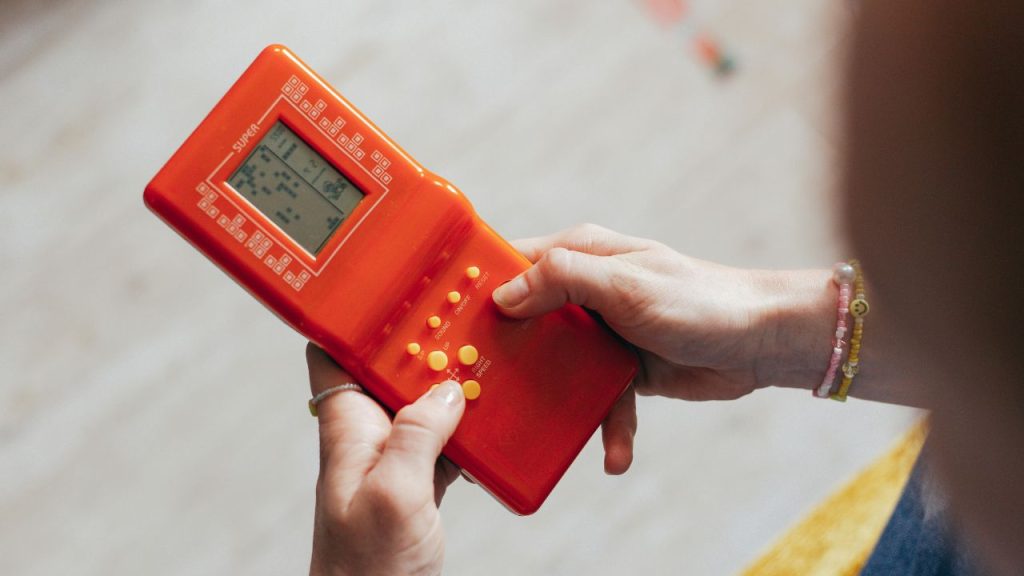
Before players learned the art of timing, combos, or advanced controller techniques, many kids relied entirely on one strategy: mashing every button as fast as humanly possible. Fighting games, quick-time events, and intense boss battles all triggered the same reaction: rapid-fire button tapping with wild enthusiasm. Sometimes this unleashed accidental combos that looked intentional; other times it resulted in chaos. Kids even developed personal “button-mashing styles,” whether it was sliding their thumb rapidly across the buttons, vibrating their whole arm, or hammering them with both hands when things got desperate. Skill replaced it, but button-mashing remains a symbol of childhood excitement.
8. Waiting for Your Turn

Local multiplayer wasn’t always available, and many games were strictly single-player experiences. That meant siblings or friends had to take turns, often following the classic rule: “You die, I play.” While waiting could be frustrating, watching someone else play became its own kind of entertainment. Kids would cheer, shout instructions, or argue over strategies. Some players acted like backseat coaches, while others simply observed in awe. In many homes, one person became the “designated boss fighter. Helping others beat tough levels created bonds long before streaming.
9. Reading Game Manuals
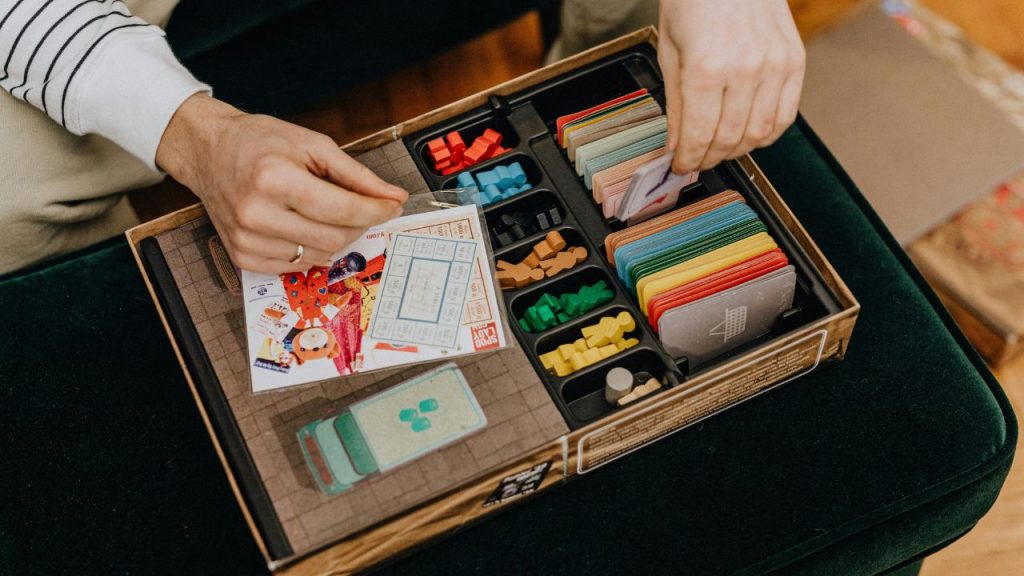
Game boxes used to come with thick, colorful manuals filled with artwork, background lore, character descriptions, and gameplay tips. Before even turning on the console, many kids would sit down and read the manual from cover to cover. It became part of the ritual: opening the box, smelling that new-paper scent, and diving into a world of information. Manuals often included maps, hidden hints, or fun illustrations that added depth to the game. Some players kept these manuals in pristine condition, while others wore them out from frequent reading. In an era without tutorials or always-on guidance, manuals were essential companions.