




In recent years, story-driven video games have grown into deeply cinematic experiences that rival some of the best films and television series. With strong writing, layered characters, emotional performances, and meaningful player choices, these games create immersive narratives that stay with you long after the credits roll. But what makes certain story-driven games especially powerful is how well they work as shared experiences. A game doesn’t need multiplayer to feel communal. Passing the controller, voting on decisions, and reacting to twists together can turn a single-player story into a shared experience.
1. The Last of Us Part I
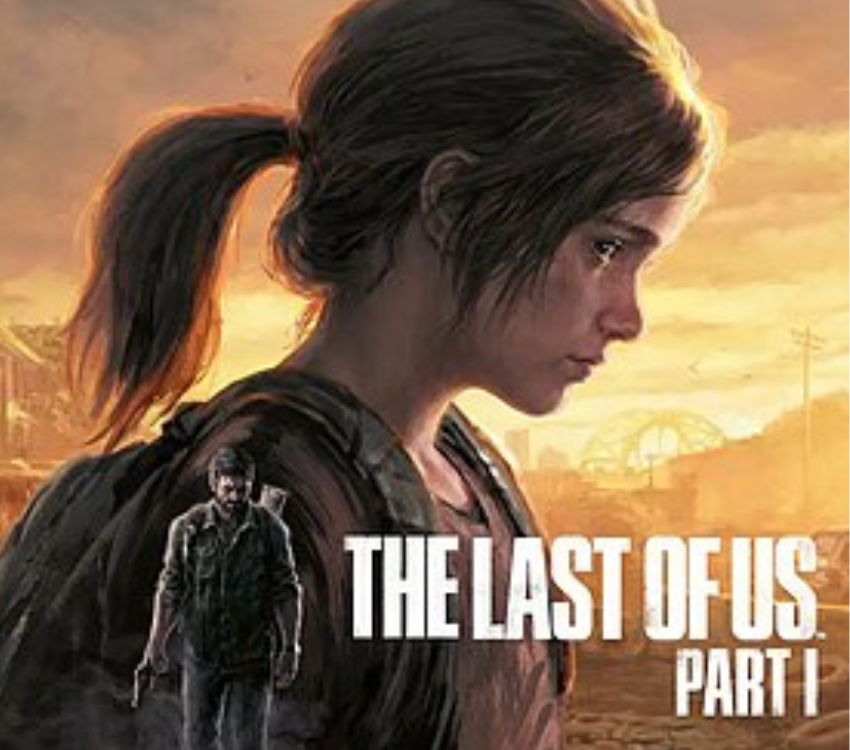
Few games match the emotional weight and narrative sophistication of The Last of Us Part I. Set in a post-pandemic United States, the story follows Joel, a hardened survivor, and Ellie, a teenage girl who may hold the key to humanity’s future. What begins as a simple escort mission evolves into a deeply personal journey about love, loss, survival, and moral compromise. It feels like watching a prestige drama together, with cinematic presentation and strong performances that spark discussion. Players often debate Joel’s choices and moral decisions, while emotional moments and intense action pull everyone into the experience.
2. Life Is Strange
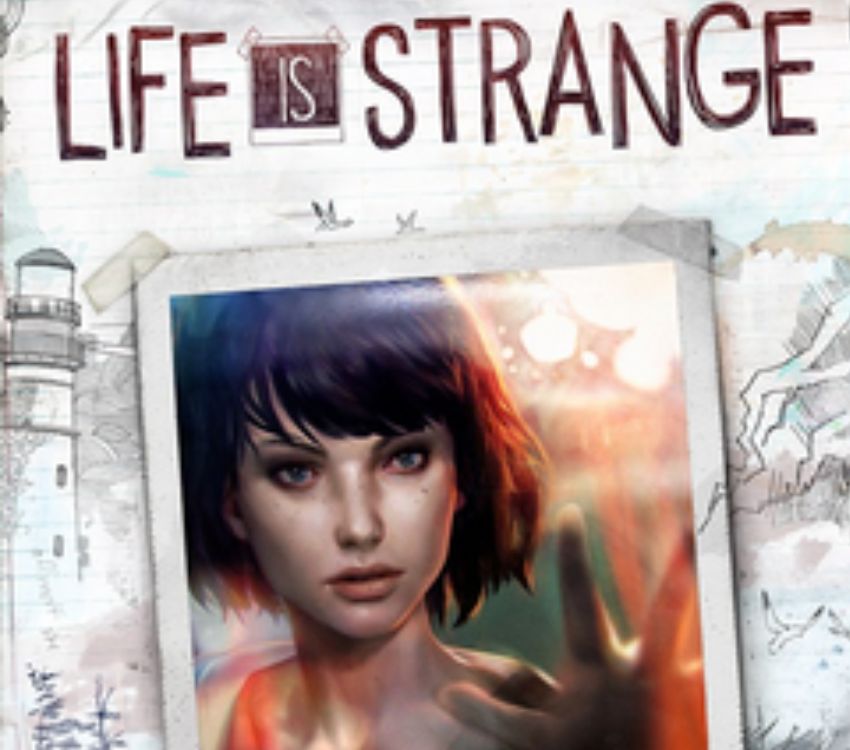
Life Is Strange centers on Max Caulfield, a photography student who discovers she has the power to rewind time. As she reconnects with her childhood friend Chloe, she becomes entangled in a mystery involving missing students, hidden secrets, and the consequences of tampering with fate. This episodic adventure is ideal for group play because nearly every major moment revolves around choice. Decisions feel personal and morally complex, often without a clearly right answer. When played with others, it becomes natural to pause and debate what Max should do next. The rewind mechanic adds another layer, allowing groups to experiment with outcomes and discuss the ripple effects of each decision. The emotional themes of friendship, identity, and sacrifice often spark meaningful conversations long after the game ends.
3. Detroit: Become Human
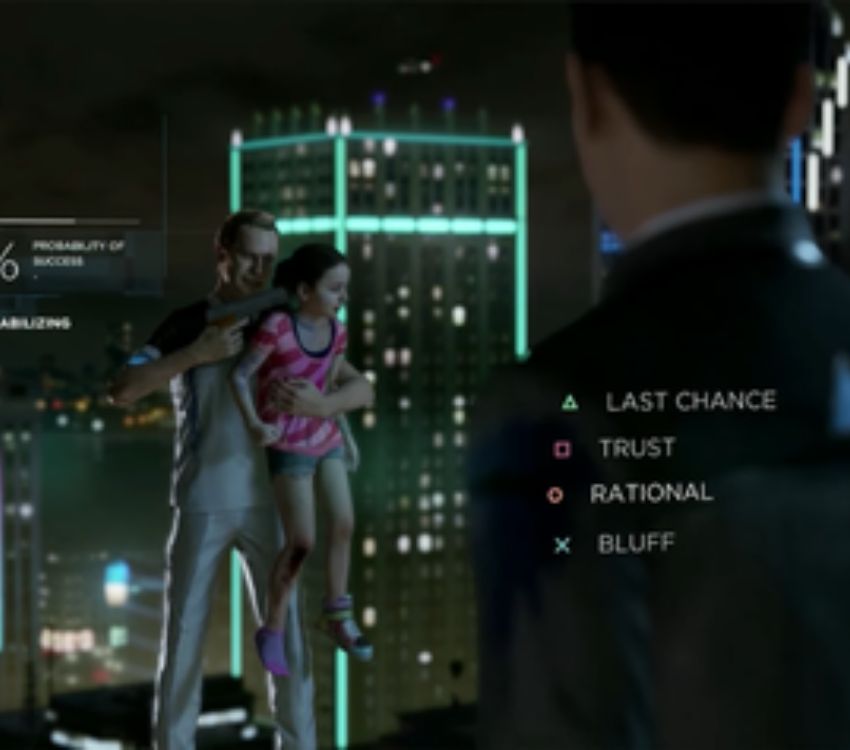
Set in a near-future Detroit where androids serve humanity, Detroit: Become Human follows three playable characters whose stories intersect as tensions between humans and artificial intelligence rise. The game explores themes of freedom, prejudice, identity, and rebellion. Its expansive branching narrative makes it perfect for shared play. Every choice can change the story and determine who lives or dies. The post-chapter flowchart shows different paths, sparking discussion, debate, and replay as small decisions lead to major consequences.
4. Until Dawn

Until Dawn is structured like a classic slasher horror film. A group of friends reunites at a remote mountain lodge, only to find themselves hunted by mysterious forces. The game leans heavily into horror tropes while allowing players to shape the story through choices and quick-time events. This is one of the most entertaining games to play in a group setting. It is easy to rotate the controller between characters, assigning each person someone to protect. The butterfly effect system means every choice can decide who survives. Jump scares, intense chases, and shocking twists make it even more thrilling to experience together.
5. Heavy Rain

A psychological thriller centered around the search for the Origami Killer, Heavy Rain follows multiple protagonists whose lives intertwine during a desperate investigation. At its core is a father willing to endure unimaginable trials to save his kidnapped son. The game’s mature themes and moral ambiguity make it ideal for discussion. Each playable character faces difficult decisions under extreme pressure, and failure is often permanent. Because scenes frequently shift perspectives, it is easy to pass the controller between players. The story’s twists encourage theorizing, speculation, and second-guessing.
6. The Walking Dead (Telltale Series)
Telltale’s The Walking Dead focuses on Lee Everett and a young girl named Clementine as they try to survive in a world overrun by zombies. While the setting is apocalyptic, the heart of the story lies in the relationships between characters and the moral decisions they must make. The episodic format makes this game feel like watching a television series together. Timed dialogue choices create real-time tension in the room, as everyone scrambles to decide what Lee should say or do. Because the story emphasizes emotional consequences rather than action-heavy gameplay, it is accessible even to non-gamers.
7. Firewatch
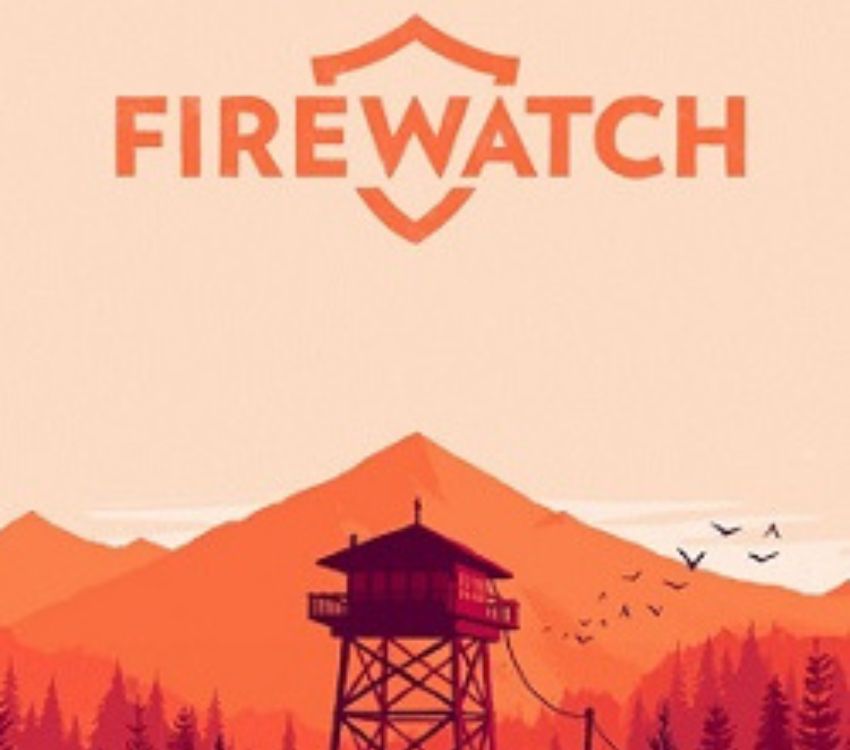
Set in the Wyoming wilderness, Firewatch follows Henry, a man who takes a job as a fire lookout to escape personal struggles. His only consistent contact is Delilah, his supervisor, who communicates with him via radio. As strange events begin to unfold in the forest, a quiet mystery develops. Unlike high-action narratives, Firewatch thrives on atmosphere, dialogue, and emotional nuance. The slower pace makes it perfect for relaxed group sessions. Conversations between Henry and Delilah feel natural and often humorous, leading to discussions about how to shape Henry’s personality through dialogue choices. The game’s themes of isolation and regret.
8. The Dark Pictures Anthology
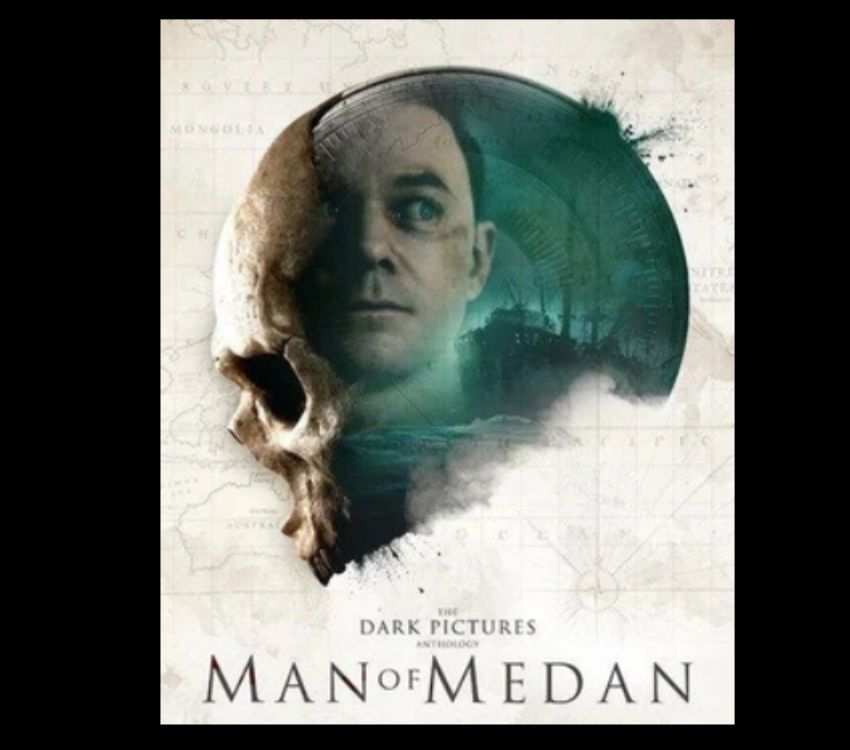
The Dark Pictures Anthology delivers multiple standalone horror stories, each with branching narratives and ensemble casts. Inspired by cinematic horror, each entry offers suspense, supernatural elements, and player-driven outcomes. What sets this series apart is its Movie Night mode, specifically designed for group play. Each participant controls a different character, making everyone directly responsible for their survival. This structure naturally creates tension, especially when one person’s mistake can have deadly consequences for their character. The replayability of each story encourages groups to experiment with different decisions and uncover alternate endings.
9. Oxenfree
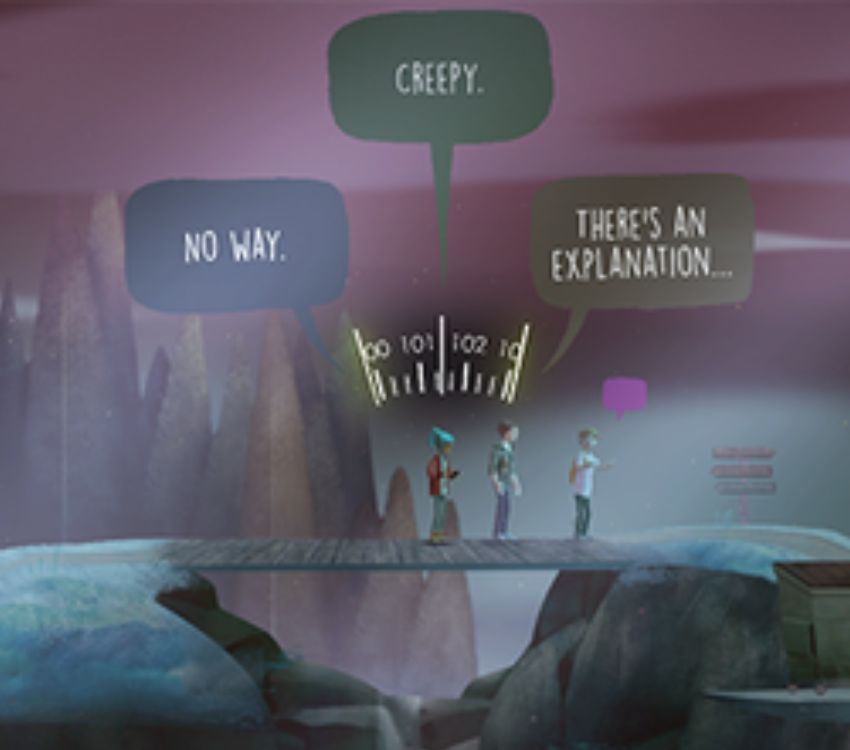
Oxenfree is a supernatural thriller that follows a group of teenagers who accidentally open a ghostly rift on a mysterious island. The game features a unique dialogue system that allows conversations to flow naturally, without pausing for traditional choice menus. This naturalistic approach to storytelling makes it highly engaging for groups. Conversations feel organic, prompting spontaneous reactions and speculation about the unfolding mystery. The relatively short runtime makes it ideal for a single evening session, and its layered narrative rewards discussion about symbolism, character dynamics, and alternate outcomes.