




GalaxyTrail,CC BY-SA 3.0/Wikimedia Commons
Gaming history is filled with genres that once dominated entire eras—styles that shaped how players imagined worlds, solved problems, and interacted with stories. Some of these genres were massive cultural moments, inspiring magazines, fan clubs, and heated playground debates. Others pushed technology in bold, experimental ways that today’s safer, franchise-heavy landscape rarely attempts. As the industry shifted toward 3D graphics, online features, and blockbuster formulas, many once-beloved genres quietly slipped into the background. They didn’t fail; they simply evolved out of the mainstream.
1. FMV Games

Full Motion Video games were a uniquely ’90s experiment where developers combined live-action actors with interactive storytelling. These games leaned heavily on campy performances, dramatic close-ups, and pulpy narratives that felt like playable B-movies. Although the acting was often over-the-top, the novelty of seeing real people respond to your choices made the genre exciting and unpredictable. As graphics improved and storytelling became more cinematic, FMV games lost their technological advantage and faded from mainstream attention. Today, only a handful of indie titles keep the style alive, but the era of big-budget FMV gaming has mostly disappeared.
2. Light Gun Shooters
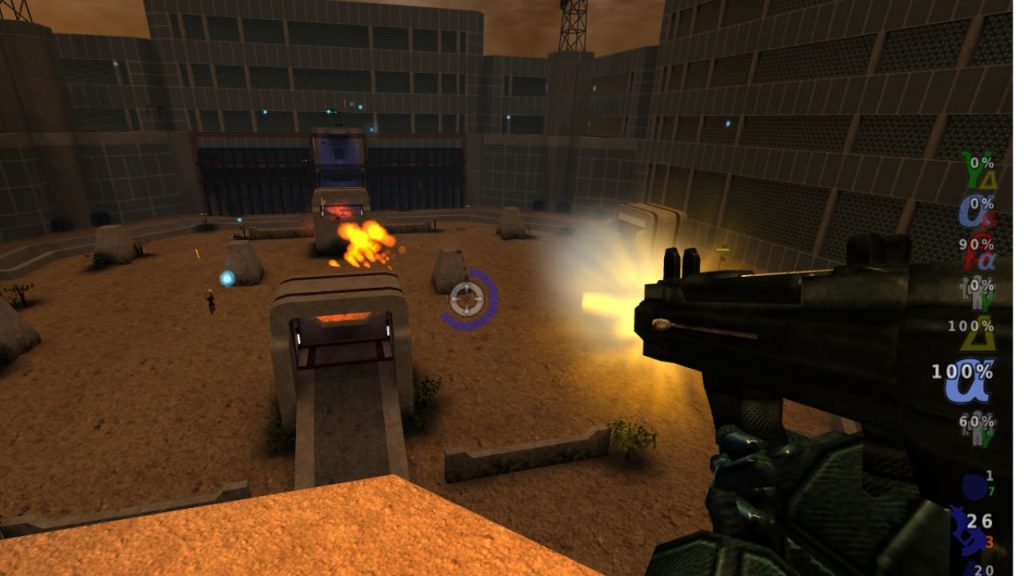
Light gun shooters were once a cornerstone of arcades and living-room gaming. Titles featuring plastic pistols, shotguns, or sci-fi blasters encouraged fast reactions, perfect timing, and thrilling co-op play. These games were social, energetic, and instantly understandable—even beginners could jump in and enjoy the action. However, modern display technology made traditional light guns incompatible, and home consoles stopped producing hardware that supported them. Without specialized equipment, the genre struggled to survive outside arcades. While a few niche options still exist, the golden age of standing in front of a screen is over.
3. Rhythm Tapper Games
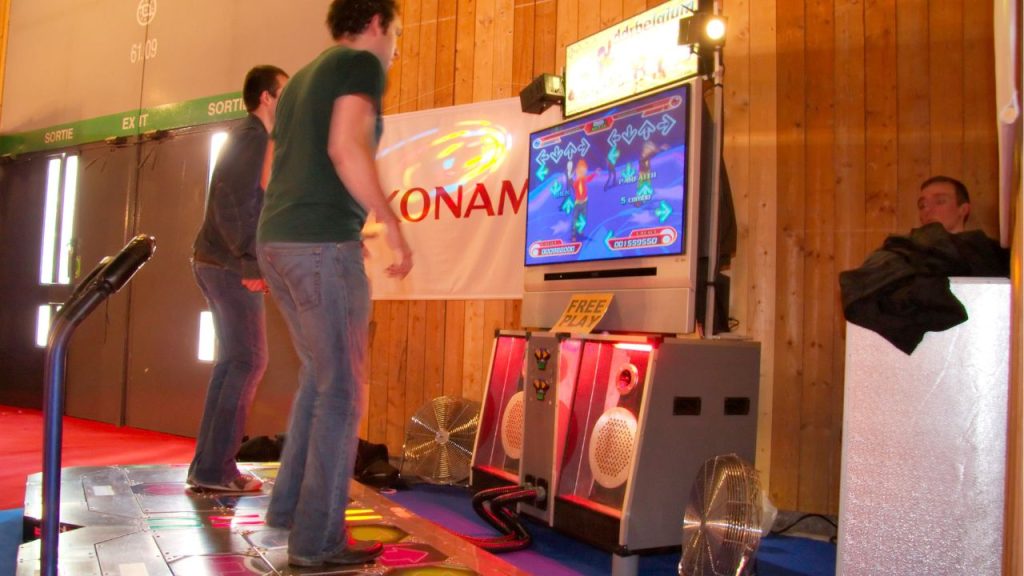
Before online competitive rhythm games took over, simple rhythm tappers—powered by dance mats, drum pads, and plastic guitars—became a cultural phenomenon. They encouraged physical movement, party play, and vibrant musical discovery. These games often brought people together in living rooms, arcades, and even at school events. But once the accessory boom died out and manufacturing costs rose, the genre struggled to justify large production budgets. Today, rhythm games continue in smaller, digital-only forms, but the era of big hardware-driven releases has quietly ended, leaving many fans nostalgic for the days of stomping.
4. Classic Dungeon Crawlers

Old-school dungeon crawlers delivered slow-paced, methodical exploration through grid-based labyrinths filled with traps, puzzles, and unpredictable encounters. They challenged players to map out areas by hand, manage resources carefully, and think several steps ahead. The genre rewarded patience and planning rather than quick reflexes. As RPGs evolved toward action-heavy styles and cinematic storytelling, the classic dungeon-crawling formula became less common. A few dedicated indie developers still embrace it, but the mainstream industry has largely moved on. For many longtime gamers, the deliberate pacing.
5. Vehicle Combat Games
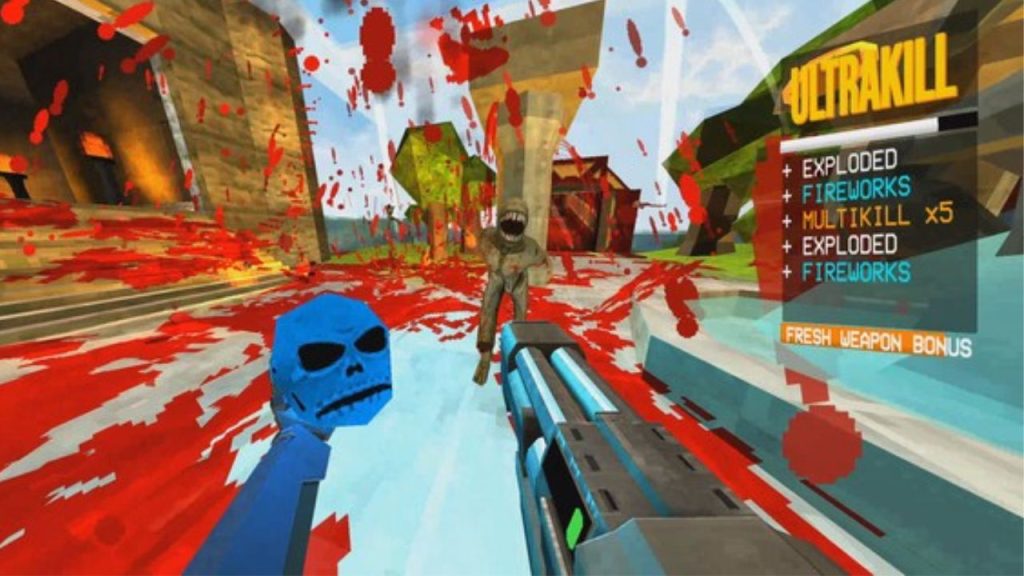
Vehicular combat was once a powerhouse genre filled with chaotic arenas, rocket-powered cars, explosive weapons, and wild physics that made every match unpredictable. Games blended driving skill with strategic weapon use, rewarding players who mastered drifting, dodging, and timing their attacks. These titles offered a unique style of action that couldn’t be replicated by shooters or racing games alone. But as development costs rose and genres like first-person shooters and open-world games took over, publishers shifted resources away from vehicle combat. Without consistent investment, the genre slowly faded into cult-classic status. Many players still remember the adrenaline rush of battling it out in fully armed vehicles—a feeling modern gaming rarely provides anymore.
6. Traditional Point-and-Click Adventures
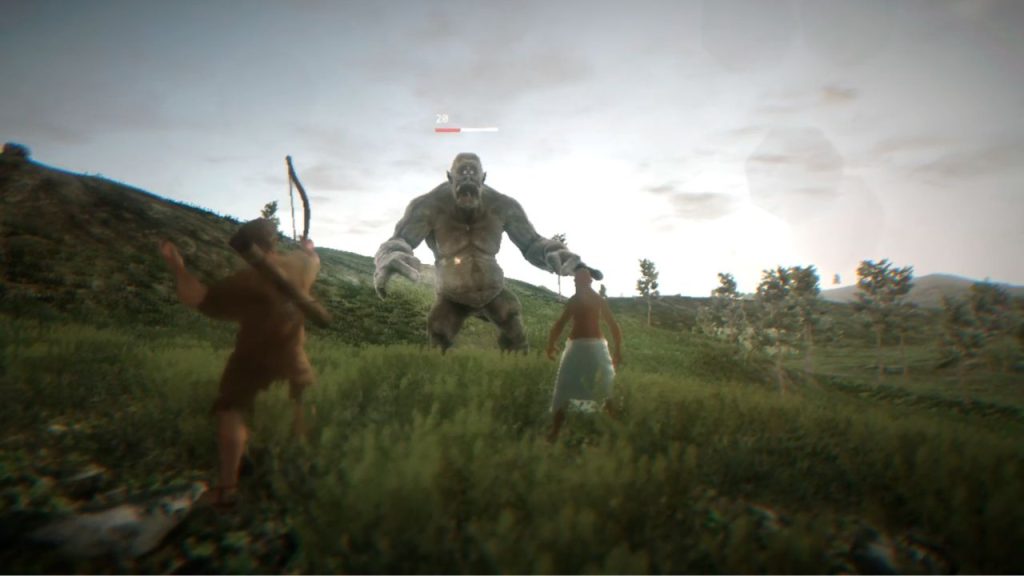
Point-and-click adventures were once a defining form of storytelling in gaming, featuring charming hand-drawn backgrounds, clever dialogue, quirky characters, and inventive puzzle design. These games encouraged slow, thoughtful progression where players gathered items, inspected scenes, and pieced together logical solutions. The focus was never on reflexes—it was on curiosity and narrative. As gaming moved toward fast-paced action and cinematic cutscenes, the deliberate structure of point-and-click adventures became harder to market to mainstream audiences. Though indie studios have kept the spirit alive, the genre’s presence in major releases has nearly vanished. Still, its legacy of imaginative stories and brain-teasing puzzles remains deeply influential
7. Isometric Strategy RPGs
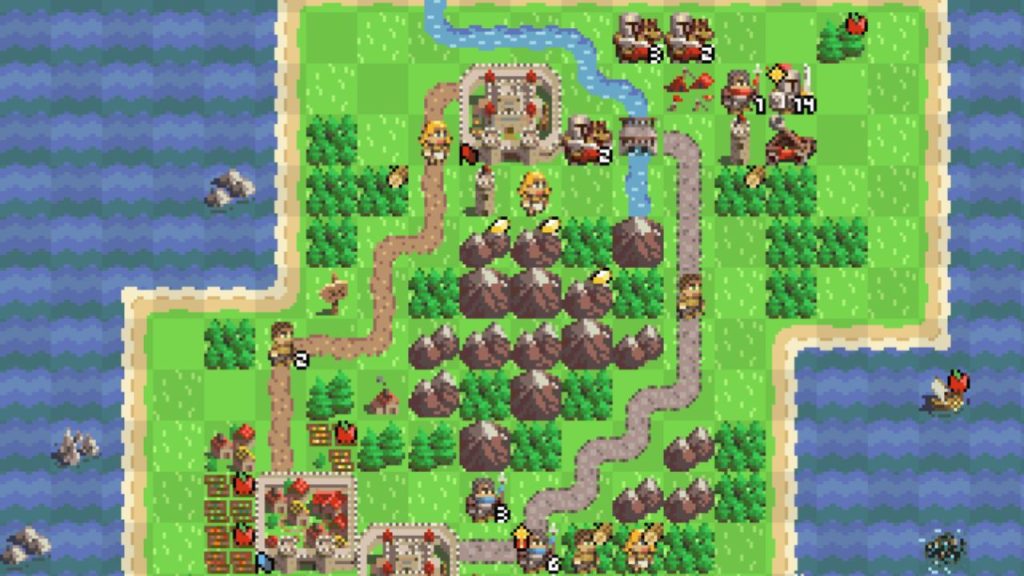
Isometric SRPGs offered deep, tactical gameplay built on grid-based positioning, turn-by-turn planning, and tight resource management. Their angled viewpoint gave players a clear, readable view of the battlefield while maintaining a stylized artistic charm. These games demanded careful thinking and rewarded players who understood team synergy, terrain advantages, and long-term character development. As 3D engines became the industry standard, the isometric presentation that defined the genre fell out of fashion. While strategy RPGs still exist, the classic visual style—and the slower, more deliberate pacing that came with it has grown increasingly rare. Many fans miss the thoughtful, chess-like combat these titles excelled at.
8. Arena Brawlers
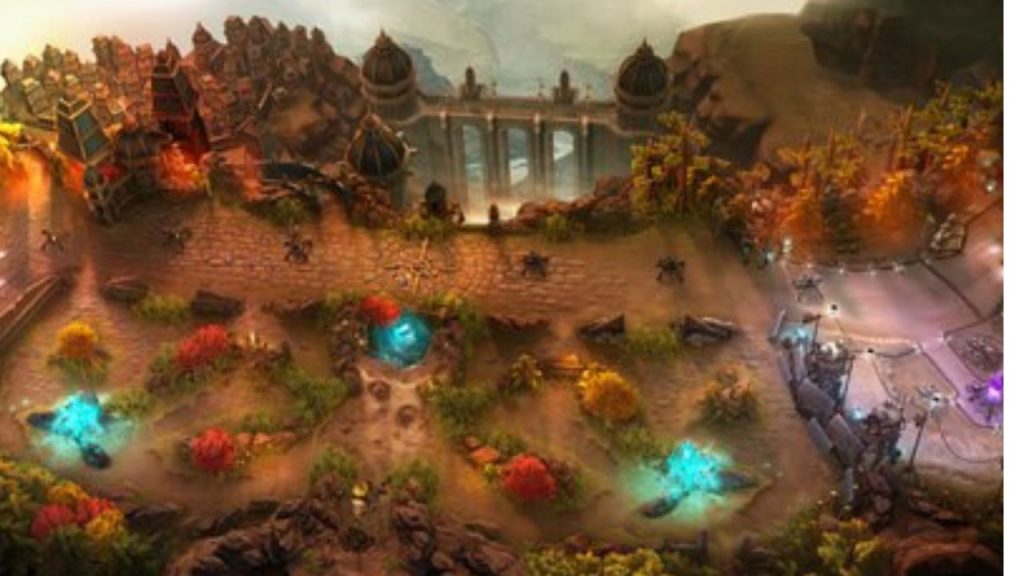
Arena brawlers once dominated arcades and early consoles with their straightforward, highly repeatable action. You chose a character, entered a confined arena, and battled opponents in fast, close-quarters combat. The simplicity of the formula made the games instantly accessible, yet mastering movement, spacing, and timing required real skill. As multiplayer tastes shifted toward shooters, MOBAs, and battle royale formats, arena brawlers struggled to maintain relevance. Their pick-up-and-play charm was overshadowed by more complex progression systems and larger-scale competitive experiences. Still, the genre’s raw, kinetic fun remains unmatched for players who remember gathering friends for frantic, no-nonsense brawling.
9. Space Dogfighting Sims
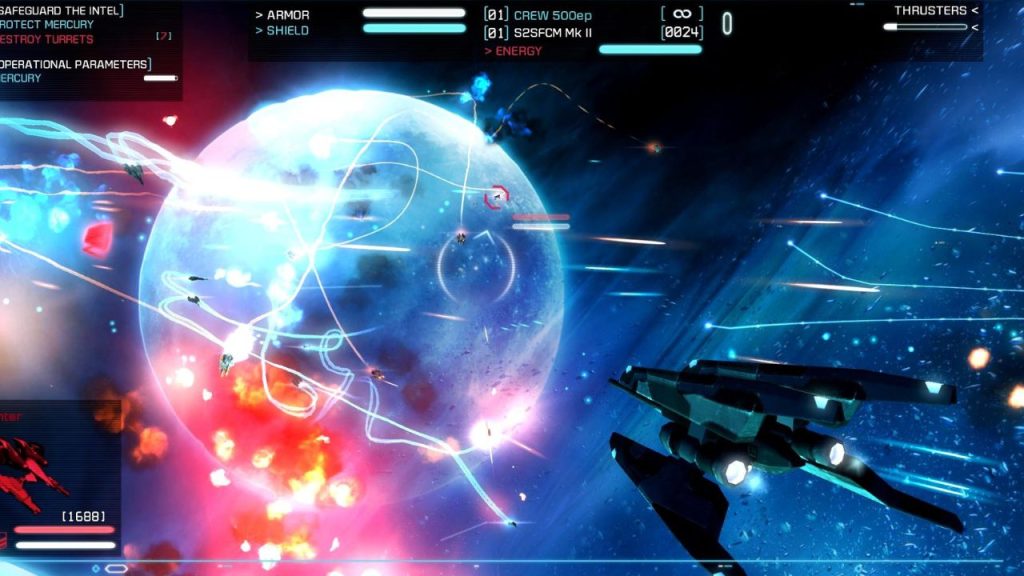
Space combat simulations once represented the cutting edge of PC gaming, offering cockpit views, asteroid-filled battlefields, mission-based campaigns, and immersive flight mechanics. Players learned to manage shields, throttle controls, weapon loadouts, and targeting systems while engaging in intense dogfights. These games blended strategy with adrenaline, giving players the thrill of navigating zero-gravity battle scenarios. As development shifted toward open-world games and cinematic blockbusters, space dogfighting sims demanded too much complexity and too niche a market for big studios to sustain. While a few modern titles attempt revivals.
10. Pure Text Adventures
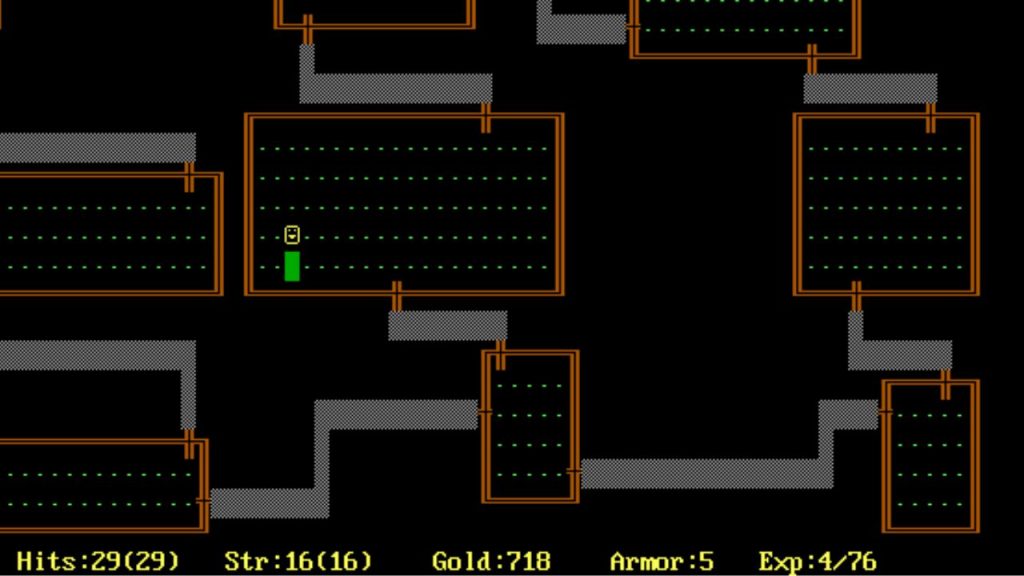
Before graphics became the norm, text adventures defined interactive storytelling. Players typed commands, examined descriptions, imagined environments, and navigated richly written worlds using nothing but language and imagination. These games encouraged creativity, attention to detail, and problem-solving through careful reading. As visual fidelity improved, text-only experiences naturally drifted into niche territory, overshadowed by more accessible, visually driven genres. While some hobbyists and indie creators still develop them, pure text adventures have largely disappeared from mainstream gaming. Yet their focus is on narrative depth and literary detail.