




In a market dominated by AAA marketing campaigns and massive development teams, indie creators continue to prove that originality and dedication can outshine financial power. These games didn’t rely on flashy advertisements or celebrity endorsements to gain traction. Instead, they earned attention through strong gameplay loops, memorable storytelling, and communities that genuinely believed in their vision. Many launched quietly, building momentum through word of mouth, player reviews, and online discussions. Over time, passionate fans became their biggest promoters, helping these titles grow organically across platforms and social media. Here are eight indie games that built loyal fanbases without blockbuster budgets.
1. Undertale
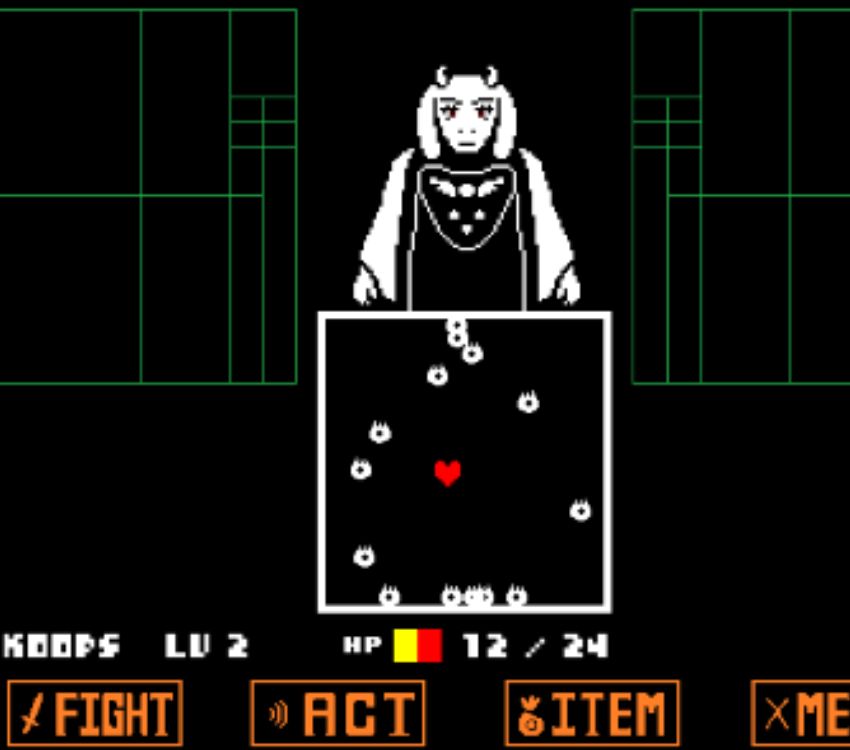
Undertale captured hearts through its unconventional design and emotional storytelling. Developed largely by a single creator, it challenged traditional RPG combat by allowing players to spare enemies instead of defeating them. The writing, humor, and unforgettable soundtrack created deeply personal moments that resonated with a wide audience. Its branching narrative encouraged multiple playthroughs, with choices significantly impacting outcomes and character arcs. Over time, the community produced artwork, remixes, fan games, and detailed theory discussions that extended the game’s cultural reach far beyond its modest development scale and budget.
2. Stardew Valley
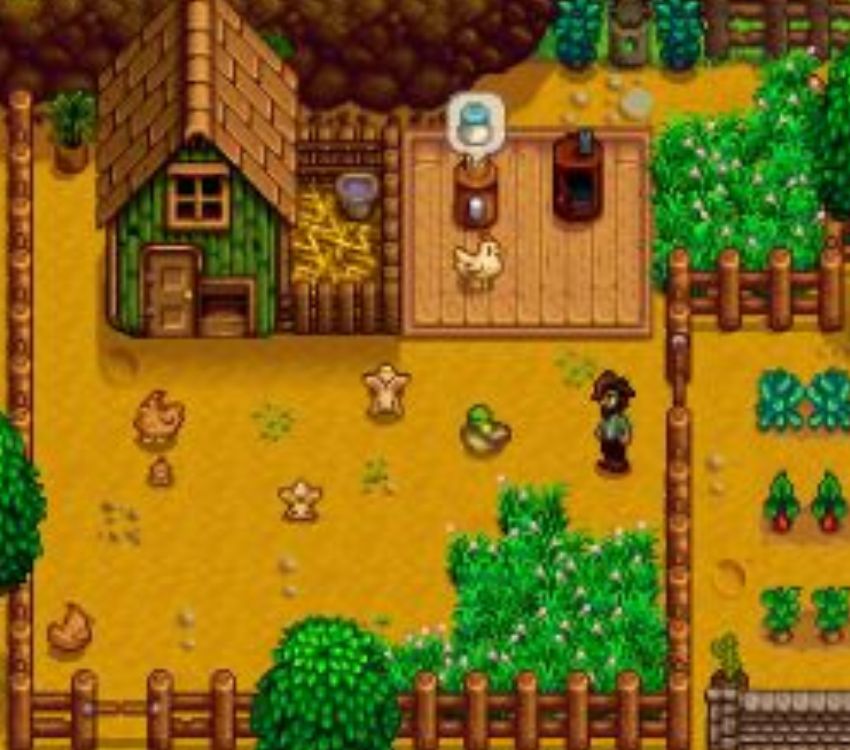
Stardew Valley demonstrated how a heartfelt project can rival big-budget franchises. Built almost entirely by one developer, it offered farming, fishing, mining, crafting, and relationship-building systems layered with surprising depth and freedom. Players formed emotional attachments to its charming town, seasonal events, and memorable characters. Consistent post-launch updates introduced new content, quality-of-life improvements, and multiplayer support that strengthened long-term engagement. The active modding community further expanded gameplay possibilities, adding custom crops, quests, and mechanics, ensuring the game remained relevant, flexible, and endlessly replayable years after its release.
3. Hollow Knight
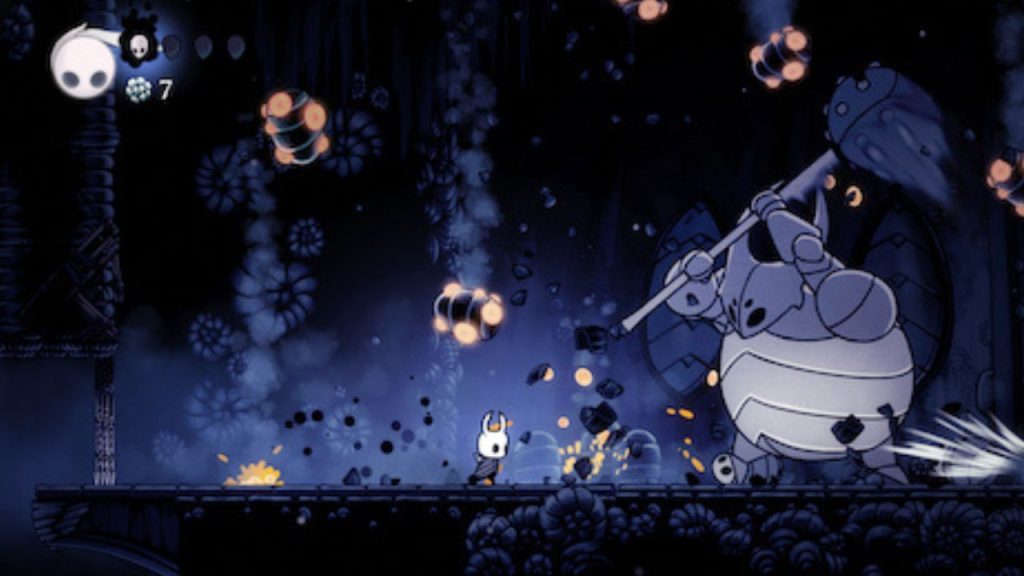
Hollow Knight earned admiration through its atmospheric world and challenging gameplay. Its beautifully hand-drawn environments and haunting soundtrack created a powerful sense of mystery and immersion. The interconnected map rewarded exploration, encouraging players to uncover hidden lore, secret bosses, and optional challenges scattered throughout the kingdom. Tight combat mechanics and demanding platforming pushed players to refine their skills. Despite minimal marketing, strong critical reception, and word-of-mouth propelled its popularity. Dedicated fans continue to replay it, speedrun it, analyze its lore, and eagerly await future expansions and sequels.
4. Celeste
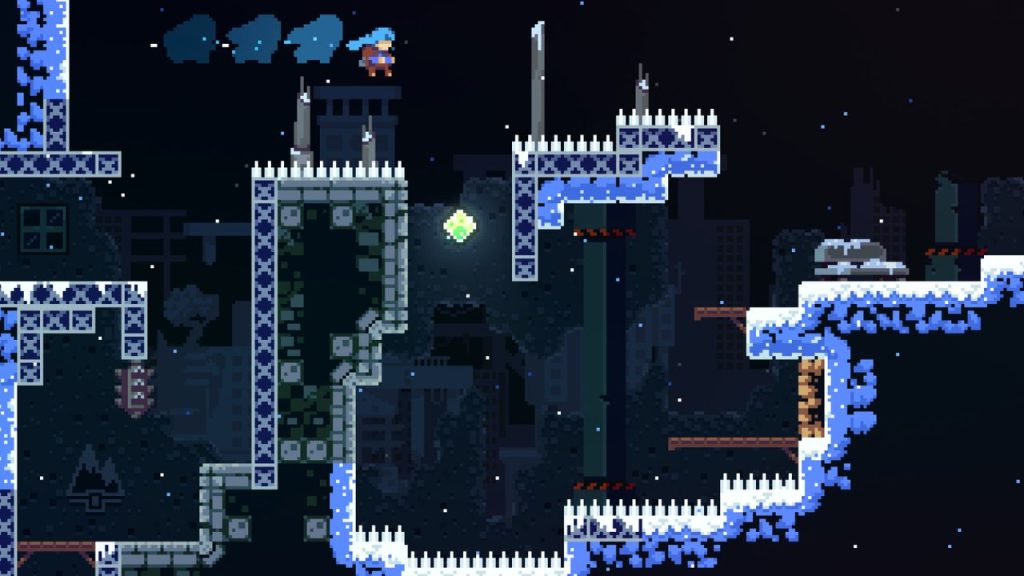
Celeste gained recognition not only for its precise platforming but also for its emotional narrative. The story explored themes of anxiety, perseverance, and self-doubt, resonating deeply with players facing personal challenges. While the gameplay was demanding and required sharp timing, thoughtful accessibility options ensured that a broader audience could fully experience it. Its supportive community celebrated difficult accomplishments and shared detailed speedrunning strategies. The game’s meaningful message, memorable soundtrack, and tightly crafted level design built a devoted following that extends well beyond traditional platformer fans.
5. Terraria
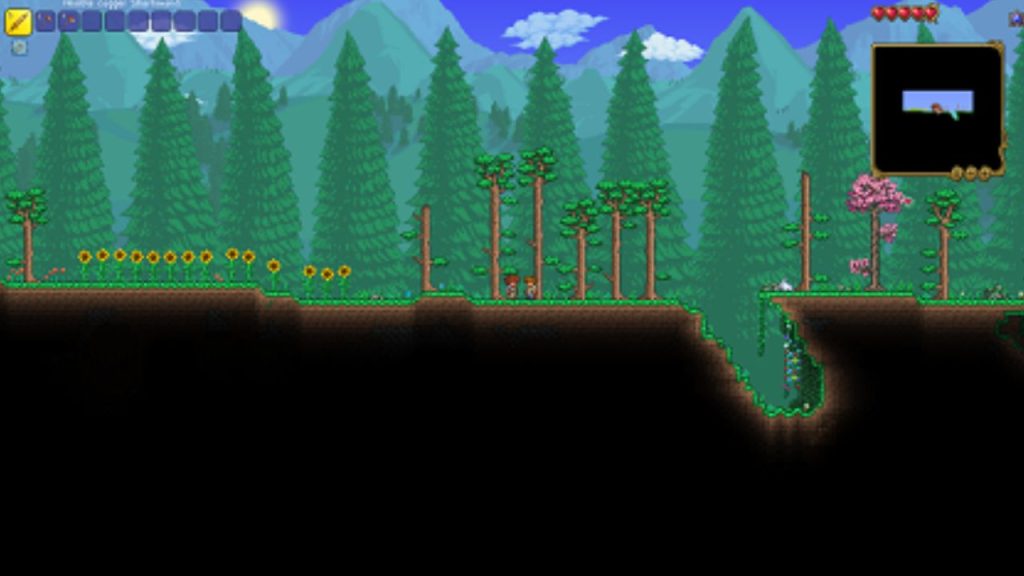
Terraria steadily evolved from a modest sandbox project into a genre staple. Its crafting systems, hidden secrets, and challenging boss encounters kept players engaged for hundreds of hours across multiple playthroughs. Continuous content updates over more than a decade showed remarkable developer commitment and passion for the community. Multiplayer features encouraged cooperative creativity and large-scale building projects, while extensive mod support deepened customization even further. Seasonal events and new item additions kept gameplay feeling fresh. The game’s longevity is largely fueled by a loyal community that continues to return for new adventures and shared experiences.
6. Dead Cells
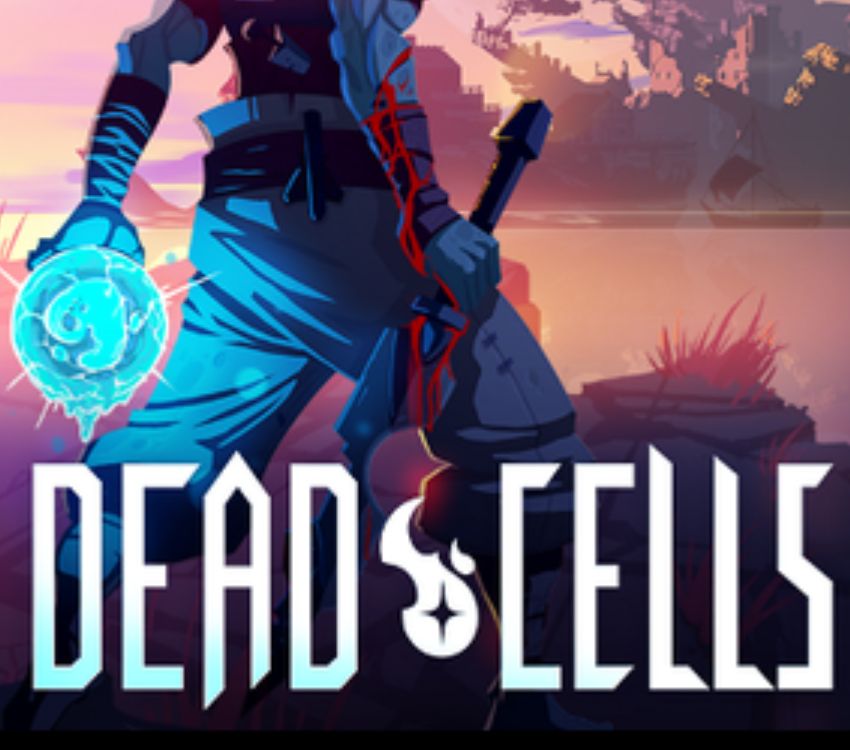
Dead Cells combined fluid combat with roguelike progression to create an addictive gameplay loop that keeps players coming back for more. Each run offered new weapon combinations, mutations, and build paths, encouraging constant experimentation and adaptation. The responsive controls, tight movement, and polished animations stood out despite its indie origins. Developers supported the game with frequent expansions, new biomes, and balance tweaks, keeping the experience fresh. Its active speedrunning scene, challenge modes, and competitive community further strengthened its long-term appeal and replay value.
7. Among Us
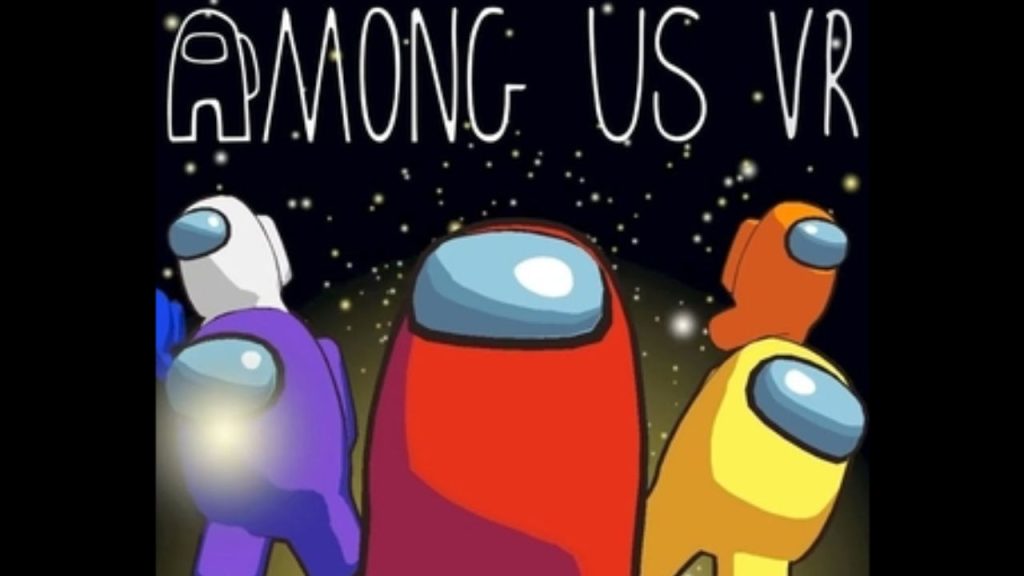
Among Us is one of the clearest examples of organic indie success. Initially overlooked, it gained massive momentum years later through streamers and online creators who showcased its chaotic multiplayer moments. Its simple social deduction mechanics created hilarious yet tense interactions, where trust and deception determined victory. As popularity surged, the developers responded with new maps, cosmetic options, and gameplay roles to deepen strategy. The community-driven nature of the game turned it into a cultural phenomenon, proving that strong player engagement can replace traditional marketing campaigns entirely.
8. Slay the Spire
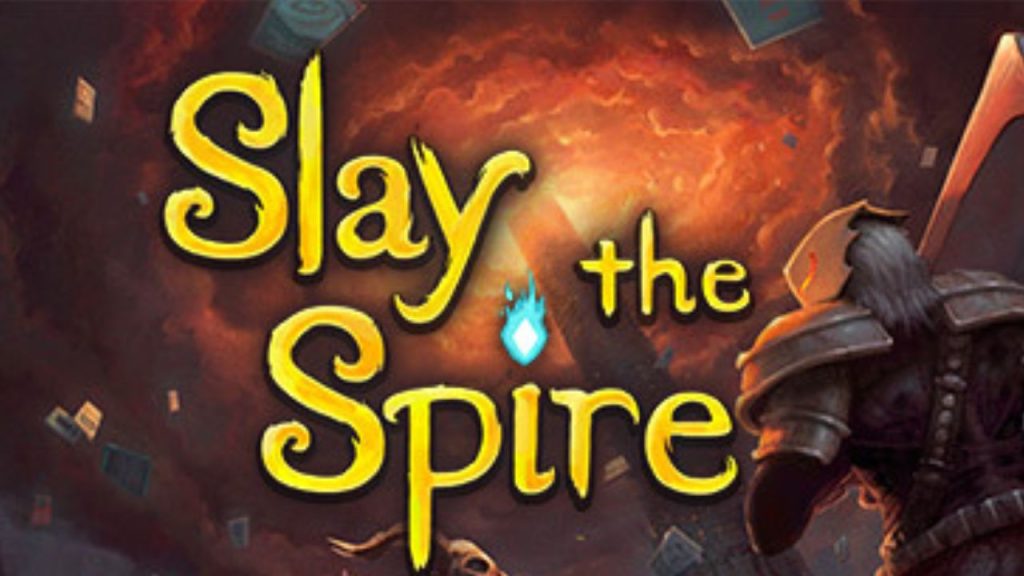
Slay the Spire carved out a niche audience through strategic depth and replayability. Blending deck-building with roguelike structure, it offered countless card combinations, relic synergies, and evolving strategies. Early access feedback shaped balance changes, strengthening player trust and community involvement. Each run felt different, encouraging long-term experimentation and creative builds. The game rewards careful planning, risk assessment, and smart resource management over quick reactions. Despite limited promotion, it became a cornerstone of the indie strategy genre and inspired numerous similar titles that followed its formula.