




The live-service era has transformed how games are built and maintained. Instead of delivering a finished product and moving on, developers now treat games as evolving platforms designed to grow over time. Through structured seasons, annual expansions, and large-scale updates, these titles continue to expand years after release, often reshaping their core systems based on player feedback and community trends. Seasonal updates typically bring new gameplay systems, cosmetic rewards, story content, limited-time events, balance adjustments, and competitive refreshes that keep players invested long term while strengthening community engagement. This consistent flow of content not only extends a game’s lifespan but also builds anticipation and encourages returning players.
1. Valorant
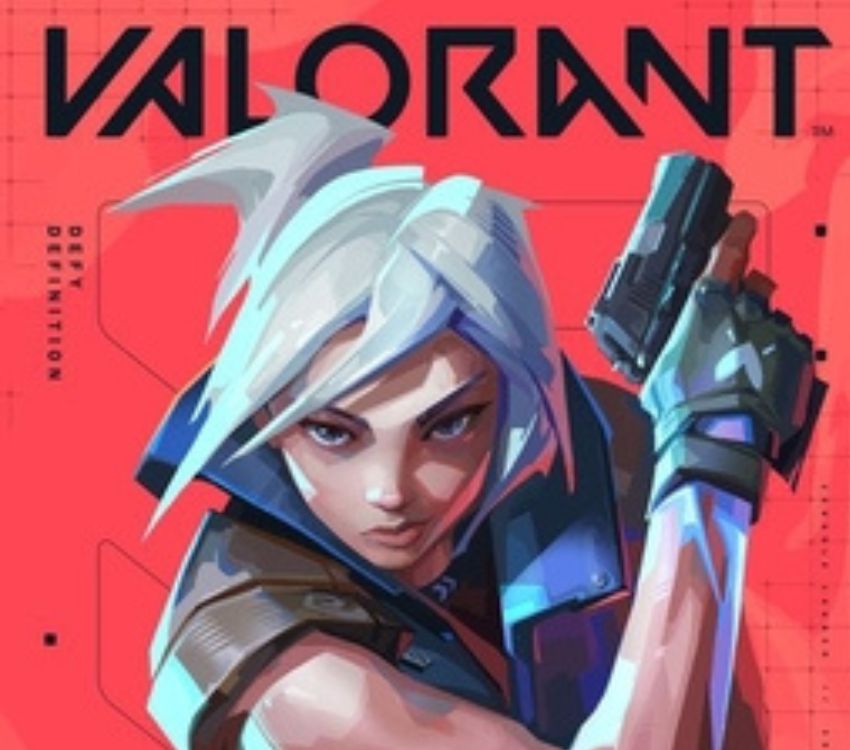
Riot Games structures Valorant around Episodes and Acts, which function as seasonal cycles. Each new Act typically introduces a new agent or map, along with weapon skin bundles and a refreshed battle pass filled with cosmetic rewards and progression incentives. Competitive players benefit from ranked resets that encourage climbing the ladder again. Balance patches are a major part of each season. Riot frequently adjusts agents’ abilities, weapon performance, and map layouts to maintain fairness and strategic diversity across all skill levels. Seasonal cinematic trailers, lore updates.
2. Minecraft
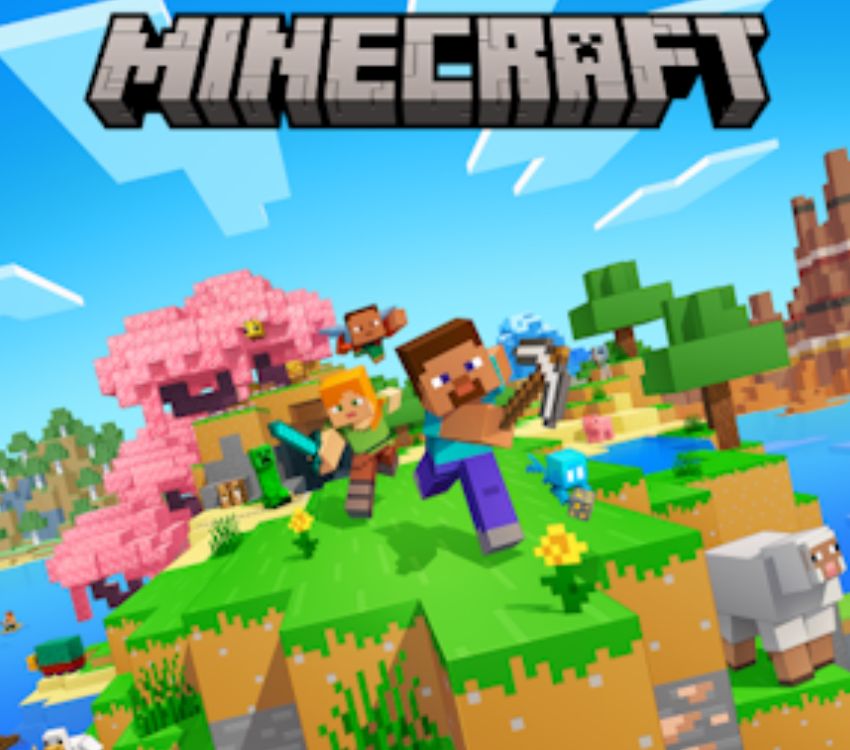
Although Minecraft doesn’t use a traditional battle pass system, its large-scale updates feel seasonal in impact and community excitement. Major updates have introduced new biomes, mobs, underground cave systems, archaeology features, and entirely new world-generation mechanics that dramatically alter exploration. These updates significantly change how players explore, survive, and build. Because the game encourages creativity and modding, even small additions like new block types, redstone mechanics, or crafting systems can inspire entirely new survival strategies and massive community-building projects.
3. Rocket League

Rocket League adopted a seasonal structure that includes competitive resets, themed arenas, and cosmetic battle passes packed with unlockable rewards. Each season introduces new car bodies, goal explosions, decals, limited-time modes, and seasonal challenges that refresh the overall experience and reward consistent participation. Beyond cosmetics, developer Psyonix regularly adjusts gameplay balance, tournament features, and matchmaking systems to improve competitive integrity and maintain a fair skill-based environment. Crossovers with music artists and entertainment franchises add additional excitement, keeping it casual.
4. Dead by Daylight
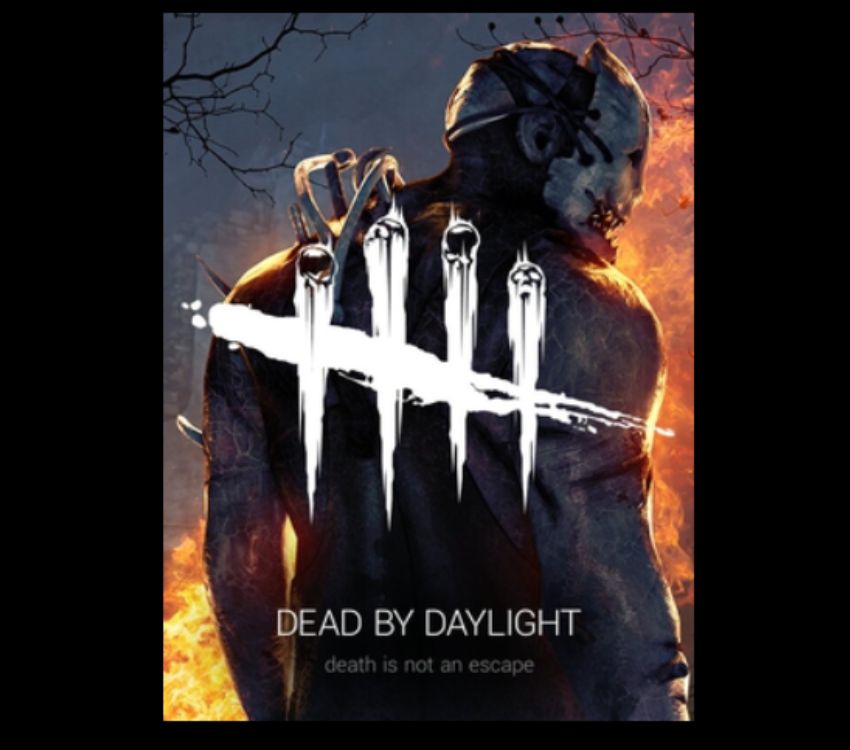
Behaviour Interactive keeps Dead by Daylight alive through frequent Chapters. Each Chapter adds a new killer, survivor, and often a map inspired by horror themes or iconic franchises, expanding the game’s growing horror universe and deepening its asymmetrical multiplayer experience with fresh mechanics and abilities. Seasonal events, particularly Halloween and anniversary celebrations, introduce limited-time gameplay modifiers, themed challenges, and exclusive cosmetics that encourage players to return regularly. Continuous balance changes, perk reworks, and gameplay adjustments also reshape strategies on both sides, ensuring the meta remains unpredictable and tense.
5. No Man’s Sky
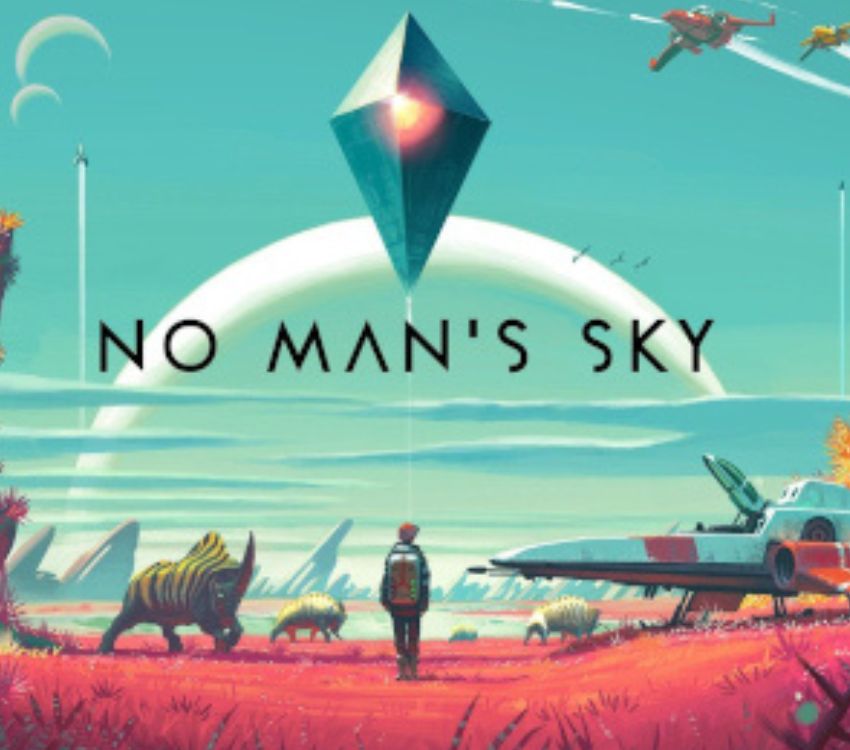
Originally launched with limited features, No Man’s Sky has become a model for long-term support and redemption in gaming. Through free updates like NEXT, Beyond, and Echoes, the game added multiplayer systems, base-building tools, improved combat, living ships, new storylines, and planetary variety. Expeditions function almost like seasons, offering time-limited progression paths with exclusive cosmetic and gameplay rewards. Each update significantly expands exploration depth, encouraging both new players and veterans to rediscover its evolving universe.
6. Warframe
Digital Extremes has built Warframe into one of the deepest live-service games available. Seasonal-style updates introduce new Warframes, cinematic story quests, open-world zones, weapon types, factions, and evolving combat systems that constantly expand build variety and cooperative play options for dedicated squads. Major expansions deliver narrative arcs that rival full standalone releases in scope and emotional impact. The developers frequently rework older missions, visuals, enemy AI, and progression systems to modernize content, ensuring long-term players always have meaningful goals to pursue while also making the experience more accessible for newcomers
7. The Elder Scrolls Online
Each year, The Elder Scrolls Online introduces a new Chapter expansion that adds massive regions, fully voiced main storylines, dungeons, trials, and gameplay features that expand Tamriel’s lore while introducing new characters, factions, and exploration mechanics that deepen immersion. Seasonal DLC packs throughout the year further introduce smaller narrative arcs, world events, and cooperative challenges designed for group play. System updates, class adjustments, combat balancing, and quality-of-life improvements ensure both new adventurers and veteran MMO players stay invested, with fresh progression paths and evolving endgame activities to pursue.
8. Fall, Guys
Fall Guys refreshes itself with themed seasons that introduce colorful obstacle courses, inventive stage variations, and cosmetic rewards tied to seasonal battle passes that encourage ongoing progression. Each update enhances the chaotic party atmosphere while adding new twists to familiar mini-games and competitive rounds. Seasonal collaborations with major brands and franchises add recognizable costumes, limited-time events, and crossover challenges that attract a broader audience. Community-built maps and creative tools further expand the rotation, giving players a steady stream of unpredictable challenges and keeping matchmaking fresh and dynamic throughout each season.
9. Path of Exile
Every few months, Path of Exile launches a new league, effectively its version of a season. Each league introduces a unique gameplay mechanic, new bosses, crafting systems, expanded endgame challenges, and exclusive rewards that significantly alter progression paths and risk-reward strategies. Leagues reset the in-game economy, encouraging players to experiment with fresh character builds, class combinations, and advanced theorycrafting strategies. Large-scale balance updates frequently overhaul skill gems, ascendancy classes, and item systems, dramatically shifting the meta and keeping the competitive community constantly adapting to new possibilities.
10. Halo Infinite
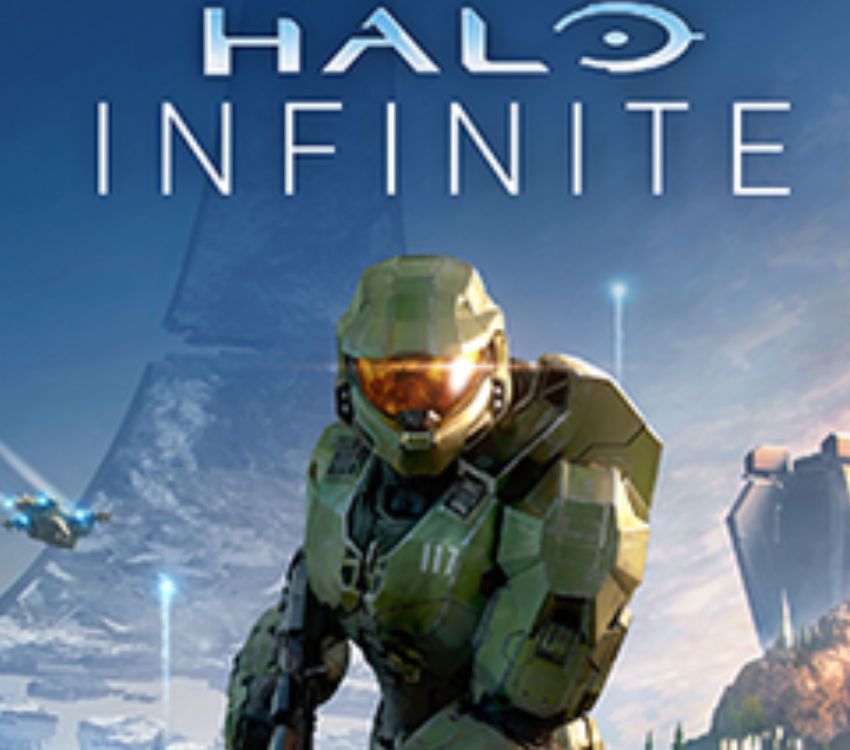
Halo Infinite operates under a seasonal multiplayer model that introduces new maps, modes, battle passes, narrative-themed events, and rotating limited-time challenges that reward consistent play. Regular content drops aim to maintain long-term engagement while expanding customization options and multiplayer variety. Forge mode enhancements have empowered players to design highly detailed custom maps, game types, and community-driven experiences that extend replayability. Competitive updates, ranked resets, playlist rotations, and sandbox balance changes continue refining the classic Halo formula while adapting it for modern multiplayer expectations.
11. Phasmophobia
Kinetic Games continues to expand Phasmophobia with new ghost types, investigation equipment, maps, and difficulty adjustments that deepen the cooperative horror experience and encourage more strategic communication between teammates. Major updates often rework core progression systems, shop mechanics, and leveling structures to create a more rewarding and balanced long-term experience. Seasonal Halloween updates add new environmental effects, themed contracts, temporary challenges, and gameplay modifiers that heighten immersion. Frequent system reworks refine ghost AI behavior and evidence-gathering mechanics.