

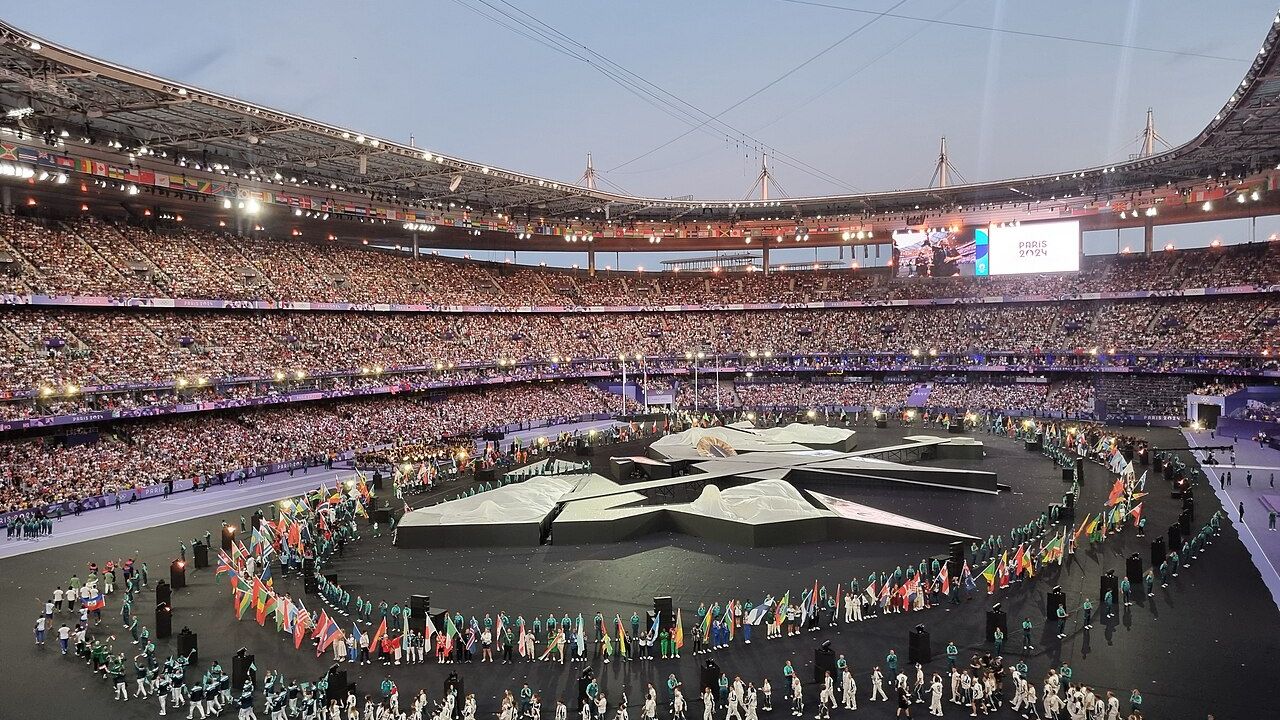

The final days of Milano Cortina 2026 did more than deliver drama. They directly shaped how the medal table finished.
The final medal standings show Norway finishing first with 18 golds and 41 total medals. The United States finished second with 12 golds and 33 total medals, while Germany and France both ended on 8 golds, with Germany ahead on silvers.
That is the key point for this topic. Late performances not only change rankings by moving a team up or down, but they can also widen a lead, secure a tie-break edge, or lock in a position.
Late Results at the Top
The final events had a direct impact on the top of the medal table. These performances either changed major positions or widened the gap between leading nations.
U.S. Hockey Gold Changed the Top Tier
Reuters reported that the United States beat Canada 2–1 in overtime in the men’s hockey final. Jack Hughes scored the winner 1:41 into overtime, giving the U.S. its first Olympic men’s hockey gold since 1980.
That result mattered to the standings because the U.S. finished with 12 golds, which placed it second in the final medal table. Reuters’ medal table shows the U.S. ahead of the Netherlands and Italy, both of which finished on 10 golds.
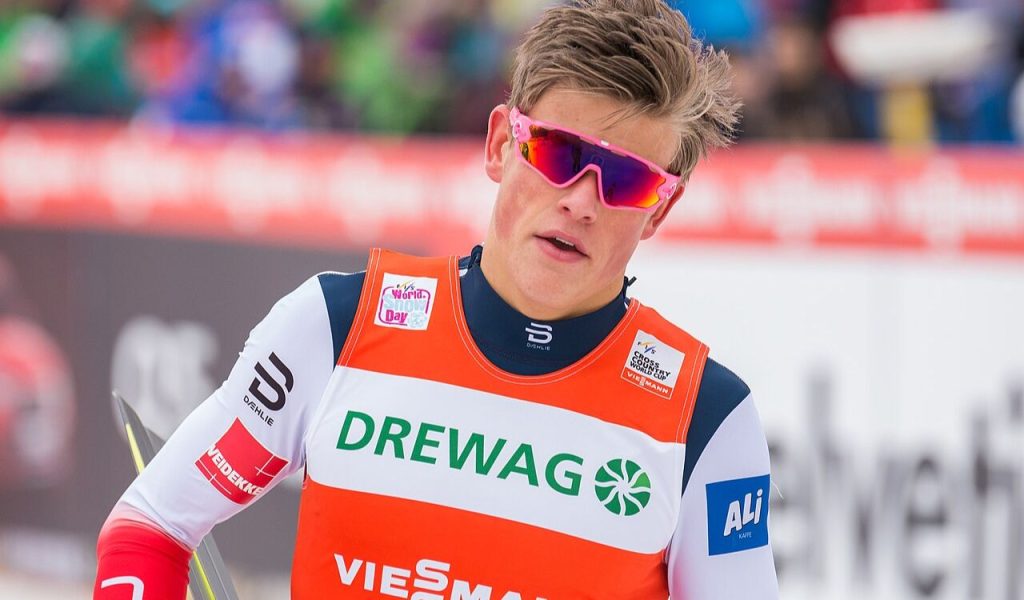
Klæbo’s 50km Win Extended Norway’s Lead
Reuters reported that Johannes Høsflot Klæbo won the men’s 50km classic and claimed his sixth gold of the Games. That broke the record for most gold medals at a single Winter Olympics.
Klæbo’s late win also fed into Norway’s final dominance. The final table shows Norway ending with 18 golds, the highest total of the Games.
Late Shifts in Mid-Table
The middle of the standings was tightly contested, so late medals carried extra weight. A single gold or silver could decide the rank order, especially when countries finished level on gold.
Germany’s Bobsleigh Win Edged France
Reuters reported that Germany’s Johannes Lochner won the Olympic four-man bobsleigh on the final day. Reuters also noted that Germany took silver in the same event through Francesco Friedrich.
That result mattered because the final medal table shows Germany and France both with 8 golds. Germany finished ahead because it had 10 silvers compared with France’s 9.
Sweden’s Curling Gold Added a Late Boost
Reuters reported that Anna Hasselborg’s Sweden beat Switzerland 6–5 in the women’s curling final. It was a tight final and a high-value late gold in a crowded medal-table zone.
That win strengthened Sweden’s closing push in the standings.
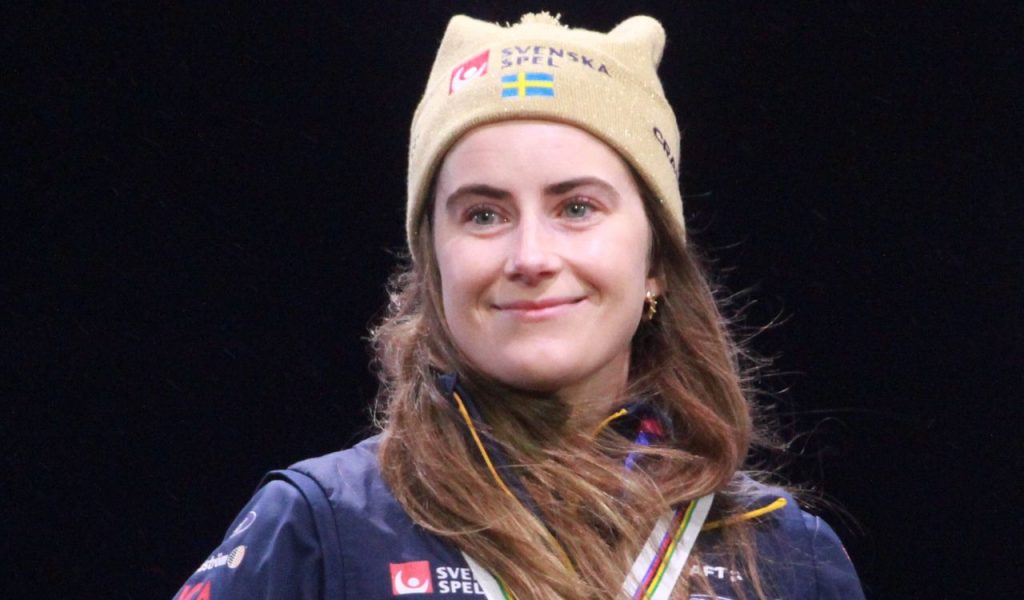
Andersson’s 50km Gold Strengthened Sweden
Reuters also reported that Sweden’s Ebba Andersson won the women’s 50km classic on the event’s Olympic debut. The report also noted it was another major late Swedish result on the final weekend.
When combined with Sweden’s curling gold, this gave Sweden a major late boost. The final standings show Sweden finishing with 8 golds (18 total medals), reinforcing a strong finish just behind Germany and France on tie-breaks.
Late Golds That Strengthened Finishes
Not every late goal caused a dramatic jump in rank, but several still shaped the final table. These results helped countries protect their position, improve totals, and finish stronger overall.
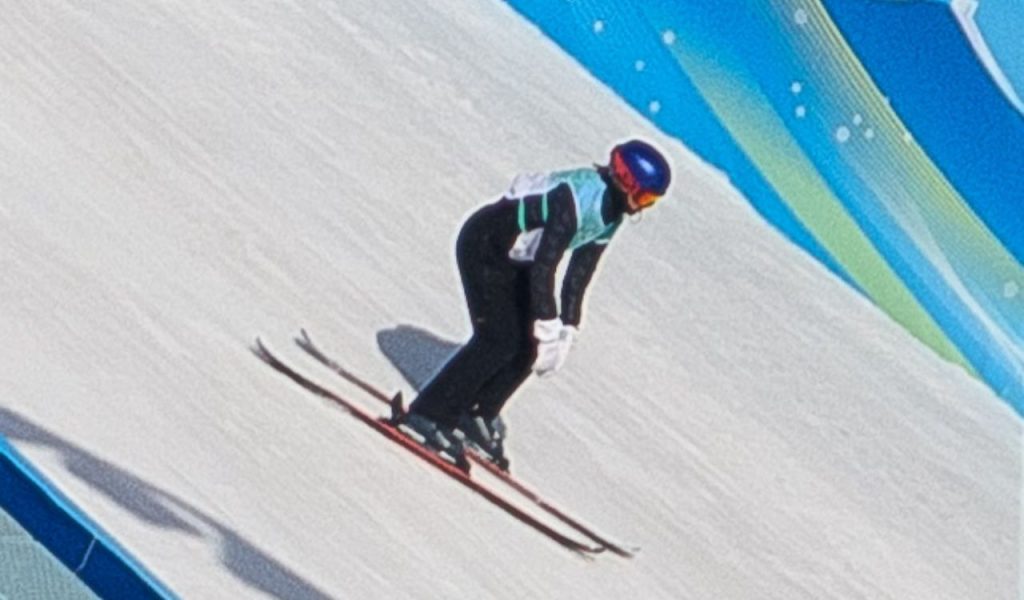
Eileen Gu’s Gold Boosted China’s Total
Reuters reported that China’s Eileen Gu successfully defended her women’s halfpipe title on February 22. Reuters also reported she scored 94.75, and the win gave her a record sixth Olympic freestyle skiing medal.
That win helped define China’s final medal profile. Reuters’ final medal table shows the People’s Republic of China finishing with 5 gold, 4 silver, and 6 bronze (15 total).
What Late Performances Really Changed
The standings story is not only about who finishes first. It is also about who secures second place, wins tie-breakers, and avoids slipping in the final hours.
Milano Cortina 2026 is a clear example of that pattern. U.S. hockey affected the top tier, Klæbo widened Norway’s lead, Germany’s bobsleigh result helped in a same-gold race with France, and Sweden’s curling and cross-country wins strengthened Sweden’s final finish.