



The Milano‑Cortina Winter Games delivered far more unpredictability than many analysts expected in the lead-up to the event.
Pre-Games projections suggested a familiar medal table order, shaped by the usual winter sport giants and strong returning champions.
But as the competitions unfolded, unexpected athletes, breakthrough nations, and shifting competitive dynamics reshaped the final medal standings.
These surprises highlighted how quickly the global landscape of winter sports is evolving, and why the Olympics remain one of the most unpredictable spectacles in world athletics.
Host Nation Momentum Changes the Medal Race

Competing on home soil gave Italy more than just enthusiastic stadium crowds—it provided emotional momentum, strategic familiarity, and a performance environment tailored to its strengths.
Athletes often speak of the unique lift they feel when competing in front of home fans, and this psychological advantage became one of the defining stories at the Games.
Italy exceeded conservative medal projections, delivering results that reflected long-term investment and strong national preparation.
Stronger Depth in Alpine Skiing
Alpine skiing has always been a point of national pride for Italy, especially with the heritage of Cortina d’Ampezzo as a world-class venue.
This year, however, Italy expanded beyond individual star power and showcased impressive lineup depth across downhill, slalom, super-G, and combined events.
Multiple skiers delivered top-five finishes, and several reached the podium despite tight racing conditions and stiff global competition.
The ability to produce consistent, multi-athlete results marked a significant step forward for Italy’s alpine program.
Speed Skating Breakthrough Performances
Italy’s strong showing extended onto the ice, with speed skaters delivering performances that caught many commentators off guard.
Improved technical precision, optimized aerodynamics, and specialized training methods helped Italian skaters close the gap with traditional leaders.
Many races involved photo finishes, and Italy’s ability to hold steady under pressure converted those moments into valuable medals.
The rise in speed skating demonstrated how broad the country’s winter sports capabilities have become..
Balanced Success Across Disciplines
One of the most impressive aspects of Italy’s performance was the spread of medals across multiple sports instead of concentrating in just one or two categories.
This balanced distribution reflected a maturing national strategy designed to diversify medal potential.
Not only did athletes succeed in expected areas, but they also carved out podium spots in disciplines where Italy was previously considered a low-probability contender.
As a result, the host nation finished the Games with a medal narrative that surpassed expectations on both emotional and statistical fronts.
Traditional Winter Powerhouses Face Unexpected Pressure

Winter Games superpowers such as Norway, Germany, and Sweden entered the competition with long-standing dominance in snow and ice events.
However, this edition of the Games saw them facing tighter margins, more skilled challengers, and unpredictable event outcomes.
The narrowing performance gap emphasized how global winter sports training has advanced rapidly in the past decade.
Tighter Margins in Cross-Country Events
Cross-country skiing is traditionally Norway’s strongest domain, with world-class endurance athletes and robust development pipelines.
Yet several races at these Games were decided by fractions of a second, pushing top favorites off the podium despite strong performances.
New training methods adopted by other nations, combined with varying snow conditions, created races where even the smallest tactical error could alter the entire finishing order.
Biathlon Upsets Shake Predictions
Biathlon saw some of the most dramatic upsets of the Games, as top-ranked shooters and skiers unexpectedly faltered under pressure.
A single missed target created point swings significant enough to shift medal placements instantly.
Meanwhile, rising competitors from Central Europe demonstrated steady technique and strong mental composure, earning podium finishes at the expense of traditionally dominant teams.
These unexpected medal shifts illustrated how volatile the biathlon field has become.
Growing Global Investment in Winter Sports
Nations that once lacked winter sports infrastructure have dramatically increased their investment in coaching, data analytics, and year-round training environments.
Synthetic tracks, high-altitude training camps, and global athlete exchanges have broadened access to elite-level development.
Because of this, traditional winter powers no longer enjoy the same competitive cushion they once held, forcing them to continuously innovate.
Emerging Nations Redefine the Medal Table
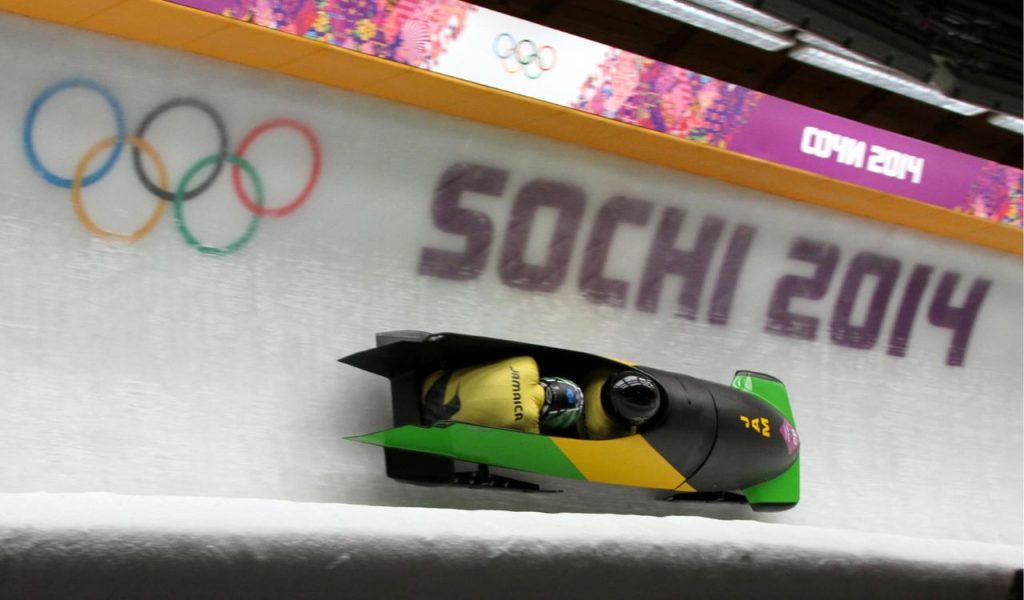
Perhaps the most exciting storyline from the Milano-Cortina Games was the rise of countries not historically associated with high Winter Olympic medal totals.
Strategic specialization in targeted disciplines allowed these nations to compete on equal footing with long-established winter programs.
The resulting medal table reflected a more globalized and competitive winter sports environment.
Dominance in Short Track Speed Skating
Countries such as China and South Korea continued their strong legacy in short-track speed skating.
Deep domestic competition, advanced start-technique training, and world-class facilities helped them secure several key medals.
Their consistent ability to produce high-caliber athletes demonstrates how specialization can deliver sustained Olympic success.
Breakthroughs in Freestyle and Snowboarding
Nations with smaller winter sport programs delivered surprising medal finishes in freestyle skiing and snowboarding events.
These disciplines reward creativity, aerial control, and technical precision—qualities that can be developed outside traditional winter sport environments.
As more countries invest in state-of-the-art training parks and athlete development, the freestyle field becomes increasingly diverse and unpredictable.
Niche Strength in Sliding Sports
Smaller European nations, including Latvia, continued building strong reputations in bobsleigh, skeleton, and luge.
With specialized tracks and focused national investment, Latvia transformed its niche strengths into meaningful medal opportunities.
These results reminded larger countries that strategic focus can overcome limited population size or climate disadvantages.