

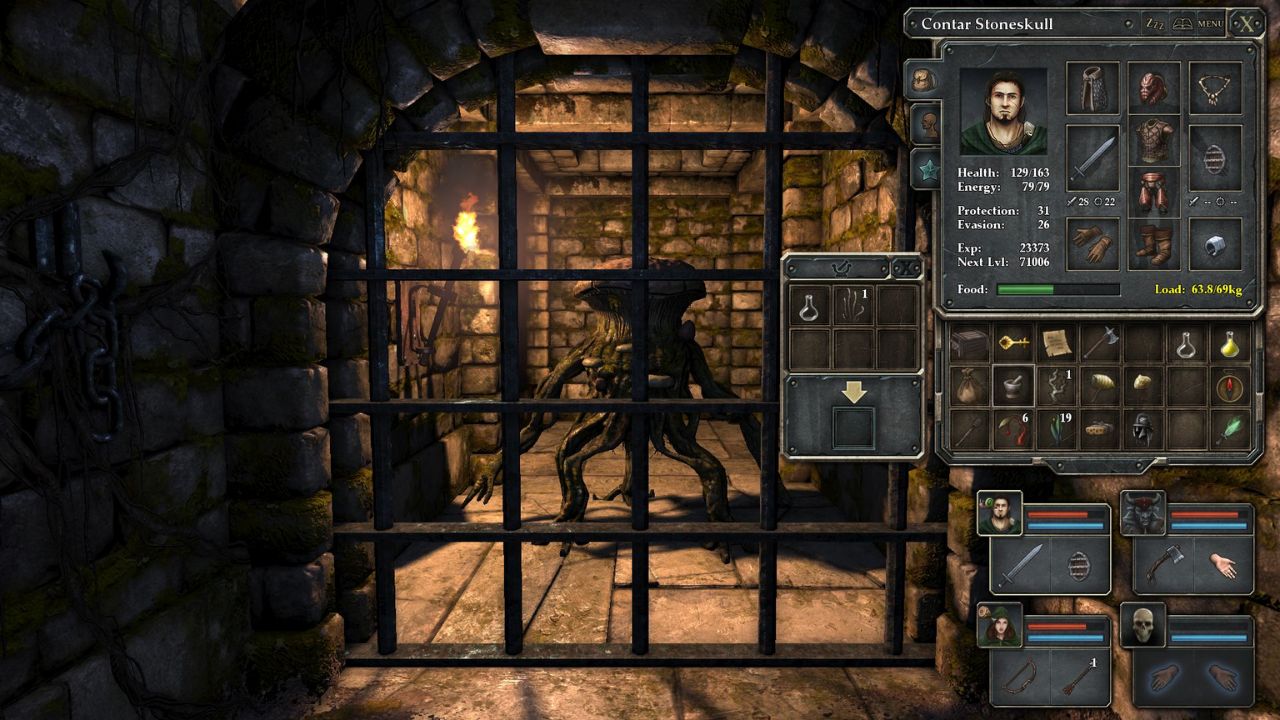

Modern role-playing games have changed in noticeable ways over the past two decades. Players still value exploration, character growth, and long-form storytelling experiences.
What has shifted is how much friction people are willing to accept while playing. Older RPGs often asked players to tolerate slow pacing, limited guidance, and rigid systems.
Today’s audiences expect smoother experiences that respect their time and choices. Design decisions now focus on reducing unnecessary frustration while preserving depth.
These expectations influence how studios build worlds, systems, and narratives. The differences reveal what players value most in contemporary RPG design today.
Modern platforms also shape how RPGs are played and consumed. Updates, patches, and expansions now extend a game’s life over time.
Convenience and Quality of Life Features
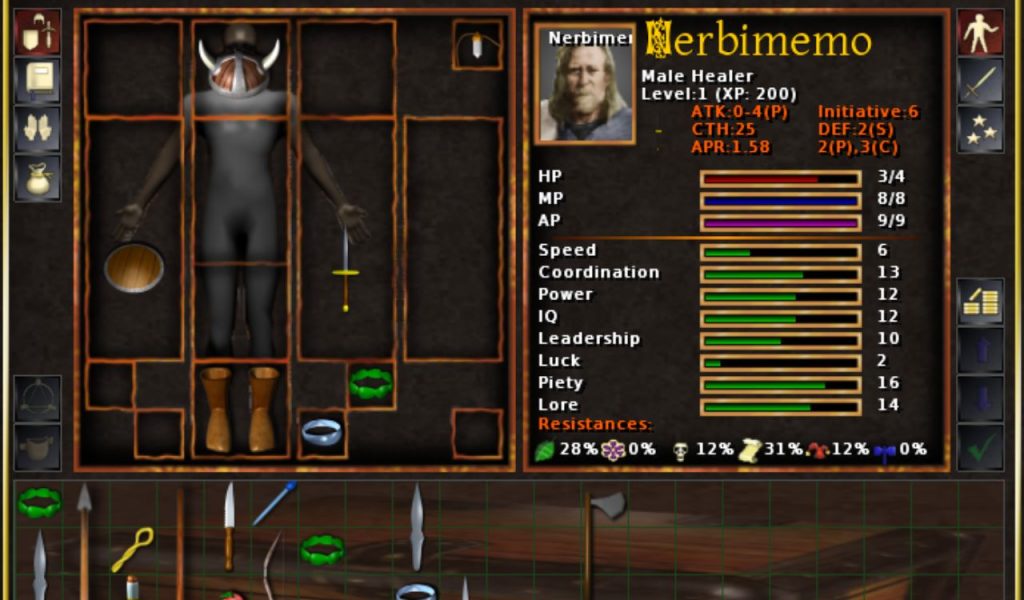
Modern RPGs are built to minimize friction during long or short play sessions. Quality of life improvements are now expected rather than treated as optional features.
Players assume that progress will carry smoothly across devices and sessions. Designers now prioritize clarity, accessibility, and ease of use in core systems.
Games also include tutorials that adapt to player behavior. This helps newcomers learn mechanics without overwhelming explanations.
Flexible Save Systems and Checkpoints
Modern RPGs commonly include autosaves and frequent checkpoints. This allows players to step away without fearing major progress loss.
Older games often required manual saving at limited points. Failing to save could mean replaying long sections after a single mistake.
Frequent saving supports shorter play sessions and casual play patterns. It also encourages experimentation without harsh penalties for failure.
Cloud saves and cross-platform syncing are increasingly common. These features help players continue progress across different devices.
Some games also allow manual saves during key moments. This offers flexibility while preserving challenge balance.
Streamlined Interfaces and Menus
Menus and inventory systems are now built for clarity and speed. Sorting, filtering, and quick-access shortcuts are standard expectations.
Older RPGs often buried important information in dense or cluttered menus. Players spent time managing items instead of engaging with the game world.
Modern interfaces aim to keep attention on exploration and story. The goal is to reduce interruptions and cognitive load during play.
Accessibility options also improve interface usability for diverse players. Scalable text and clearer icons help more people enjoy RPGs comfortably.
Combat That Feels Responsive and Engaging
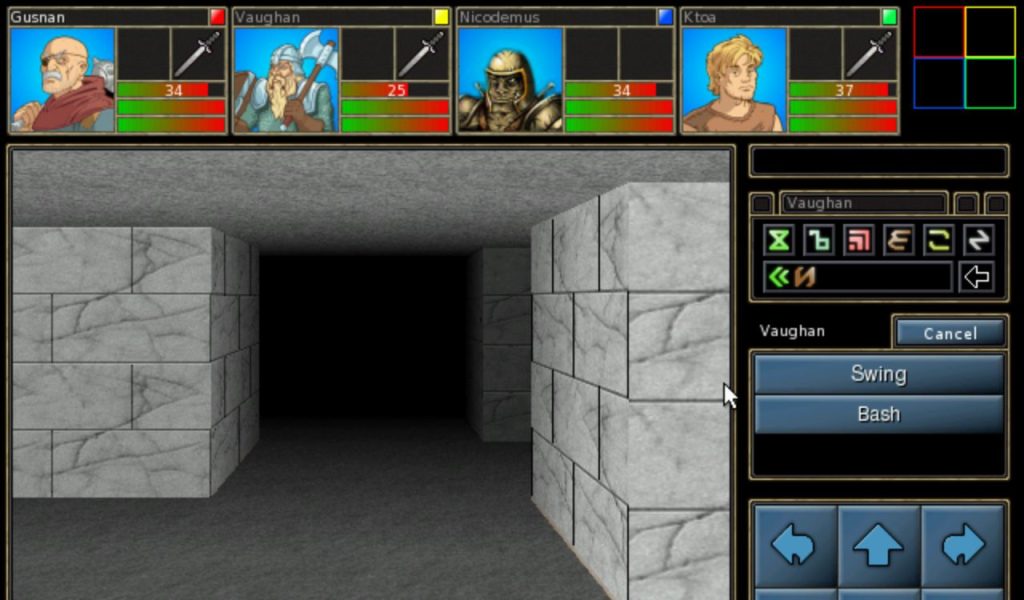
Combat systems have evolved to match faster player expectations. Modern RPGs aim to make battles feel immediate and reactive.
Players expect smooth animations and reliable input responses. Combat is now designed to be visually readable and mechanically fair.
Developers also tune difficulty curves to avoid abrupt spikes. This helps players build confidence as systems become more complex.
Real-Time and Hybrid Combat Systems
Action-oriented combat is more common in mainstream RPGs today. Players directly control movement, timing, and positioning during fights.
Older games relied heavily on turn-based or menu-driven commands. These systems demanded patience and tolerance for slower pacing.
Hybrid models now combine strategy with real-time interaction. This keeps combat accessible while preserving tactical decision-making.
Players can adapt their approach mid-fight. This flexibility creates a stronger sense of control and engagement.
Some systems also reward positioning and environmental awareness. This adds depth without adding unnecessary complexity.
Clear Feedback and Readable Encounters
Modern RPGs emphasize readable enemy behavior and clear visual cues. Players can understand threats without memorizing hidden rules.
Animations, sound design, and visual effects signal important actions. This teaches systems naturally through observation and practice.
Clear feedback reduces frustration during difficult encounters. It also reinforces a sense of fairness during challenging moments.
Readable encounters support players who are new to RPG mechanics. This lowers the barrier to entry for modern audiences.
Narrative Focus and Player Agency
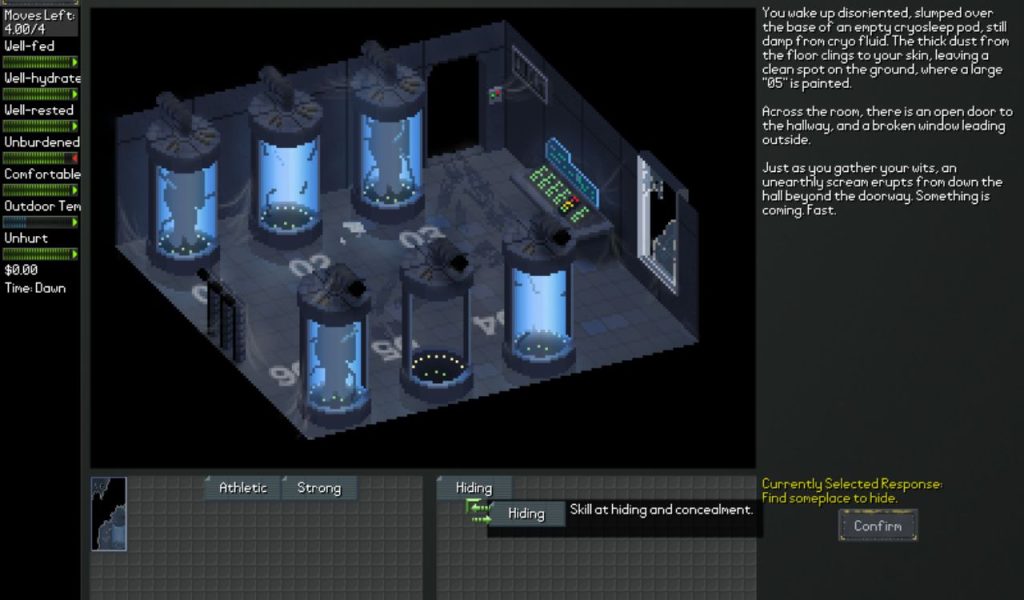
Storytelling has become central to the appeal of modern RPGs. Players expect narratives that respond to their decisions and actions.
Character identity now shapes how stories unfold across the game. This deepens emotional investment in the world and its outcomes.
Modern RPGs often include optional story paths. This lets players explore side narratives at their own pace.
Meaningful Choices and Branching Paths
Modern RPGs often present multiple solutions to the same problem. Dialogue options and decisions influence character relationships and events.
Older RPGs typically followed fixed narrative paths. Player decisions rarely changed the broader storyline in meaningful ways.
Branching paths encourage replay and personal interpretation of the story. They allow players to explore different outcomes and consequences.
Consequences also carry across long narrative arcs. This continuity makes choices feel more impactful over time.
Some games track player behavior subtly. This can affect how characters respond later in the story.
Character Customization and Expression
Players expect deep character creation and growth systems. Appearance, skills, and abilities are tools for personal expression.
Older games offered limited customization due to technical constraints. Characters often fit rigid class roles with little flexibility.
Modern RPGs allow players to reshape builds over time. Respec systems and hybrid classes support experimentation.
Cosmetic options also contribute to player identity. Visual customization strengthens the feeling of ownership over characters.