

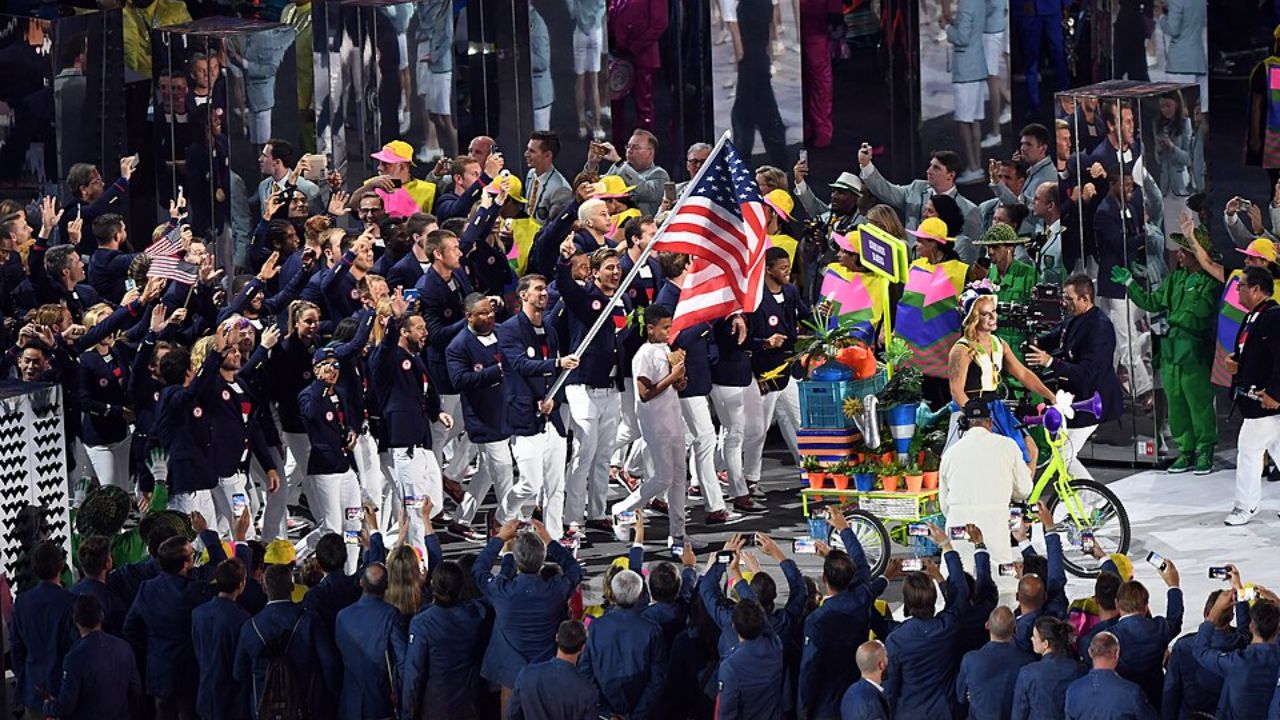

Team USA’s standout performance at the 2026 Winter Olympics has sparked new confidence and excitement for the future of American winter sports.
Their success revealed significant growth in youth participation, expanding competitiveness across diverse disciplines, and rising national support.
As development programs strengthen and athlete pipelines deepen, the United States is entering the next Olympic cycles with more momentum, depth, and long-term potential than ever before.
National Momentum
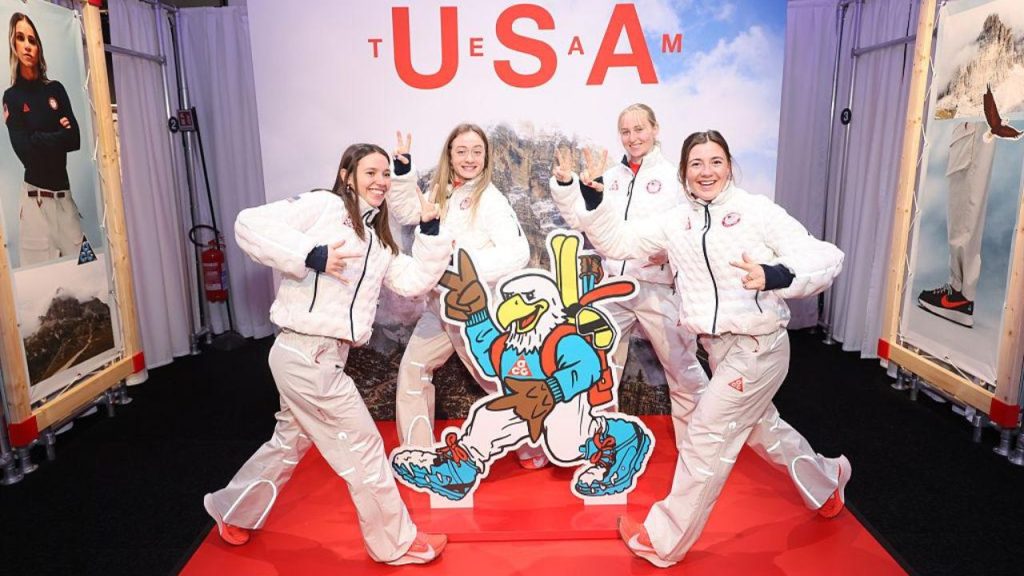
A surge of excitement is spreading across the country as Team USA’s recent accomplishments draw more young athletes into winter sports. Growing interest is strengthening the foundation of community programs and supporting long-term development at every level.
Rising Youth Inspiration
Major victories have created strong role models for young athletes.
- Jack Hughes delivered the overtime winner for the U.S. men’s hockey team’s first Olympic gold since 1980.
- Megan Keller scored the overtime winner in the women’s final against Canada.
- Alysa Liu completed a comeback story with a women’s singles figure skating gold.
These kinds of moments are exactly the type that often inspire kids to try winter sports for the first time.
Expanding Grassroots Development
Team USA’s 2026 results create a strong platform for grassroots growth because success across more sports gives communities more entry points (hockey, skating, skiing, moguls, aerials, etc.) and more visible athlete role models.
Local clubs and training centers are already reporting increased enrollment, showing how Olympic success directly fuels beginner-level participation. New partnerships between schools, youth leagues, and winter-sport organizations are also helping introduce more kids to accessible, low-cost entry programs.
Strengthening the Future Talent Base
The 2026 Games showed the U.S. can win with both stars and emerging names.
Reuters and Guardian coverage highlighted not only established names like Mikaela Shiffrin and Jordan Stolz, but also less widely known medalists such as Elizabeth Lemley, Ben Ogden, and Gus Schumacher.
That kind of spread suggests stronger long-term depth.
Expanding Strength
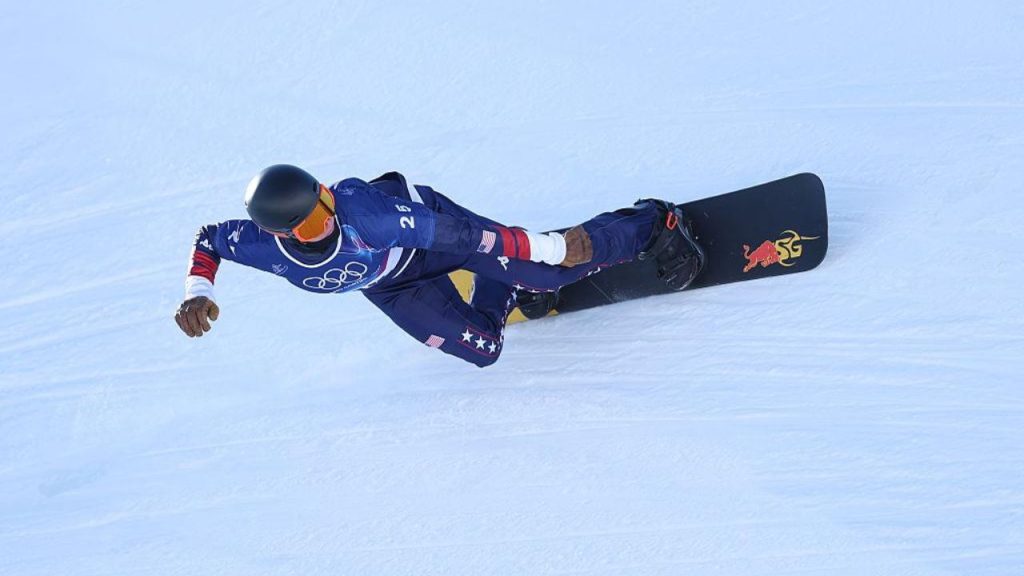
Team USA is showing broader strength than ever before, from rising dominance in action sports to improved competitiveness in traditional European events and exceptional leadership from female athletes.
Action Sports and Freestyle Growth
The U.S. continued to perform in freestyle disciplines, including:
- Elizabeth Lemley winning moguls gold
- Christopher Lillis, Kaila Kuhn, and Connor Curran winning mixed team aerials gold
- Reuters’ Team USA gold gallery also includes U.S. freestyle and freeski medal moments, reflecting continued American strength in these events.
Progress in Traditional Winter Events
The U.S. also delivered major results in events historically dominated by other countries:
- Jordan Stolz won the 500m speed skating gold in an Olympic record of 33.77, his second gold of the Games.
- Breezy Johnson won the women’s downhill, becoming the first U.S. women’s downhill Olympic champion since Lindsey Vonn (2010).
Women Leading the Way
American women were central to Team USA’s success:
Reuters’ Team USA gold gallery also features Mikaela Shiffrin and the women’s events heavily, underscoring women’s leadership in the U.S. medal haul.
Alysa Liu won the women’s singles figure skating gold.
Megan Keller scored the OT winner in women’s hockey gold. Breezy Johnson won downhill gold.
Long-Term Advantages
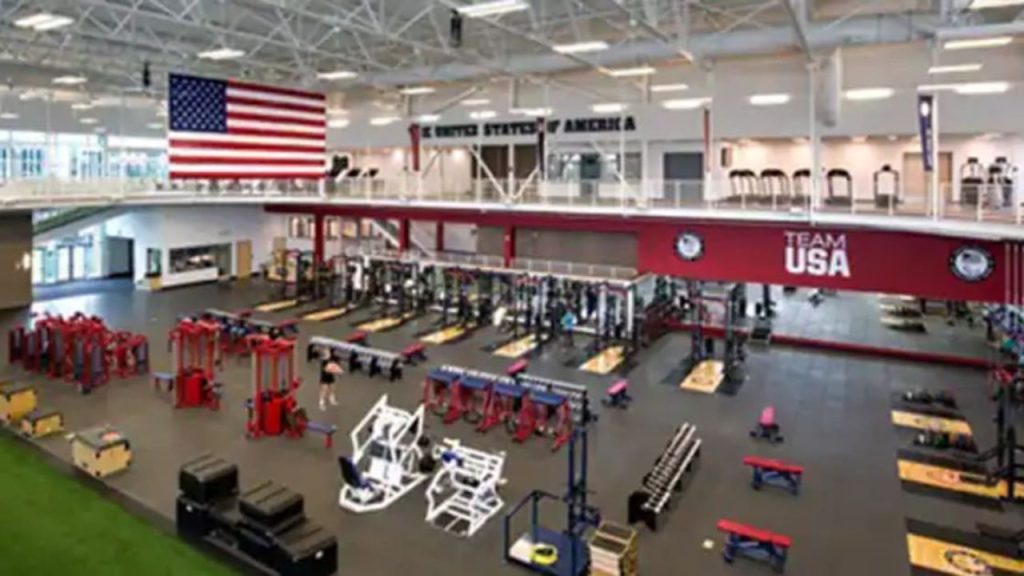
Stronger athlete depth, rising investment, and powerful momentum are positioning Team USA for continued success in the 2030 and 2034 Winter Olympics and even leading into the 2028 Summer Olympics.
Deep Talent Pipeline
Team USA’s 2026 golds came from a mix of stars and newer names:
- Jordan Stolz, Alysa Liu, and Mikaela Shiffrin.
- Elizabeth Lemley, Kaila Kuhn, Connor Curran, Christopher Lillis, and others (rising or less mainstream names). That balance is one of the strongest signs of sustainable Olympic success.
U.S. Public Support
Public support for Milano Cortina 2026 was measurable. NBC/Peacock averaged 23.5M U.S. viewers (up 96% vs. 2022), and the USA–Canada men’s hockey final drew 26M U.S. viewers. Demand showed in attendance too; about 1.27M tickets were sold by mid-Games, while official digital channels logged 46M reaches and 3M interactions.
Momentum for Future Games
The confidence gained from 2026 is real:
Team USA set a record 12 gold medals won across hockey, figure skating, speed skating, alpine skiing, moguls, aerials, and more, and showed unusual depth outside traditional U.S. strongholds
That gives the U.S. a strong base heading into the next Winter Olympic cycle.