

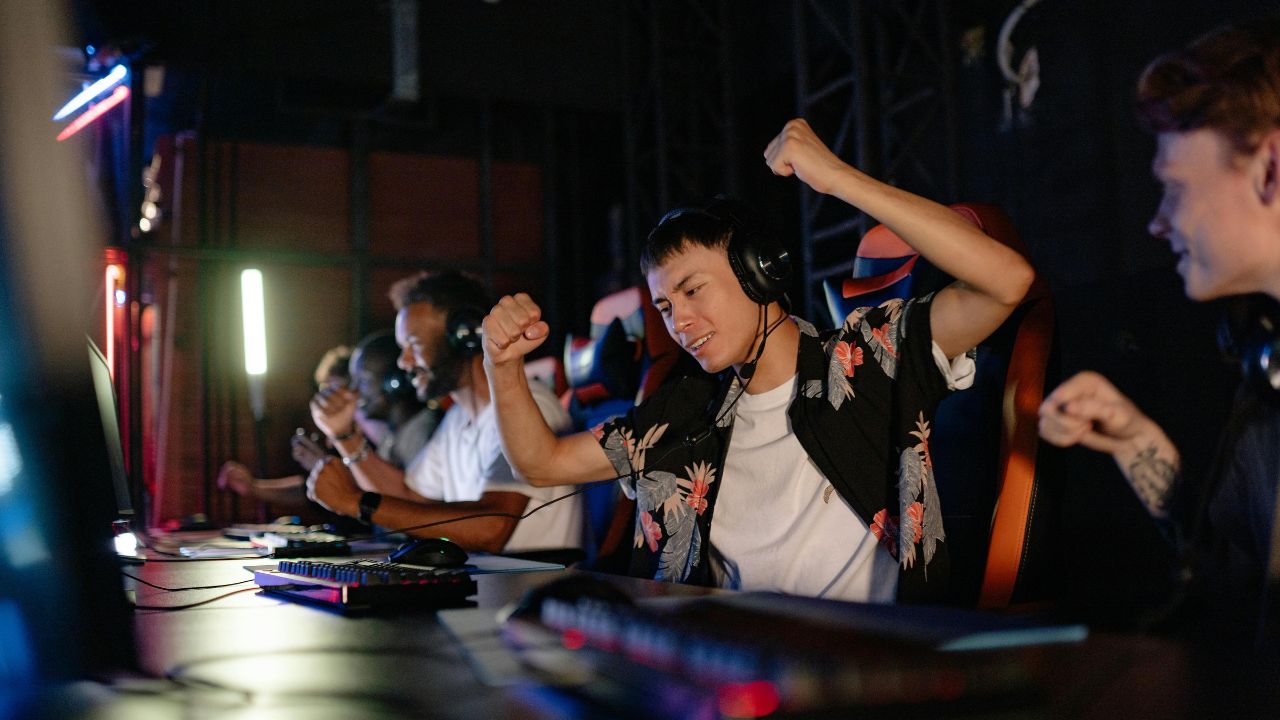

The rapid rise of esports in the United States reflects a broader shift in how audiences consume entertainment.
Competitive gaming has moved beyond niche communities and into packed arenas, major broadcast platforms, and university programs. What was once considered a hobby is now structured, commercialized, and widely recognized.
Younger generations who grew up with online gaming are driving this transformation. Their viewing habits favor digital access, interactive platforms, and on-demand competition.
As a result, esports has evolved into a legitimate entertainment category that increasingly mirrors traditional sports in scale and organization.
Digital Accessibility and Interactive Culture
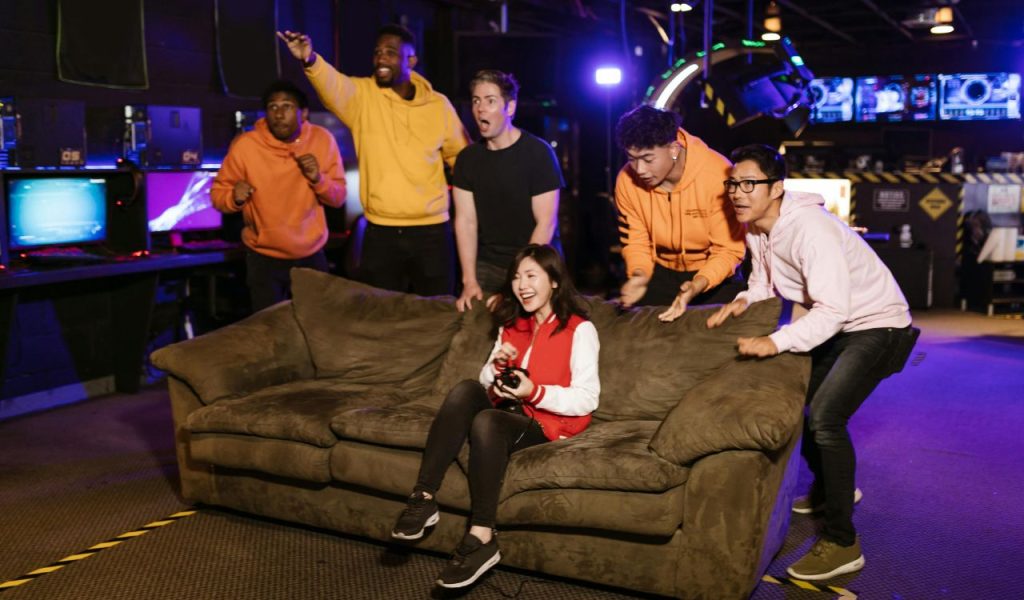
Esports thrives on digital accessibility. Anyone with an internet connection can watch tournaments, follow teams, or participate in community discussions.
Unlike traditional sports, attendance is not limited by geography, ticket prices, or television contracts. This open access has significantly broadened its reach across the United States.
The low barrier to entry has allowed esports to expand beyond major cities and into suburban and rural communities.
Fans no longer rely on cable packages or physical venues to stay connected. A smartphone, tablet, or computer provides immediate access to live matches and archived content.
This flexibility has helped esports reach households that may not regularly engage with traditional sports programming.
Digital platforms also allow organizers to experiment with formats and presentation styles. Events can include interactive overlays, real-time statistics, and behind-the-scenes content that enhance viewer understanding.
These features create a dynamic experience that aligns with modern expectations for digital media consumption.
Live Streaming and Real-Time Engagement
Streaming platforms such as Twitch and YouTube Gaming have changed how fans engage with competition.
Viewers can interact through live chats, polls, and commentary, creating a shared experience rather than a passive one.
This real-time engagement strengthens community bonds and keeps audiences invested beyond the matches themselves.
Around-the-Clock Entertainment
Online tournaments operate across time zones, making esports available at nearly any hour. Mobile gaming and global competitions allow fans to tune in whenever convenient.
This constant availability aligns with modern viewing habits, where entertainment is expected to be immediate, flexible, and accessible from any device.
Investment, Professionalization, and Legitimacy
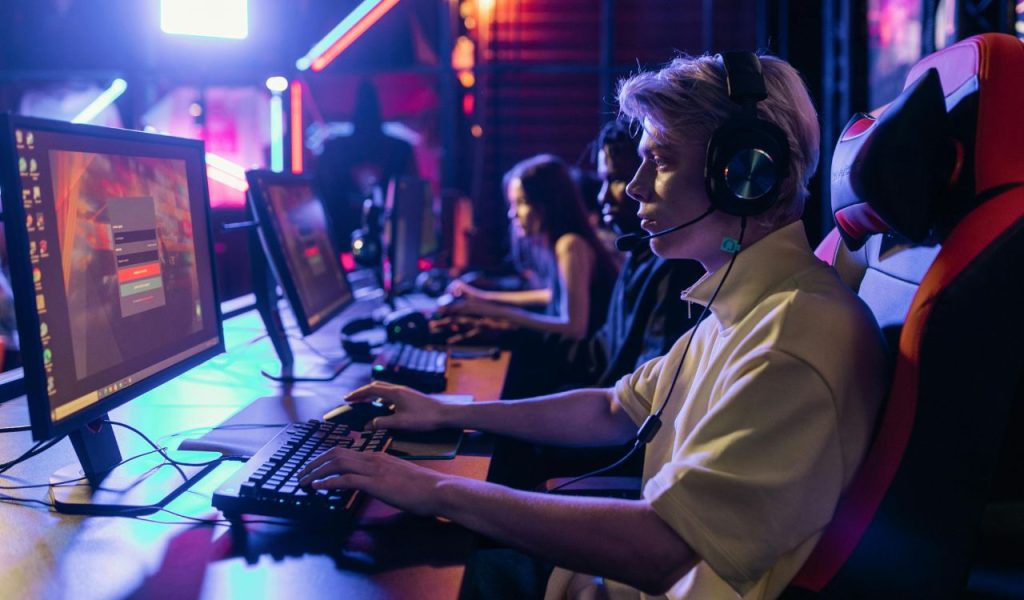
Esports has grown alongside significant financial investment from sponsors, media companies, and established brands.
Corporate backing has elevated production quality and prize pools, bringing competitive gaming closer to the structure of traditional professional sports leagues.
Large-scale tournaments now feature advanced stage design, professional commentary teams, and high-definition broadcasts comparable to established sporting events.
Investment has also supported player salaries, training facilities, and team infrastructure. These developments signal long-term stability rather than short-term popularity.
Media coverage has expanded as well. Dedicated esports segments appear on mainstream sports networks, and major tournaments are increasingly broadcast through traditional and digital channels.
This visibility reinforces public perception that competitive gaming is a serious, organized form of entertainment rather than a casual pastime.
Structured Leagues and Collegiate Growth
Professional leagues now operate with defined seasons, player contracts, and team organizations.
Universities across the country have introduced esports scholarships and varsity programs, adding institutional credibility.
Broadcast partnerships with established sports networks have further reinforced esports as a legitimate competitive field.
Technological Advancements and Competitive Standards
Advances in internet speed, gaming hardware, and analytics tools have enhanced competitive performance.
High-speed connectivity enables seamless online tournaments, while performance data and artificial intelligence tools support player development.
These improvements contribute to higher skill levels and more consistent tournament experiences.
Cultural Integration and Generational Influence
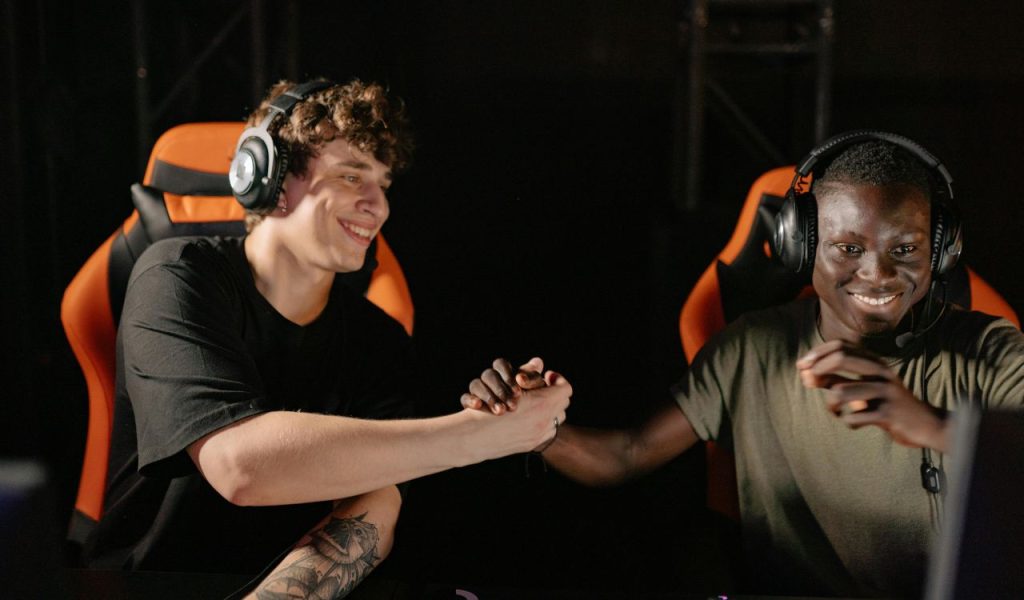
The cultural presence of gaming extends beyond tournaments. Esports now intersects with music, film, fashion, and social media, positioning it within broader entertainment trends.
This integration has helped normalize competitive gaming within mainstream audiences. Collaborations between gaming brands and musicians, apparel companies, and streaming personalities have expanded the visibility of esports beyond competitive arenas.
Major events are often accompanied by live performances, digital fan experiences, and branded merchandise. These cross-industry partnerships highlight how esports functions within a larger cultural ecosystem.
Social media has further amplified its reach. Highlights, player interviews, and behind-the-scenes content circulate widely, drawing in viewers who may not initially identify as dedicated fans.
This consistent exposure helps maintain engagement and sustain interest between major tournaments.
Gen Z and Changing Entertainment Preferences
Gen Z and younger millennials grew up with multiplayer gaming as a central part of social interaction.
As this demographic gains purchasing power, their preferences shape media investment.
Brands recognize the scale of the esports audience and increasingly allocate advertising budgets to gaming platforms and events.
Community Identity and Inclusive Participation
Esports also benefits from relatively low barriers to entry. Participation does not require specialized facilities, and viewers can engage from home.
This accessibility fosters diverse communities and allows individuals from different regions and backgrounds to compete or spectate equally, strengthening its national appeal.
Esports’ expansion in the United States reflects broader changes in technology, media consumption, and generational behavior.
Digital accessibility, professional organization, and cultural relevance have positioned competitive gaming as more than a trend.
As investment continues and audiences grow, esports is likely to remain a central component of the country’s evolving entertainment landscape.