

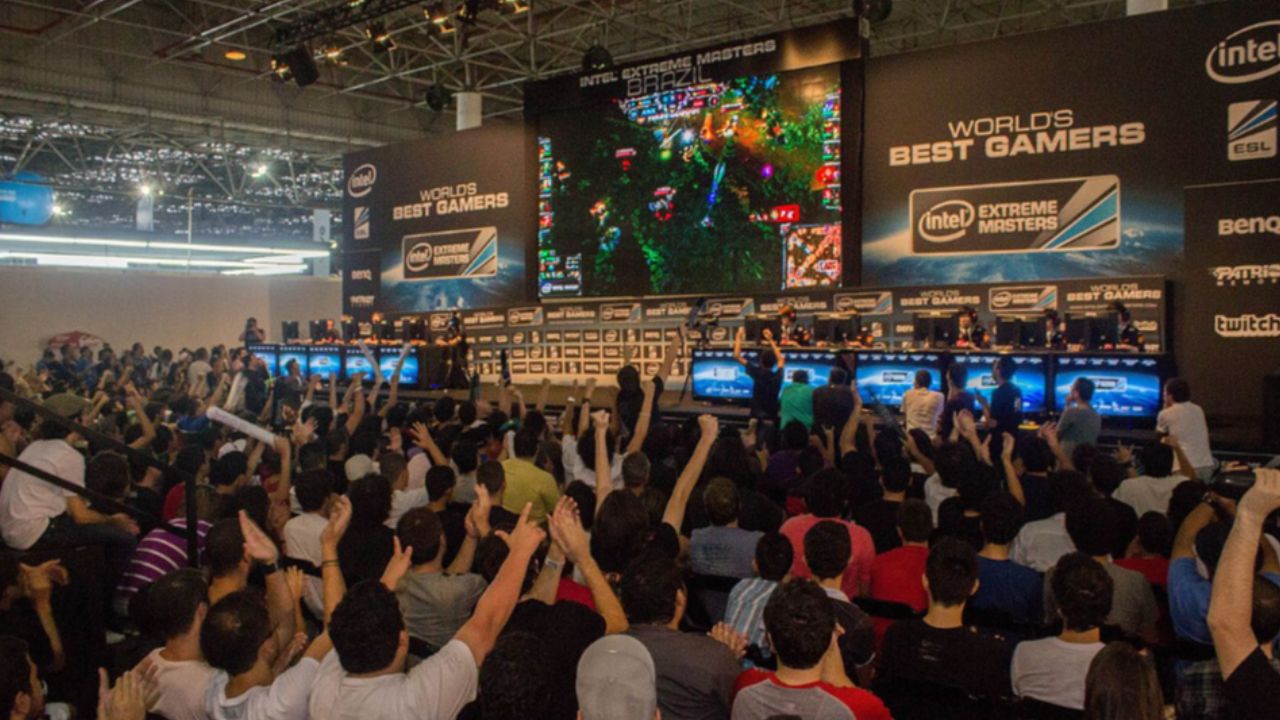

Esports has shifted from a niche competitive scene into a global entertainment industry. Yet growth has not been evenly distributed.
While some titles expand their player bases, sponsorship portfolios, and broadcast reach, others lose relevance within a few competitive seasons.
The difference is rarely accidental. Long-term success in esports depends on sustainable economics, developer commitment, structured leagues, and community engagement.
When these foundations weaken, decline often follows.
Industry growth over the past decade has shown that popularity alone is not enough.
A game can launch with strong initial hype and still struggle to convert that attention into a lasting competitive ecosystem.
Stability requires coordination between publishers, teams, players, broadcasters, and investors.
Sustainable Business Models Shape Longevity

Financial discipline and diversified revenue streams are central to competitive stability.
Organizations that rely solely on sponsorships often struggle when advertising markets fluctuate or investor interest cools.
Economic slowdowns tend to expose fragile financial structures.
Teams and leagues that balance media rights, merchandise, digital content, ticketed events, and community initiatives create stronger financial buffers.
This diversified approach reduces dependency on short-term funding cycles and volatile brand partnerships.
A sustainable ecosystem also aligns costs with realistic revenue projections.
Controlled expansion allows leagues to adapt gradually rather than react to sudden downturns.
Revenue Diversification Beyond Sponsorships
Successful organizations increasingly invest in apparel lines, subscription content, streaming partnerships, and branded experiences.
These channels provide recurring income that supports operational stability beyond seasonal tournament winnings.
Overreliance on inflated sponsorship deals during growth spikes has historically led to overspending.
When revenue projections fail, payroll obligations, travel costs, and infrastructure investments can quickly outpace income.
Stable esports ecosystems treat sponsorship as one pillar rather than the foundation.
Balanced revenue streams allow teams to reinvest in talent development, analytics, and content production without risking financial collapse.
Financial Planning and Cost Control
Many new esports ventures collapse within two years due to unrealistic expansion strategies.
High player salaries, luxury training facilities, and aggressive marketing campaigns create unsustainable burn rates.
Disciplined budgeting and gradual scaling tend to produce steadier outcomes.
Sustainable growth favors long-term planning over rapid but fragile expansion.
Transparent financial governance also reassures investors and partners.
Clear reporting structures and realistic projections help organizations navigate market corrections without destabilizing their competitive programs.
Developer Support Determines Competitive Relevance
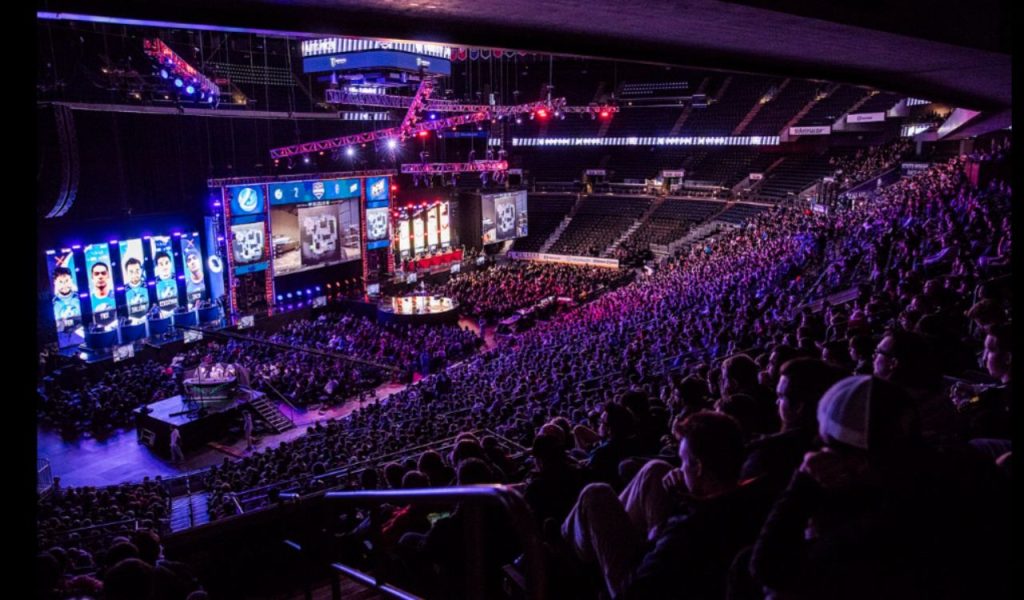
Game publishers play a decisive role in whether a title maintains competitive momentum.
Regular updates, balance patches, and transparent communication keep both players and spectators engaged.
When developer attention declines, competitive integrity often suffers.
Outdated mechanics, unresolved exploits, or neglected balance issues can drive players toward more actively supported alternatives.
Developer investment also signals commitment to the professional scene.
Prize pools, official leagues, and broadcast support reinforce legitimacy and encourage long-term participation.
Consistent Updates and Balance Adjustments
Frequent patches and seasonal refreshes prevent stagnation.
Competitive ecosystems depend on evolving strategies that reward adaptation rather than repetition.
A static meta can reduce viewer excitement and discourage innovation.
Structured seasonal calendars create predictable cycles for viewers, sponsors, and tournament organizers.
Consistency strengthens scheduling reliability and enhances media planning.
Regular developer communication, including roadmap updates and patch explanations, builds trust within the competitive community.
Transparency reduces uncertainty and supports long-term engagement.
Clear League Structures and Infrastructure
Professional leagues with defined promotion systems, transparent rules, and broadcast consistency foster long-term credibility.
Clear pathways from amateur to professional tiers help sustain talent pipelines and grassroots growth.
Well-organized tournament circuits also improve viewer experience.
Stable scheduling, standardized production quality, and recognizable branding contribute to audience retention.
In contrast, loosely organized circuits with shifting formats or inconsistent funding often struggle to maintain audience trust and competitive legitimacy.
Community Engagement and Market Forces Influence Survival
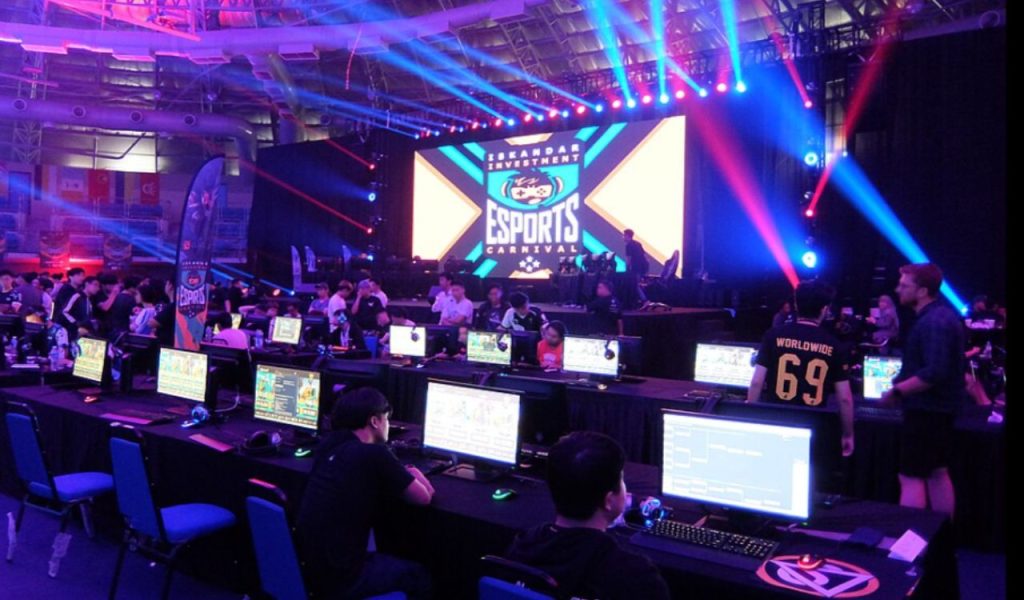
Audience participation extends beyond passive viewing.
Interactive broadcasts, digital rewards, fantasy integrations, and community events increase retention and deepen loyalty.
Engagement strengthens the emotional connection between fans and teams.
Games that fail to nurture strong communities frequently experience shrinking player bases.
Without active engagement, competitive scenes lose momentum and struggle to justify sponsor investment.
Market forces further shape sustainability. Investment cycles, advertising demand, and broader entertainment trends influence which ecosystems thrive.
Viewer Interaction and Digital Ecosystems
Modern esports platforms emphasize chat integration, prediction systems, and in-game event tie-ins.
These features transform spectators into active participants rather than distant observers.
High engagement supports advertising value and platform partnerships, reinforcing financial stability across the ecosystem.
Strong digital ecosystems also generate data insights that improve marketing efficiency.
Consistent community engagement fosters loyalty even during performance downturns, helping stabilize viewership numbers over time.
Market Saturation and Player Burnout
The rapid expansion of esports during peak investment periods created inflated expectations.
As funding tightened, weaker ecosystems struggled to adapt, revealing structural vulnerabilities.
Additionally, short professional careers and roster instability can erode fan attachment.
Frequent team changes make it difficult for audiences to build long-term connections with players.
Sustainable ecosystems invest in long-term player development, health support, and structured competitive calendars.
Balanced scheduling reduces burnout and encourages career longevity, supporting both competitive quality and audience continuity.