

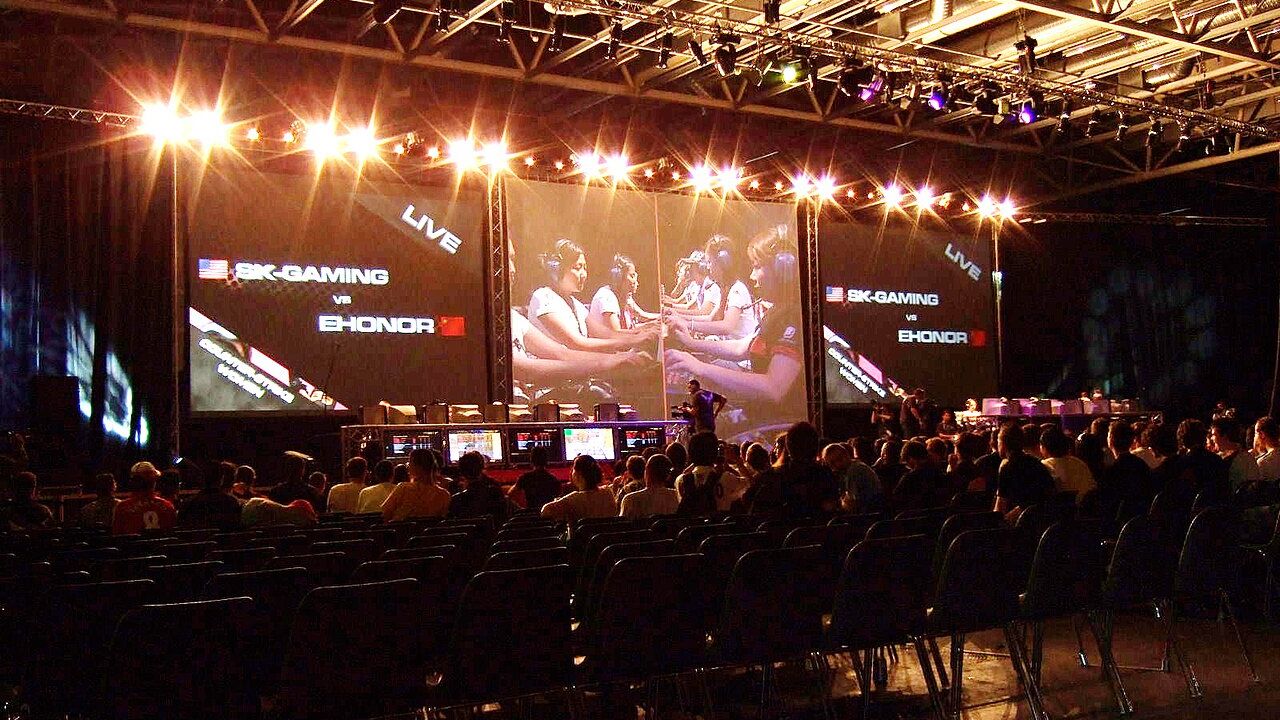

Some US esports tournaments dominate headlines, social media, and streaming platforms, while others barely register outside their core communities. That gap is not random.
The difference usually comes from how well an event combines prestige, game watchability, storytelling, production, and distribution. When several of these factors align, a tournament becomes must-watch.
Prestige and Audience Pull
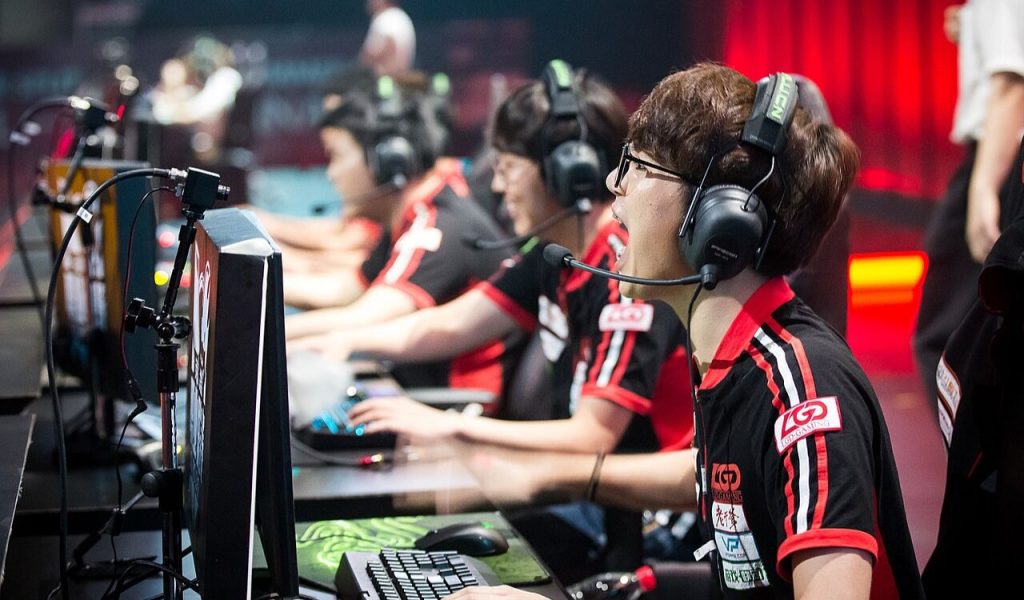
The biggest reason some tournaments get more attention is simple: they feel important. Viewers are far more likely to tune in when an event is positioned as the defining competition of a season.
A tournament with clear stakes, a championship identity, and recognizable teams creates urgency. That urgency pulls both hardcore fans and casual viewers.
Championship Status
Events labeled as majors, championships, or season finals naturally command more attention. These labels signal that the matches matter and that the winner will be remembered.
When a tournament feels like the final chapter of a long competitive story, even people who skipped earlier matches often show up for the ending.
Prize Pools and Stakes
Large prize pools help create hype, but money alone is not enough. What really drives attention is the feeling that the result changes careers, legacies, or regional pride.
High-stakes matches create emotional pressure, and that pressure makes the event more compelling to watch live.
Rivalries and Storylines
People do not only watch esports for gameplay. They also watch for rivalries, revenge matches, underdog runs, and superstar performances.
A tournament with strong narratives is easier to market and easier for fans to discuss online. Without storylines, even great matches can feel forgettable.
Game and Viewing Experience
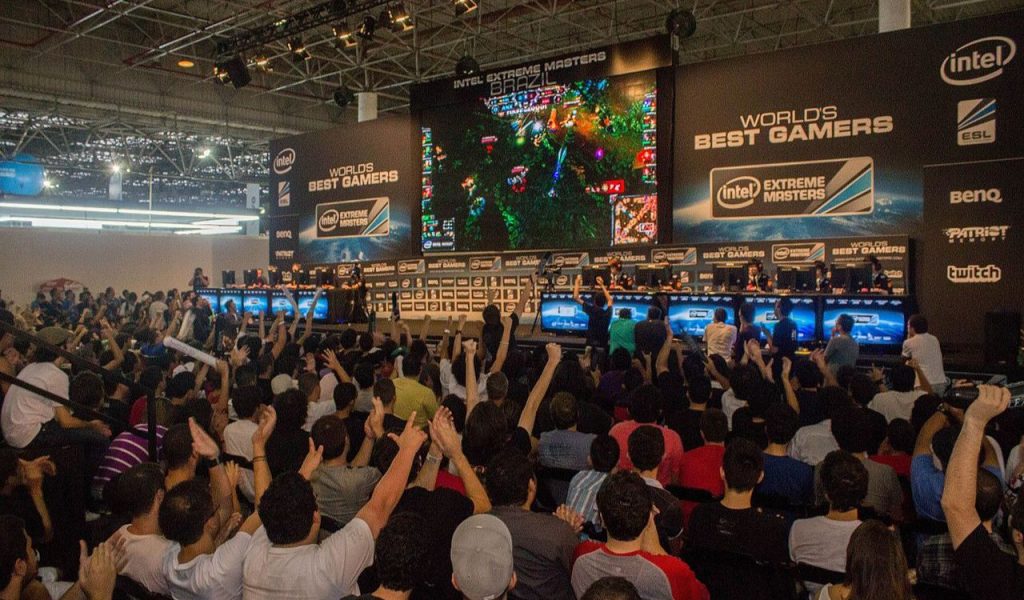
Not every esports title is equally watchable. Some games are naturally easier for viewers to understand, which gives their tournaments a major advantage.
If a viewer cannot quickly follow the action, identify the objective, or understand who is winning, they are likely to leave. That makes game design and broadcast clarity central to tournament success.
Game Popularity
Tournaments for already-popular games usually start with a larger audience base. If a game has a strong player community in the US, its events have a better chance of gaining traction.
Regional popularity also matters. A game may be huge globally, but still struggles to attract major US attention if local interest is weak.
Watchability and Visual Clarity
Games with clear objectives and readable pacing tend to perform better with broad audiences. Viewers stay longer when they can understand what is happening without deep game knowledge.
Round-based and objective-driven formats often help because they create clean, easy-to-follow moments. Visual clarity improves retention, especially for casual viewers.
Format and Viewer Flow
Tournament format matters more than many organizers realize. A clear bracket and obvious progression make every match feel connected to a bigger story.
If the format is confusing, low-stakes, or poorly explained, viewers lose interest fast. People stay engaged when they know what happens next and why it matters.
Production and Reach
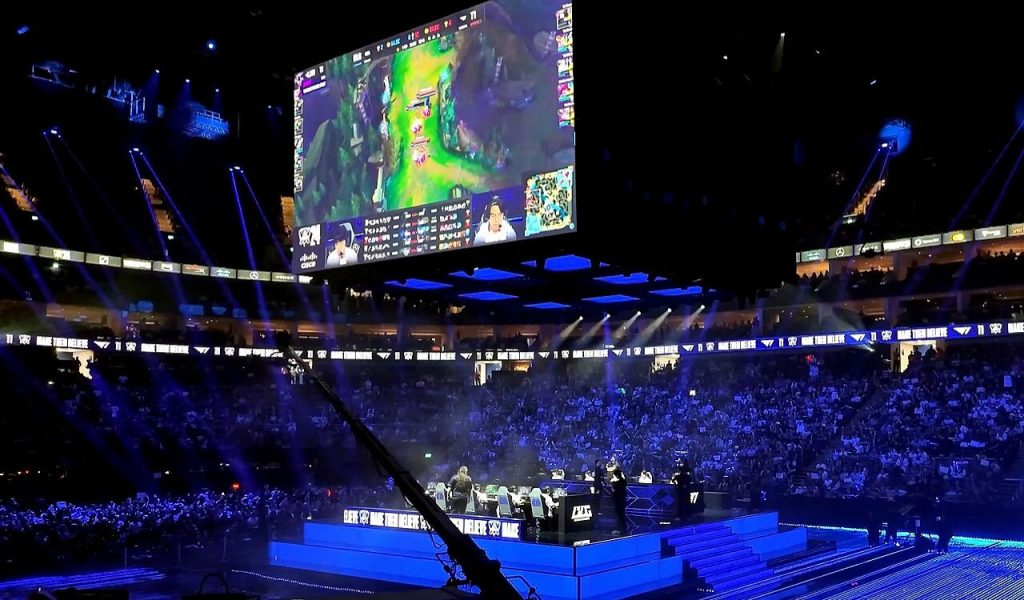
Even strong competition can underperform if the event is packaged poorly. The tournaments that grab attention usually look polished, feel exciting, and are easy to access.
Production quality, creator support, platform choice, scheduling, and marketing all shape whether an event scales beyond its core audience.
Production and Spectacle
Top tournaments feel like major entertainment events, not just streams. Strong commentary, analysis desks, stage design, pacing, and visuals make the competition feel premium.
Spectacle also helps attract casual viewers. Lighting, music, intros, and arena atmosphere can turn a tournament into a broader cultural moment.
Creators, Community, and Rewards
Co-streamers and influencers now play a major role in esports viewership. They bring built-in audiences and often make broadcasts more engaging for fans who prefer personality-driven commentary.
Community discussion, memes, and fan loyalty also build momentum. Features like Twitch Drops and in-game rewards can further boost live viewership by giving people a direct reason to watch.
Platforms, Timing, and Marketing
Where and when a tournament is broadcast can make or break its performance. Events that are hard to find, locked to weak platforms, or scheduled poorly often struggle.
US tournaments also face time-zone challenges when trying to reach Europe and Asia. On top of that, weak marketing can bury even a strong event if organizers fail to explain why it is worth watching.