


The battle for supremacy at the 2026 Winter Olympics has become one of the most compelling storylines of the Games. What once looked like a commanding Norwegian lead has turned into a multi-nation contest defined by slim margins and shifting momentum.
As the final week unfolds in Milan and Cortina, the medal standings remain fluid and tense.
As of 18 February 2026, Norway leads with 15 gold medals and 32 medals in total. Italy follows with 9 golds and 25 total medals, while the United States holds 6 gold medals and 23 total medals.
Germany and Japan remain within striking distance. With several marquee events still ahead, the race for the top is far from settled.
Norway’s Golden Foundation: Strong but Vulnerable

Norway’s dominance has been built on its traditional strength in endurance sports, particularly cross-country skiing. The nation has once again demonstrated remarkable depth and discipline on the Olympic stage.
The defining highlight so far has been Johannes Høsflot Klæbo securing his 10th Olympic gold medal in the men’s team sprint freestyle. He became the first Winter Olympian to reach double-digit gold medals.
Depth Across Nordic Events
Norway’s program is structured around precision, preparation, and long-term athlete development. In cross-country skiing and biathlon, multiple Norwegian athletes consistently reach finals and podiums.
This depth allows Norway to accumulate medals steadily over several days. Early dominance in endurance events created separation in the gold standings.
A Narrowing Window
As endurance events conclude, Norway’s strongest medal pipeline begins to slow. The remaining schedule favors alpine skiing, speed skating, and team sports, where other nations are stronger.
Italy’s Home Ice Momentum
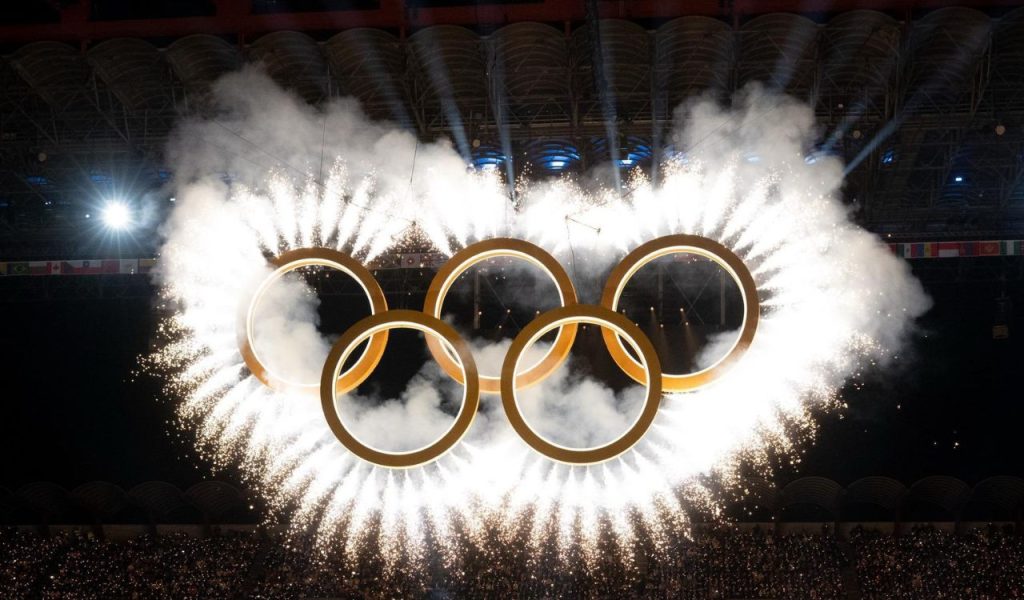
Hosting the Games in Milan and Cortina has sparked a remarkable performance from Italy. With 9 gold medals and 25 total medals, Italy is enjoying one of its strongest Winter Olympic campaigns in decades.
Italian success has come in speed skating, alpine skiing, and team events. Home support has added confidence and momentum to their performances.
Signature Win in Speed Skating
A major turning point came in the men’s speed skating team pursuit. Italy defeated the favored United States to claim gold.
The victory carried psychological weight beyond the medal itself. It energized the host nation and intensified the overall medal race.
The Power of Hosting
Home advantage at the Olympics can provide subtle competitive edges. Familiar venues, reduced travel demands, and vocal crowds often boost athlete performance.
Italian athletes have repeatedly risen to the occasion. Their broad medal distribution has strengthened their standing in the table.
Team USA’s Silver Surge and Gold Potential
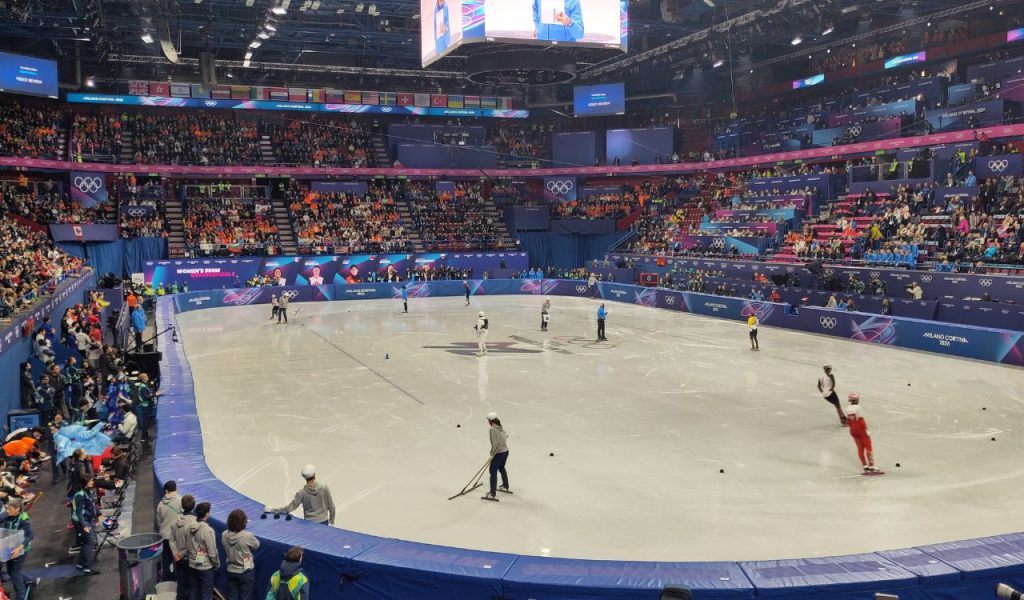
The United States remains firmly in contention despite fewer gold medals. With 6 gold medals and 23 total medals, Team USA’s depth has kept it competitive.
Rather than dominating one discipline, the United States has collected medals across skiing, snowboarding, figure skating, and speed skating. This consistency has prevented them from falling behind.
Depth Over Dominance
In the men’s cross-country team sprint, American athletes secured silver behind Norway. The result added to a steady stream of podium finishes.
While gold medals have been limited, frequent top-three placements keep the United States within reach. In a tight medal table, depth can be as important as dominance.
High-Stakes Finals Ahead
Significant opportunities remain for Team USA in alpine skiing and hockey. Events featuring Mikaela Shiffrin could produce crucial gold medals.
Team sports carry particular weight because a single championship win delivers immediate gold. If the United States converts more silver medals into gold, the standings could tighten dramatically in the final days.