

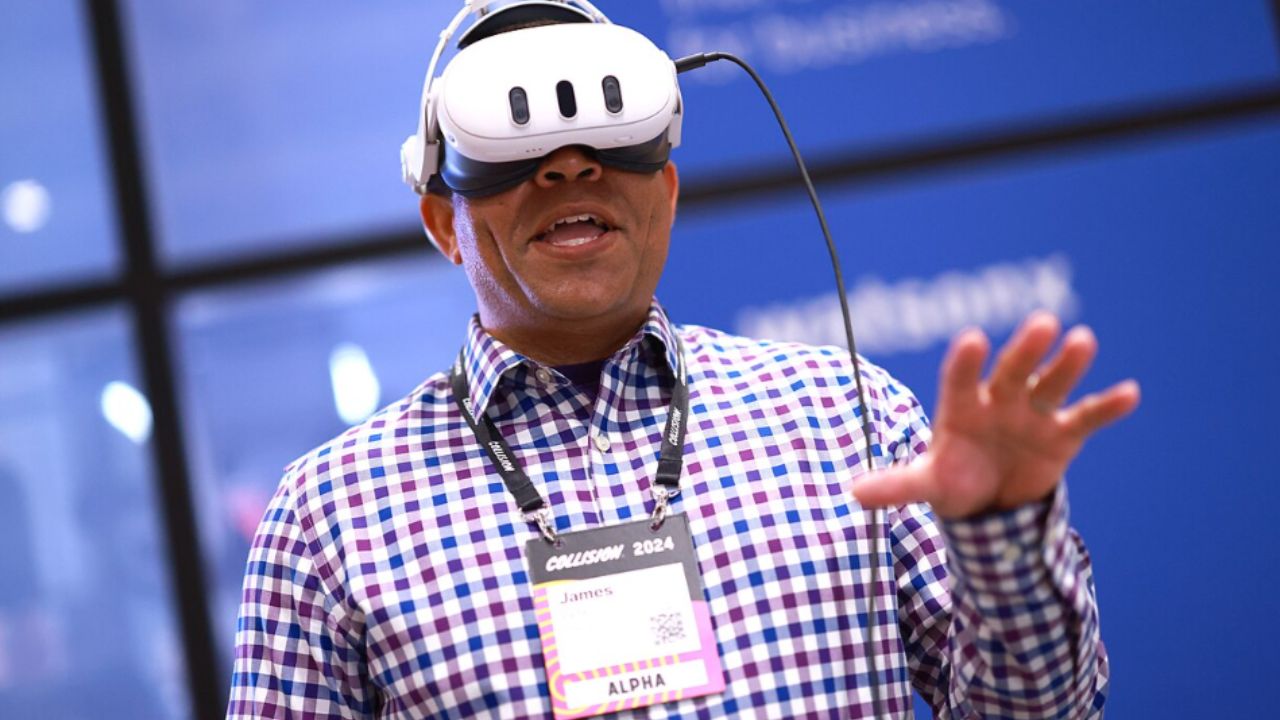

Virtual reality gaming in 2026 sits in a strange position. The technology looks advanced, yet it still carries the feeling of something unfinished.
Headsets are lighter and sharper than before, but mainstream adoption has not fully arrived.
For many players, VR still feels like a glimpse of the future rather than the present. Comfort limits, high costs, and setup friction remain real concerns.
At the same time, innovation across hardware, software, and artificial intelligence is accelerating.
This mix of visible progress and lingering barriers explains why VR can feel early while evolving at a surprising pace.
The Bottlenecks That Keep VR Feeling Early
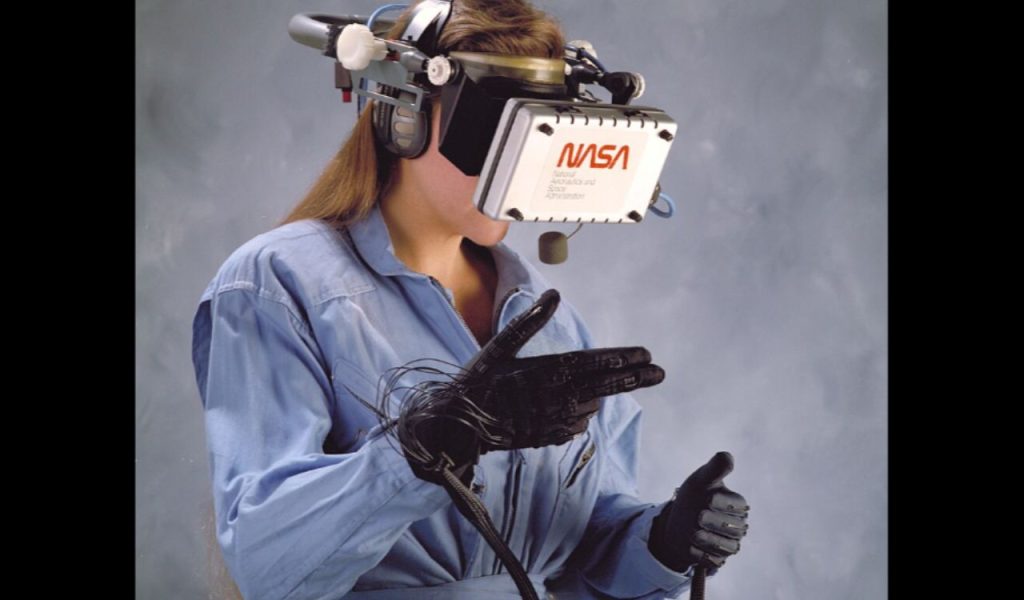
Despite years of development, several practical issues continue to shape how consumers perceive virtual reality.
Improvements are measurable, yet they do not always translate into everyday ease or seamless integration into daily routines.
These constraints affect comfort, content depth, overall accessibility, and even the frequency with which users return to their devices after the initial novelty wears off.
Together, these factors create a perception gap between technological capability and real-world usability, reinforcing the sense that VR remains in a transitional stage.
Physical Comfort and Setup Friction
Modern headsets are significantly lighter than first-generation models, but extended sessions can still cause eye strain or motion discomfort.
Even with improved tracking and frame rates, some users experience fatigue after about an hour.
Setup can also feel technical. Adjusting straps, calibrating sensors, and finding the visual “sweet spot” often require patience. For casual players, that friction can reduce spontaneous use.
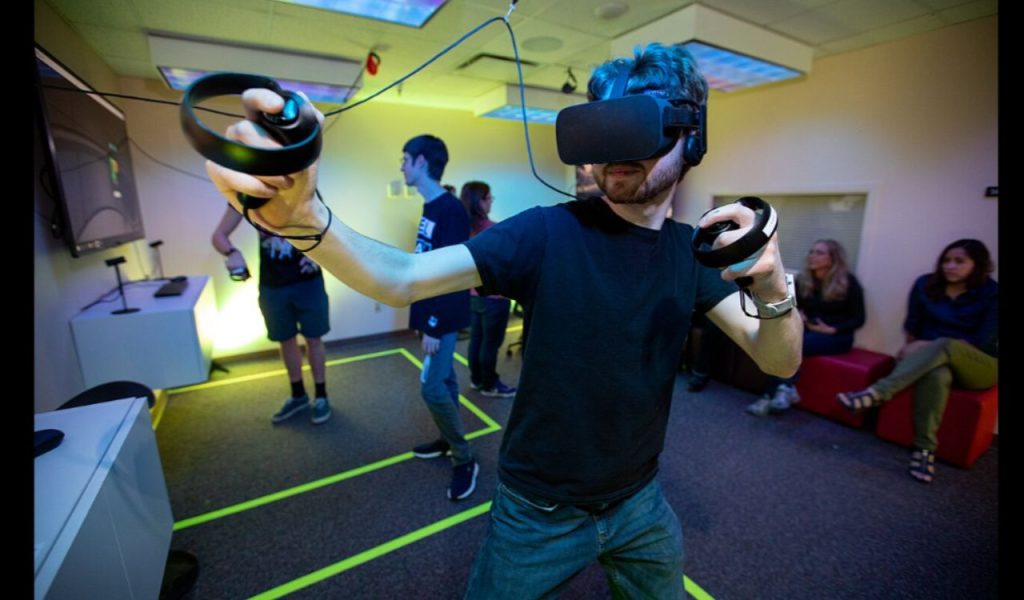
Room-scale systems introduce another limitation. High-end immersive play may require a clear six-by-six-foot area, which is not practical in smaller homes or apartments.
Limited Mainstream Content and Cost Barriers
While critically acclaimed titles such as Half-Life: Alyx demonstrate what VR can achieve, the catalog of large-scale, narrative-driven games remains relatively small.
Many releases are experimental, social, or short-form experiences rather than expansive franchises.
Cost is another factor. Even standalone headsets represent a notable investment, and premium systems may require additional accessories or powerful PCs.
This financial threshold narrows the audience beyond early adopters. Industry reports in early 2026 also noted fluctuations in headset shipments following earlier growth.
Such shifts suggest that the market is searching for a broader appeal beyond enthusiasts.
The Forces Accelerating Change
Even as challenges persist, the pace of innovation has increased across multiple segments of the industry.
Hardware engineers, software developers, and network providers are advancing simultaneously, creating a compound effect that accelerates progress.
New technologies are converging in ways that reduce friction, expand potential use cases, and reshape how consumers interact with immersive environments.
The shift from pure VR toward mixed and extended reality has also reshaped expectations, positioning headsets as multifunctional devices rather than single-purpose gaming tools.
Mixed Reality and AI-Driven Development
Manufacturers now emphasize mixed reality capabilities that blend digital elements into the physical environment.
Devices like the Meta Quest 3 prioritize passthrough features, allowing users to interact with both real and virtual spaces simultaneously.
Artificial intelligence is also transforming development workflows. Generative tools can create textures, environments, and 3D assets more efficiently, lowering production costs and shortening timelines.
This shift allows smaller studios to experiment at scale. As development becomes faster and more affordable, the range of available experiences expands.
Hardware Advances and Cloud Performance
Hardware design has moved away from bulky, helmet-like systems toward sleeker, wireless devices.
Innovations such as pancake lenses and microLED displays contribute to lighter form factors and sharper visuals.
Eye-tracking enables foveated rendering, where high detail appears only where the user is looking. This technique supports higher resolutions without overwhelming processing demands.
Cloud-based streaming, supported by faster wireless standards, further reduces the need for expensive local hardware. Together, these improvements lower barriers and broaden access.
The 2026 Landscape and the Shift Beyond Gaming
By 2026, the conversation around VR has widened considerably. It is no longer framed solely as a gaming accessory but as part of a broader spatial computing ecosystem that integrates entertainment, productivity, and communication.
This repositioning influences investment, design priorities, long-term growth strategies, and the way companies present immersive technology to consumers and businesses alike.
As the industry matures, attention increasingly shifts toward sustained engagement and practical applications that extend beyond recreational use.
From Entertainment Device to Spatial Platform
New device announcements from major technology companies emphasize high-fidelity, wireless, and AI-first experiences.
The focus is increasingly on productivity, communication, and immersive collaboration rather than only play.
Developers are exploring virtual workspaces, shared digital environments, and persistent worlds. These applications blur the line between entertainment and utility.
As the ecosystem grows, gaming benefits indirectly from stronger hardware and larger developer communities.
Expanding Adoption Beyond Gaming
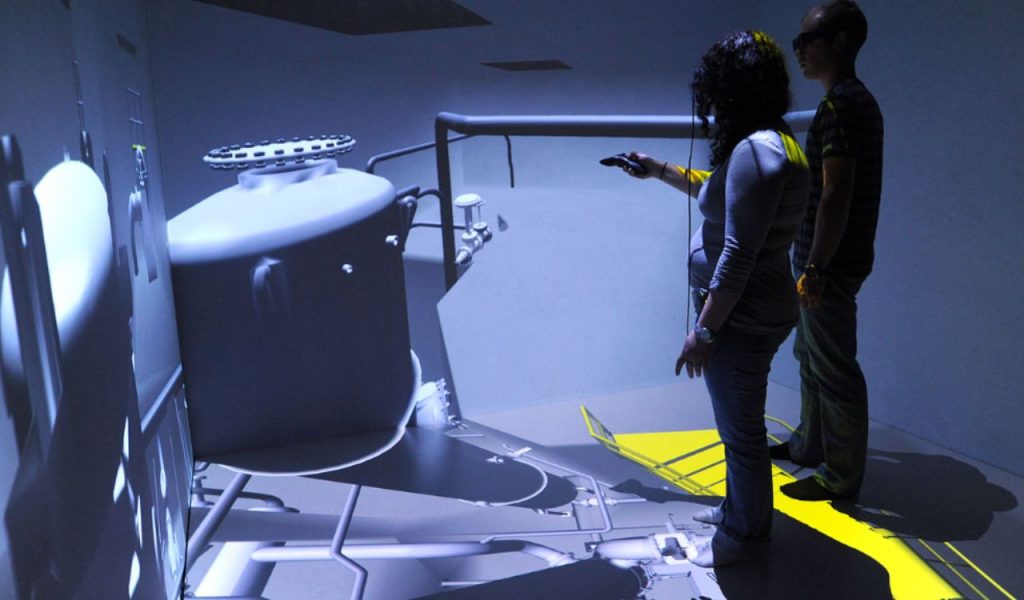
Virtual and mixed reality tools are gaining traction in enterprise training, education, and healthcare simulations. These sectors invest heavily in realistic visualization and interactive learning.
This broader adoption supports sustained hardware research and software refinement. As non-gaming use cases expand, economies of scale improve.
The result is a maturation phase. VR still feels early because an all-day, universally comfortable device has not yet arrived, but its trajectory suggests rapid integration into mainstream digital life.