

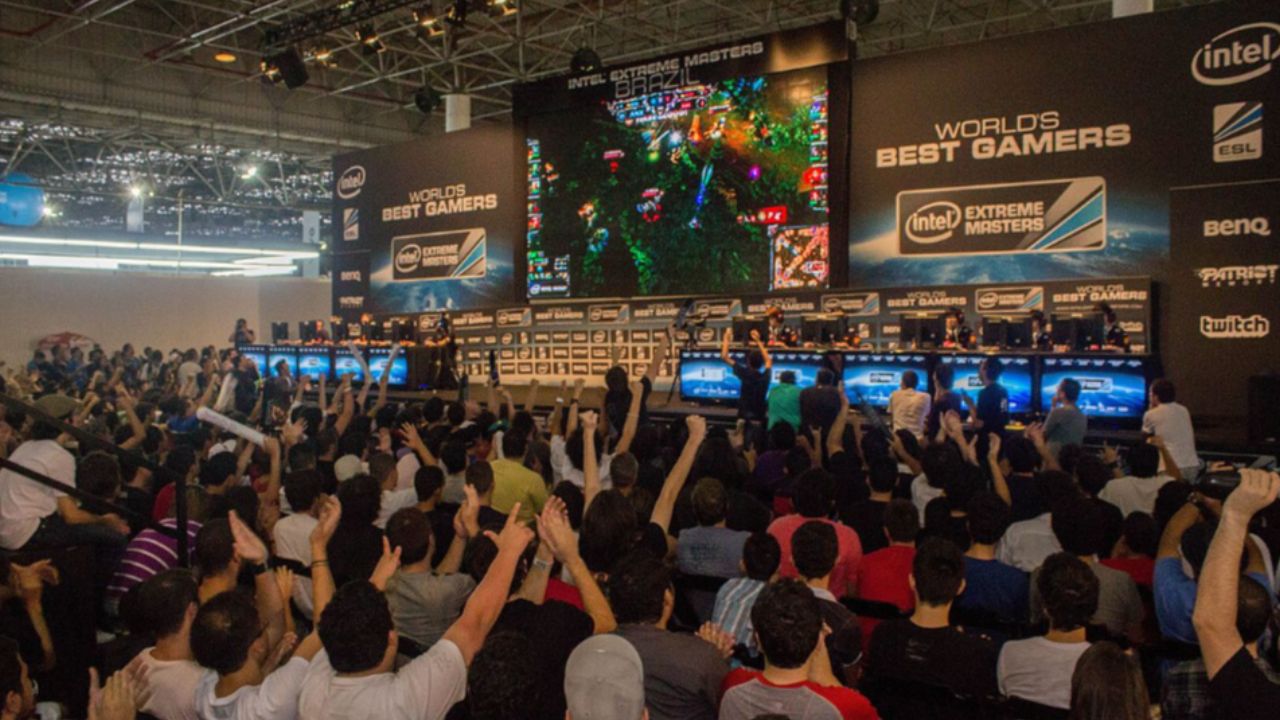

Esports is often associated with professional players competing on global stages, but the industry has expanded far beyond the spotlight. Behind every tournament, livestream, and viral highlight is a structured network of professionals working in specialized roles that many fans rarely notice. From event logistics to digital storytelling and performance science, these careers support a fast-growing ecosystem blending technology, media, and entertainment. Understanding these lesser-known paths reveals how broad, organized, and economically significant the esports landscape has become worldwide.
1. Esports Data Analyst
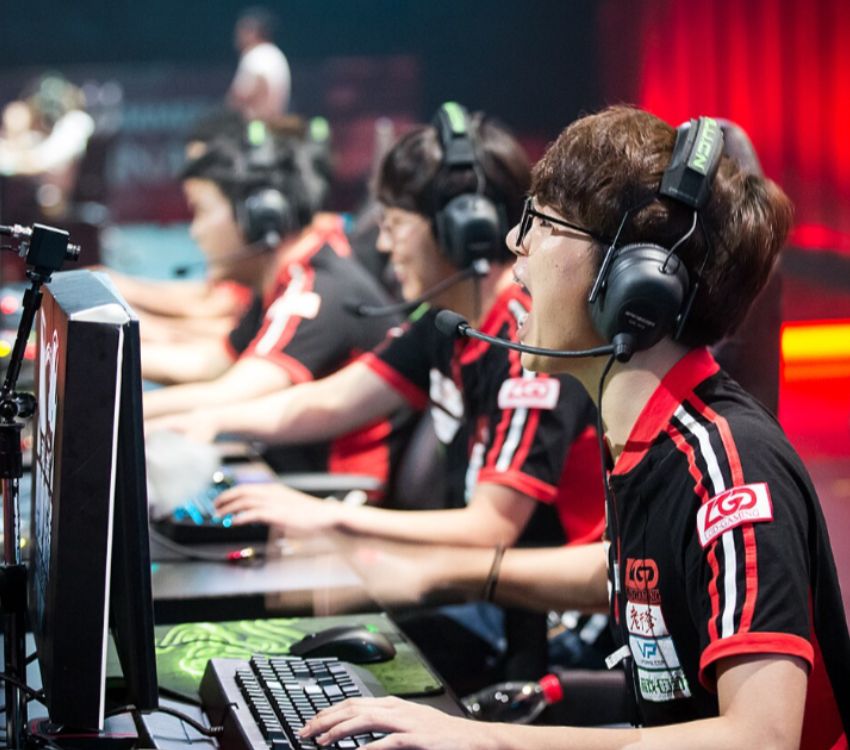
Data analysts in esports interpret in-game statistics, player performance metrics, biometric trends, and audience engagement patterns across multiple platforms. Teams rely on them to study opponent strategies, optimize training routines, and identify performance gaps that are not obvious during live competition. Beyond team strategy, analysts also support brands and tournament organizers in understanding viewer retention and sponsorship value. As modern titles generate enormous datasets, analytical expertise has become central to competitive advantage and long-term operational planning.
2. Tournament Operations Manager
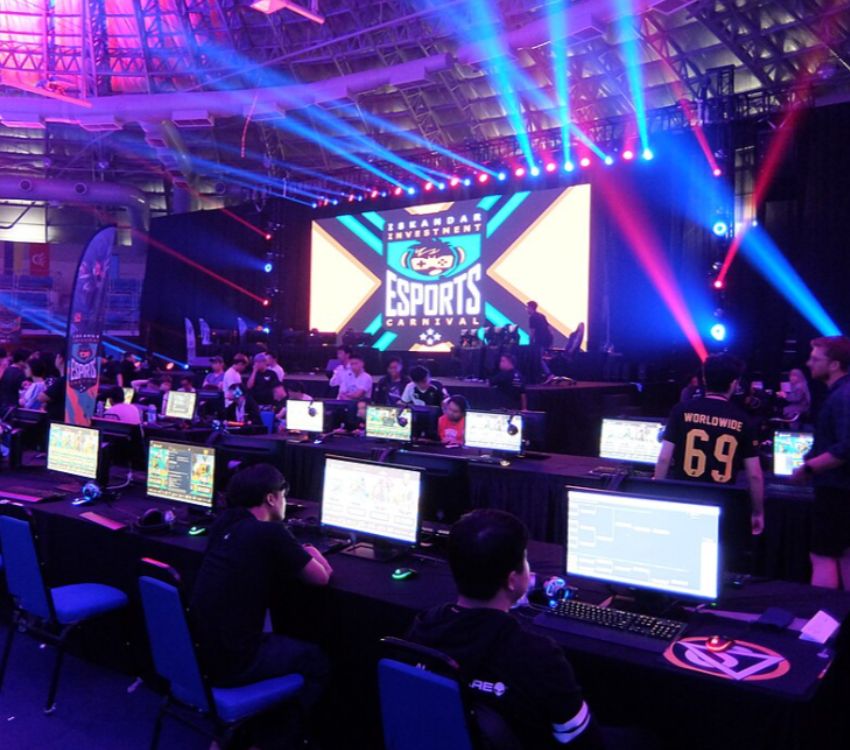
Tournament operations managers coordinate the logistical backbone of esports events at both regional and international levels. They oversee match scheduling, rule enforcement, broadcast timing, technical checks, and communication between teams, referees, and production crews. Whether events are staged in arenas or streamed globally, precision prevents costly delays and competitive disputes. These professionals combine project management skills with deep knowledge of competitive formats and platform regulations, ensuring every stage of the tournament runs efficiently and transparently.
3. Broadcast Production Specialist
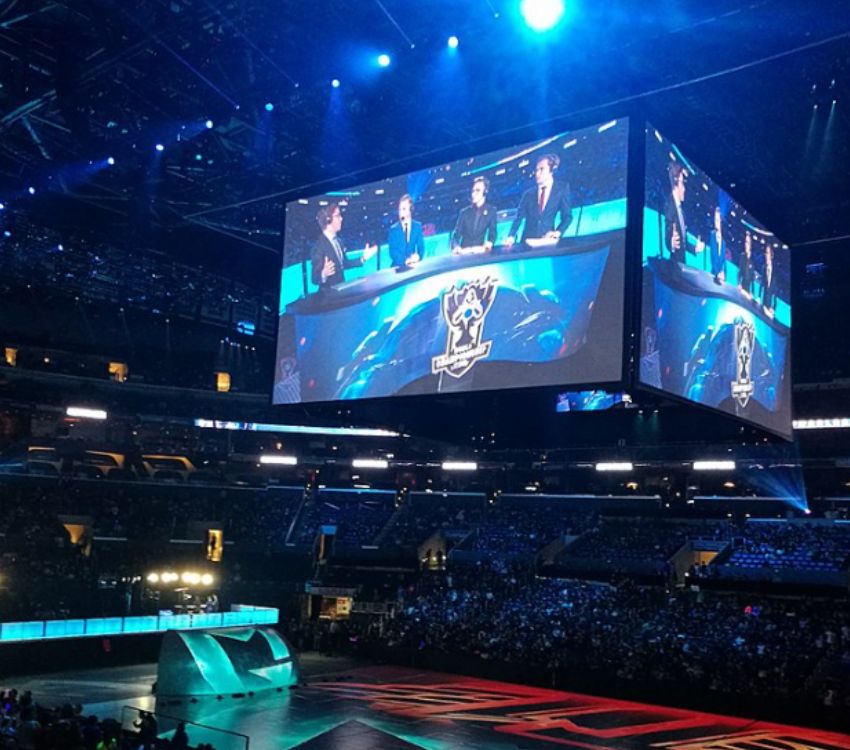
Broadcast production specialists shape how esports is experienced by global audiences watching through streaming platforms and media networks. They manage camera feeds, observer systems, real-time graphics, replay sequences, lighting coordination, and synchronized audio delivery. Similar to traditional sports broadcasting, esports production demands both technical precision and creative decision-making. Specialists collaborate closely with commentators to highlight pivotal moments, maintain pacing, and enhance viewer immersion, meeting rising expectations for high-quality digital entertainment experiences.
4. Esports Marketing Strategist
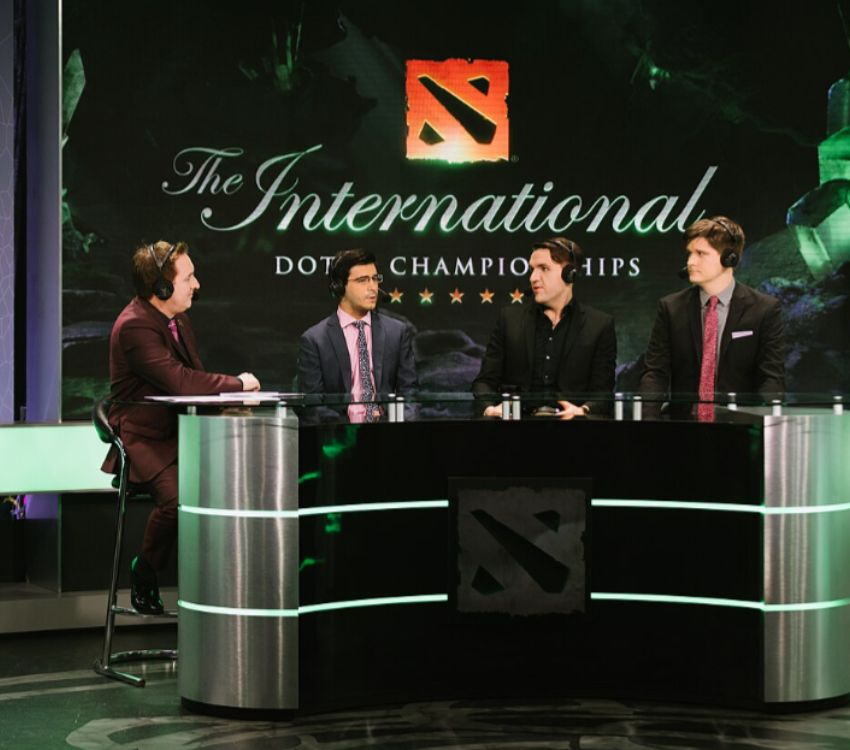
Marketing strategists design data-driven campaigns that connect teams, sponsors, publishers, and gaming communities across digital ecosystems. Their responsibilities include social media planning, influencer partnerships, merchandise rollouts, sponsorship activations, and cross-platform storytelling. Because esports audiences are digitally native and highly interactive, campaigns must feel authentic and community-focused. Strategists analyze engagement metrics and audience demographics to refine messaging. As industry investment grows, these roles directly influence revenue streams and long-term brand positioning.
5. Player Performance Coach

Player performance coaches focus on competitive readiness by strengthening mental resilience, communication dynamics, and physical well-being: high-level gaming demands sustained concentration, rapid reaction speed, coordinated teamwork, and emotional regulation under pressure. Coaches develop structured practice schedules, conduct match reviews, implement stress-management techniques, and promote healthy routines that reduce burnout. Many organizations integrate principles from sports psychology and traditional athletics, recognizing that sustained performance requires holistic support beyond mechanical skill alone.
6. Esports Legal Advisor

Legal advisors manage contracts, intellectual property rights, sponsorship agreements, and regulatory compliance within esports organizations operating across multiple jurisdictions. They draft player contracts, negotiate brand partnerships, clarify revenue-sharing terms, and ensure tournament rules align with local and international laws. As esports expands globally, cross-border regulations, visa issues, and digital content ownership create additional complexity. Legal professionals protect organizations from financial disputes, reputational risks, and compliance failures in a rapidly evolving industry.
7. Community Engagement Manager
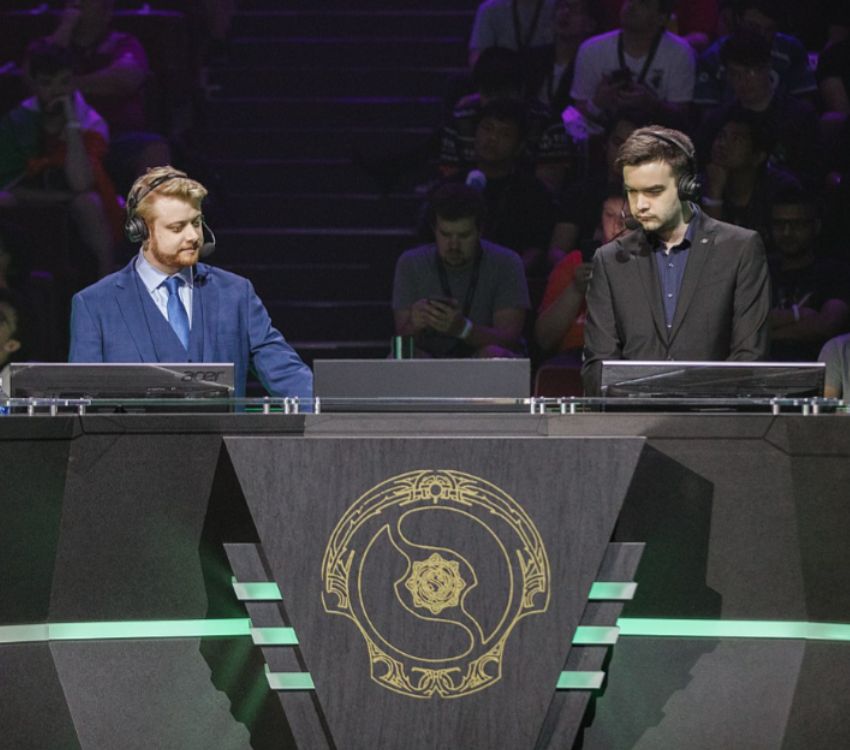
Community engagement managers act as the strategic bridge between esports organizations and their global fan bases. They moderate discussion platforms, organize digital and live fan interactions, coordinate announcements, and respond to community concerns. Because gaming communities operate across streaming sites, social networks, and forums, maintaining consistent communication is critical. Managers analyze audience sentiment, track engagement trends, and collaborate with marketing teams to strengthen loyalty while fostering inclusive, respectful digital environments.
8. Esports Talent Scout

Talent scouts identify emerging players before they gain mainstream recognition in professional circuits. They monitor online leaderboards, amateur competitions, grassroots tournaments, and streaming platforms to evaluate mechanical skill, adaptability, teamwork, and communication abilities. Scouts provide detailed performance assessments to coaching staff and management teams. By securing promising talent early, organizations can build competitive rosters strategically while managing budgets. Structured scouting systems have become essential to sustaining long-term success in an increasingly competitive esports landscape.